Artwork
View of Saint-Andeol
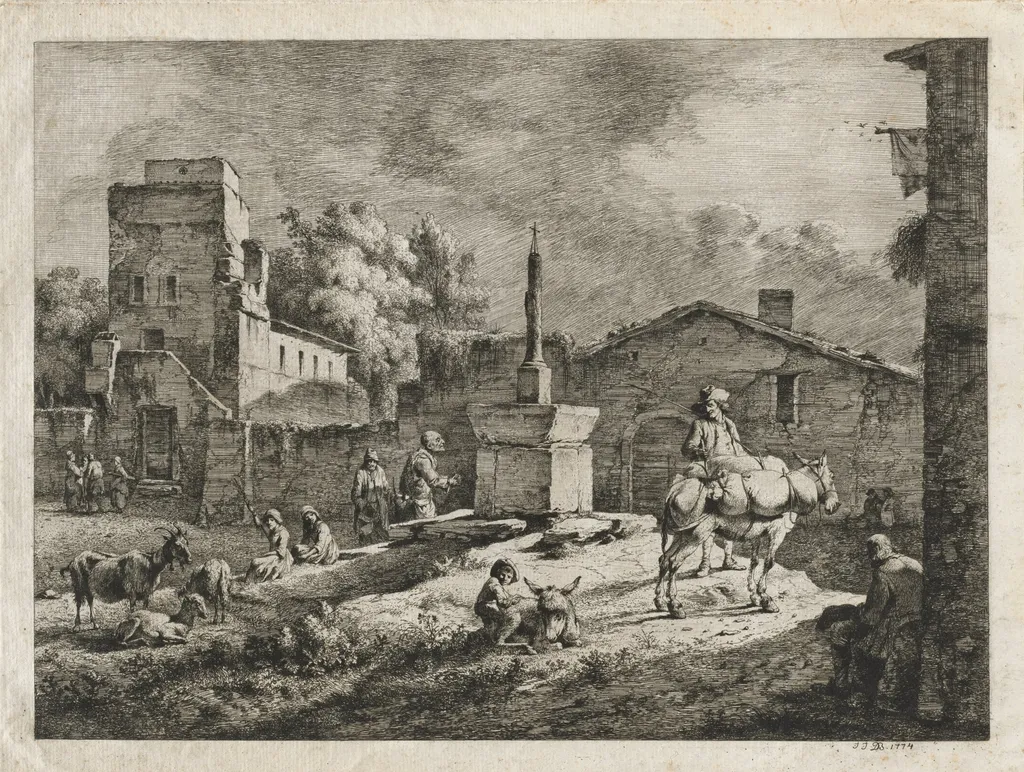
View of Saint-Andeol is a print by the Romanticist artist Jean-Jacques de Boissieu. It dates from 1774 and is held in the collection of the Cleveland Museum of Art.
About this work
Overview
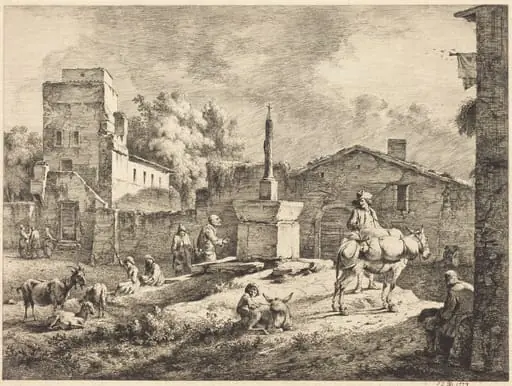
View of Saint-Andeol, an etching by Jean Jacques de Boissieu from 1774, presents a serene village scene. The composition centers around a stone well, surrounded by everyday activities and architectural elements, conveying a sense of quotidian life.
Subject & Meaning
The etching captures the tranquil atmosphere of a rural village. Figures engage in leisurely activities, while a man on a donkey and grazing sheep add to the scene's calm dynamism. The inclusion of a crumbling building and a partially ruined tower subtly hints at the passage of time.
Technique & Style
De Boissieu employed shading techniques, notably chiaroscuro, to achieve depth and realism. The strategic use of light and dark areas directs the viewer's attention to focal points: the central well and the donkey rider, enhancing the scene's immediacy.
History & Provenance
Created in 1774, View of Saint-Andeol is currently part of The Cleveland Museum of Art's collection.
Context
This work reflects 18th-century European interest in depicting everyday rural life, often emphasizing harmony between people and their environment. The choice of Saint-Andeol as a subject may also suggest a fascination with the antiquity and simplicity of provincial French life.
Legacy
While specific influences of View of Saint-Andeol on later artists are not widely documented, it contributes to the broader legacy of 18th-century etchings that prioritized realism and the beauty of mundane scenes, potentially inspiring future generations of printmakers and landscape artists.
Artist & collection
Artist
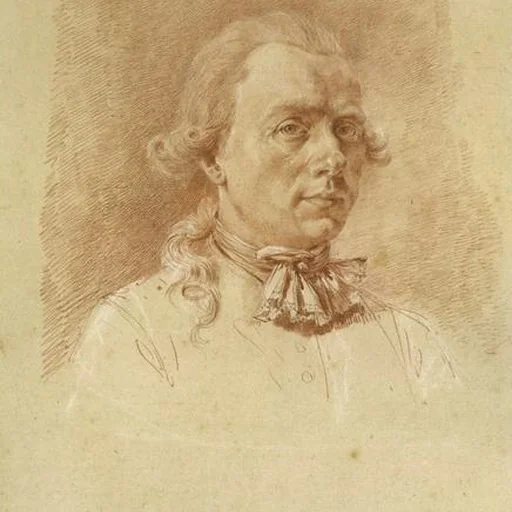
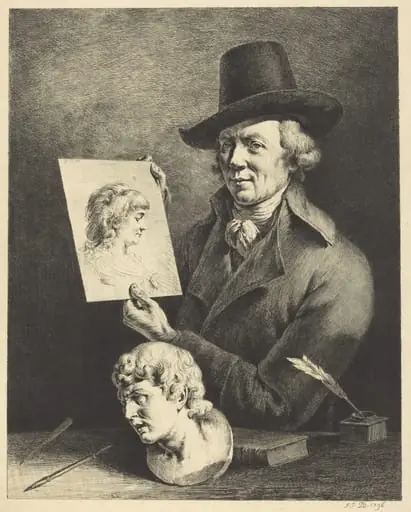
Jean-Jacques de Boissieu (1736–1810) was a French artist, born in Lyon.

 The Approach to a Village
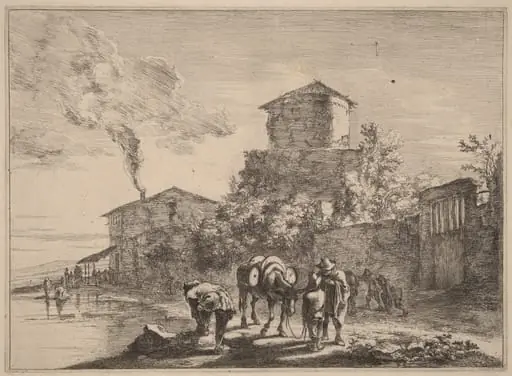 The Hinny Drover, via Appia
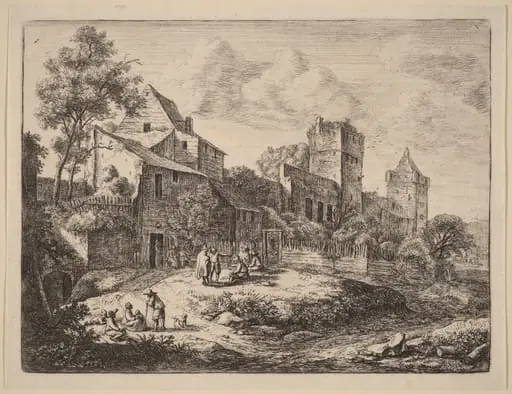 Square in Front of an Inn
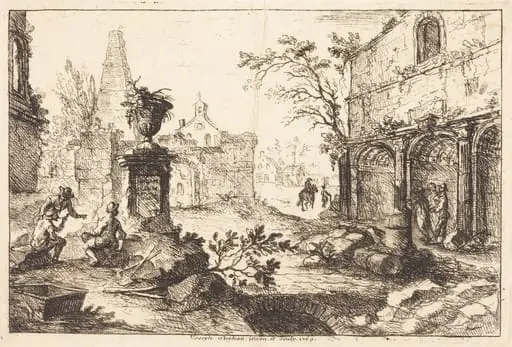 Architectural Fantasy with Roman Ruins
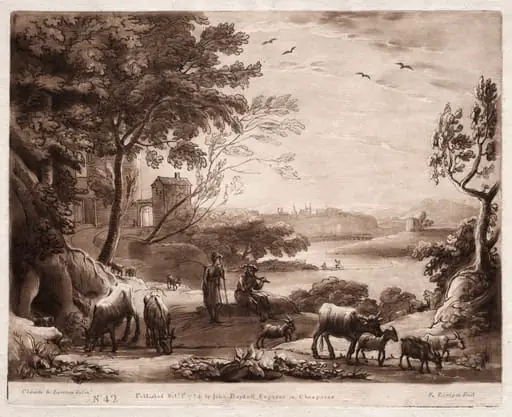 Liber Veritatis: No. 42, A River Landscape with a Shepherd and Shepherdess and a Herd of Cattle
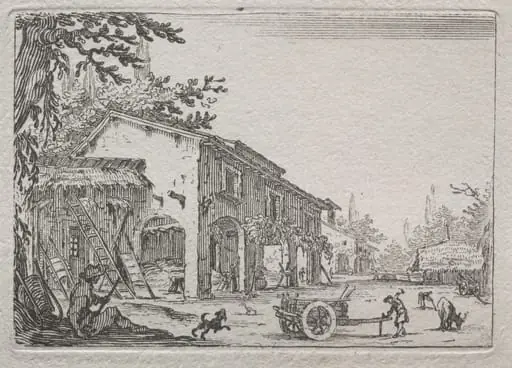 Caprices: The Italian Farm
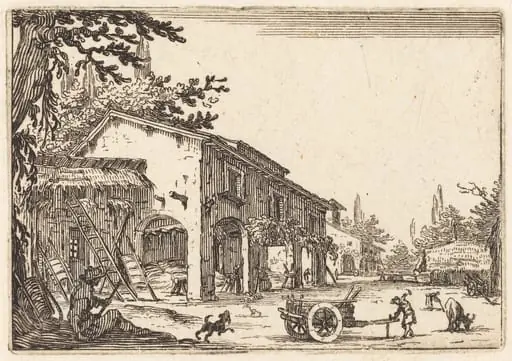 Courtyard of a Farm
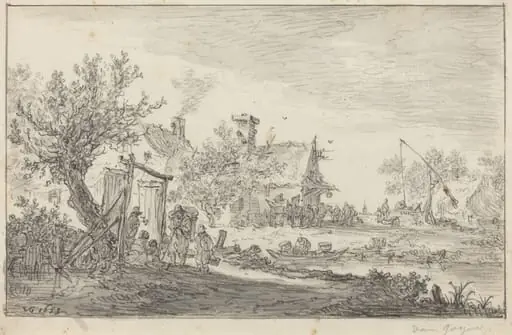 Wayside Inn
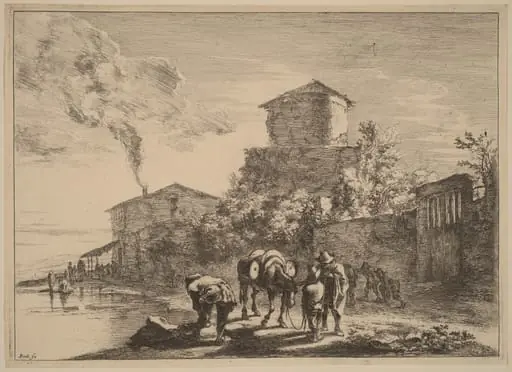 The Hinny Drover, via Appia
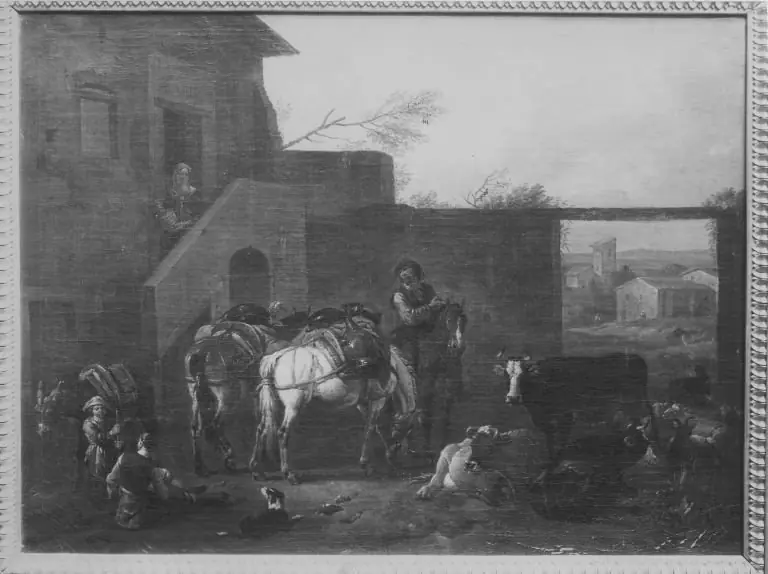 Vor der Schenke
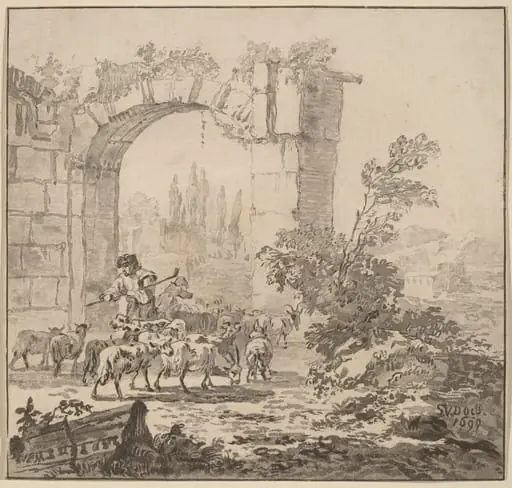 Flock of Goats