Artwork
Portrait of Mlle Henault, comtesse d'Aubeterre
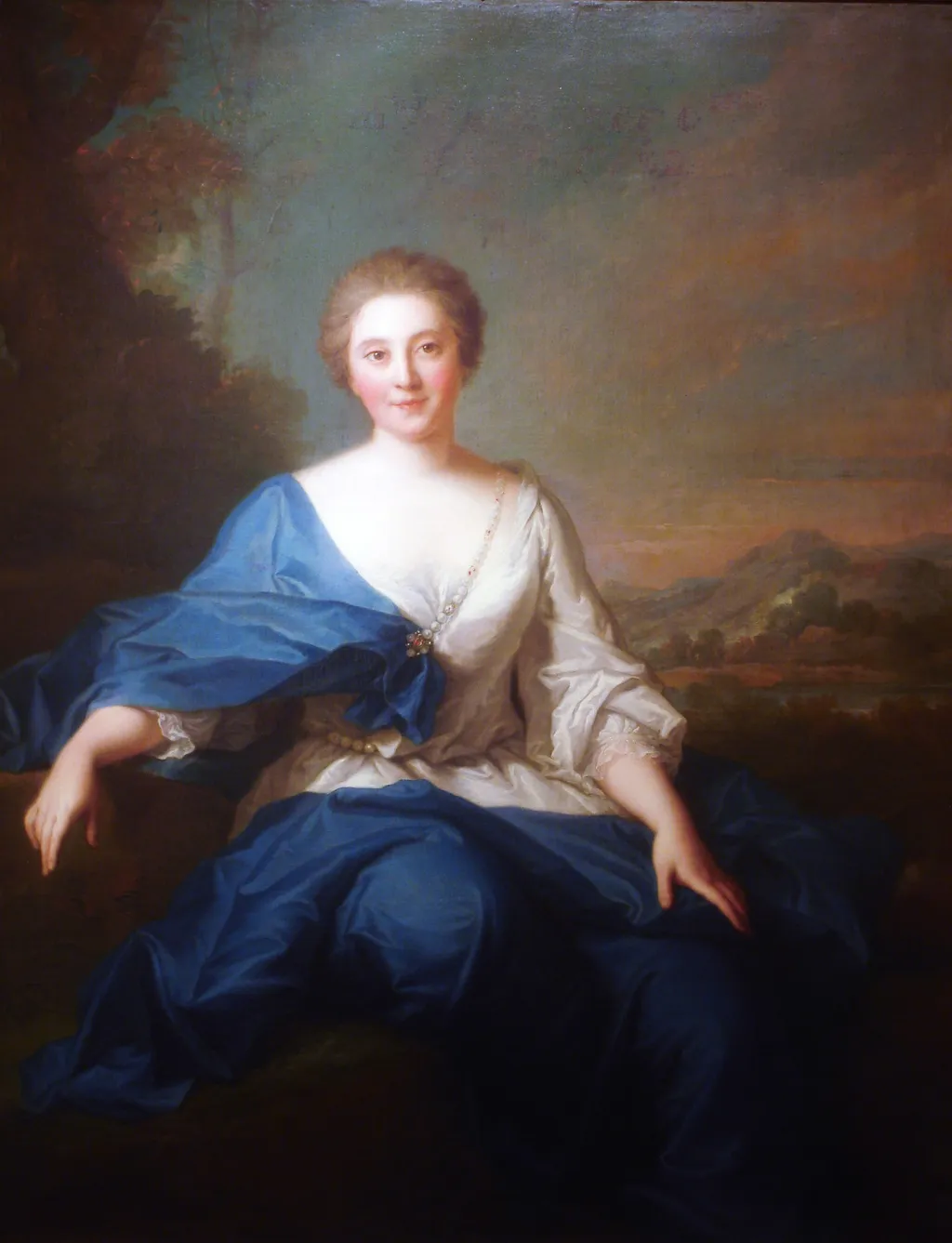
Portrait of Mlle Henault, comtesse d'Aubeterre is an oil painting by the Rococo painting artist Jean-Marc Nattier. It dates from 1727 and is held in the collection of the National Museum of Fine Arts, Argentina.
About this work
Overview
The work exemplifies the Rococo aesthetic through its soft palette, graceful composition, and emphasis on refined elegance rather than strict realism.
Painted in 1727 by Jean-Marc Nattier, this oil portrait depicts Mlle Henault, who later became comtesse d'Aubeterre. Nattier, a Parisian artist, specialized in portraying aristocratic women with a delicate touch, blending portraiture with idealized elements drawn from classical themes. The work exemplifies the Rococo aesthetic through its soft palette, graceful composition, and emphasis on refined elegance rather than strict realism.
Subject & Meaning
The sitter, a noblewoman of the French court, is presented not as a mere likeness but as an embodiment of cultivated grace. Her pose, attire, and the pastoral setting suggest an association with mythological nymphs or pastoral ideals, a common device in Rococo portraiture. The inclusion of pearls and a decorative bow signals status and fashion, while the calm demeanor conveys composure befitting her social position.
Technique & Style
Nattier employed thin, layered oil glazes to achieve a luminous skin tone and subtle transitions in fabric. The white dress catches light softly, while the blue shawl adds a cool contrast against the warm landscape. Brushwork is precise yet fluid, particularly in the rendering of hair and lace details. The background, though loosely painted, grounds the figure in a serene, idealized natural setting typical of the period’s decorative sensibility.
History & Provenance
Commissioned during the height of Nattier’s career at the French court, the portrait entered private collections in France before eventually being acquired by the National Museum of Fine Arts in Buenos Aires. Its journey reflects the international circulation of French aristocratic art in the 19th and 20th centuries, though specific ownership records between its creation and arrival in Argentina remain incomplete.
Context
In early 18th-century France, portraiture for noblewomen often merged personal identity with allegorical fantasy. Nattier’s approach catered to a clientele seeking to elevate their image through association with antiquity and nature. This painting aligns with a broader trend where courtly women were depicted as ethereal figures, distancing them from the mundane while reinforcing their cultural refinement.
Legacy
Though less celebrated than some of Nattier’s more elaborate mythological portraits, this work remains a representative example of his ability to balance individual likeness with stylized elegance. It contributes to the understanding of how Rococo portraiture functioned as both social record and aspirational imagery, influencing later 18th-century depictions of femininity in European art.
Own this work as a print
Artist & collection
Artist
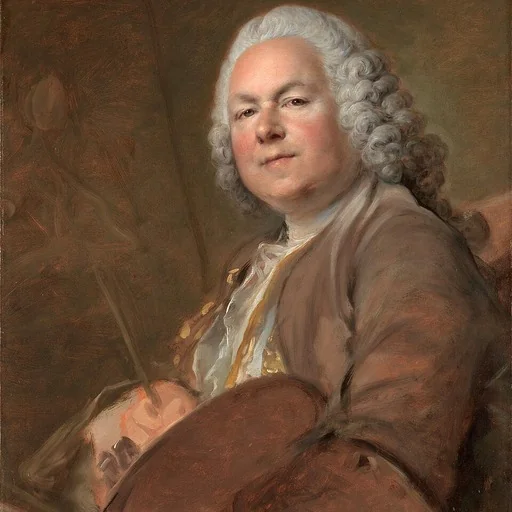
Jean-Marc Nattier (French pronunciation: ; 17 March 1685 – 7 November 1766) was a French painter.

Museum
National Museum of Fine Arts, Argentina
Continue through works from the same source collection.
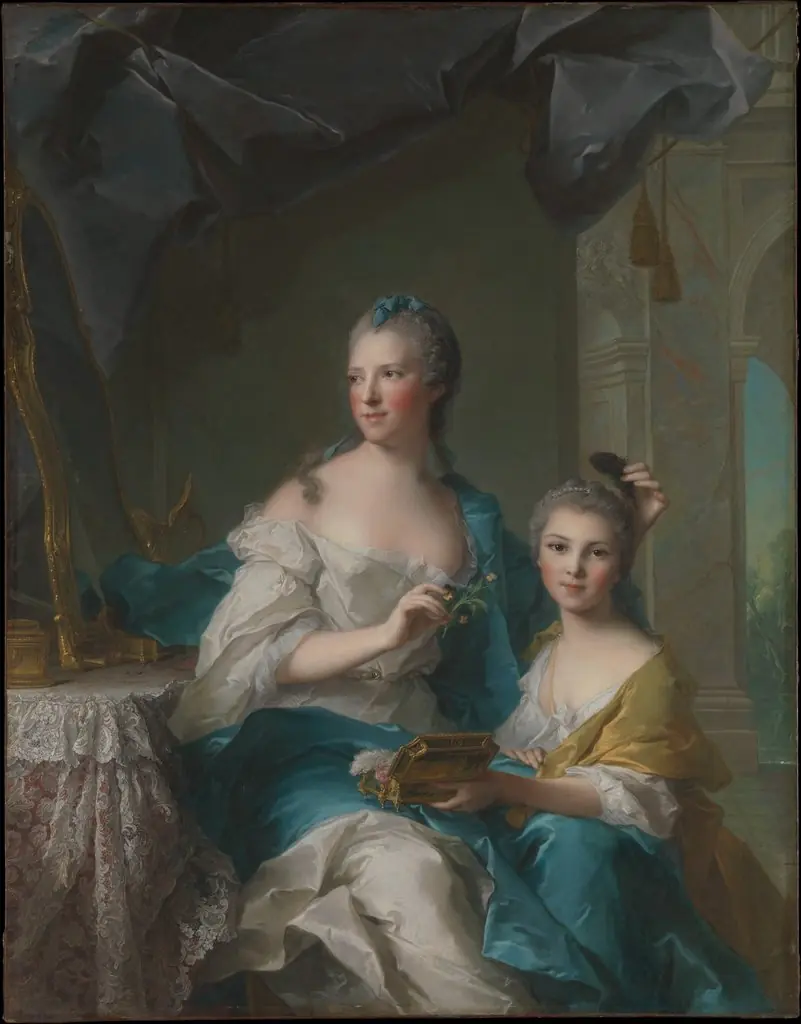 Madame Marsollier and Her Daughter
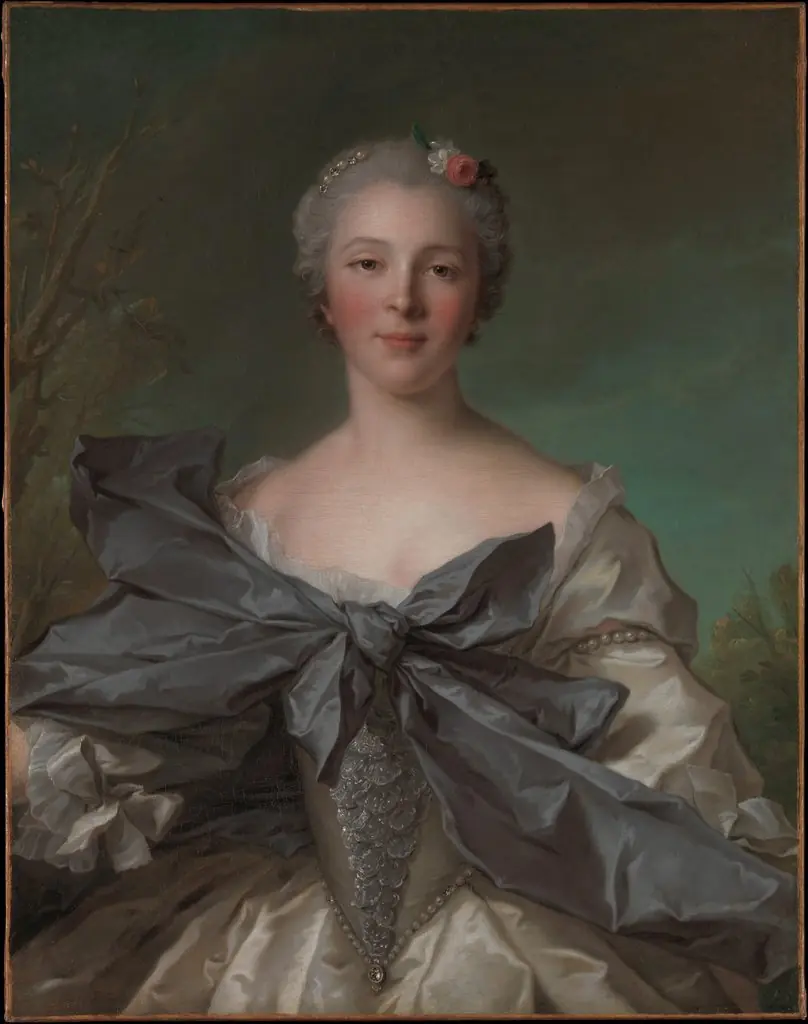 Marie Françoise de La Cropte de St. Abre, Marquise d'Argence
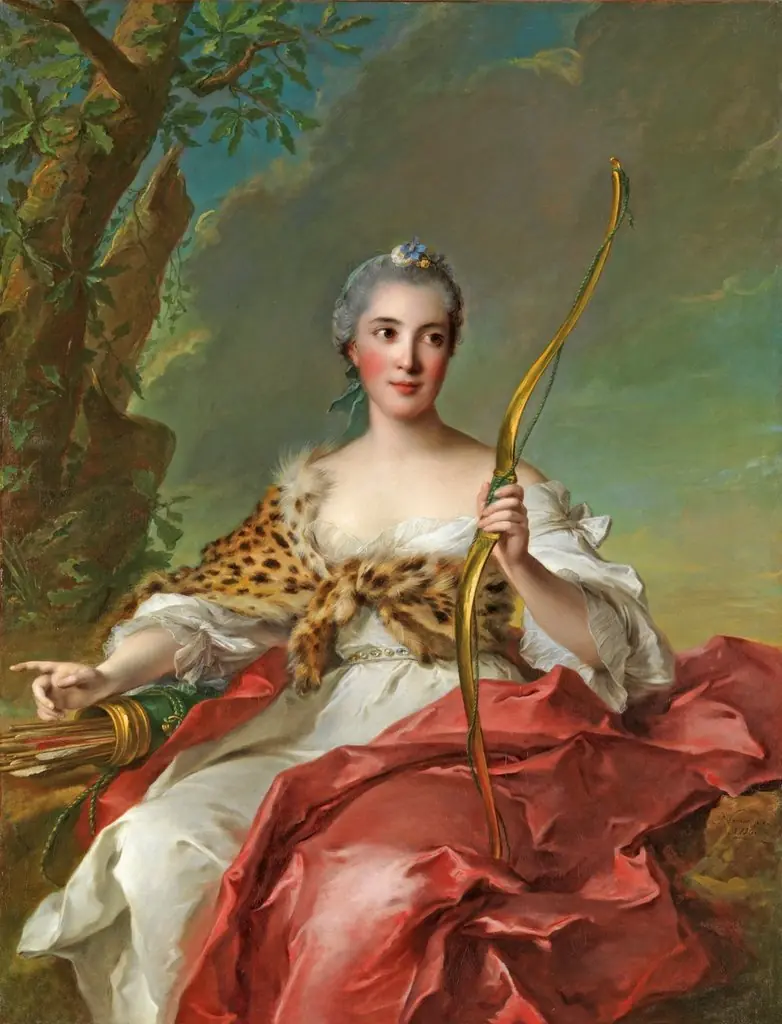 Madame Bergeret de Frouville as Diana
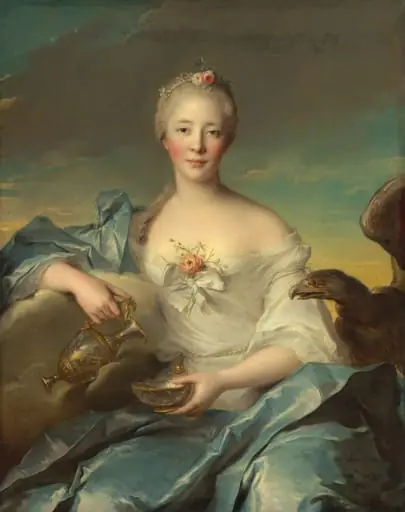 Madame Le Fèvre de Caumartin as Hebe
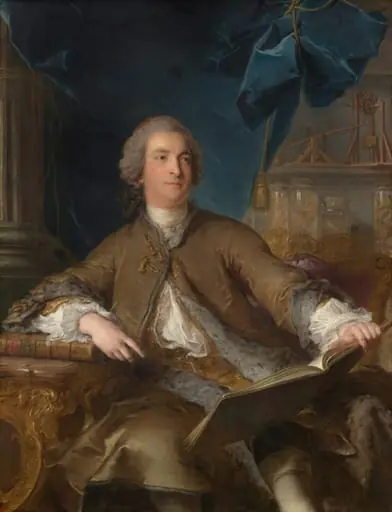 Joseph Bonnier de la Mosson
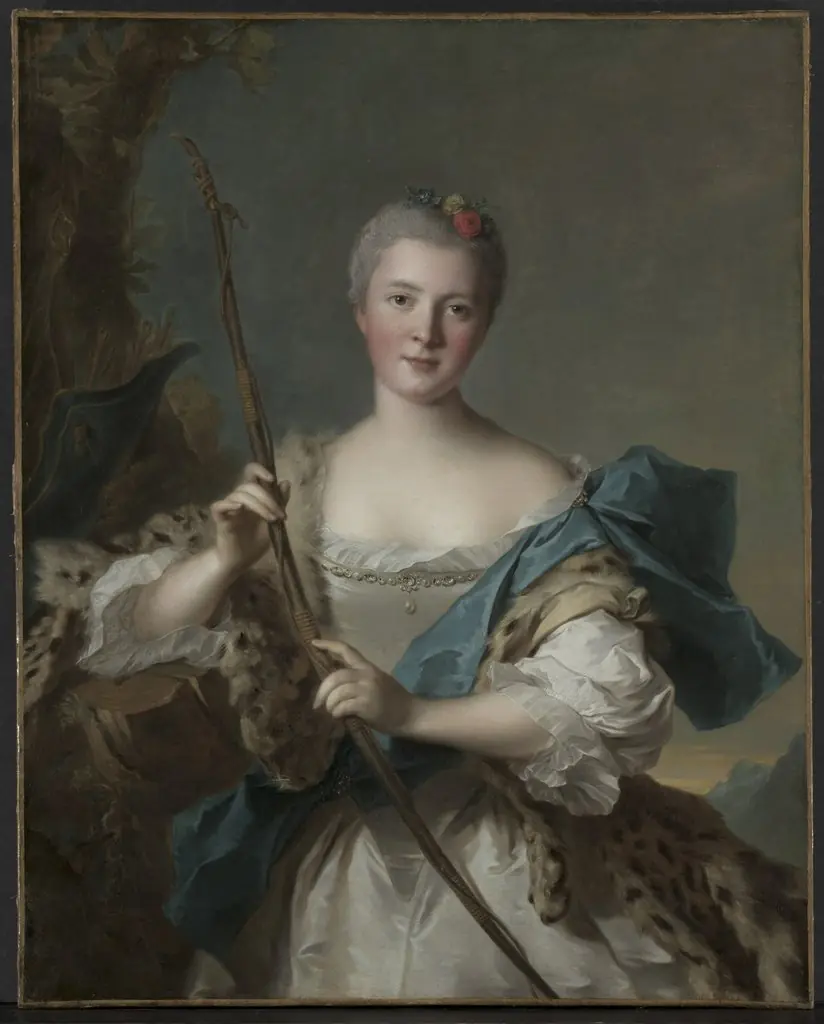 Portrait of a Woman as Diana
 Portrait of a Woman
 Portrait of a Woman, Called the Marquise Perrin de Cypierre
 Portrait of Agnes Catherina Hoeuft (1689-1758)
 Maria Charlotta Silfverstjerna
 Mrs. Tyng
 Madame Sophie of France as a Vestal Virgin
 Barbara, Countess of Pembroke & Mont
 Portrait of Maria Amalia Fryderyka Mniszech née Brühl (1737–1772)
 Mrs. David Chesebrough
 Portrait of Anna Maria Roman (1680-1758)
 Portrait of Luiza Adelaida of Orleans
 Portrait of Justina Johanna Ramskrammer, Wife of Isaac Parker