Artwork
The Arms of the Dutch East India Company and of the Town of Batavia
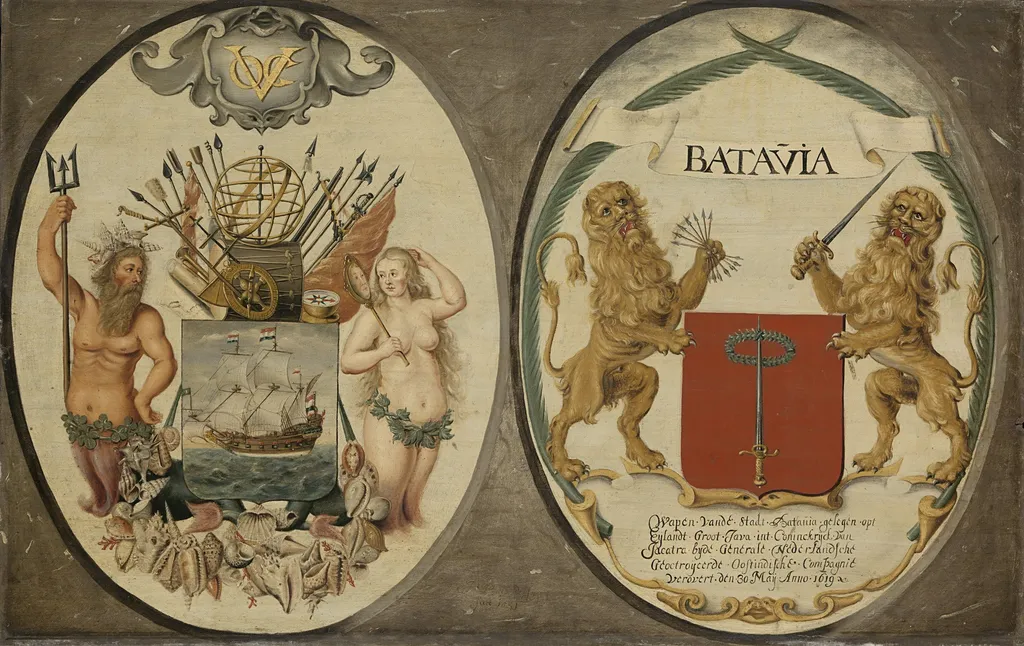
The Arms of the Dutch East India Company and of the Town of Batavia is an oil painting by the Dutch Golden Age artist Jeronimus Becx III. It dates from 1651 and is held in the collection of the Rijksmuseum.
About this work
Overview
The Arms of the Dutch East India Company and of the Town of Batavia is an oil painting created by Jeronimus Becx III in 1651. It is part of the Rijksmuseum's collection.
Subject & Meaning
The painting depicts a shield divided into two sections, each conveying different themes. The left side features a bearded figure and a woman in a seashell, accompanied by maritime elements, while the right side displays lions and a shield with a wreath and sword, symbolizing power and protection.
Technique & Style
The work is executed in oil paint, a medium commonly used for detailed and layered artworks during the period.
Context
The imagery suggests a connection to the Dutch East India Company's activities and the town of Batavia, indicating the painting's relevance to the company's and the town's identity.
Artist & collection
Artist
Jeronimus Becx III painted official scenes in the Dutch Golden Age. In “The Arms of the Dutch East India Company and of the Town of Batavia,” he shows coats of arms and ships in a calm, orderly style. Look for the VOC…

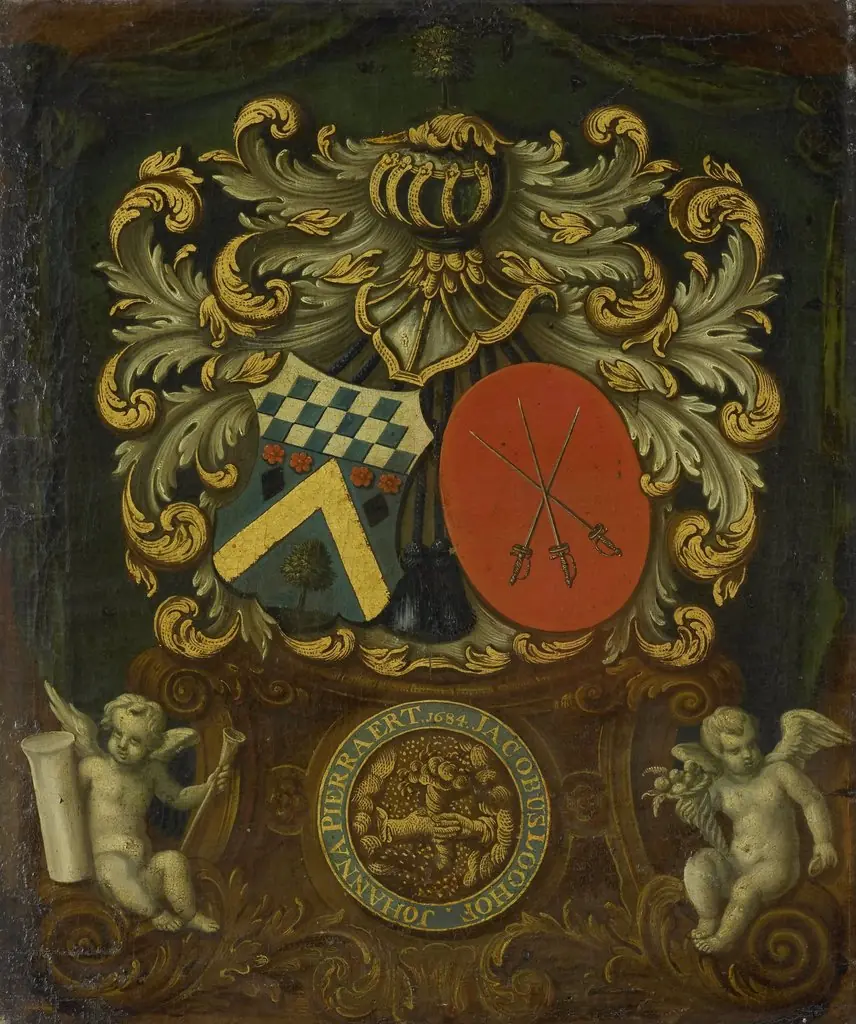 The family shields of Jacobus Loohoff and Johanna Pierraert, 1684
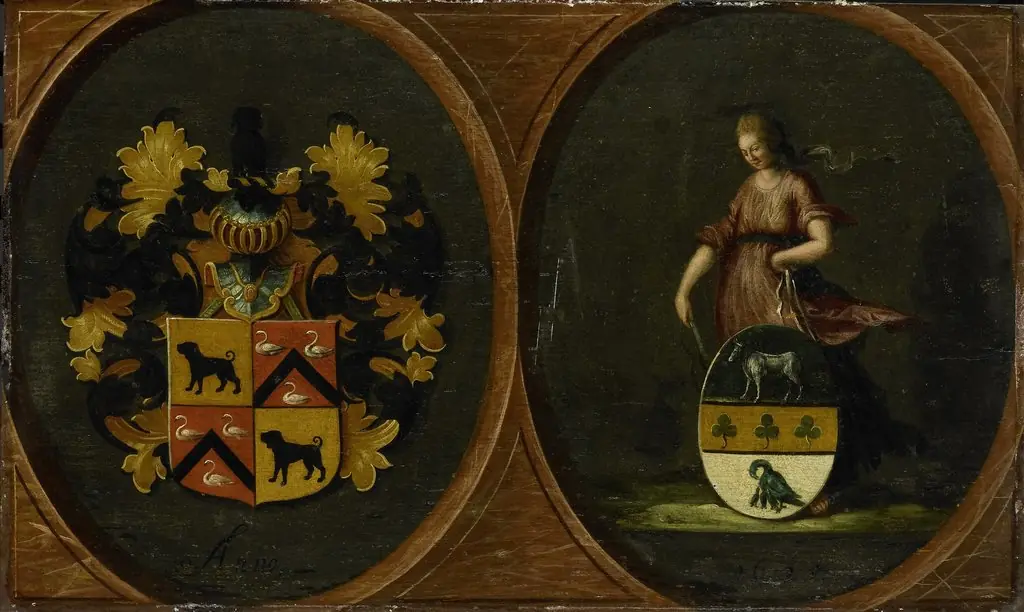 Heraldic panel with family shields of the couple Hortensia del Prado and second husband Peter Courten, 1625
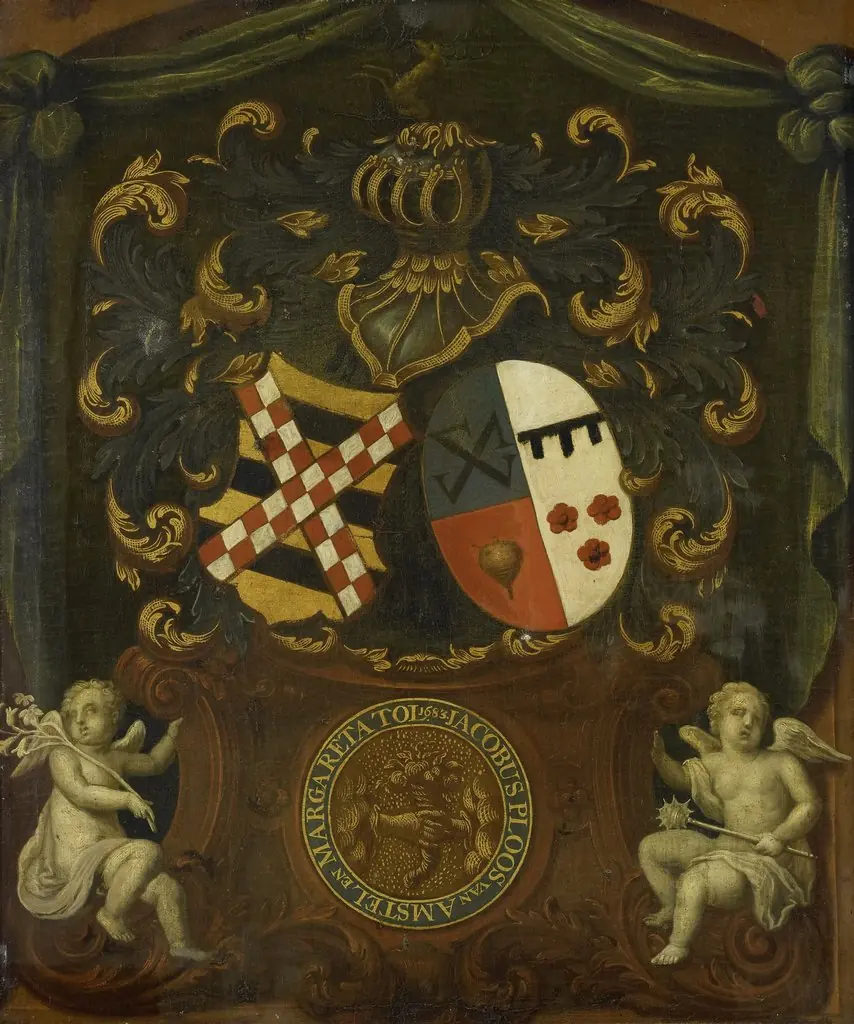 The family shields of Jacob Ploos van Amstel and Margareta Tol
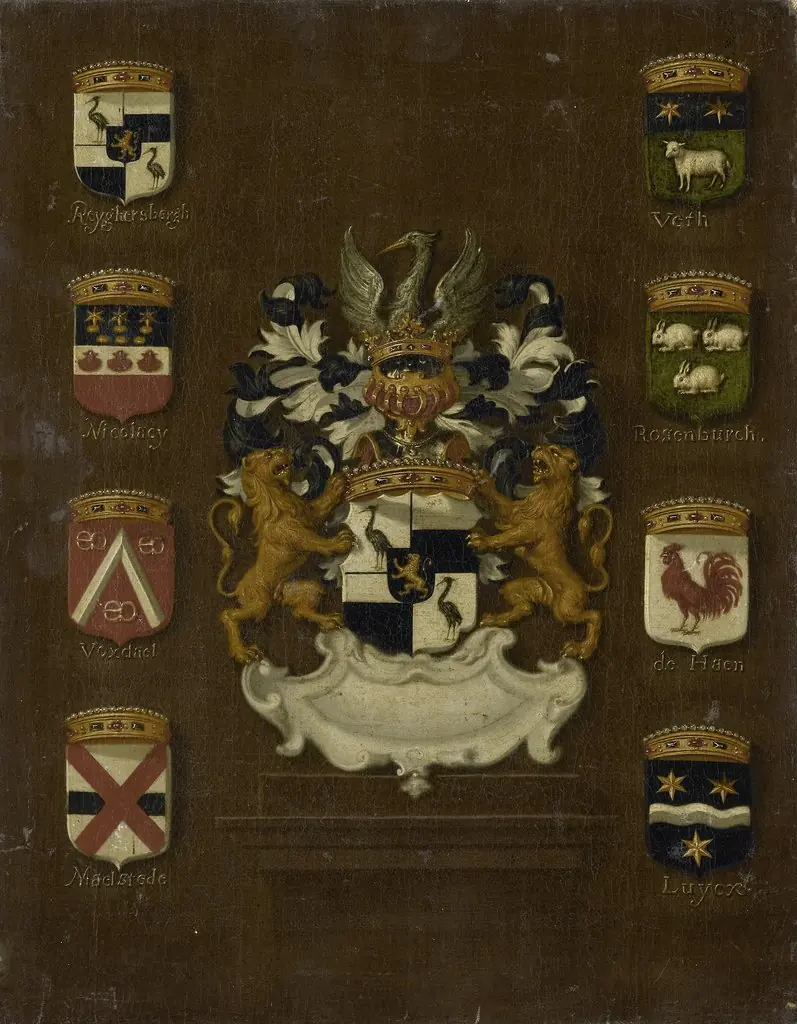 Coat of Arms of Jan van Reyersbergh with its eight quarterings
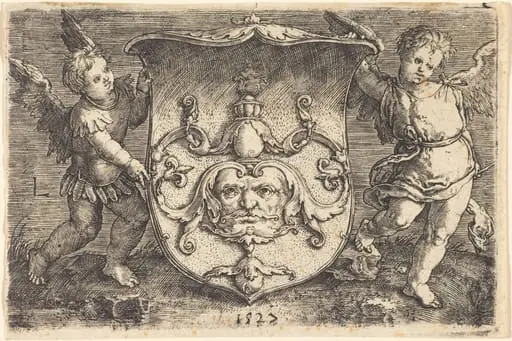 Shield with Mascaron
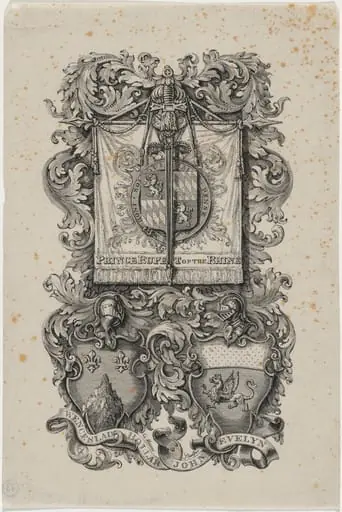 Coat of Arms of Prince Rupert, Hollar and Evelyn
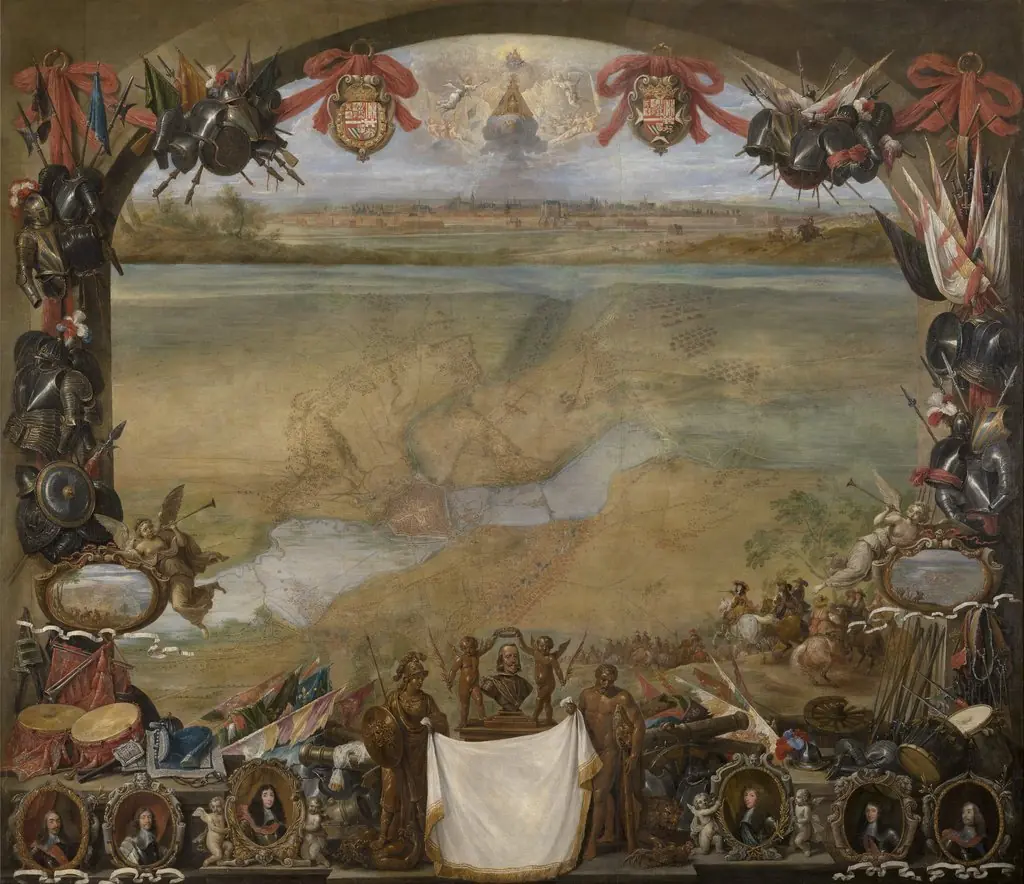 The City Valenciennes
![Archetypa studiaque patris Georgii Hoefnagelii [Part 4, Title Page], by Jacob Hoefnagel](https://artifactworldgallery.com/img/jacob-hoefnagel--archetypa-studiaque-patris-georgii-hoefnagelii-part-4-title--d842859cac0814bc-w320.webp) Archetypa studiaque patris Georgii Hoefnagelii [Part 4, Title Page]
Archetypa studiaque patris Georgii Hoefnagelii [Part 4, Title Page]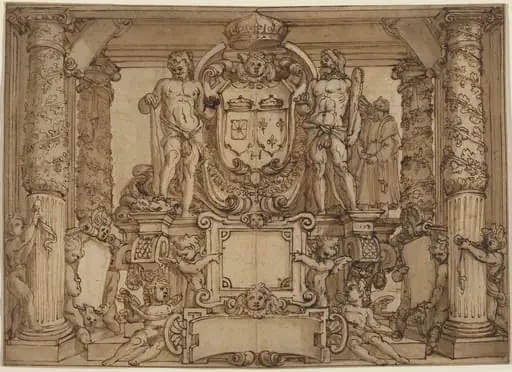 An Architectural Wall Design in Honor of Henry IV, the Gallic Hercules
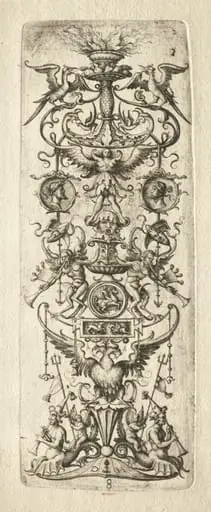 Ornament Fillet
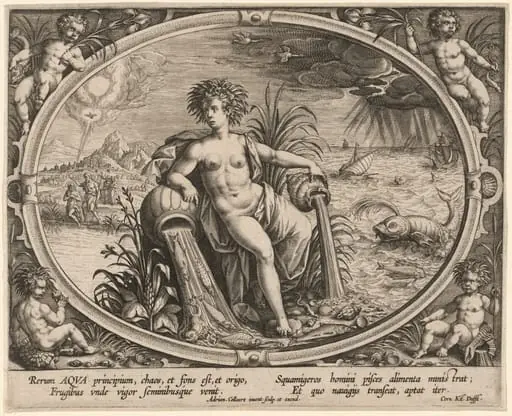 Aqua (Water)
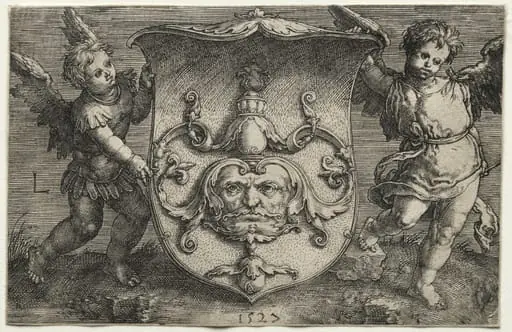 A Shield Bearing a Mask Supported by Two Genii