Artwork
Alexander Farnese, Duke of Parma
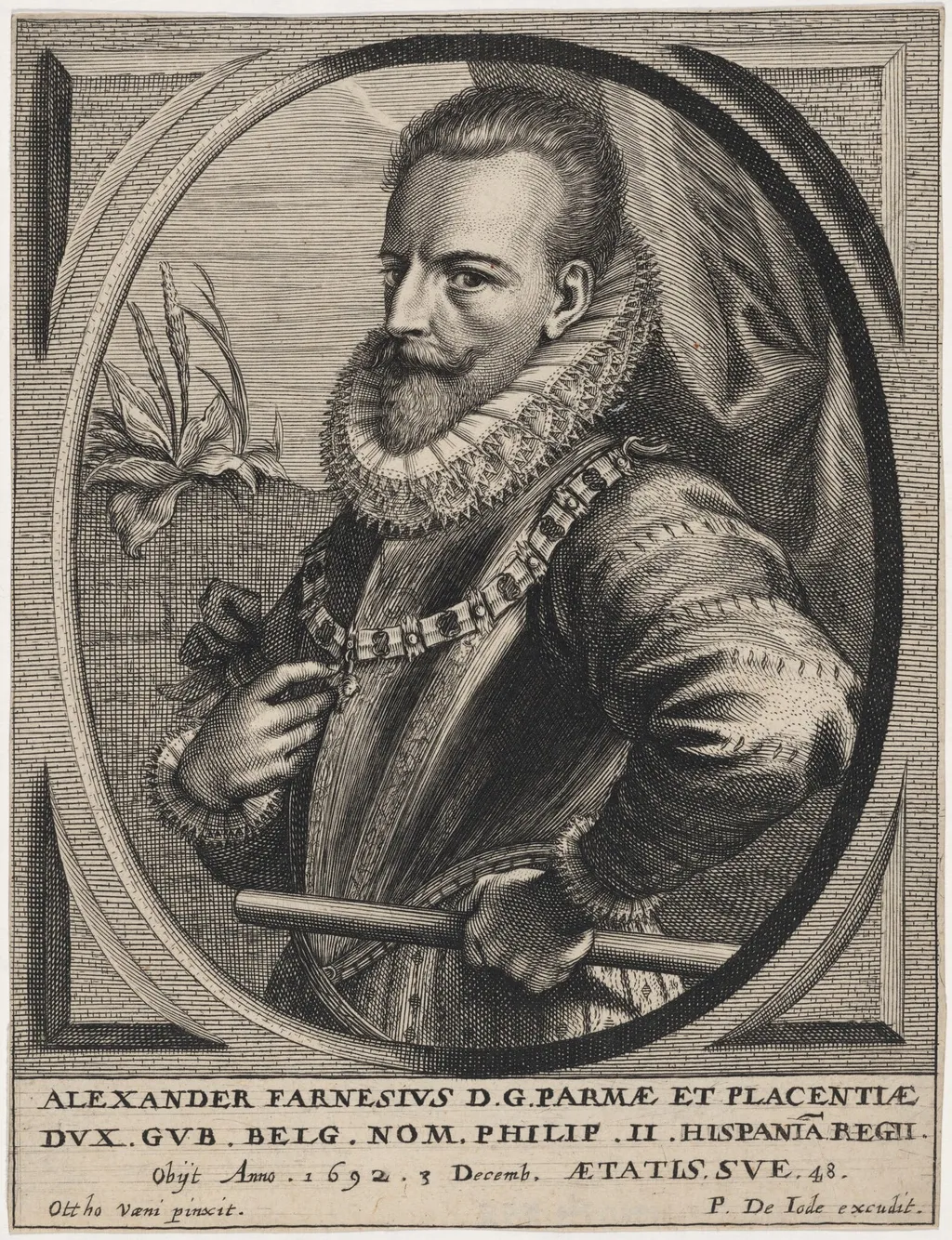
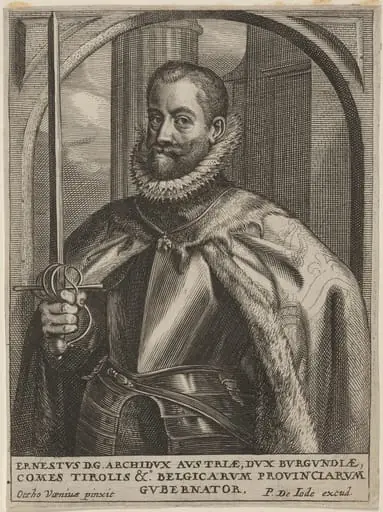
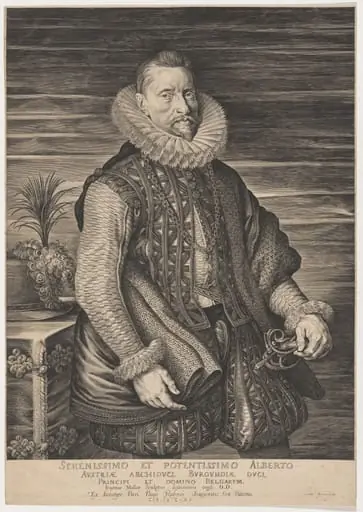
Alexander Farnese, Duke of Parma is an ink print by the Baroque artist Pieter de Jode II. It dates from 1641 and is held in the collection of the National Gallery of Art.
About this work
Overview
The composition is restrained yet deliberate, focusing on his posture and clothing to convey status rather than dramatic flair.
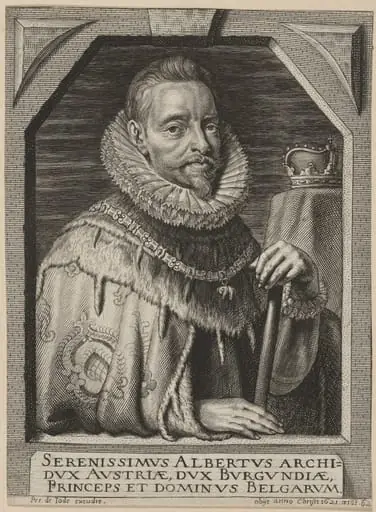
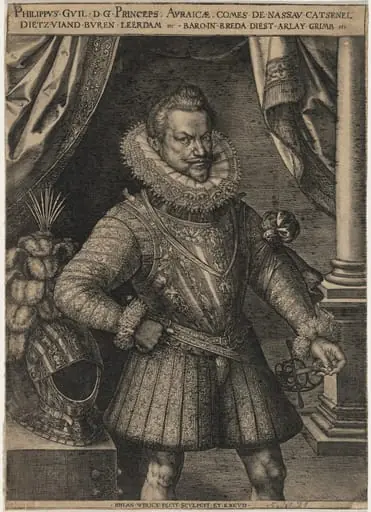
This 1641 engraving by Pieter de Jode II depicts Alexander Farnese, Duke of Parma, as a noble military leader. Rendered in fine line work, the portrait captures him from the waist up, emphasizing his attire and bearing. The composition is restrained yet deliberate, focusing on his posture and clothing to convey status rather than dramatic flair. The print belongs to a tradition of engraved portraiture used for dissemination among elite circles in early modern Europe.
Subject & Meaning
Alexander Farnese, a prominent Spanish general and governor of the Spanish Netherlands, is portrayed with the attributes of authority: a sword held firmly, hands positioned with composure, and a composed gaze. His facial hair and pompadour hairstyle reflect contemporary aristocratic fashion. The absence of overt symbols of power—such as crowns or banners—suggests a preference for quiet dignity over theatrical display, aligning with his reputation as a pragmatic statesman.
Technique & Style
Pieter de Jode II employed fine, controlled engraving lines to model form and texture, particularly in the lace of the ruffled collar and the sheen of the dark jacket. The background’s faint floral motif adds decorative depth without distracting from the figure. The tonal range is subtle, relying on line density rather than shading, characteristic of Northern European printmaking of the period. Precision and clarity dominate, reflecting the engraver’s skill in translating three-dimensional presence into two-dimensional detail.
History & Provenance
Created in 1641, the engraving was likely produced to circulate Farnese’s likeness among political and military networks, possibly as a commemorative or diplomatic object. Pieter de Jode II, part of a renowned Flemish printmaking family, often worked from existing portraits to produce reproductive engravings. While the original source image is unknown, the print’s survival in multiple institutional collections suggests its continued relevance in early modern visual culture.
Context
This portrait emerged during the later stages of the Eighty Years’ War, when Farnese’s military campaigns had already secured his legacy. Engravings like this served as tools of political memory, reinforcing the image of capable leadership amid ongoing conflict. The Baroque era favored expressive portraiture, yet this work’s restraint reflects the Flemish preference for understated realism, contrasting with the more theatrical styles emerging in Italy.
Legacy
The engraving remains a documented example of how aristocratic identity was visually sustained through reproductive prints. It contributed to the enduring iconography of Farnese as a disciplined commander, preserved beyond painted portraits. Though not widely exhibited today, it continues to inform scholarly understanding of early 17th-century print culture and the role of imagery in shaping historical reputation.
Artist & collection