Artwork
Gustav III as Crown Prince
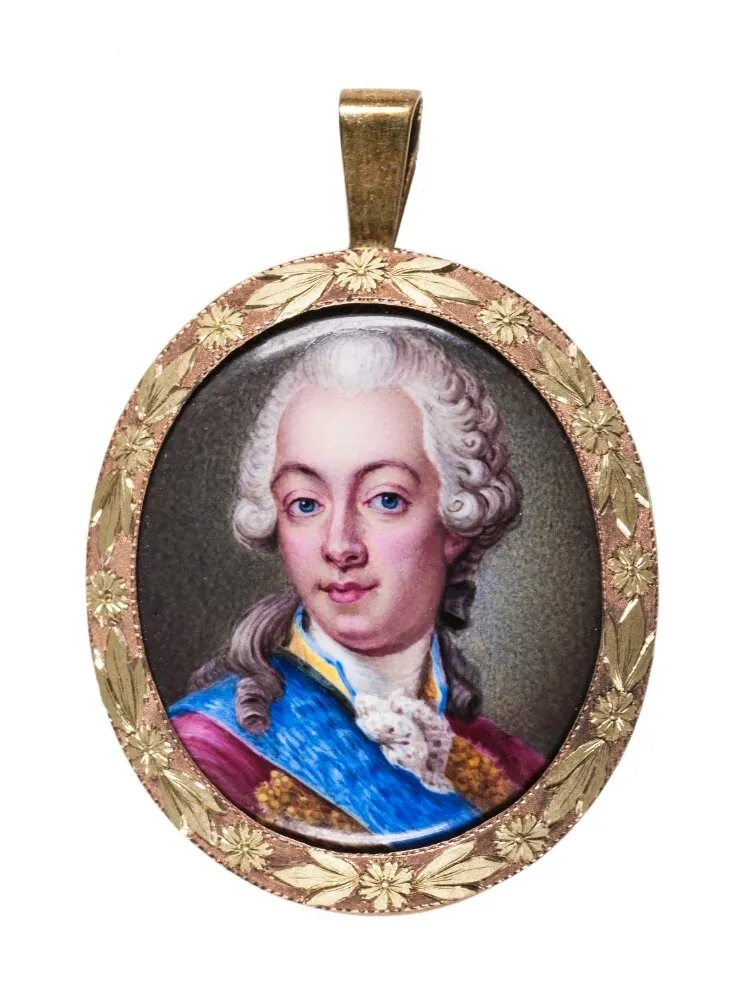
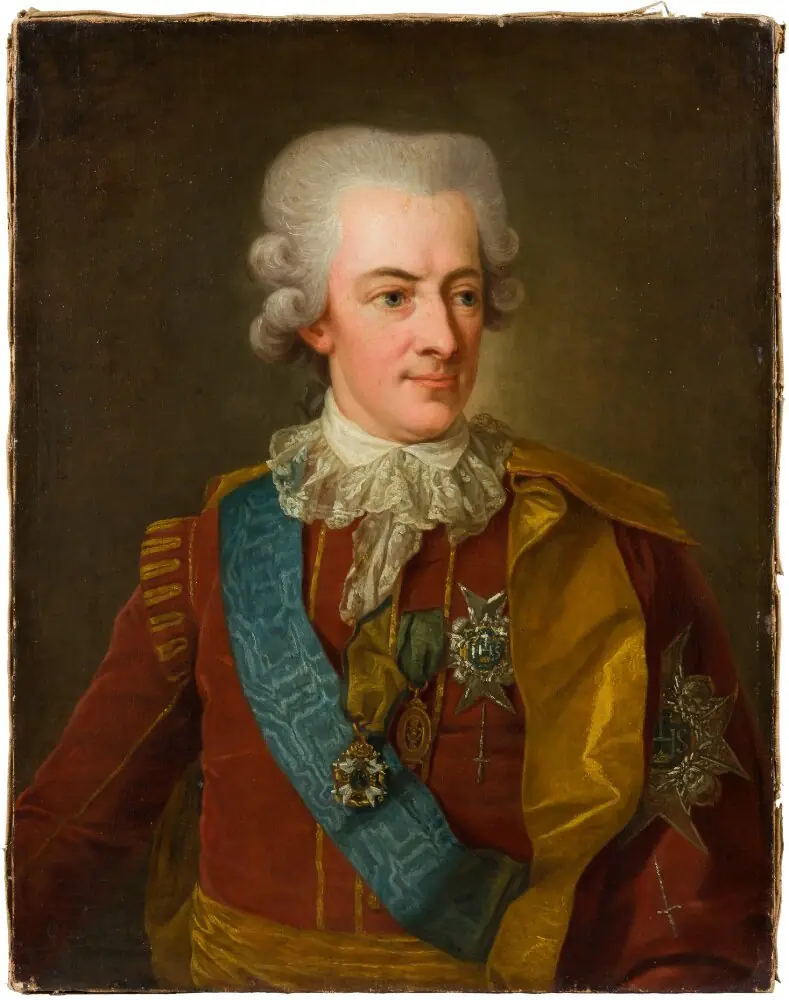
Gustav III as Crown Prince is an unspecified painting by Johan Georg Henrichsen. It is held in the collection of the Nationalmuseum. This small portrait, executed in vitreous enamel on metal, portrays Gustav III of Sweden during his time as crown prince.
About this work
Overview
This small portrait, executed in vitreous enamel on metal, portrays Gustav III of Sweden during his time as crown prince. Created in 1800 by Johan Georg Henrichsen, it belongs to the collection of the Nationalmuseum in Stockholm. The medium’s durability and fine detail make it suitable for intimate portraiture, reflecting the prestige of its subject despite its modest scale.
Subject & Meaning
Gustav III, shown in his youth, wears the formal attire of a European monarch-in-waiting: a red jacket, blue vest, and white lace collar. His white hair and composed expression convey dignity and maturity, aligning with the image of enlightened royalty. The subtle smile suggests quiet confidence, reinforcing his role as a ruler shaping Sweden’s cultural identity during a transformative era.
Technique & Style
Precision in rendering textures—lace, fabric, hair—demonstrates mastery of the medium, with lighting subtly modeled to suggest volume without overt chiaroscuro.
Henrichsen employed vitreous enamel, a technique involving fused glass pigments fired onto metal, to achieve fine detail in a miniature format. The background transitions subtly from dark to lighter tones, enhancing the subject’s presence. Precision in rendering textures—lace, fabric, hair—demonstrates mastery of the medium, with lighting subtly modeled to suggest volume without overt chiaroscuro.
History & Provenance
Commissioned after Gustav III’s death, the portrait was likely intended to honor his legacy rather than capture his likeness during life. Created in 1800, it entered the Nationalmuseum’s collection as part of Sweden’s effort to preserve the visual record of its monarchy. Its survival reflects the enduring cultural value placed on royal imagery in the early 19th century.
Context
The portrait emerged during a period when Sweden was consolidating its national identity following Gustav III’s reforms and assassination in 1792. Enamel miniatures were popular among European elites for their portability and permanence. This work aligns with broader trends in royal commemoration, where intimate portraits served as symbols of continuity and legitimacy.
Legacy
As one of the few surviving enamel portraits of Gustav III, it remains a key reference for understanding how Swedish royalty was visually represented in the post-revolutionary era. Its technical refinement and restrained elegance influenced later portraitists working in small-scale media, preserving a quiet but enduring presence in Sweden’s artistic heritage.
Artist & collection

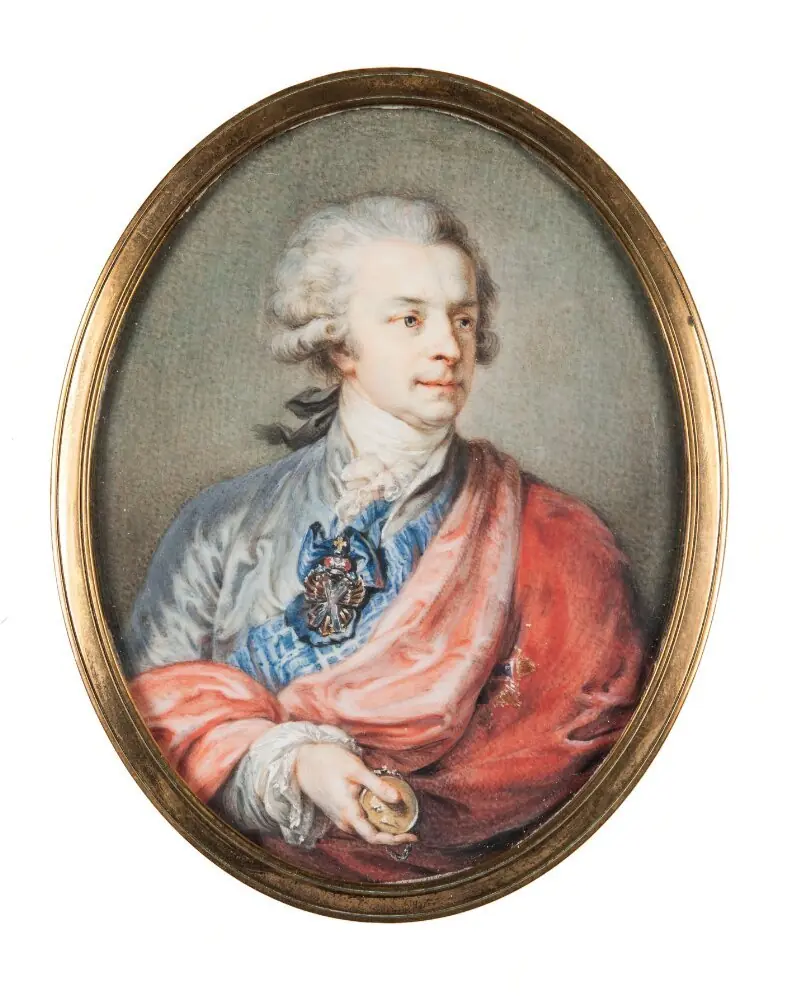 Portrait of Count Michael George Mniszech, Grand Marshall of the Crown
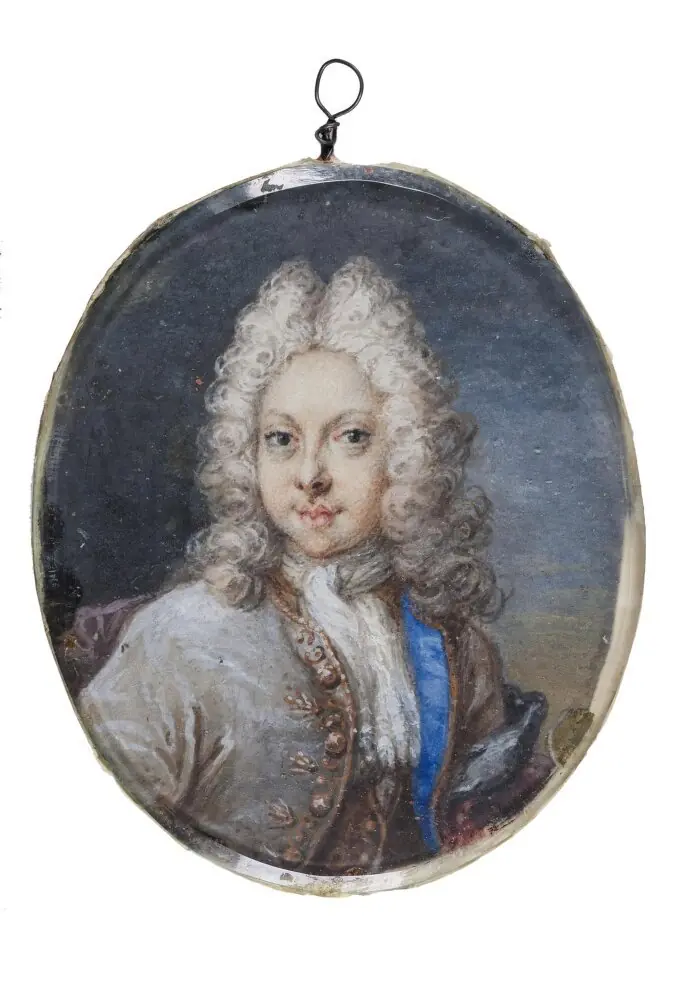 Karl Fredrik, Duke of Holstein-Gottorp
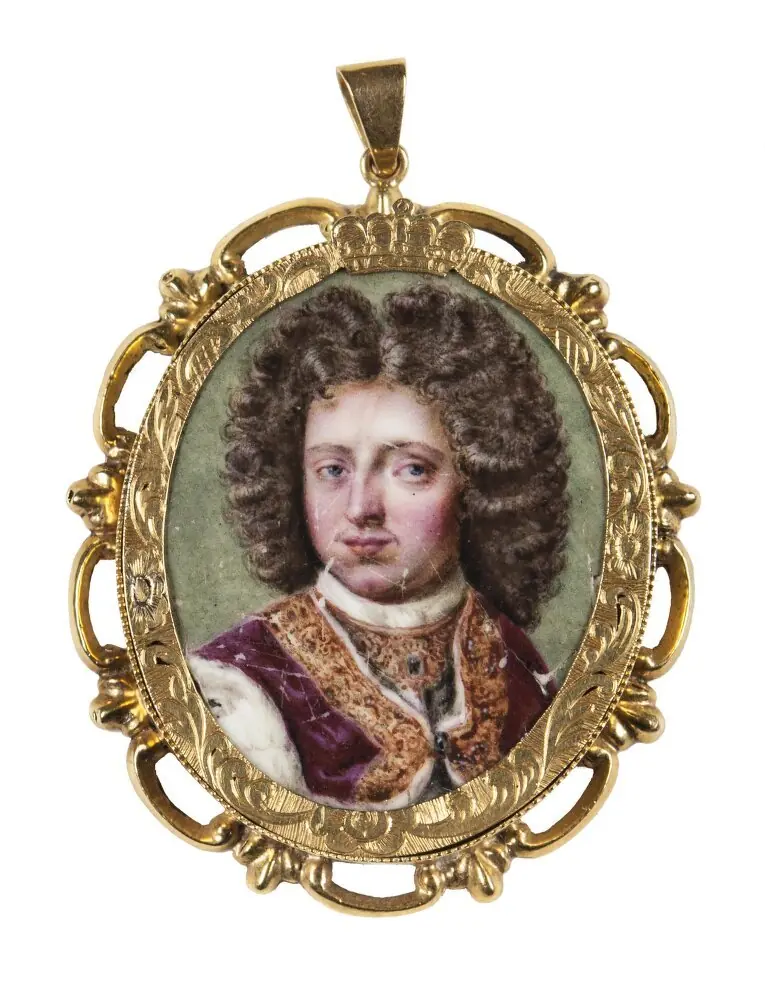 Karl X Gustaf, King of Sweden
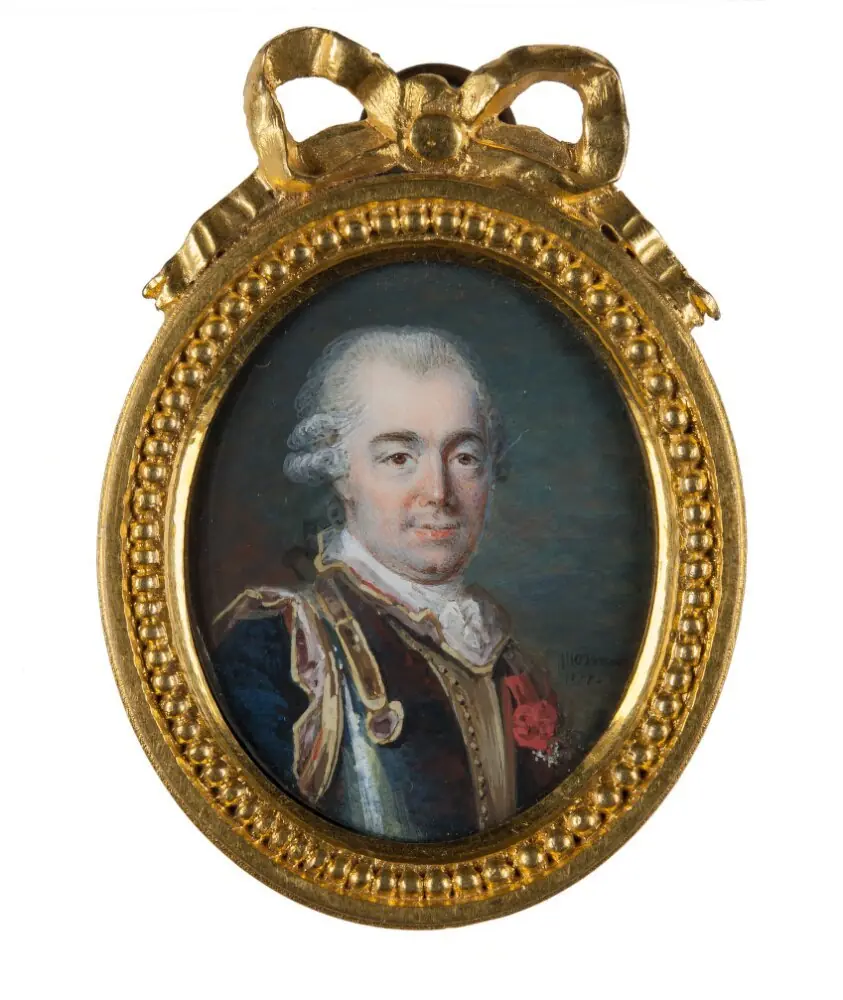 An Unknown French Officer
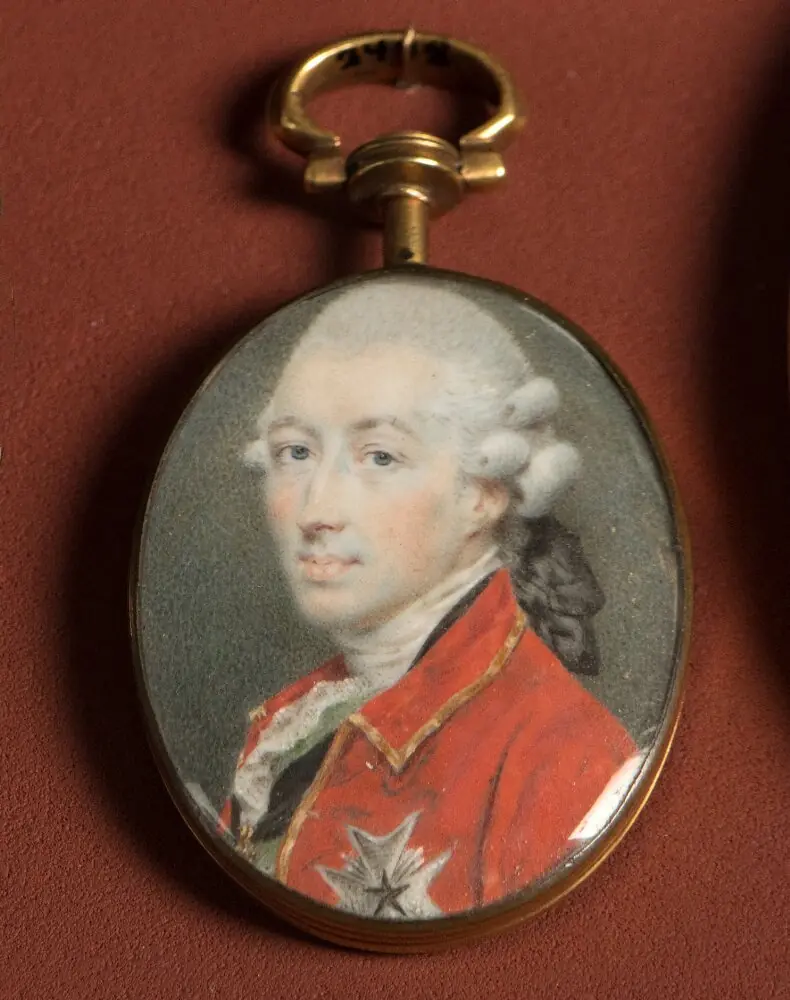 Baron Gustaf Adam von Nolcken
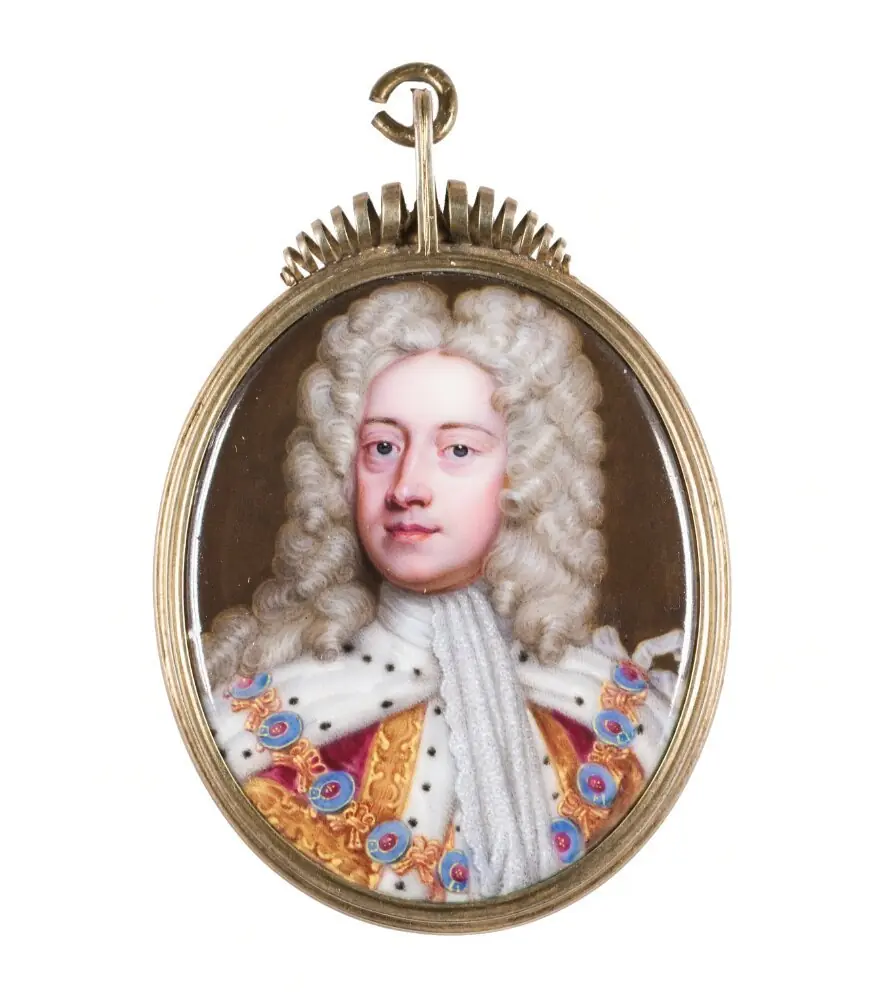 Georg II, King of England and Scotland
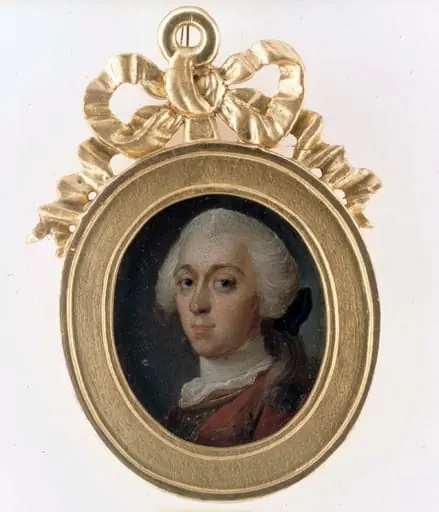 Valtaneuvos Clas Ekeblad
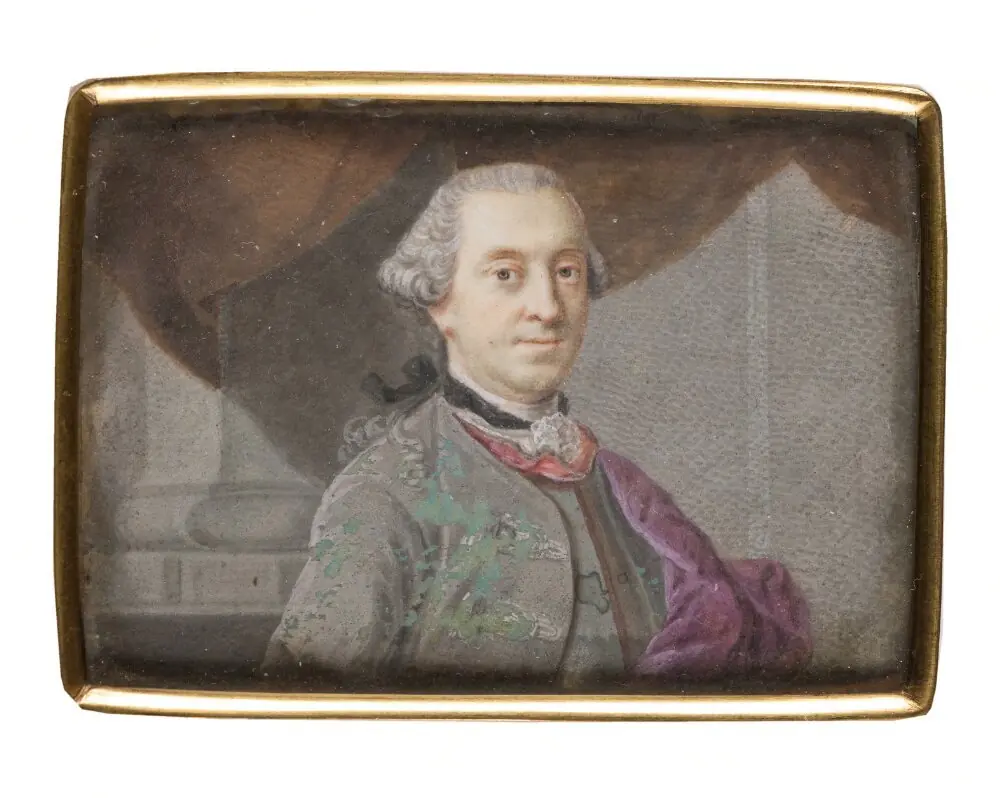 Fredrik Bennet, Baron, governor
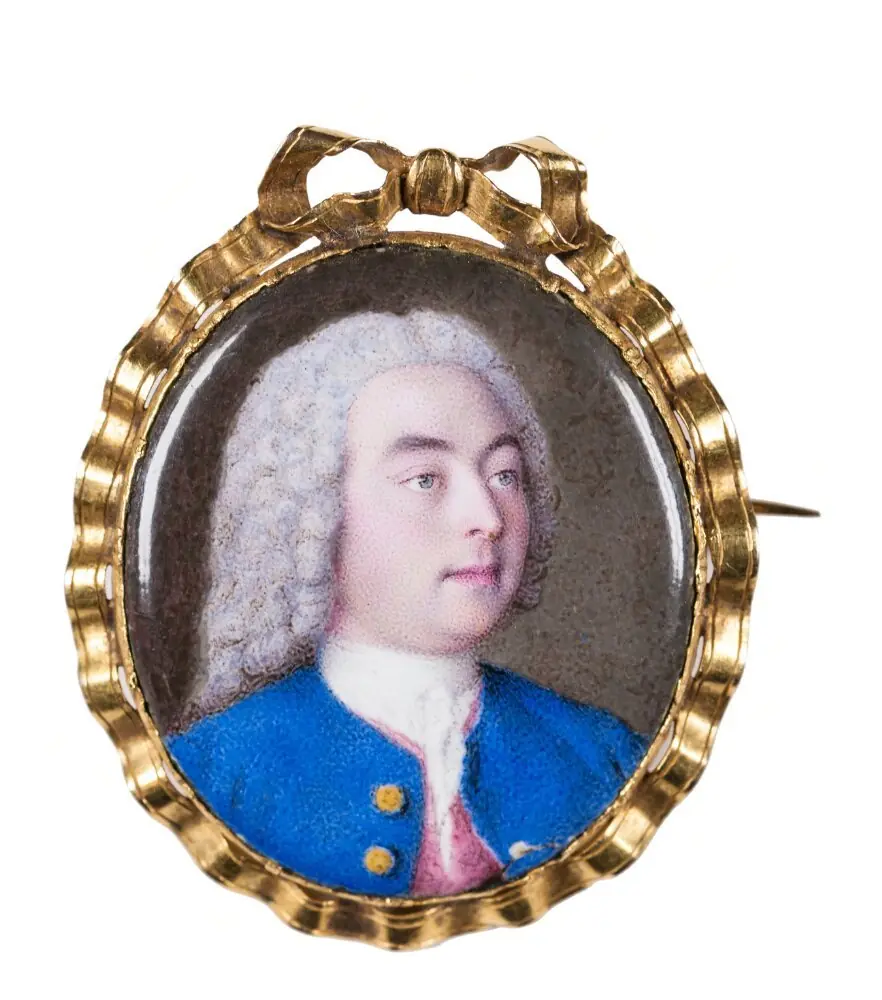 Carl Fredrik von Höpken, envoy, President of the Treasury Board for the Rating of Government Property
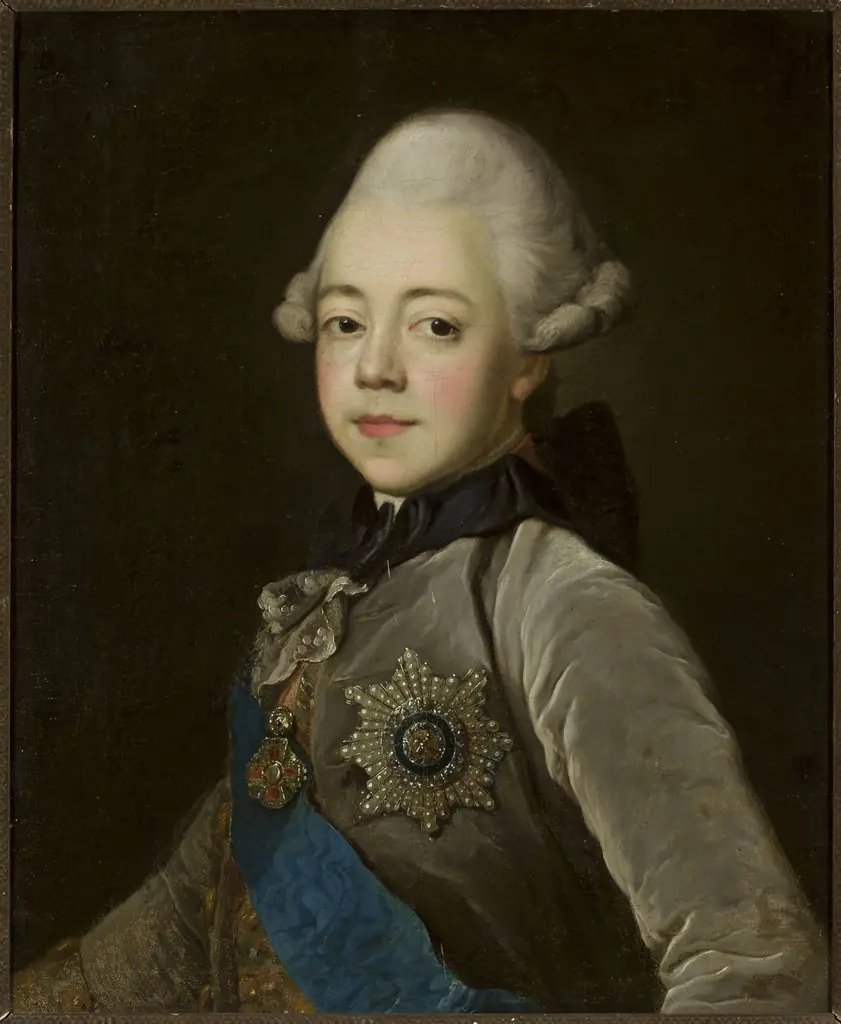 Childhood portrait of Paul I
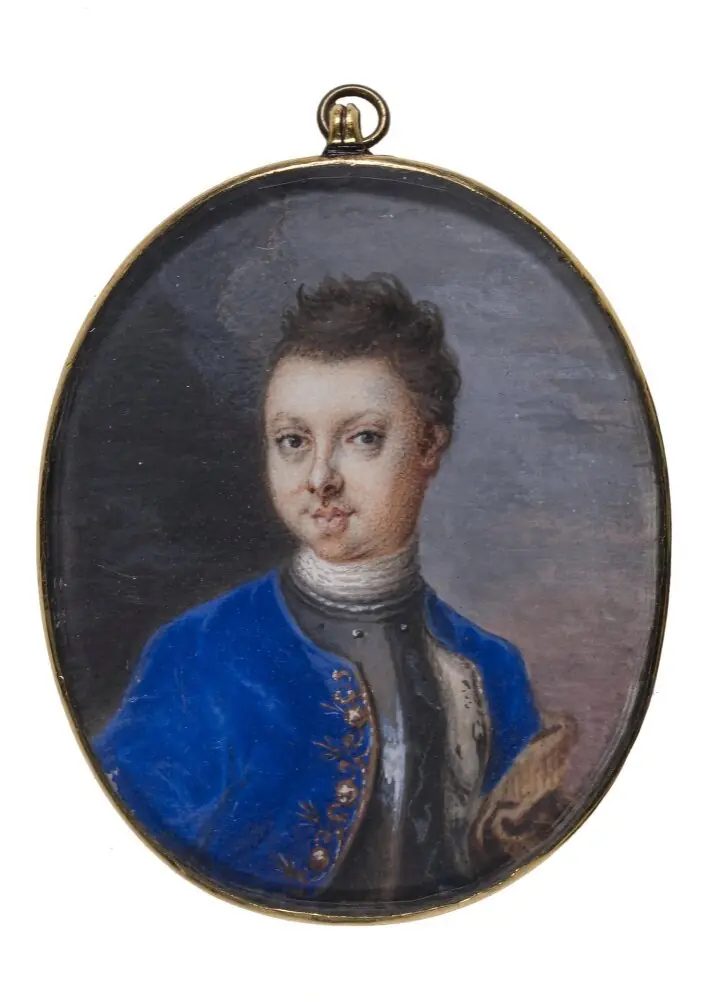 Karl Fredrik, Duke of Holstein-Gottorp
 Gustav III (1746–1792), King of Sweden