Artwork
Tatila Civium
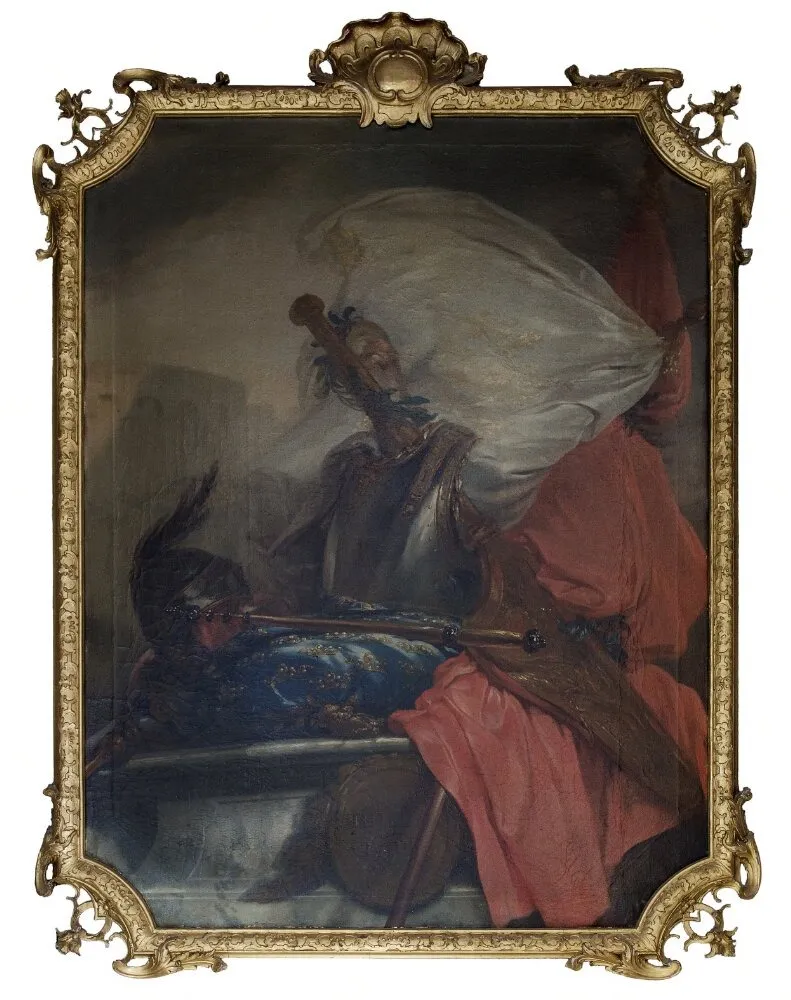
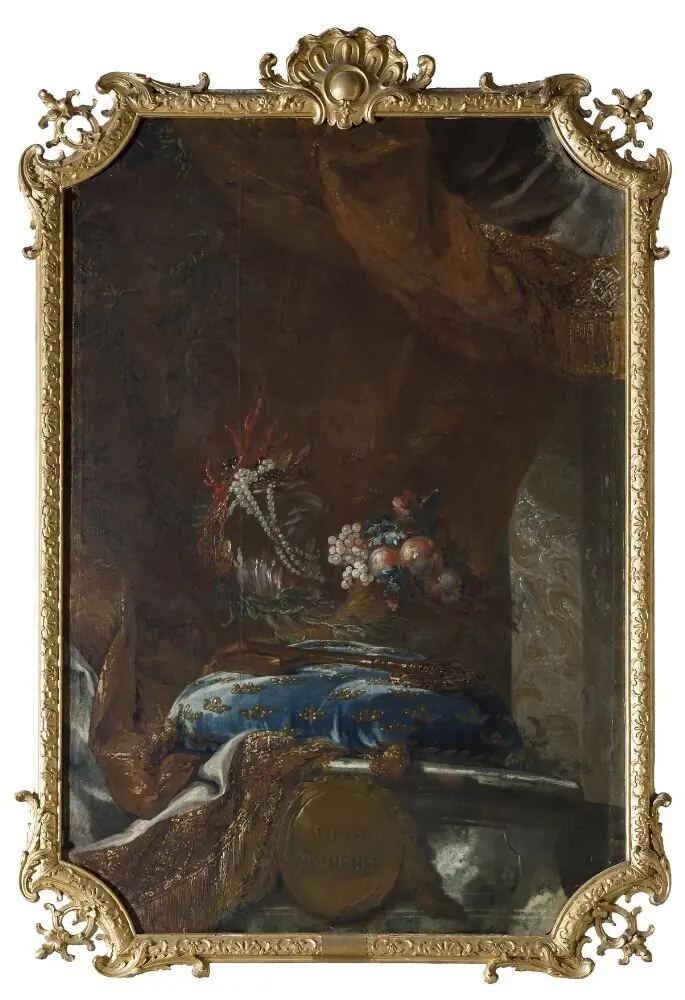
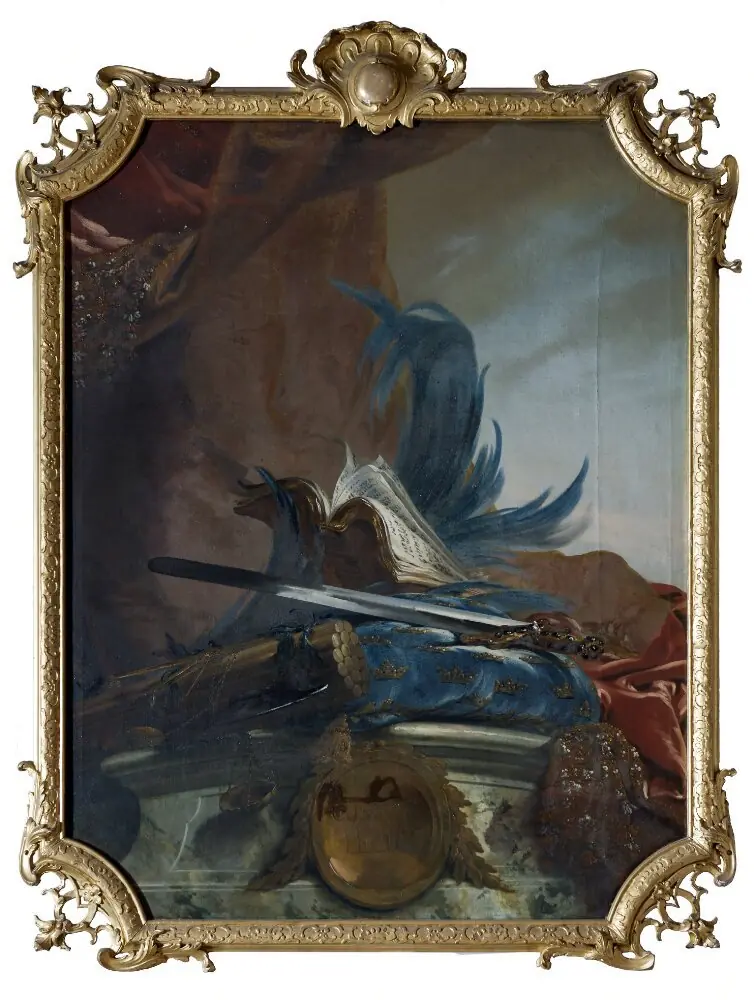
Tatila Civium is an oil painting by Johan Pasch. It dates from 1747 and is held in the collection of the Nationalmuseum.
About this work
Overview
Created circa 1747, *Tatila Civium* is an oil painting by Swedish artist Johan Pasch. The work is part of the Nationalmuseum’s holdings in Stockholm, where it is displayed among a broad range of European paintings. Pasch, active in the mid‑18th century, is known for both decorative painting and etching, and came from a family that included the architect Carl Pasch.
Subject & Meaning
The composition centers on a seated male figure dressed in a red cloak and a white hat, his right hand gripping a sword. He rests upon a chair with a blue cushion edged in gold embroidery, suggesting a status of nobility or military rank. The portrait’s solemn pose and attire convey a sense of authority and ceremonial presence.
Technique & Style
Pasch employs a Baroque sensibility, using strong chiaroscuro to model the figure against a darker background. The contrast of light and shadow enhances the three‑dimensionality of the cloak and sword, while vivid reds and blues provide visual intensity. The brushwork is smooth, allowing the oil medium to render fine details in fabric and metal.
History & Provenance
The painting entered the Nationalmuseum’s collection, where it remains accessible to the public. Its provenance traces back to Pasch’s own workshop in Stockholm, reflecting the artist’s role within Sweden’s 18th‑century decorative arts scene. The work’s presence in the museum situates it among other Swedish and European artworks from the same period.
Artist & collection
Artist
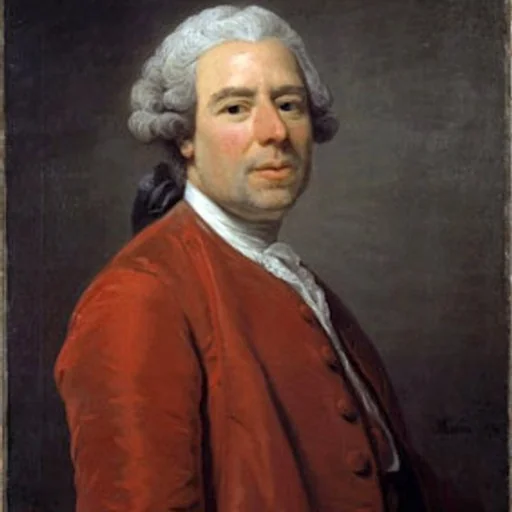
Johan Pasch (12 March 1706, Stockholm - 16 January 1769, Stockholm) was a Swedish painter, etcher and decorative artist.

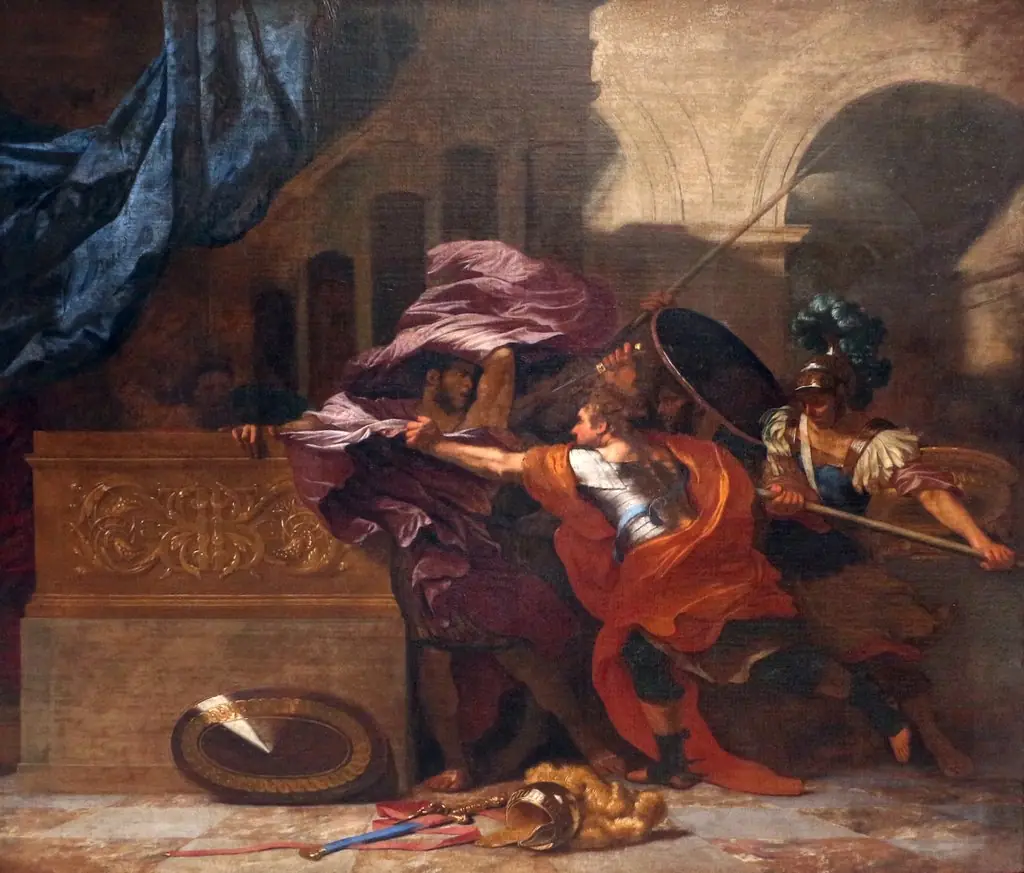 Death of Pyrrhus
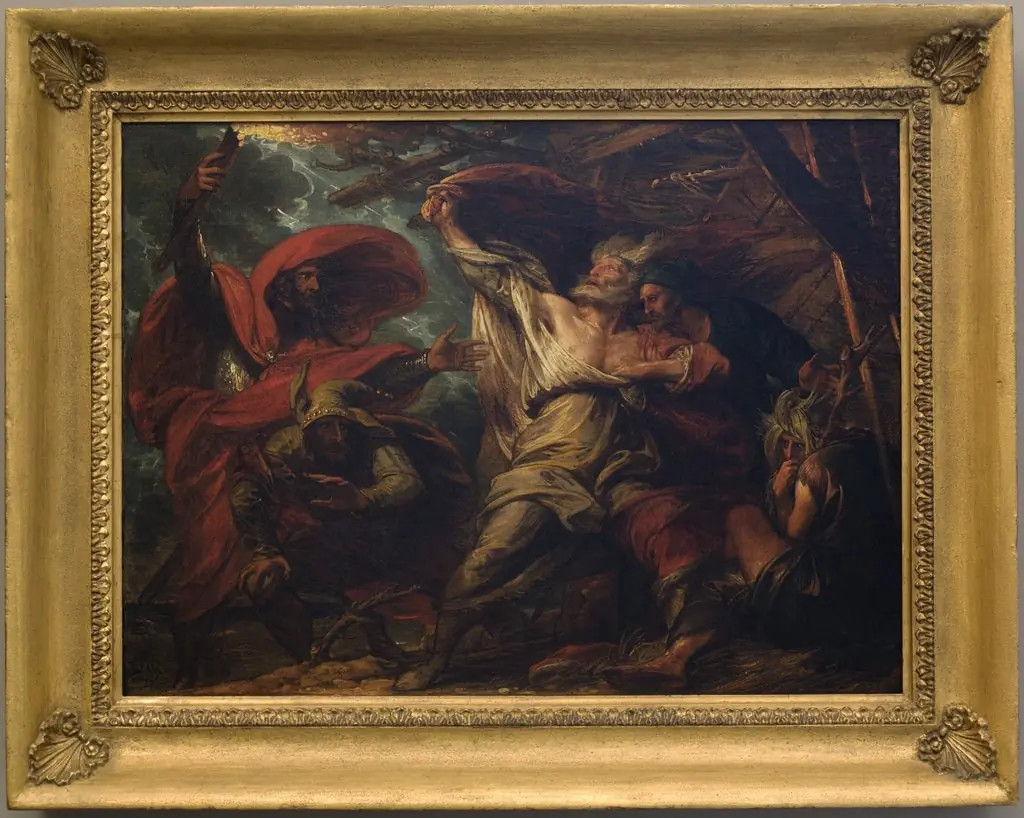 King Lear
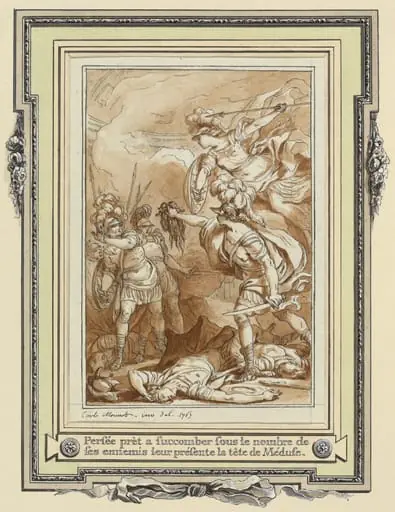 Perseus Turning Phinneas to Stone with the Head of Medusa
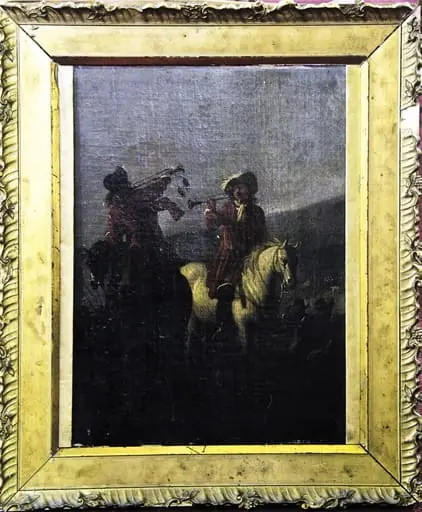 Scenă de luptă
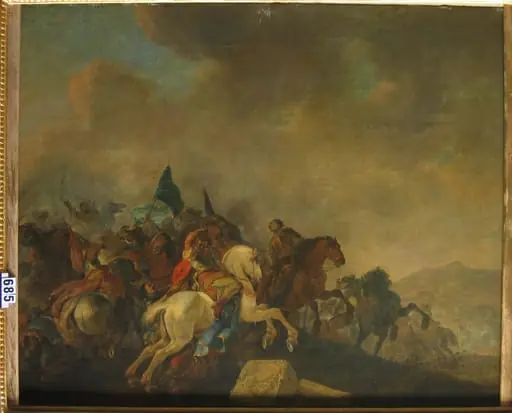 Luptă de cavalerie lângă pietre antice (în Reg. Inv.: Luptă de cavalerie între pietre antice) (pandant: Luptă lângă o cetate, în Reg. Inv: Atac dintr-o cetate)
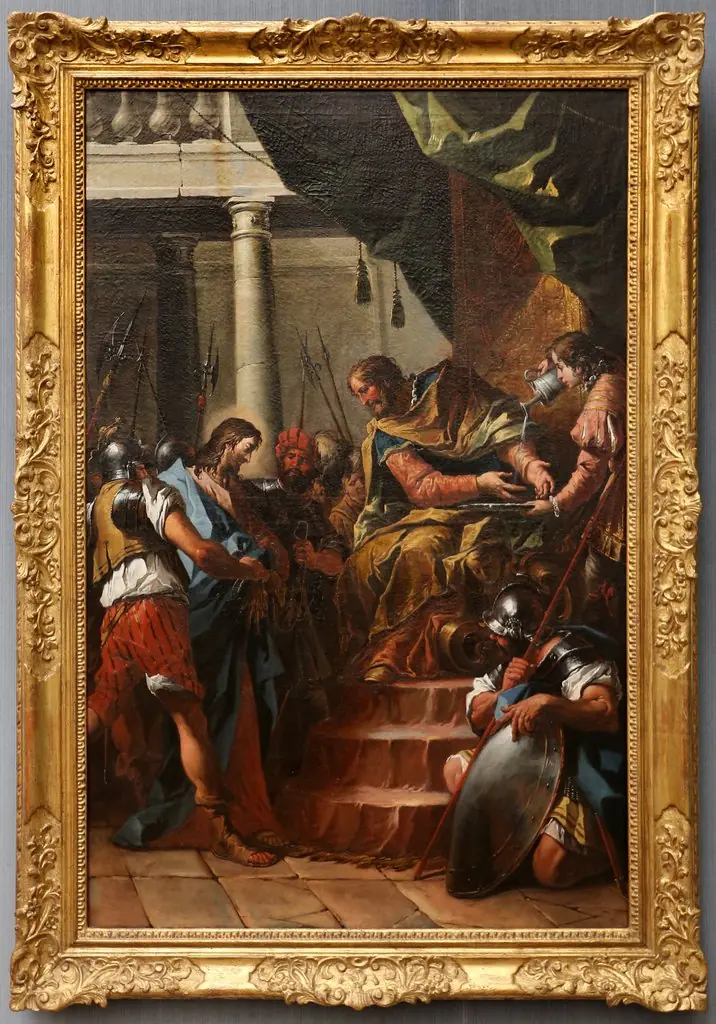 Christus vor Pilatus
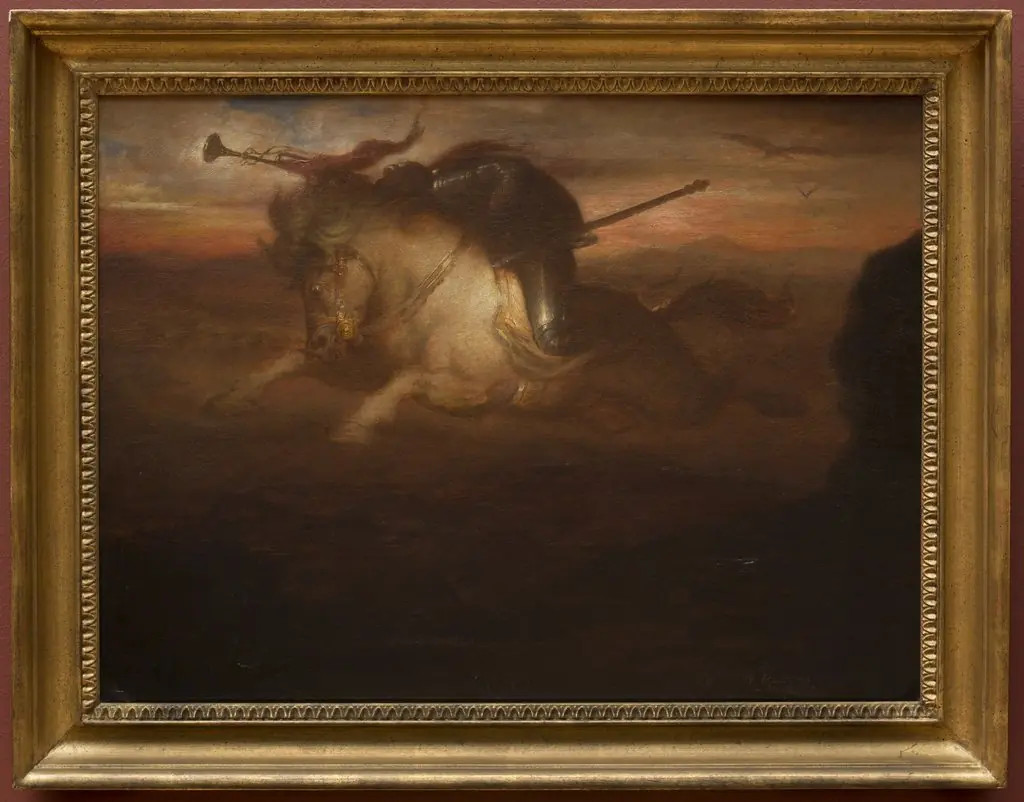 Victory
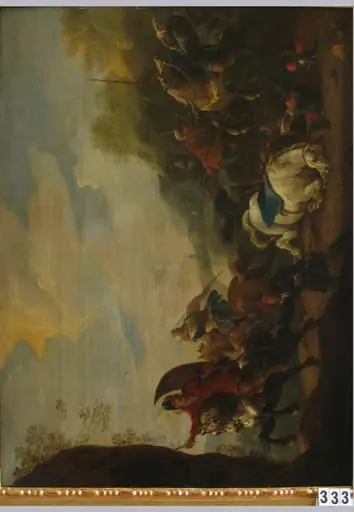 Luptă în defileu
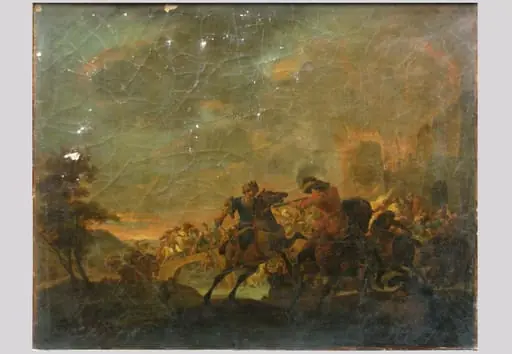 Luptă lângă o cetate (în Reg. Inv.: Atac dintr-o cetate) (pandant: Luptă de cavalerie lângă pietre antice, în Reg. Inv.: Luptă de cavalerie între pietre antice)