Artwork
Oedipus und Minerva mit der Sphinx
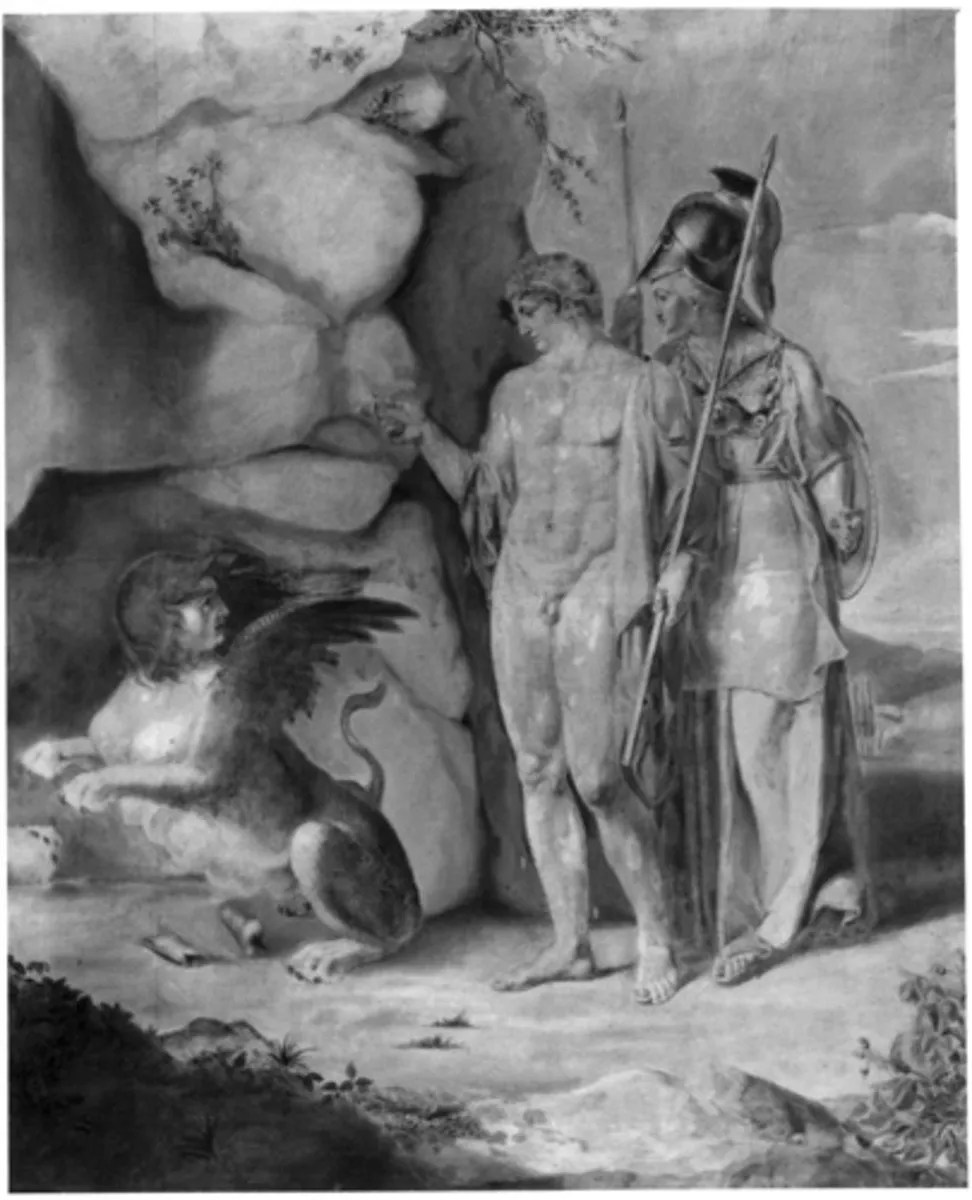
Oedipus und Minerva mit der Sphinx is an unspecified painting by the Neoclassicist artist Johann Heinrich Meyer. It dates from 1796 and is held in the collection of the Kunsthaus Zürich.
About this work
Overview
The painting resides in the Kunsthaus Zürich, where it remains a quiet example of academic engagement with classical themes.
Painted in 1796 by Swiss artist Johann Heinrich Meyer, this work belongs to the neoclassical tradition and reflects the intellectual currents of late 18th-century Europe. Meyer, known for his role at the Weimar drawing school and his association with Goethe, rendered a mythological scene that blends narrative with symbolic inquiry. The painting resides in the Kunsthaus Zürich, where it remains a quiet example of academic engagement with classical themes.
Subject & Meaning
The scene presents Oedipus, depicted nude, and Minerva, armored and holding a spear, confronting the Sphinx. Their presence suggests a dialogue between human intellect and divine guidance in overcoming fate. The Sphinx, a winged, serpentine creature, embodies an enigmatic challenge—perhaps the riddle of human existence. The composition implies that wisdom, not force, is the path to resolution, aligning with Enlightenment ideals of reason triumphing over primal mystery.
Technique & Style
Meyer employs a restrained neoclassical style, emphasizing clear contours and balanced composition. Figures are rendered with anatomical precision, their forms defined against a sparse, rocky landscape and muted sky. While chiaroscuro is subtly used to model volume, the palette remains cool and harmonious, avoiding dramatic contrasts. The treatment of texture—skin, metal, and scales—demonstrates academic training, prioritizing clarity over emotional intensity.
History & Provenance
Created during Meyer’s tenure at the Weimar drawing school, the painting reflects his dual role as educator and practitioner. It entered the Kunsthaus Zürich collection in the 19th century, likely through Swiss cultural networks tied to German-speaking intellectual circles. No significant alterations or restorations are documented, and its provenance remains stable, preserving its original condition and intent.
Context
In the wake of the French Revolution and amid growing interest in classical antiquity, Meyer’s work engaged with myth as a vehicle for moral and philosophical reflection. His association with Goethe placed him within a circle that valued myth not as ornament, but as a framework for understanding human reason and destiny. The painting aligns with broader European efforts to revive classical ideals as a response to political upheaval.
Legacy
Though not widely exhibited beyond regional collections, the painting exemplifies the scholarly approach to myth in late neoclassicism. Meyer’s integration of historical narrative with allegorical depth influenced pedagogical practices at Weimar and contributed to the visual language of academic art in German-speaking regions. It remains a testament to the era’s belief in art as a medium for intellectual inquiry.
Artist & collection

Artist
Johann Heinrich Meyer (16 March 1760 – 11 October 1832) was a Swiss painter, engraver and art critic.

 Oedipus (Oedipe)
 Das Urteil des Midas
 Schindung des Marsyas (?)
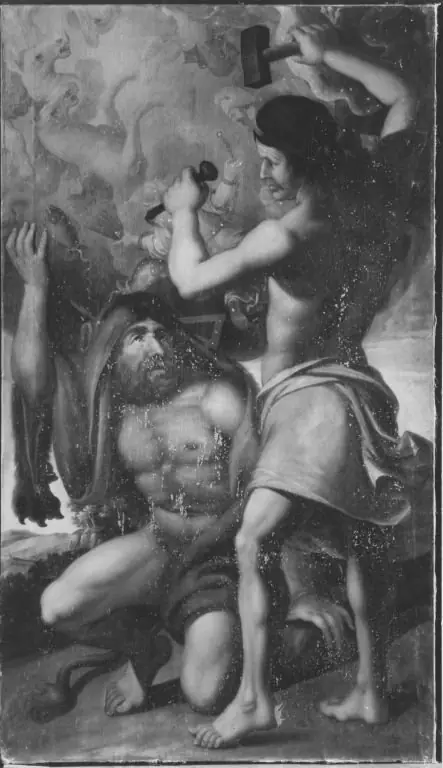 Atlas
Atlas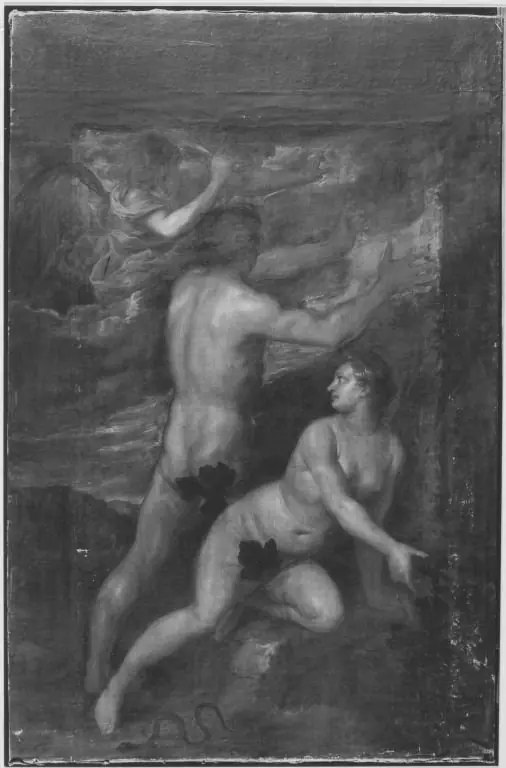 Austreibung aus dem Paradies (?)
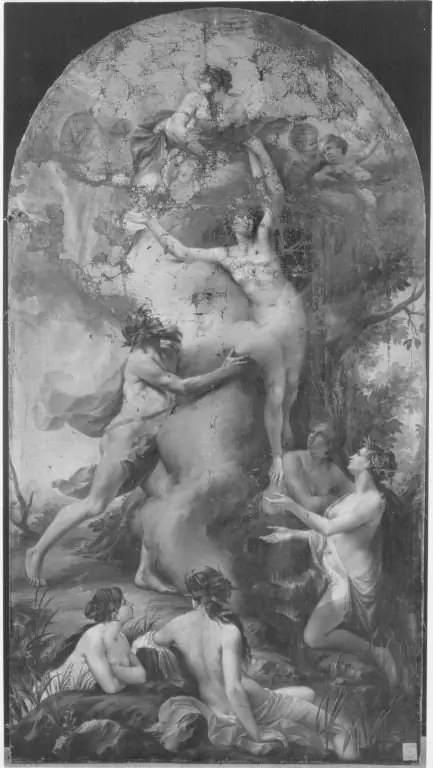 Alpheus und Arethusa
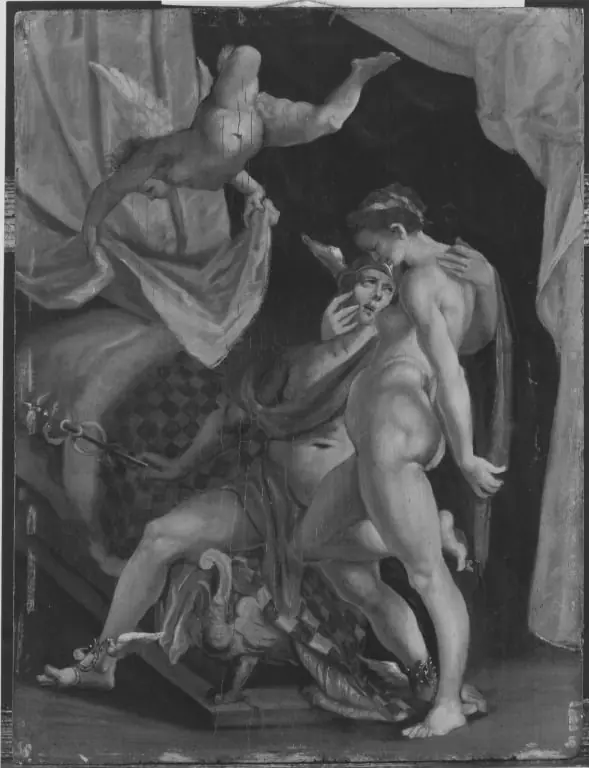 Merkur und Venus (Kopie nach)
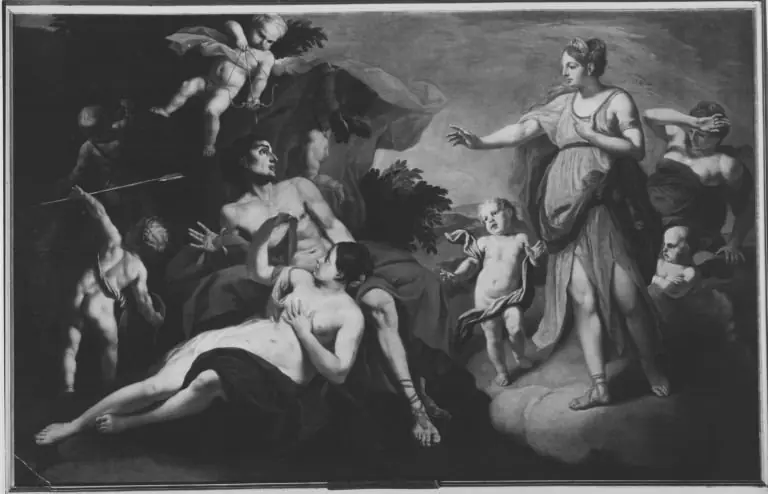 Fehltritt der Kallisto
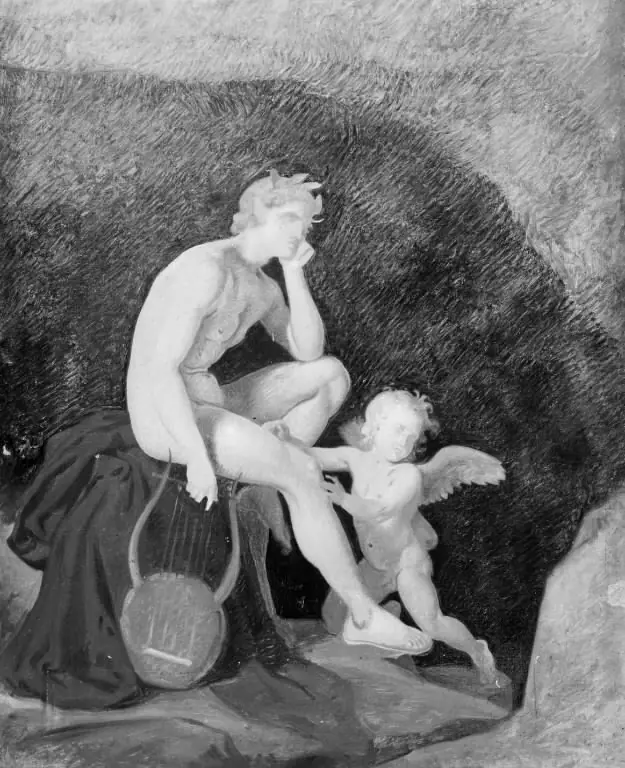 Orfeus opstegen fra Tartaros
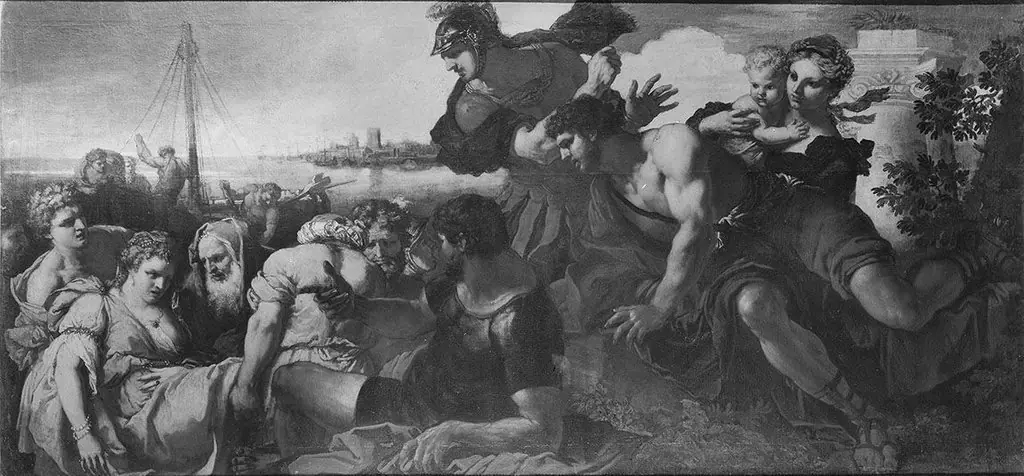 The Rescue of Agrippina, Mother of Nero
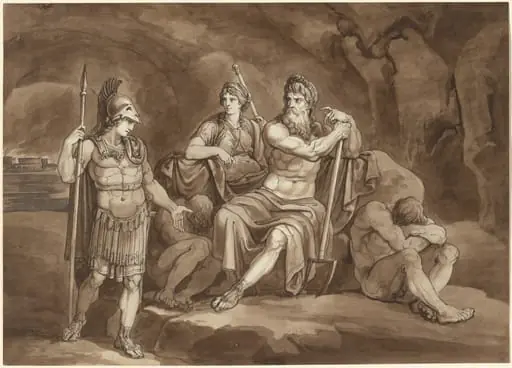 Telemachus Requests Permission from Pluto to Seek His Father in the Underworld
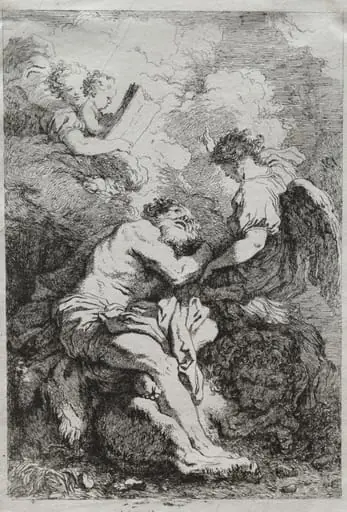 Saint Jerome