Artwork
James Heath
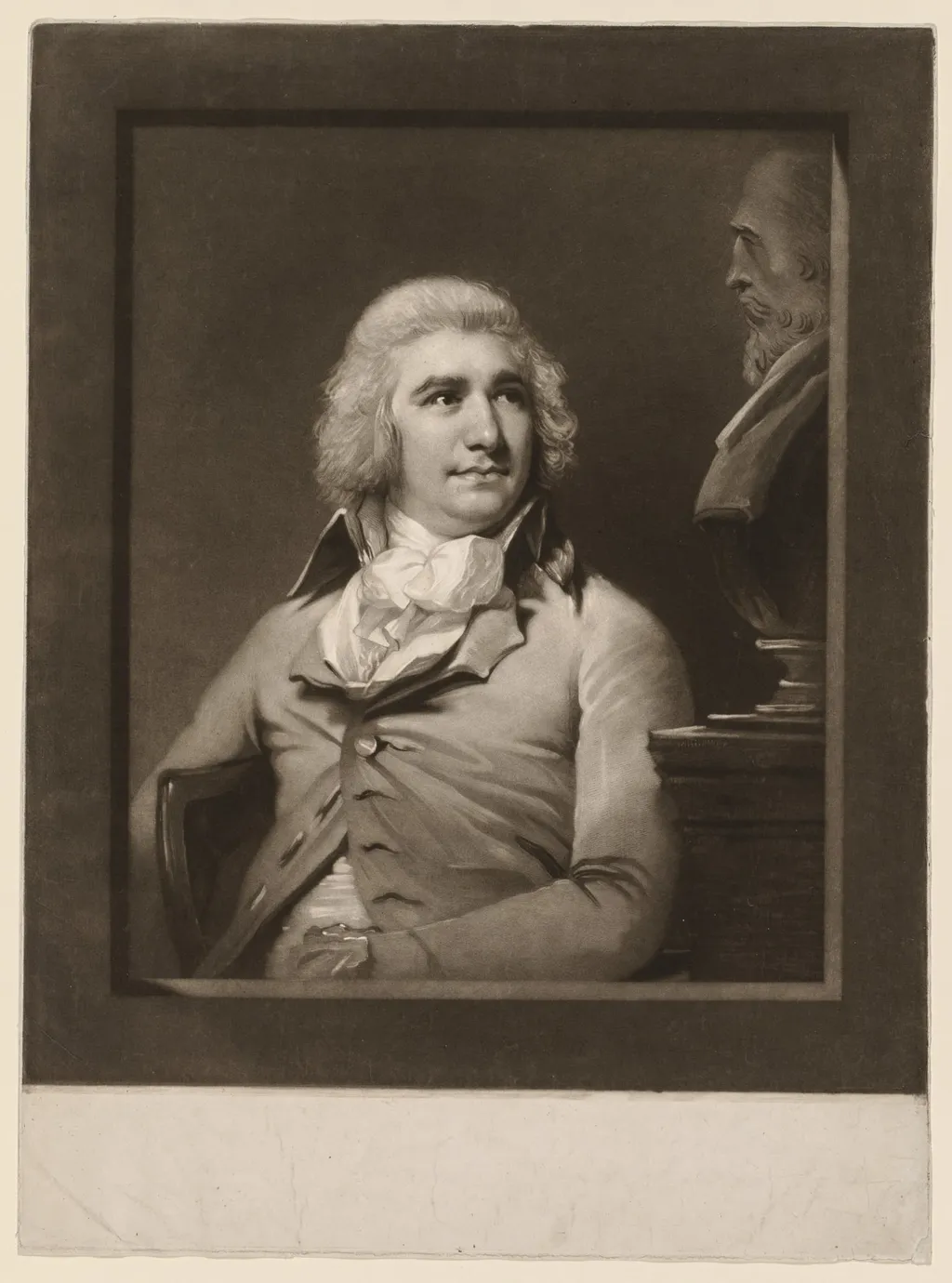
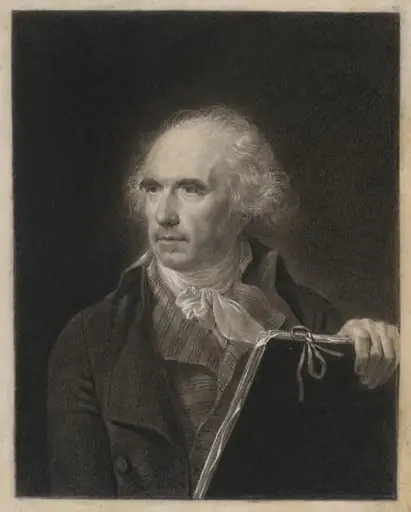
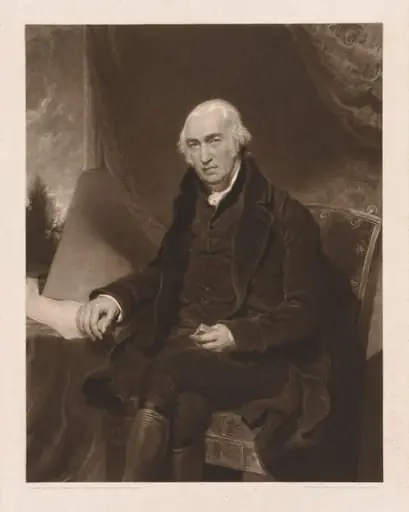
James Heath is a print by the Romanticist artist John Raphael Smith. It dates from 1796 and is held in the collection of the Cleveland Museum of Art.
About this work
Overview
The work is part of the Cleveland Museum of Art’s collection and reflects the era’s emphasis on portraiture as a medium for social and professional identity.
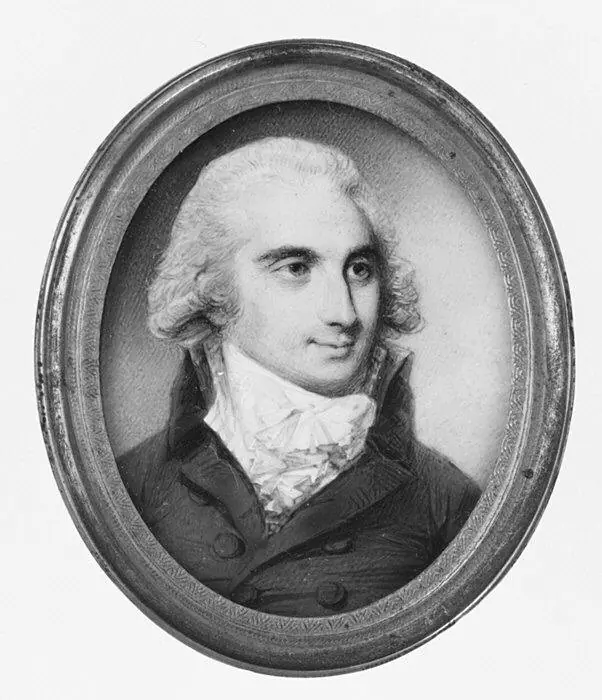
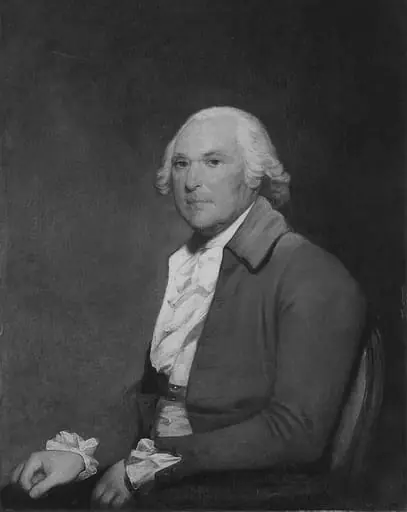
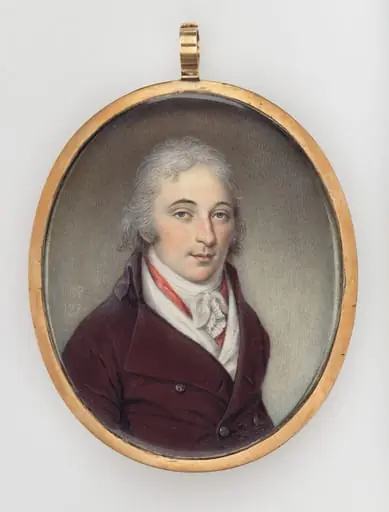
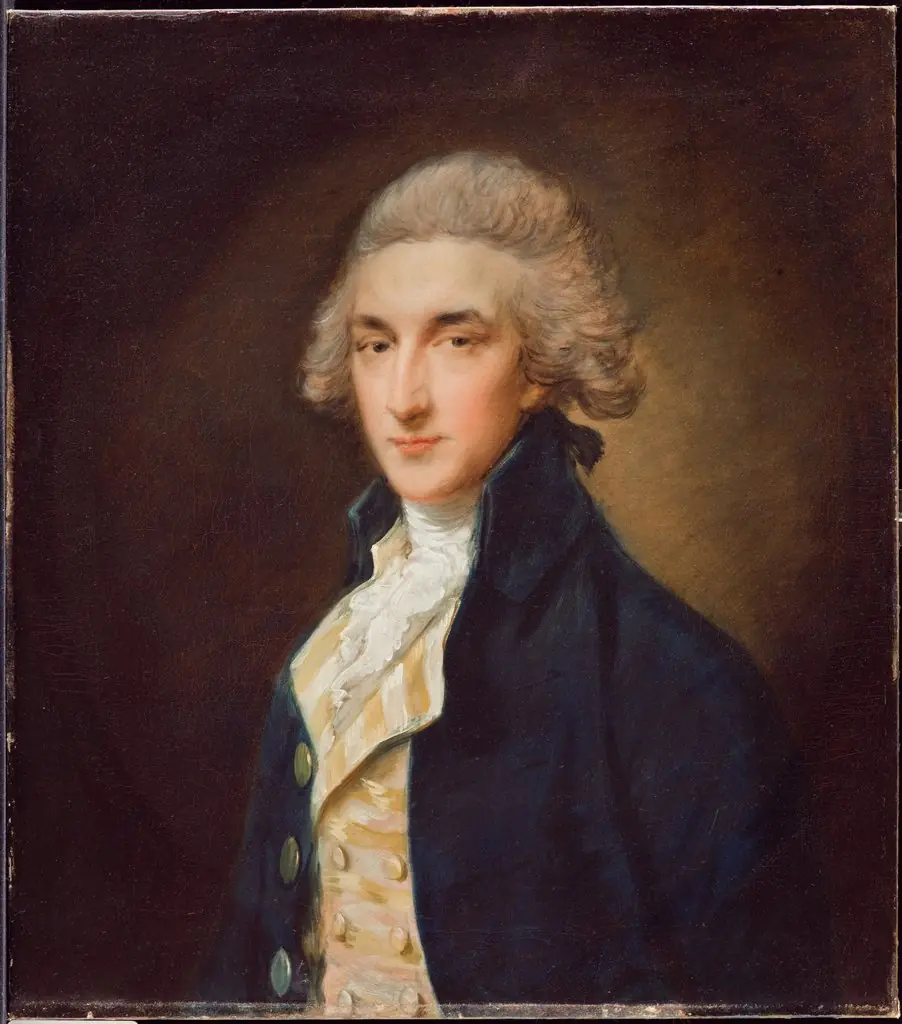
John Raphael Smith produced this 1796 mezzotint portrait of James Heath, a British printmaker and publisher. Smith, known for his technical skill in mezzotint, captured Heath with precision and nuance. The work is part of the Cleveland Museum of Art’s collection and reflects the era’s emphasis on portraiture as a medium for social and professional identity. Mezzotint’s tonal range allowed Smith to render subtle gradations of light and texture.
Subject & Meaning
James Heath was a prominent figure in London’s print trade, known for publishing engravings after major artists. The portrait presents him in formal attire, suggesting his status and refinement. The bust behind him, likely a classical or literary figure, signals intellectual aspiration and cultural patronage. His poised posture and refined garments convey dignity, aligning the sitter with Enlightenment ideals of erudition and taste.
Technique & Style
Smith employed mezzotint, a labor-intensive process that creates rich tonal transitions by roughening a metal plate. The portrait uses chiaroscuro to model Heath’s face with soft light, isolating it against a deep background. The ruffled cravat and powdered wig are rendered with fine dot work, while the bust behind gains depth through subtle shadowing. This technique emphasized texture and volume, hallmarks of late 18th-century British printmaking.
History & Provenance
The portrait was made during Smith’s peak years as a printmaker, when he was among the most sought-after engravers in Britain. It was likely commissioned by Heath or a colleague within the print-publishing circle. The work entered the Cleveland Museum of Art’s collection in the 20th century, where it remains as an example of the intersection between portraiture and print culture in Georgian England.
Context
In the 1790s, mezzotint was the preferred medium for reproducing portraits due to its ability to mimic the softness of oil paintings. Heath’s profession as a publisher placed him within a network of artists, collectors, and printers who shaped visual culture. Portraits like this served not only as likenesses but as markers of social standing, often circulated among elite circles to affirm professional reputation.
Legacy
Smith’s portrait of Heath exemplifies the technical mastery and social function of mezzotint in late 18th-century Britain. While Heath himself is less remembered today, the print endures as evidence of the print trade’s role in disseminating cultural imagery. It stands as a quiet testament to the collaborative nature of artistic production during a period when prints were central to public visual experience.
Artist & collection
Artist
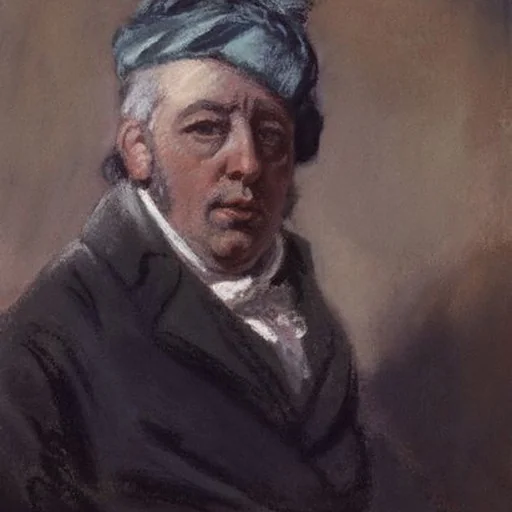
John Raphael Smith (25 May 1751 – 2 March 1812) was a British painter and mezzotinter. He was the son of the landscape painter Thomas Smith and the father of John Rubens Smith, a painter who emigrated to the United States.