Artwork
The Death of Viriatus, Chief of the Lusitanians
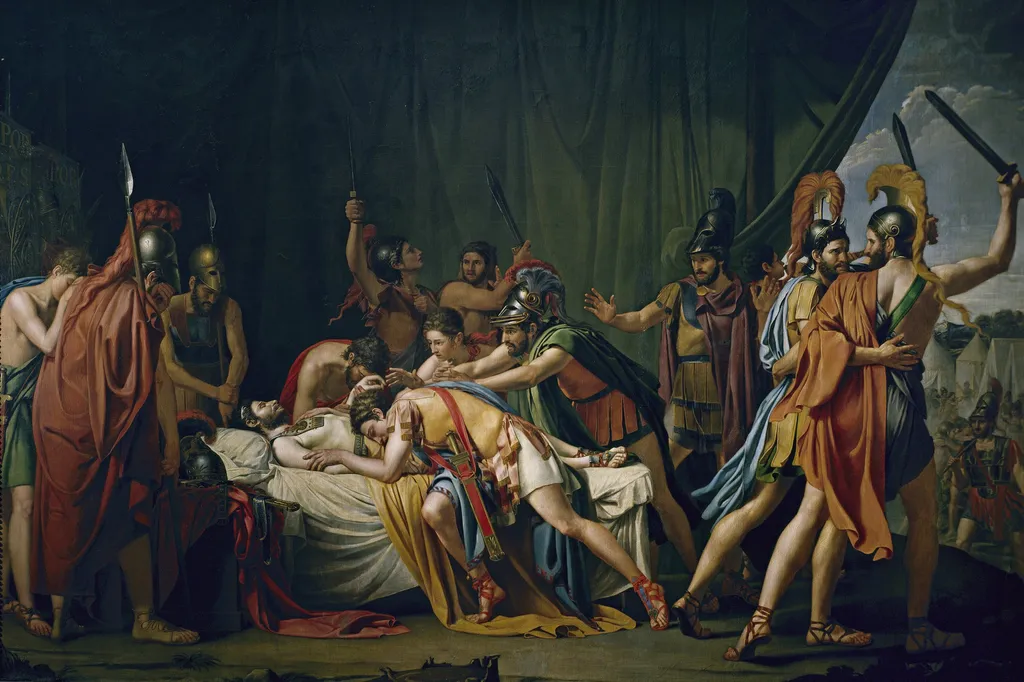
The Death of Viriatus, Chief of the Lusitanians is an oil painting by José de Madrazo y Agudo. It dates from 1807 and is held in the collection of the Museo del Prado.
About this work
Overview
Created in 1807 by José de Madrazo y Agudo, this oil painting portrays the final moments of Viriatus, the legendary Lusitanian chieftain. The composition centers on a tumultuous assembly of armored figures in a rocky landscape, their gestures frozen in the instant of conflict. Earthy pigments dominate, punctuated by vivid reds and golds that draw attention to the wounded leader and his captors.
Subject & Meaning
The work visualizes the historical episode of Viriatus’s death, a pivotal event in the resistance against Roman expansion in Iberia.
The work visualizes the historical episode of Viriatus’s death, a pivotal event in the resistance against Roman expansion in Iberia. By focusing on a kneeling figure clutching a fallen companion amid a chaotic melee, Madrazo underscores themes of betrayal, heroism, and the tragic cost of defiance. The inclusion of a distinctive combat helmet and sword serves as iconographic shorthand for the warrior’s identity.
Technique & Style
Madrazo employs a restrained Neoclassical vocabulary, emphasizing clear outlines and balanced composition while allowing dramatic chiaroscuro to model the figures. Light falls sharply on faces and armor, creating a sculptural illusion of depth, whereas darker shadows recede into the background. The palette of muted earth tones contrasted with bright accents reinforces the tension between order and violence inherent in the scene.
History & Provenance
After its completion, the painting entered the Spanish royal collection and eventually became part of the Museo del Prado’s holdings in Madrid. Madrazo’s reputation as a leading Neoclassicist of his era contributed to the work’s early visibility, and it later served as a reference point for his descendants, who formed a notable lineage of Spanish artists.
Context
Executed during the early 19th‑century surge of interest in classical antiquity, the piece reflects contemporary Spain’s fascination with national heroes and ancient models. The choice of Viriatus—a figure celebrated for his resistance—aligned with emerging Romantic nationalist sentiments, while Madrazo’s adherence to Neoclassical principles grounded the narrative in a timeless, idealized visual language.
Own this work as a print
Artist & collection
Artist
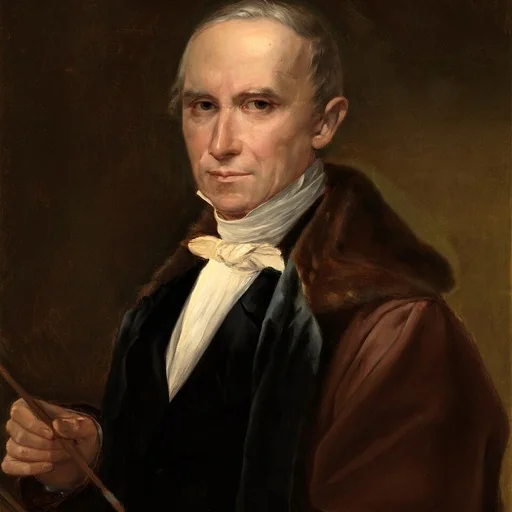
José de Madrazo y Agudo (22 April 1781 – 8 May 1859) was a Spanish painter and engraver; one of the primary exponents of the Neoclassical style in Spain.

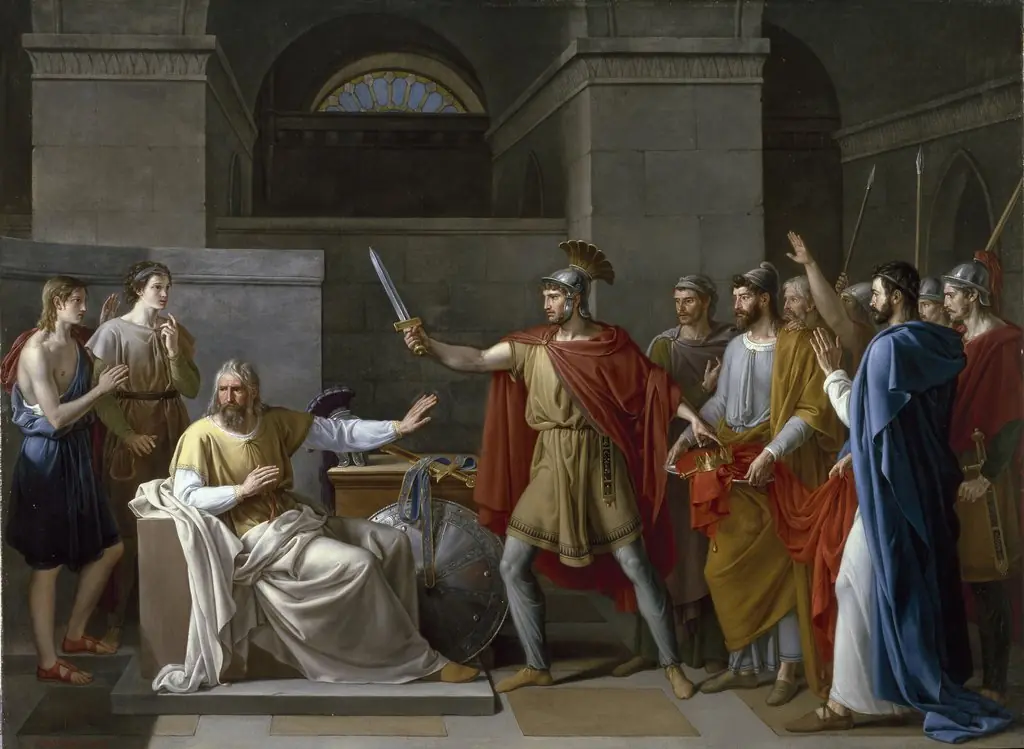 Wamba renouncing the Crown
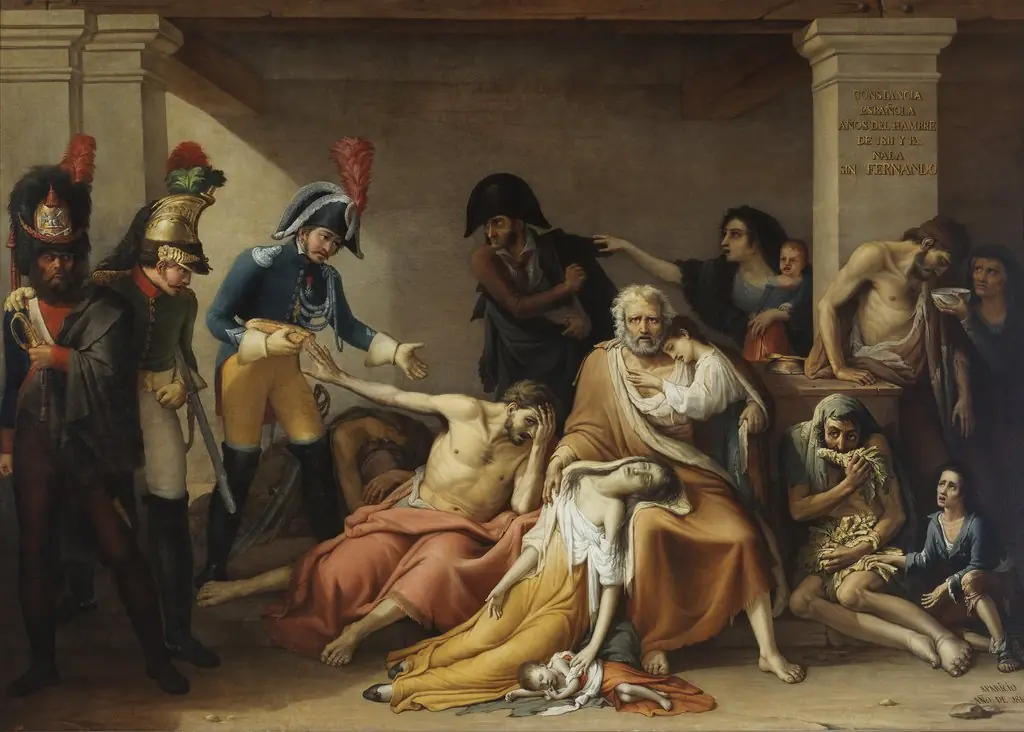 El año del hambre de Madrid
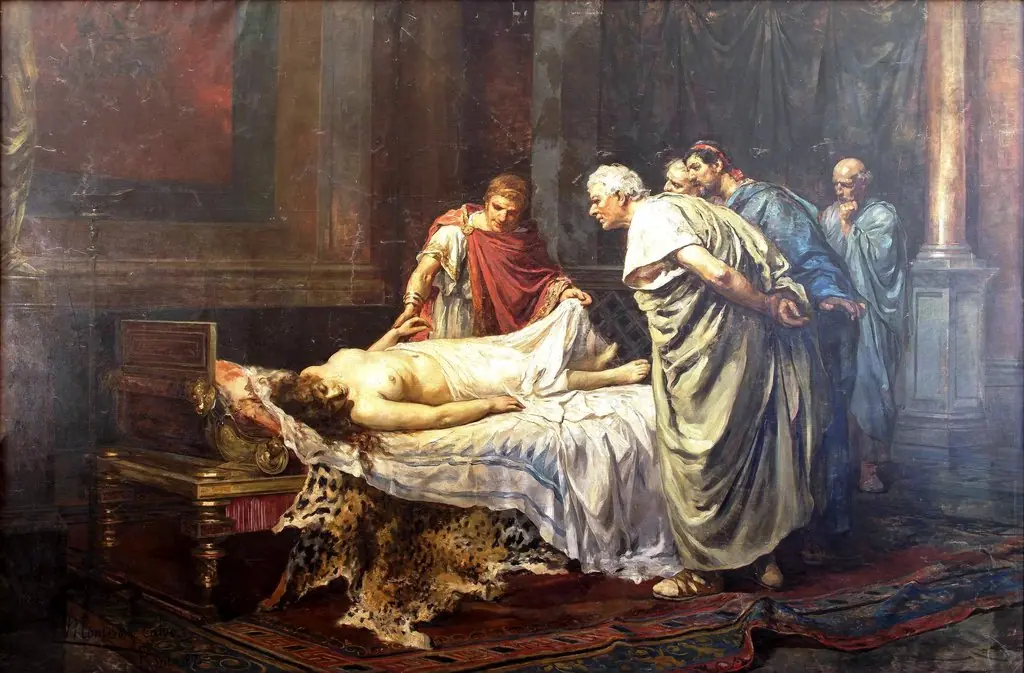 Nero before the corpse of his mother, Agrippina the Younger
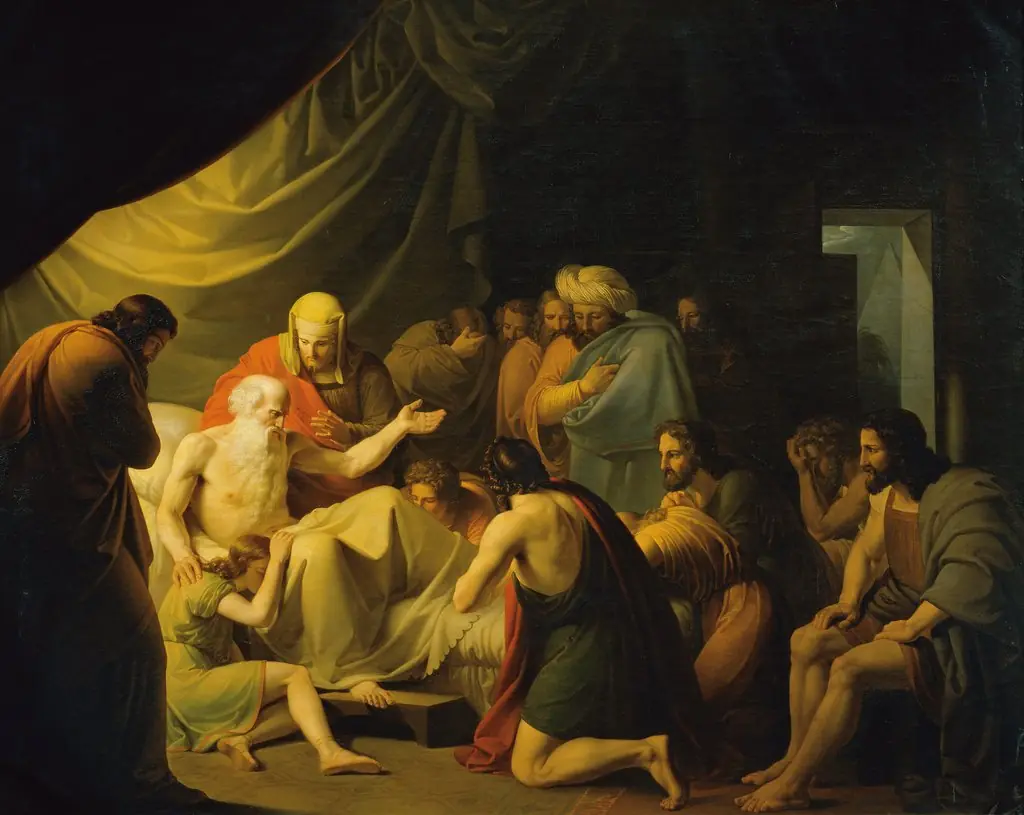 Jacob blesses the sons of Joseph
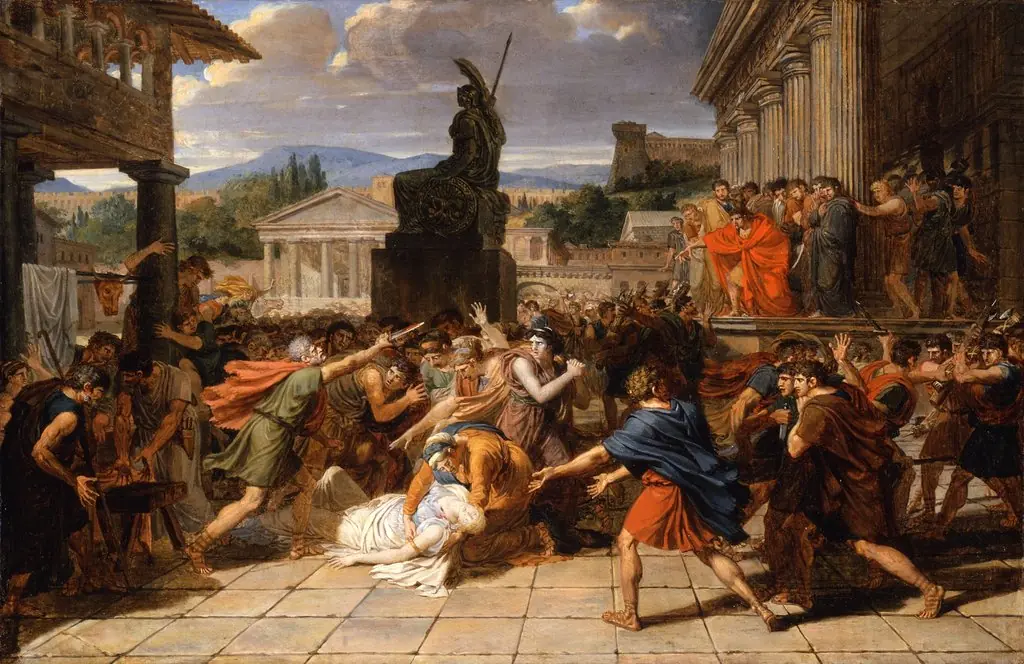 The Death of Virginia
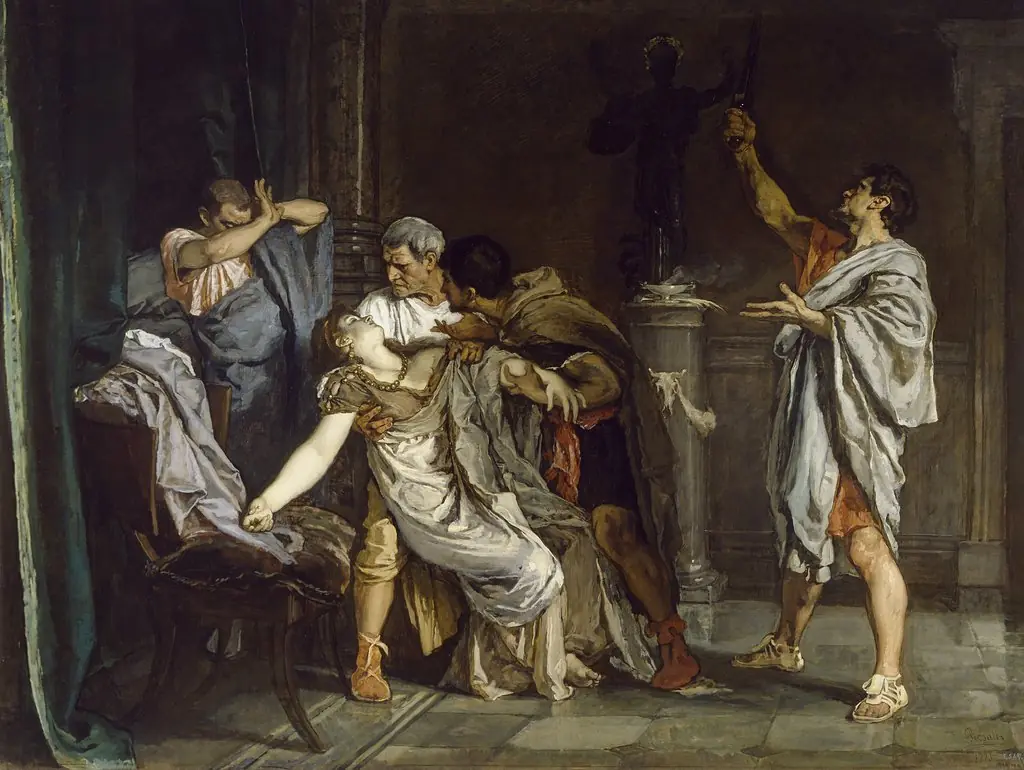 The Death of Lucretia
 Virgil Reading the "Aeneid" to Augustus, Octavia, and Livia
 Brutus entdeckt die Namen seiner Söhne auf der Liste der Verschwörer und verurteilt sie zum Tode
 Virgil Reading the "Aeneid" to Augustus, Octavia, and Livia
 Alexander den Store på sygelejet