Artwork
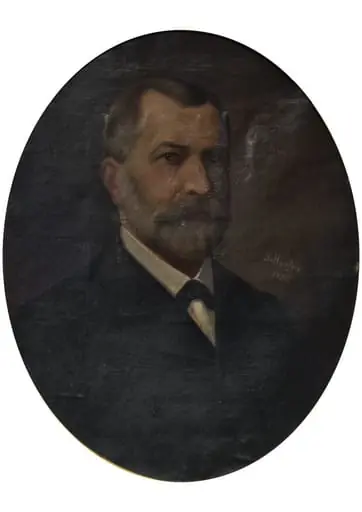
Bust of a Man
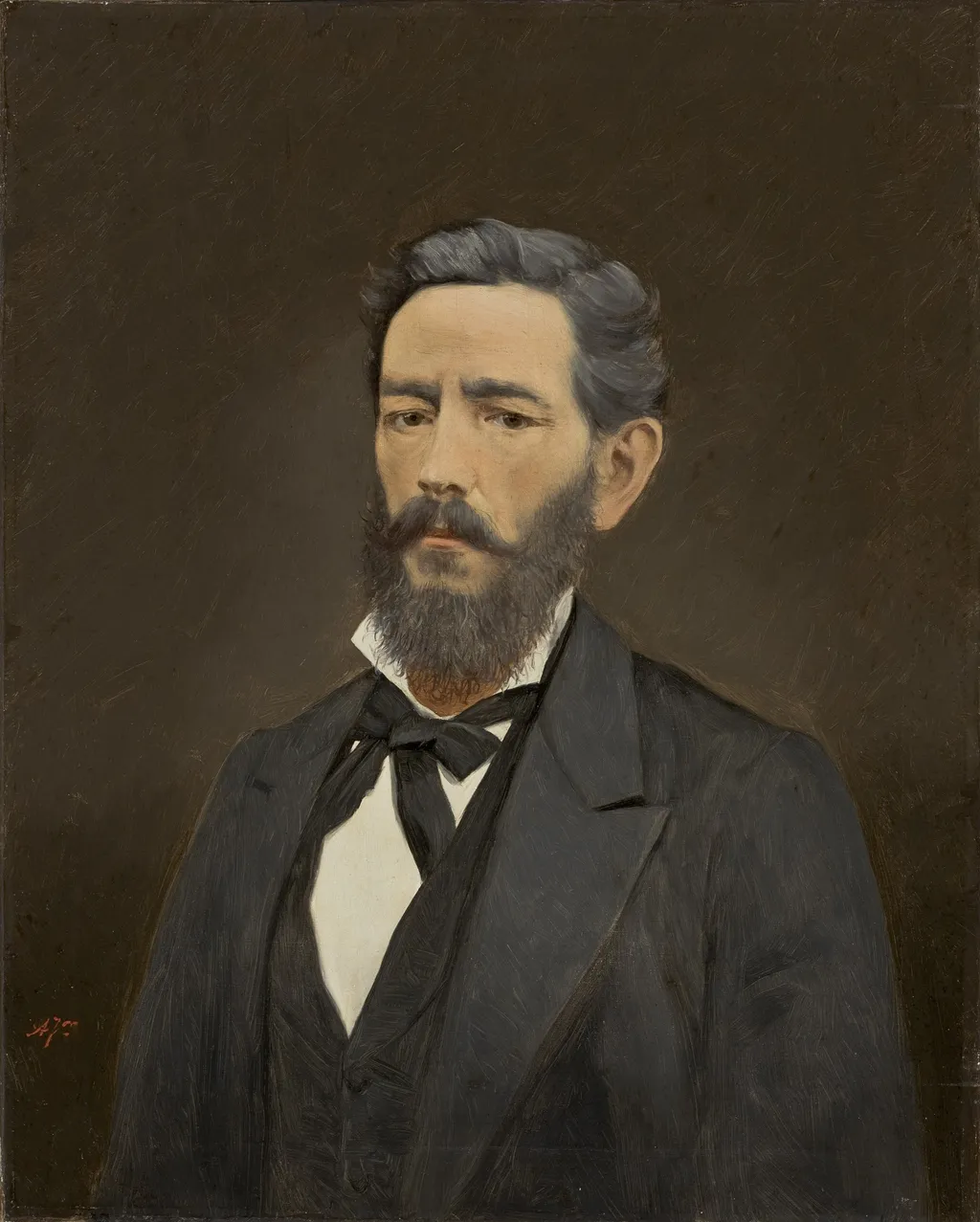
Bust of a Man is an oil painting by José Ferraz de Almeida Júnior. It dates from 1850 and is held in the collection of the São Paulo Museum of Art.
About this work
Overview
It belongs to an early phase of his career when he began aligning with Realist principles emerging in Europe.
Painted around 1850, *Bust of a Man* is an oil portrait by Brazilian artist José Ferraz de Almeida Júnior. It belongs to an early phase of his career when he began aligning with Realist principles emerging in Europe. The work is a focused study of a single figure, rendered with restrained detail and a muted palette. It resides in the collection of the São Paulo Museum of Art, where it represents one of Brazil’s early engagements with modern portraiture grounded in direct observation.
Subject & Meaning
The subject is a man of modest bearing, depicted without ornamentation or symbolic context. His dark suit, white shirt, and black bow tie suggest a working or middle-class identity, while his neatly groomed beard and composed posture convey quiet self-possession. The neutral gaze and lack of overt emotion avoid theatricality, emphasizing dignity through restraint rather than grandeur. The portrait invites contemplation of individual presence rather than social status.
Technique & Style
Almeida Júnior employs a somber, limited palette dominated by dark tones, with subtle contrasts in the man’s skin and fabric textures. Brushwork is controlled and precise, avoiding flourish or idealization. The solid black background isolates the figure, focusing attention on form and expression. This approach reflects the influence of French Realism, particularly its emphasis on unembellished observation and the rejection of academic conventions in favor of tangible reality.
History & Provenance
Created in the early 1850s, the painting predates Almeida Júnior’s more widely recognized works from the 1870s and 1880s. It was likely painted during his formative years, possibly before formal training in Europe. The work entered the São Paulo Museum of Art’s collection in the 20th century, where it remains as a rare early example of Realist portraiture in Brazilian art, offering insight into the artist’s evolving aesthetic before his later rural scenes.
Context
In mid-19th century Brazil, academic art still dominated official circles, favoring historical and mythological themes. Almeida Júnior’s turn toward everyday subjects aligned him with a quieter, emerging current influenced by Courbet and Millet. Though he had not yet traveled to Europe, his engagement with Realism signaled a shift in Brazilian art toward local observation. This portrait reflects an early attempt to ground representation in the visible world rather than inherited ideals.
Legacy
Though modest in scale, *Bust of a Man* stands as an early indicator of Almeida Júnior’s commitment to realism in a Brazilian context. It helped pave the way for his later, more expansive depictions of rural laborers and regional life. The painting’s quiet intensity influenced subsequent generations of Brazilian artists seeking authenticity over ornamentation, contributing to a broader movement toward socially grounded visual narratives in national art.
Own this work as a print
Artist & collection
Artist
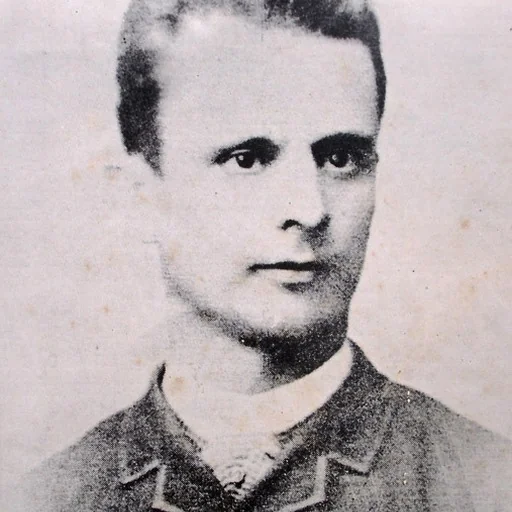
José Ferraz de Almeida Júnior (8 May 1850 – 13 November 1899) was a Brazilian artist and designer; one of the first there to paint in the Realistic tradition of Gustave Courbet and Jean-François Millet.

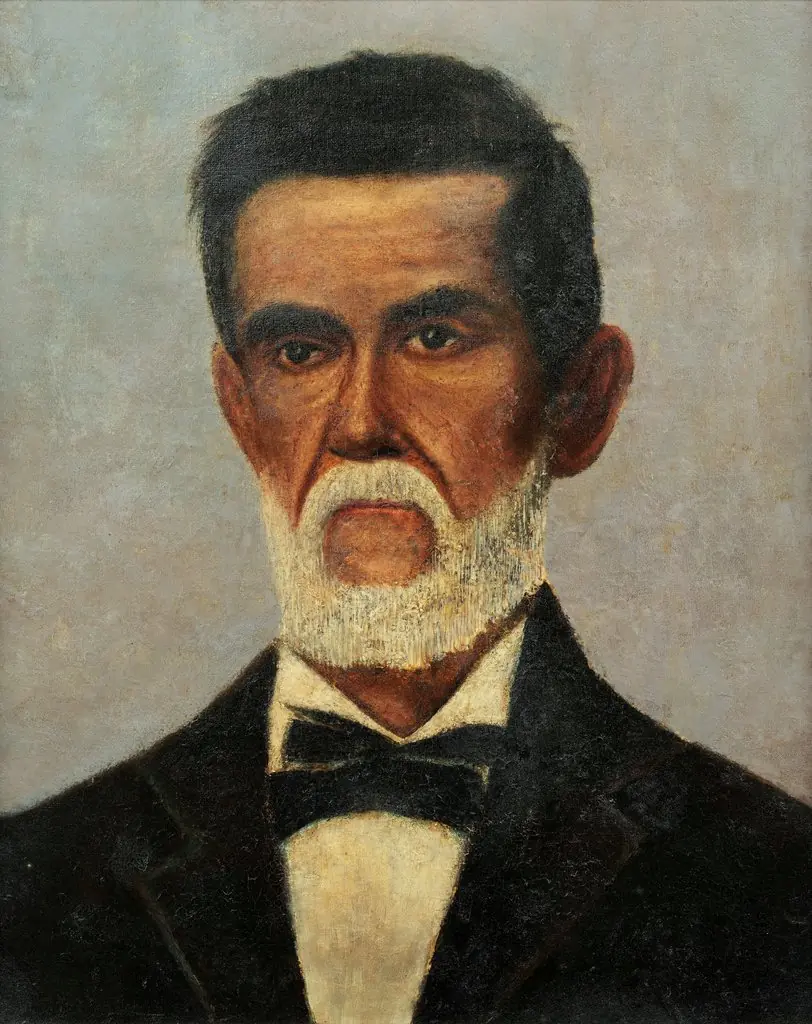 José Ferraz de Almeida (The Artist's Father)
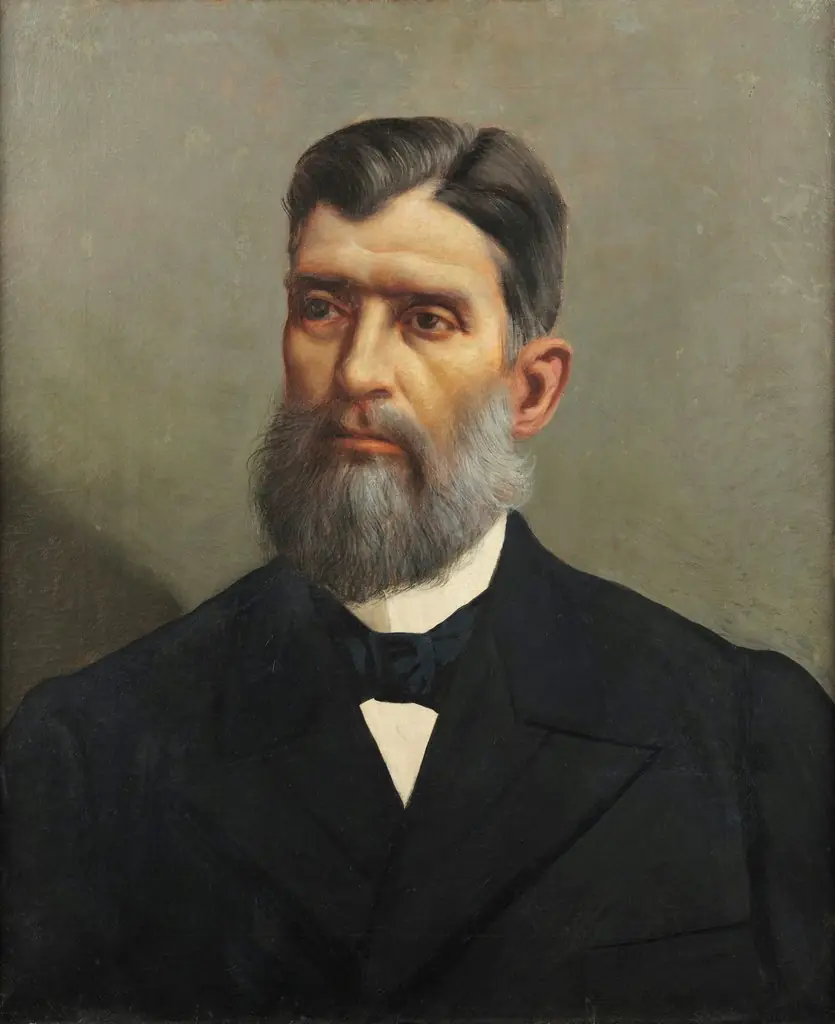 Portrait of Prudente de Moraes
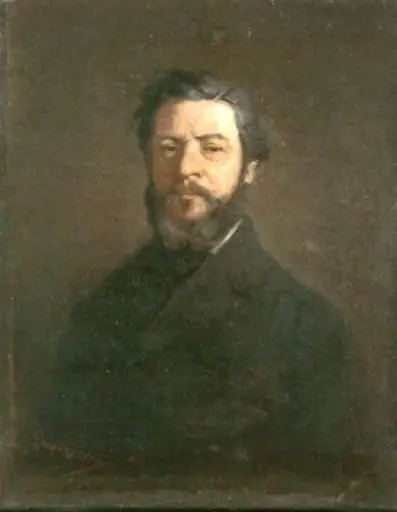 Beizadeaua Ghica Vodă
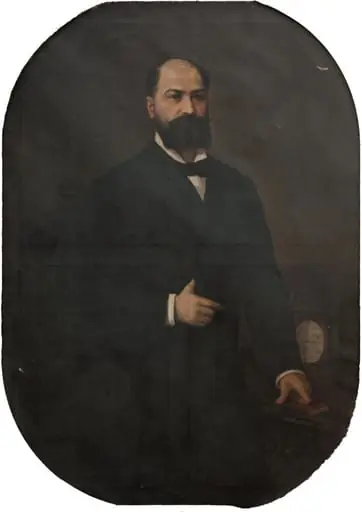 Portretul doctorului Florea Teodorescu
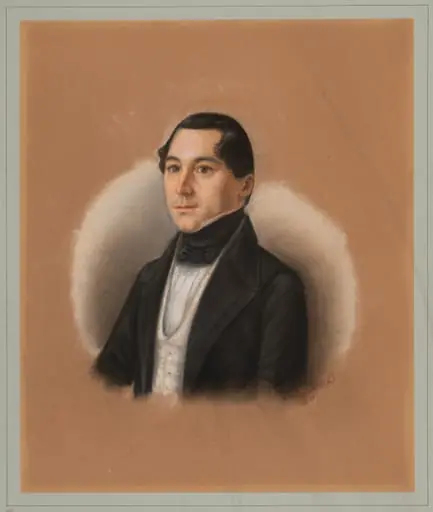 Schubert, Emilie: Portrait of the Husband of Auguste Schubert (attributed)
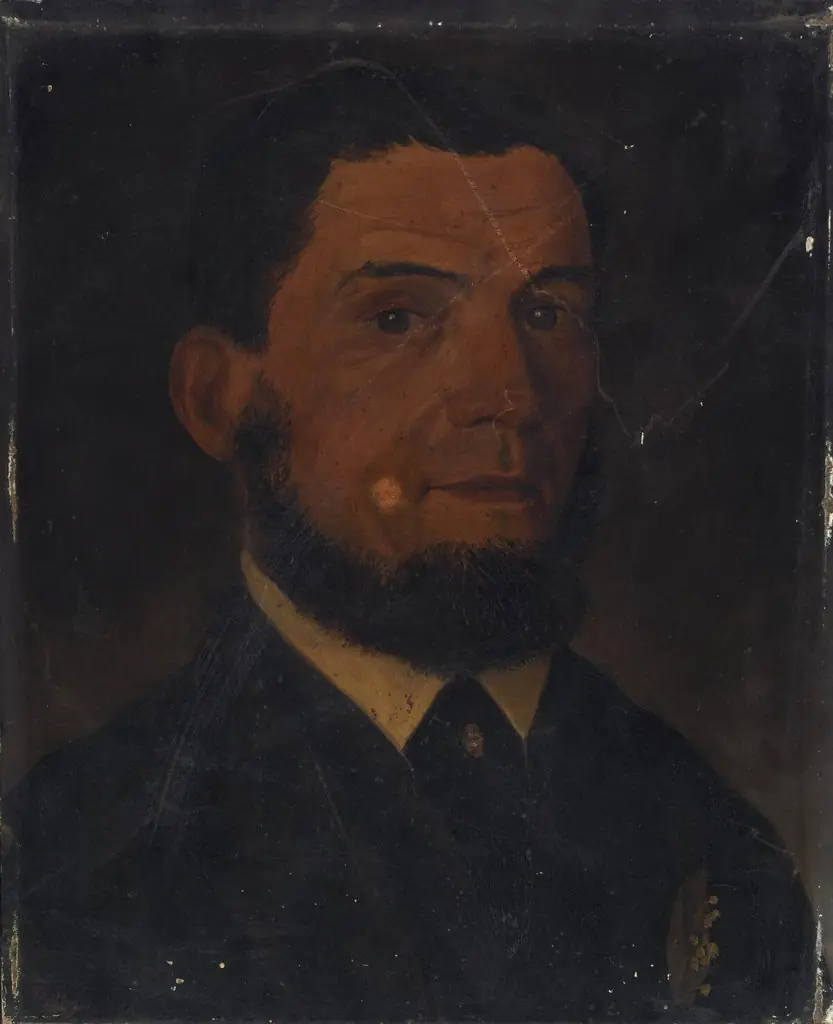 Robert Davies
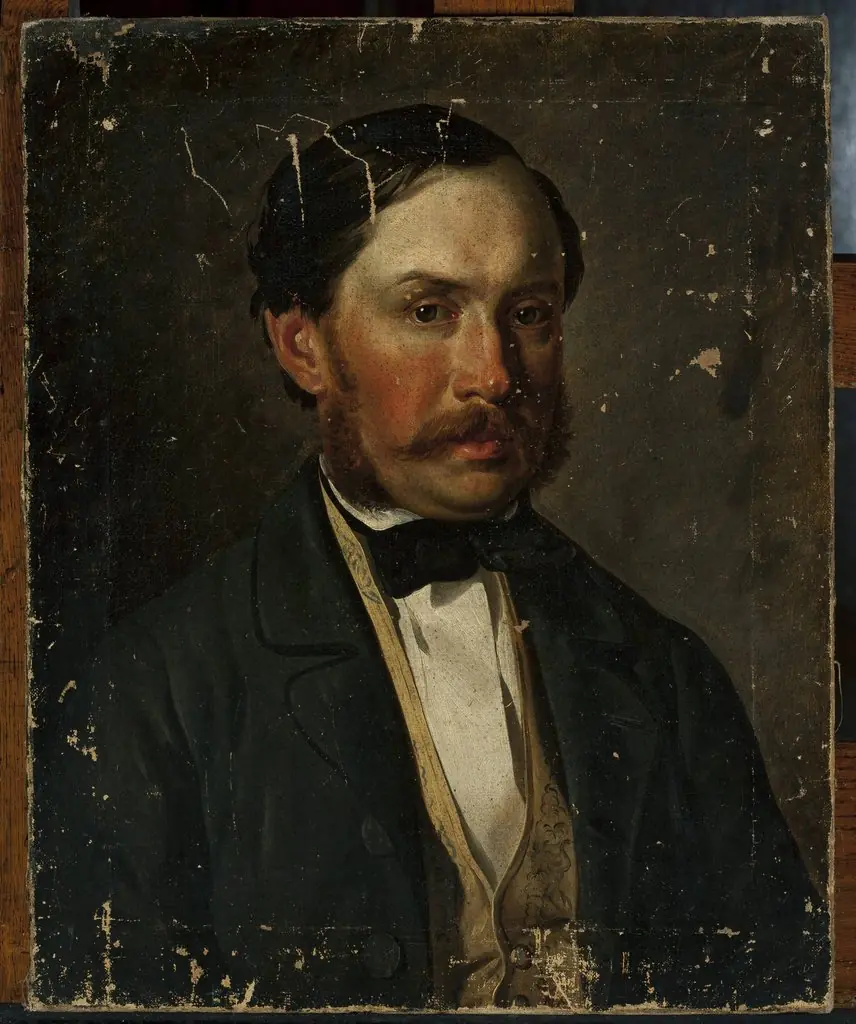 Portrait of Aleksander Odrowąż Bębnowski
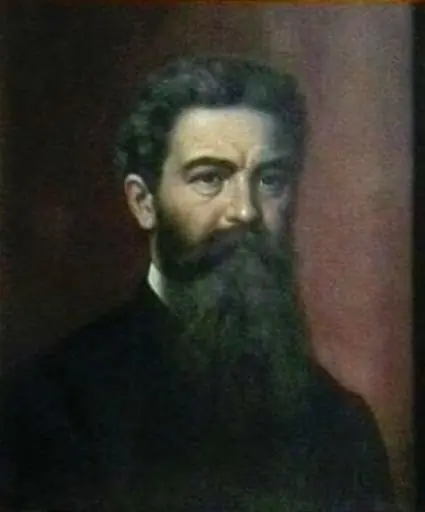 Autoportret Mișu Popp
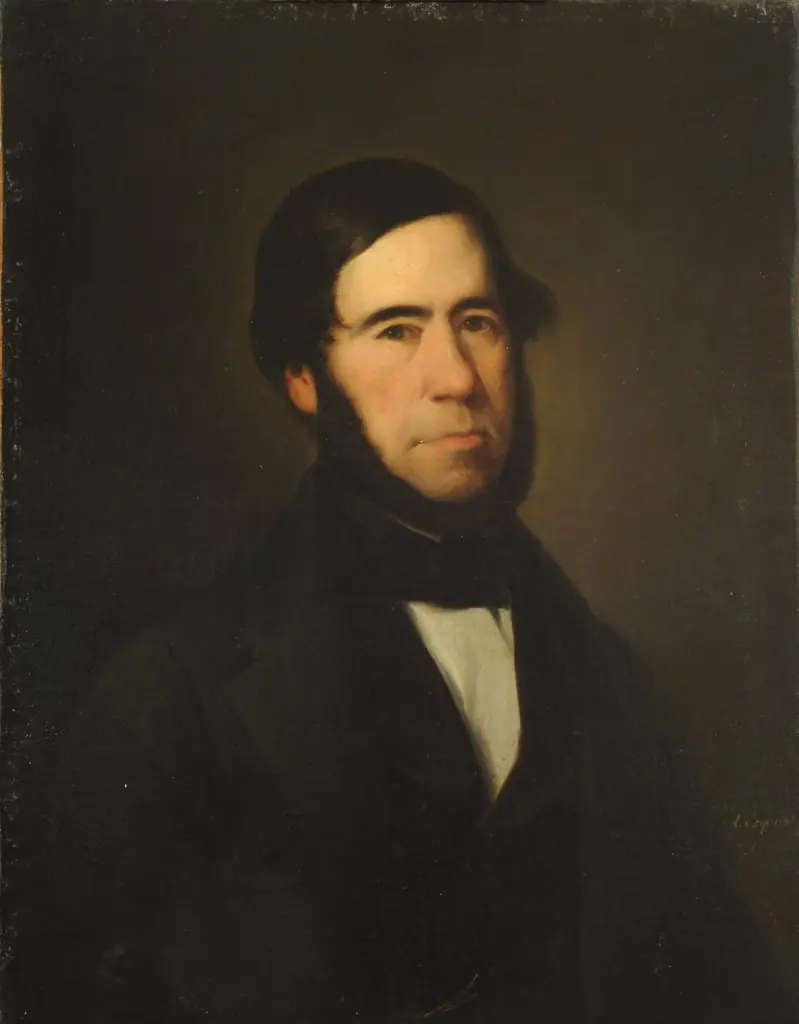 Portrait of Don Manuel José de Guerrico
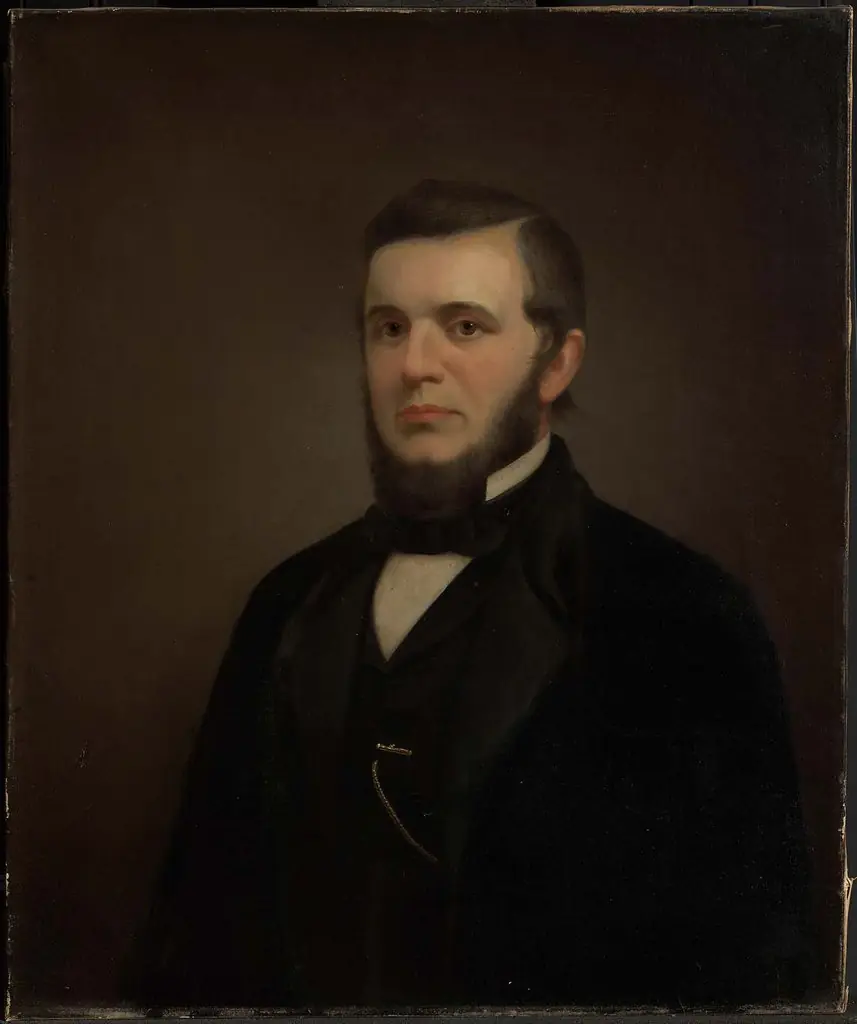 Portrait of Edward Gleason
 Bărbat
 Portrait of a Merchant