Artwork
Tabatinguera Bridge
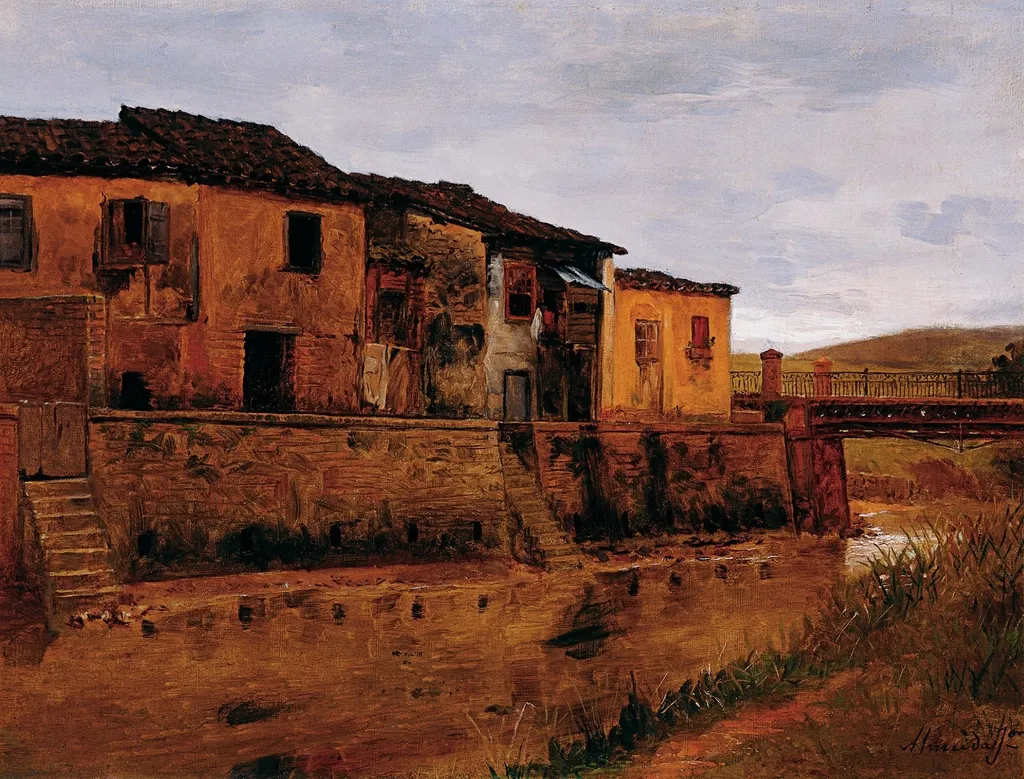
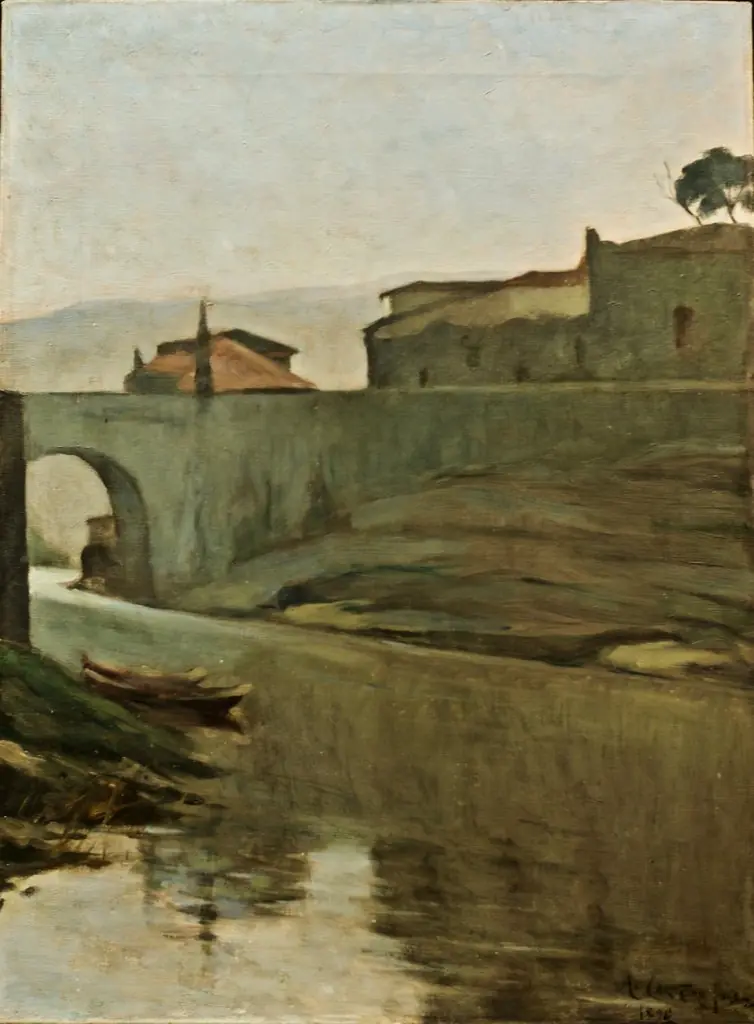
Tabatinguera Bridge is an oil painting by the Impressionist artist José Ferraz de Almeida Júnior. It dates from 1898 and is held in the collection of the Pinacoteca de São Paulo.
About this work
Overview
Created in 1898, this oil painting portrays a modest stone bridge arching over a quiet waterway, framed by low buildings and a tranquil landscape. The composition is bathed in soft, diffused light that renders the scene with a calm, almost lyrical atmosphere, inviting the viewer to pause within the everyday Brazilian setting.
Subject & Meaning
The work focuses on an ordinary urban crossing, emphasizing the harmony between built structures and natural surroundings. By presenting the bridge as a quiet conduit rather than a bustling thoroughfare, the artist suggests a moment of stillness within daily life, highlighting the subtle beauty of commonplace environments.
Technique & Style
Executed with visible brushstrokes, the painting employs a light-infused palette typical of late‑19th‑century Impressionism. The artist manipulates light and shadow to model forms, allowing reflections on the water to convey texture and depth. This handling of illumination, reminiscent of chiaroscuro, creates a sense of movement across an otherwise serene scene.
History & Provenance
The canvas belongs to the collection of the Pinacoteca do Estado de São Paulo, where it has been displayed as part of the museum’s holdings of Brazilian realist and impressionist works. Its acquisition reflects the institution’s commitment to preserving artworks that document Brazil’s artistic transition at the turn of the century.
Own this work as a print
Artist & collection
Artist
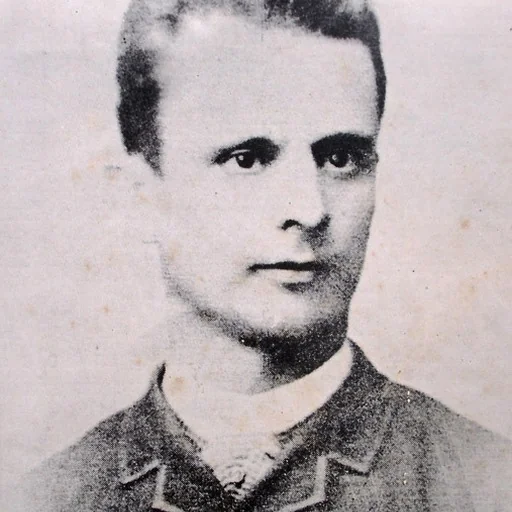
José Ferraz de Almeida Júnior (8 May 1850 – 13 November 1899) was a Brazilian artist and designer; one of the first there to paint in the Realistic tradition of Gustave Courbet and Jean-François Millet.


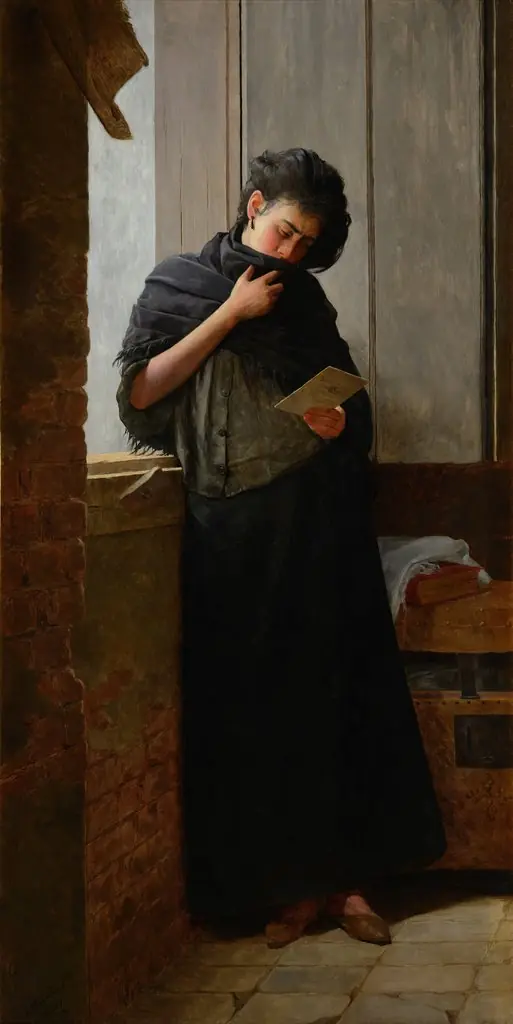
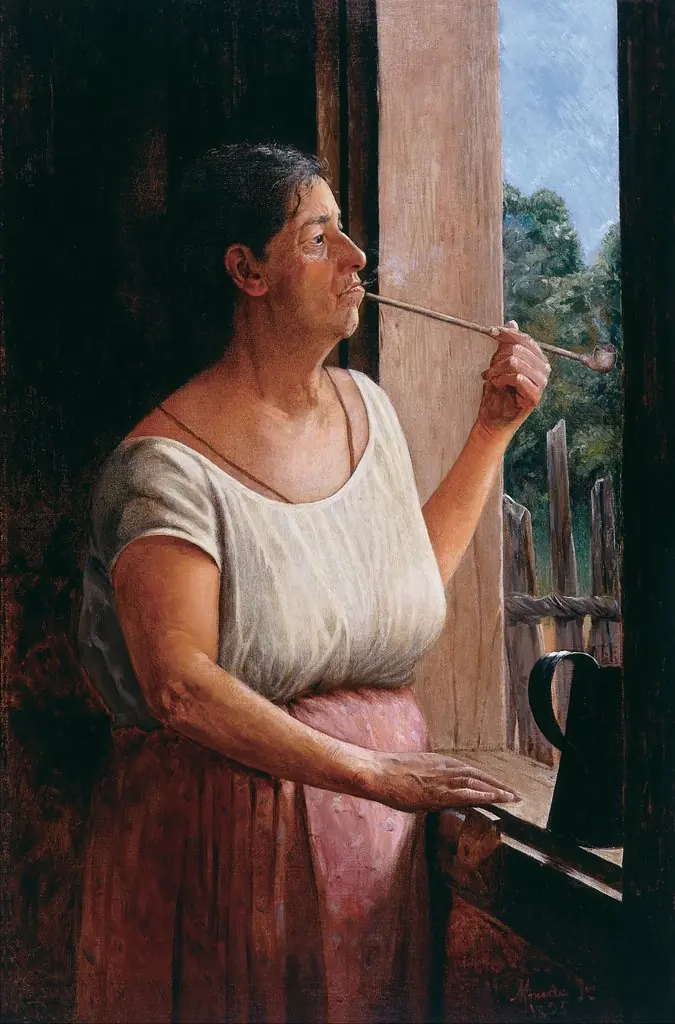



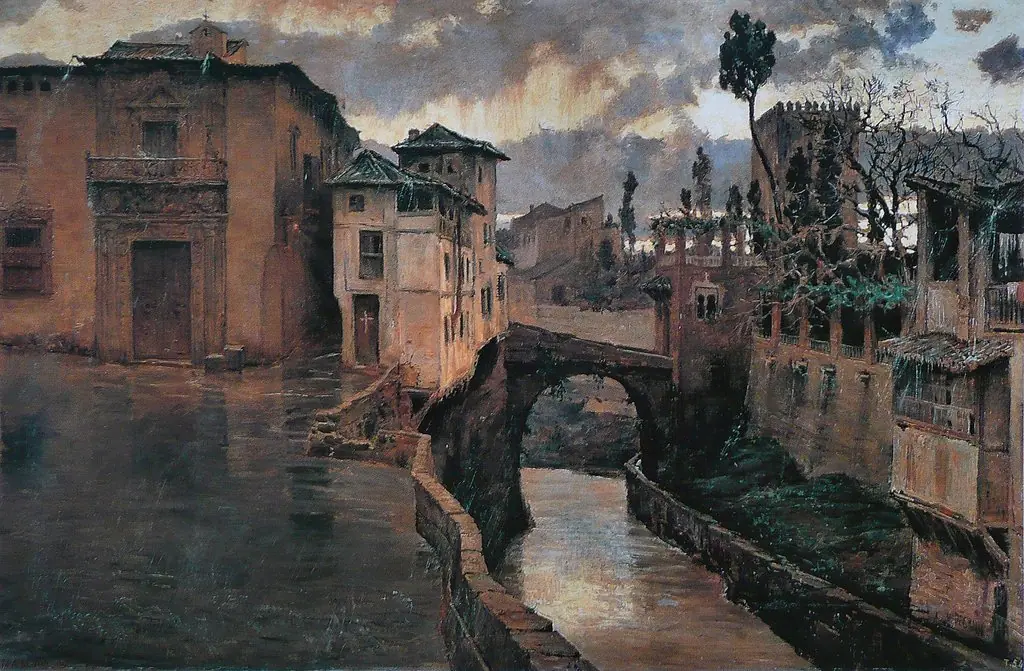 Memories of Granada
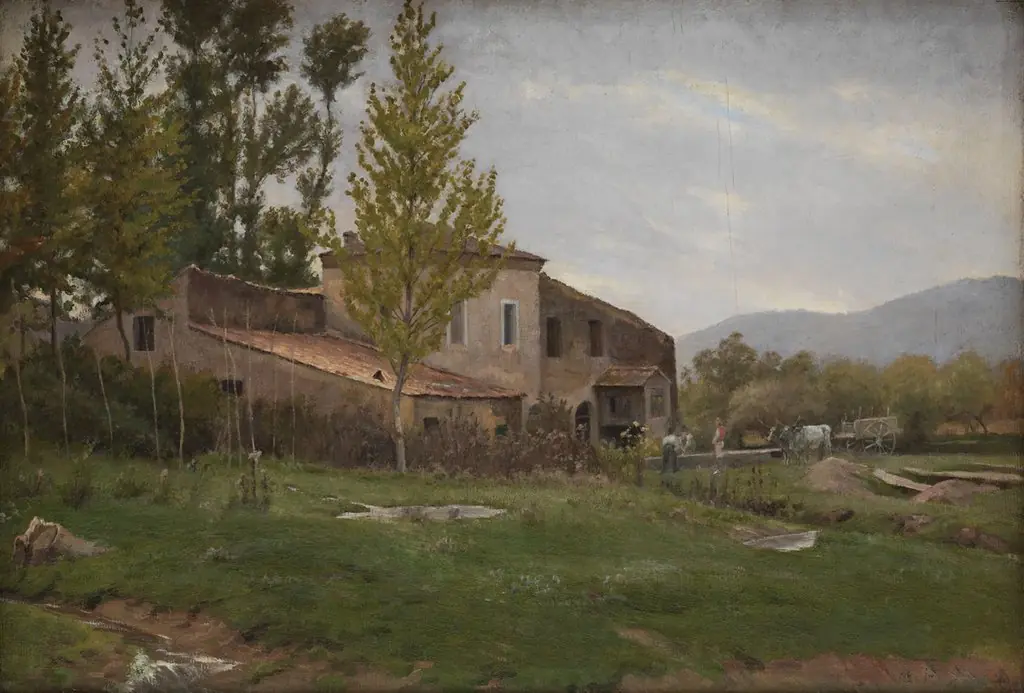 Isola del Liri, Italy. Overcast Day
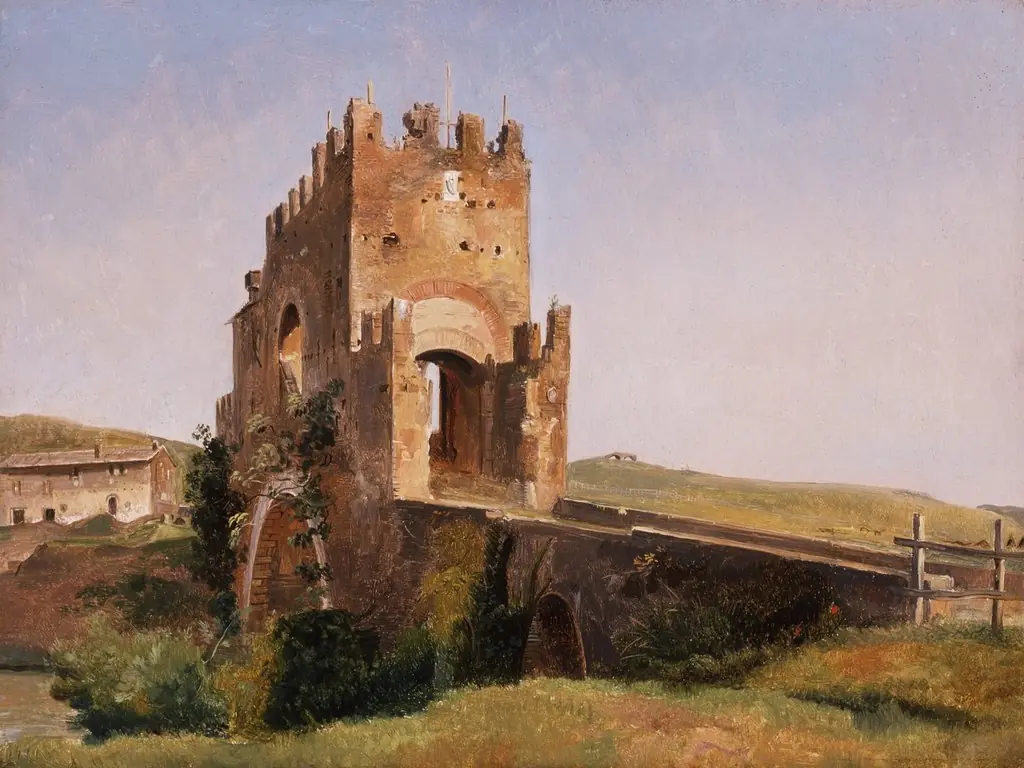 View of the Ponte Nomentano (Roman Campagna)
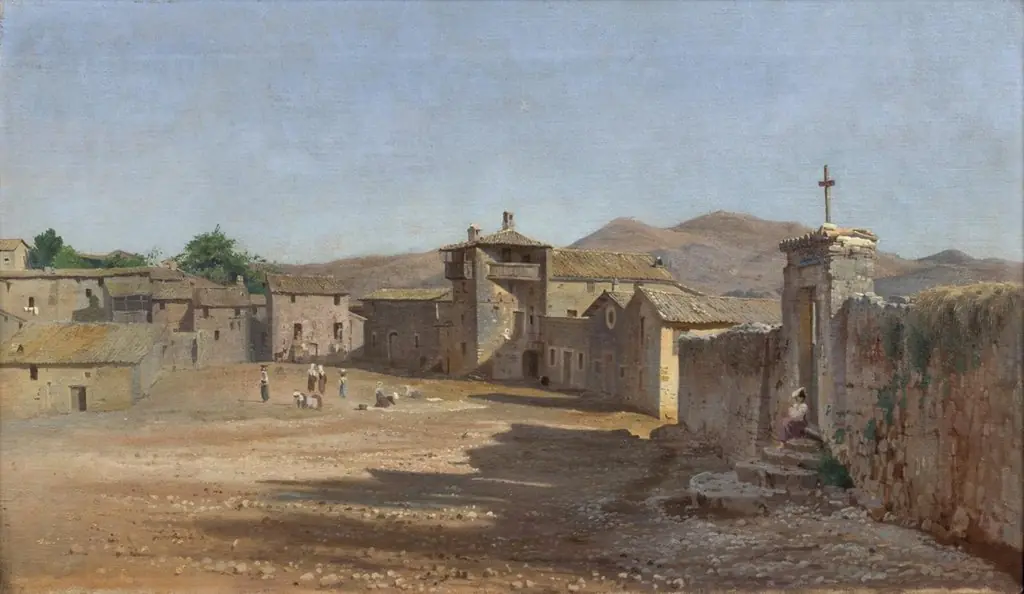 Torvet i Anticoli Corrado, Italien
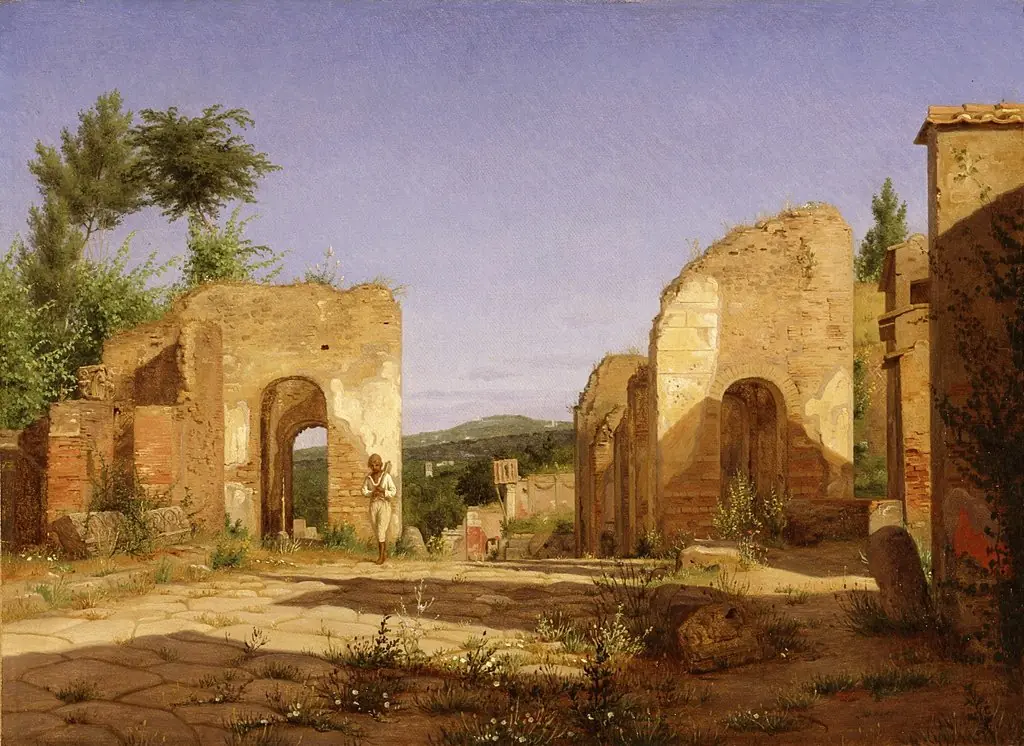 Gateway in the Via Sepulcralis in Pompeii
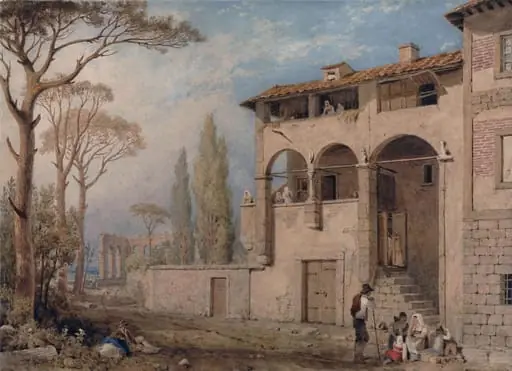 Buildings near Rome
 Torvet i Anticoli Corrado, Italien
 View of Savoy
 The Terrace
 The Noord-West-Buitensingel in The Hague
 Street in Italy
 Paisagem