Artwork
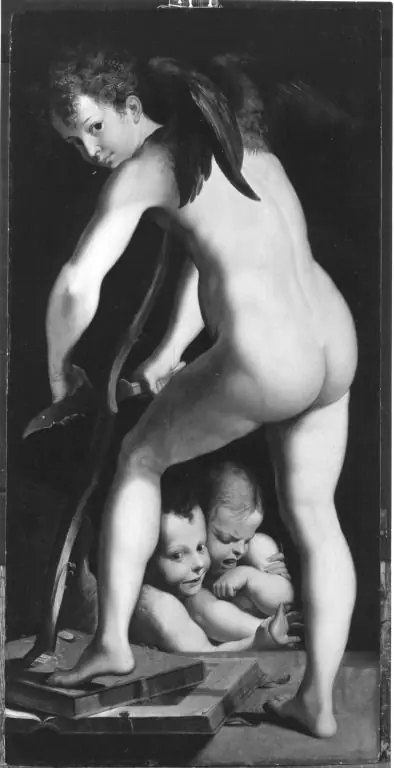
Bogenschnitzender Amor
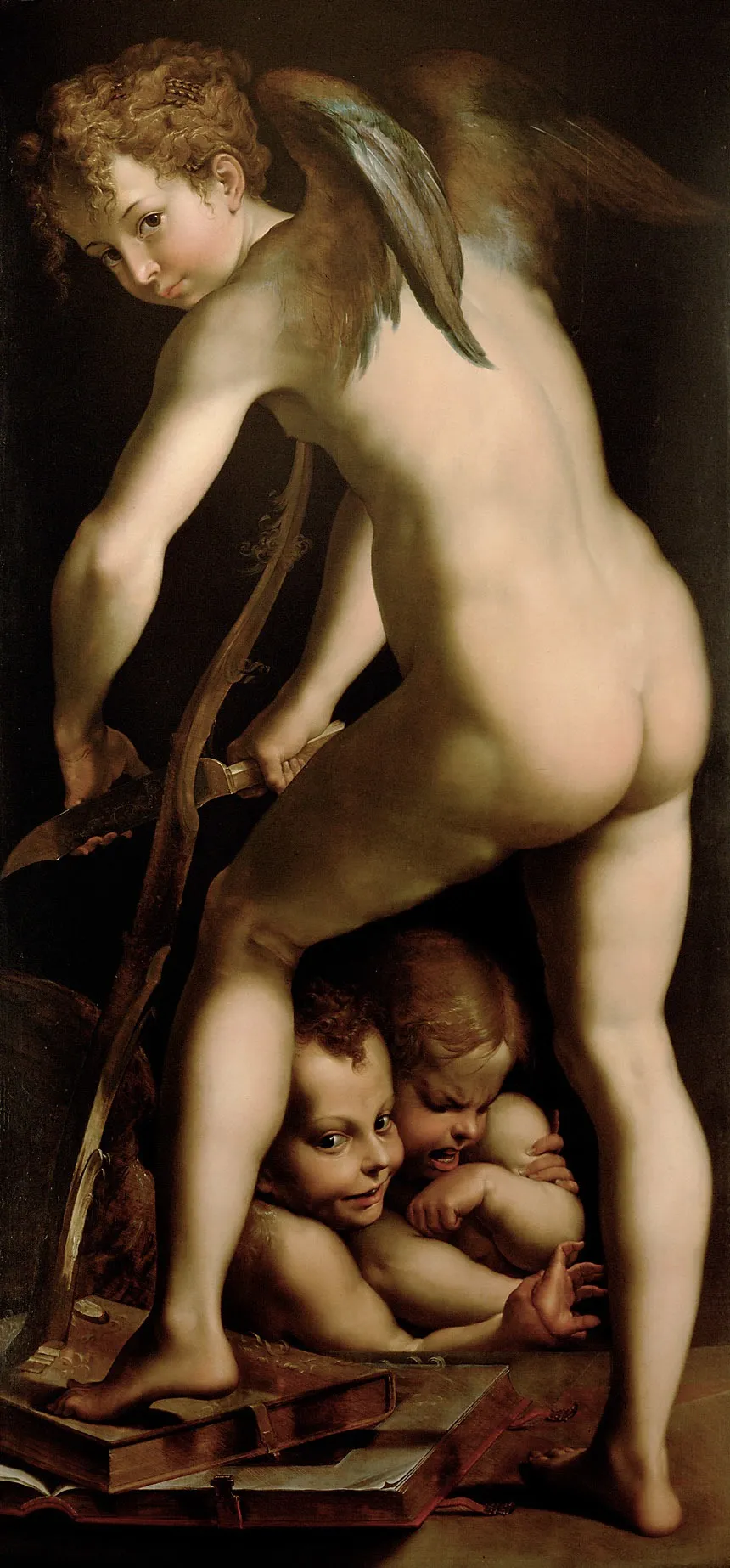
Bogenschnitzender Amor is an unspecified painting by Joseph Heintz the Elder. It dates from 1596 and is held in the collection of the Kunsthistorisches Museum.
About this work
Overview
Its composition centers on a solitary, nude youth atop a wooden chair, his posture and gesture suggesting authority over unseen figures below.
Painted around 1596 by Joseph Heintz the Elder, this mythological scene portrays a winged figure, traditionally identified as Cupid, in a moment of quiet menace. The work resides in the Kunsthistorisches Museum in Vienna. Its composition centers on a solitary, nude youth atop a wooden chair, his posture and gesture suggesting authority over unseen figures below. The dark, unmodulated background intensifies the focus on the figures and their psychological dynamic.
Subject & Meaning
The central figure, likely Amor (Cupid), is depicted not as a playful deity but as a figure of latent threat. His raised sword and turned back imply a moment of impending action, while the two cowering children beneath the chair suggest vulnerability and dread. The scene reinterprets classical myth through a lens of psychological tension, possibly reflecting Renaissance anxieties about love’s power to disrupt innocence or order.
Technique & Style
Heintz employs chiaroscuro to model the figures with sharp contrasts between light and shadow, emphasizing the smoothness of skin against the rough grain of the chair and the depth of the dark surroundings. The winged boy’s dark brown wings and light curls create visual contrast, while the children’s expressions are rendered with subtle detail. The brushwork is precise, balancing naturalism with a stylized, almost theatrical composition.
History & Provenance
The painting entered the Kunsthistorisches Museum’s collection as part of the Habsburg imperial holdings, likely acquired during the late 16th or early 17th century. Its presence in Vienna suggests it was valued within courtly circles for its intellectual and emotional complexity. No significant alterations or restorations are documented, and it has remained in the museum’s care since at least the 19th century.
Context
Created during the late Mannerist period, the work reflects a shift from idealized mythological scenes toward psychologically charged narratives. Heintz, influenced by his time in Italy and the work of artists like Caravaggio, infused classical subjects with heightened emotional realism. This painting aligns with broader European trends exploring the darker, ambiguous sides of mythological themes.
Legacy
While not widely reproduced, the painting is recognized in scholarly circles for its early use of psychological tension in mythological painting. It stands as an example of how Northern Mannerism absorbed Italian innovations to explore human vulnerability. Its quiet intensity continues to inform interpretations of Cupid’s duality in early modern visual culture.
Artist & collection

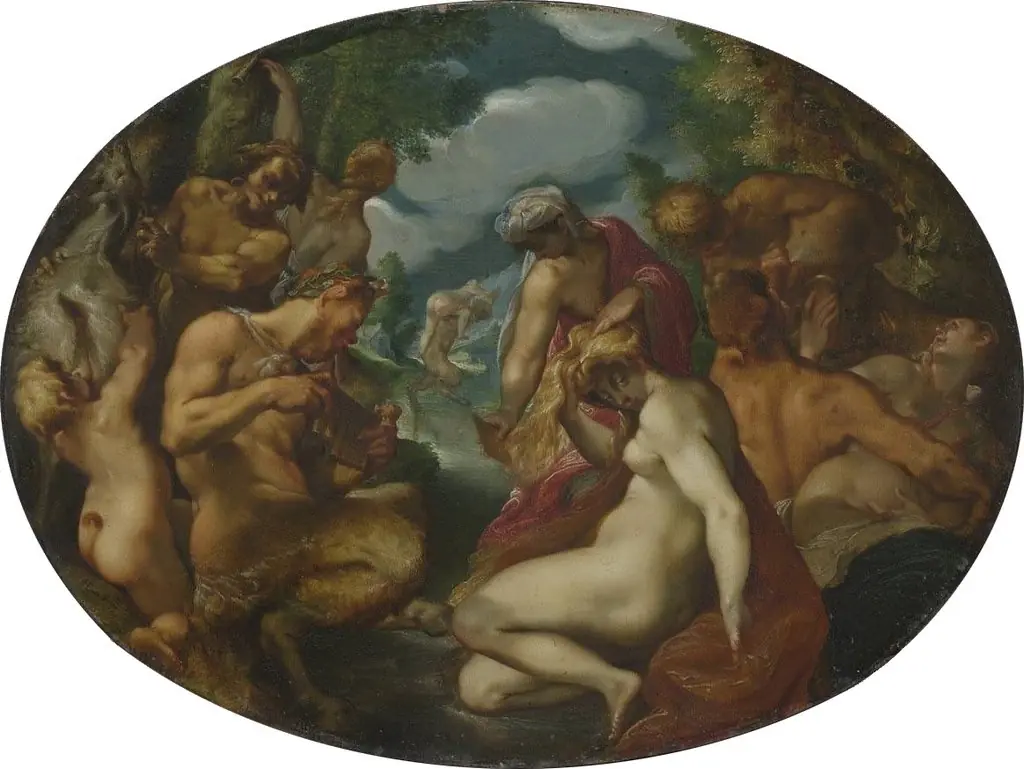 Satyrs and nymphs
 Cupid carves the bow
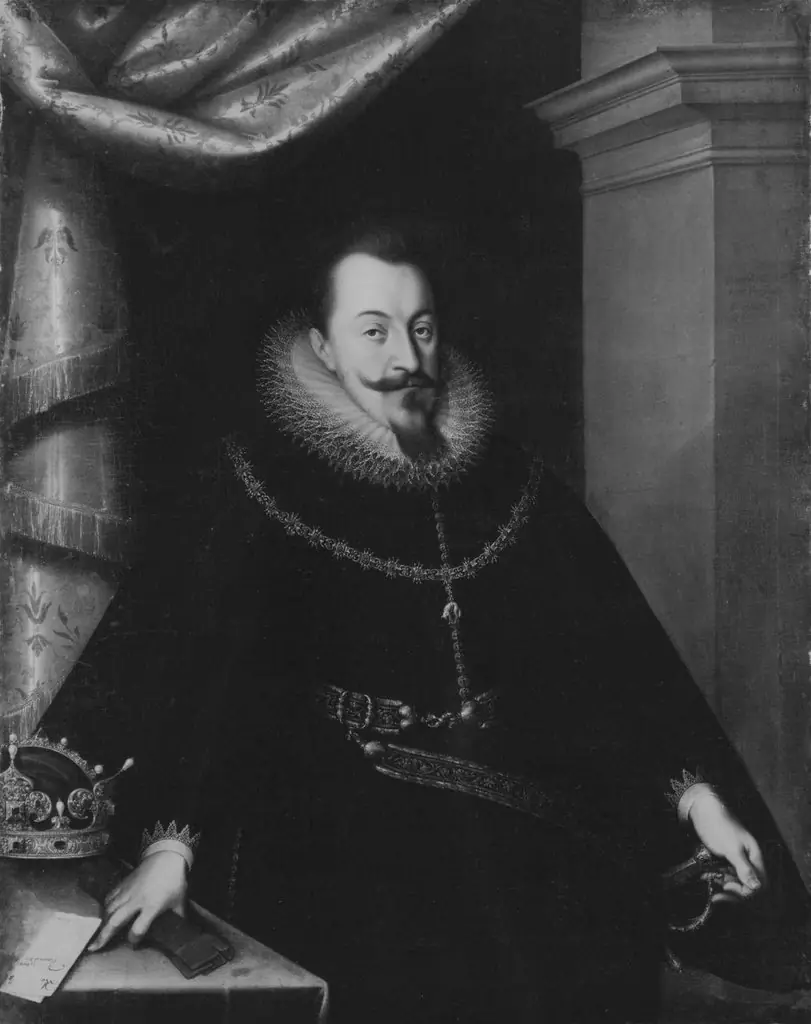 Bildnis des Königs Sigismund III. Vara von Polen und Schweden
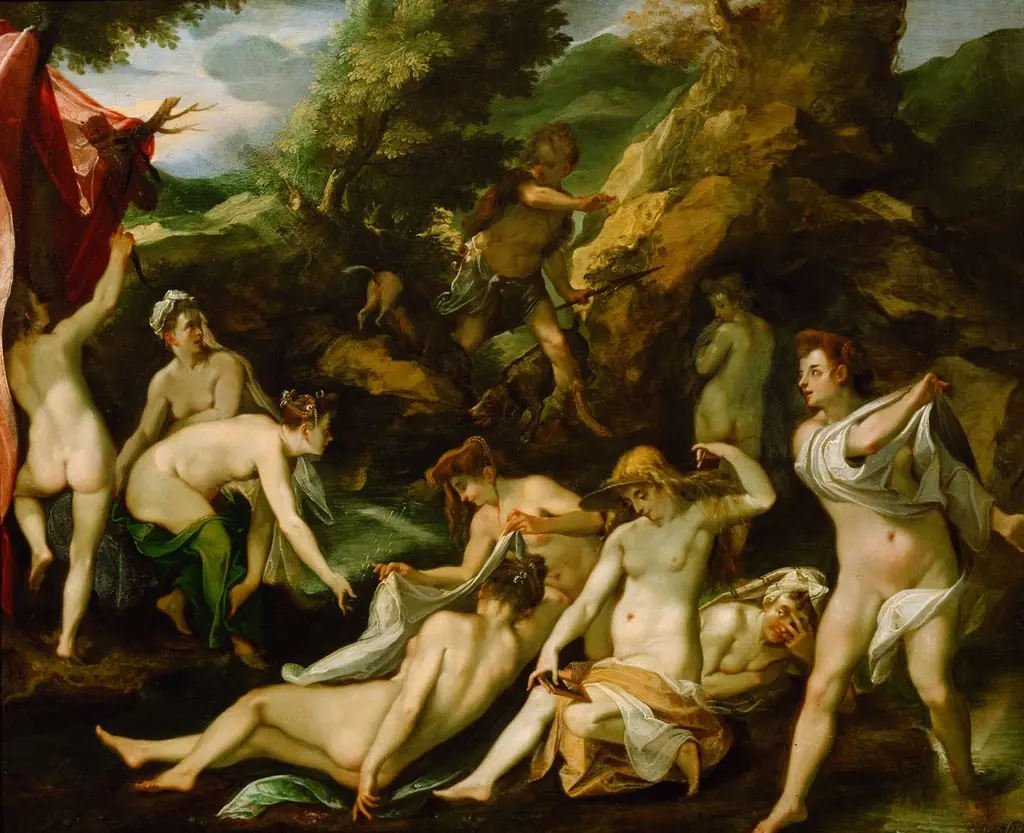 Diana and Actaeon
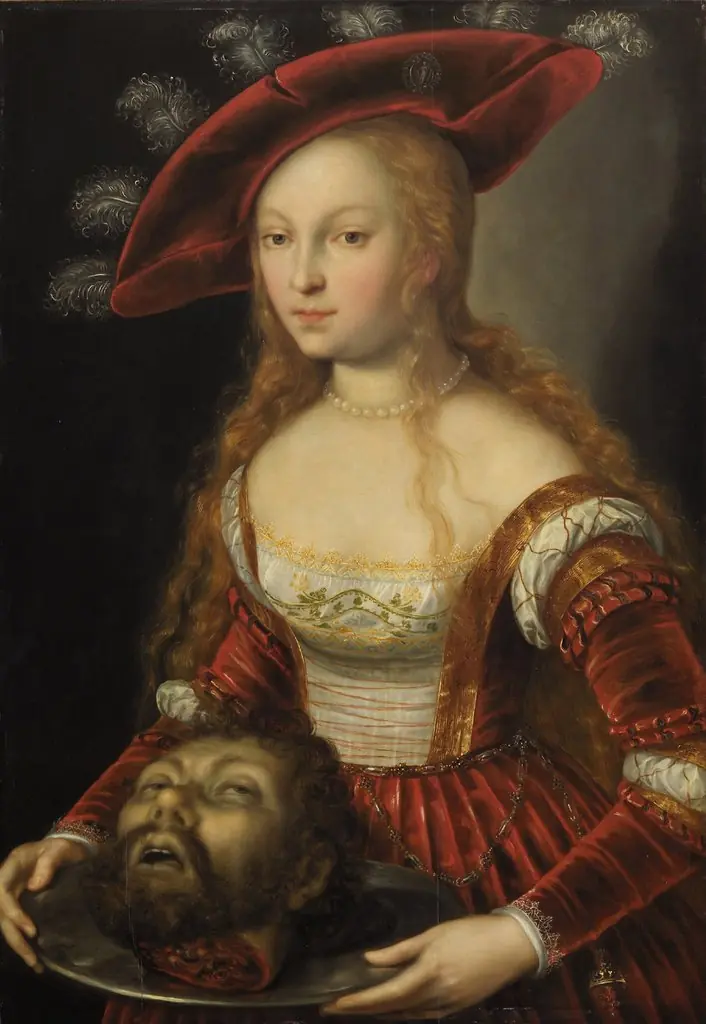 Salome with the head of John the Baptist
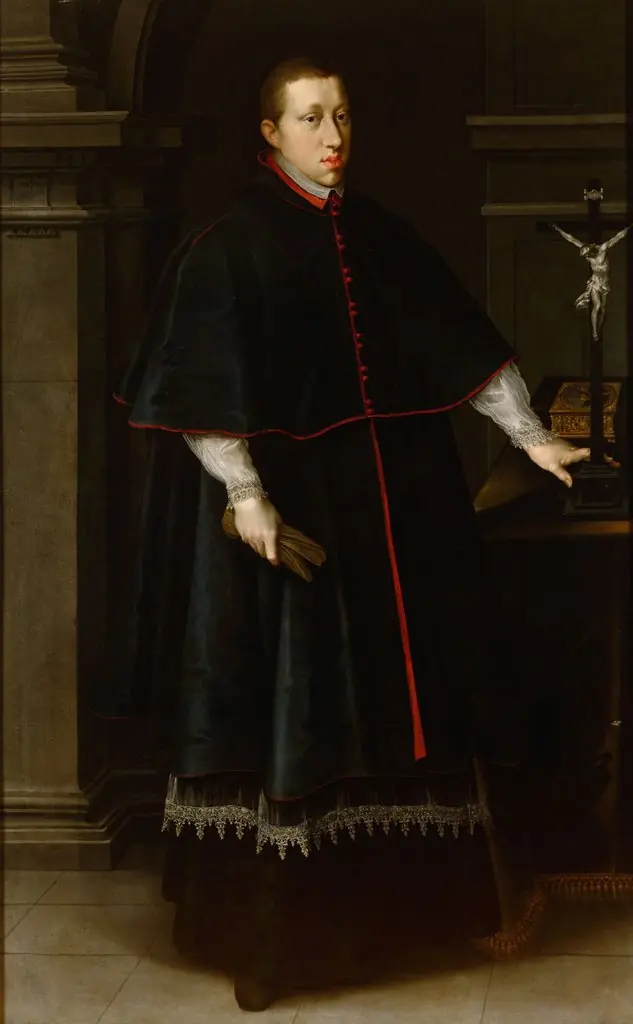 Archduke Leopold V (1586-1632) in the Spiritual Garment
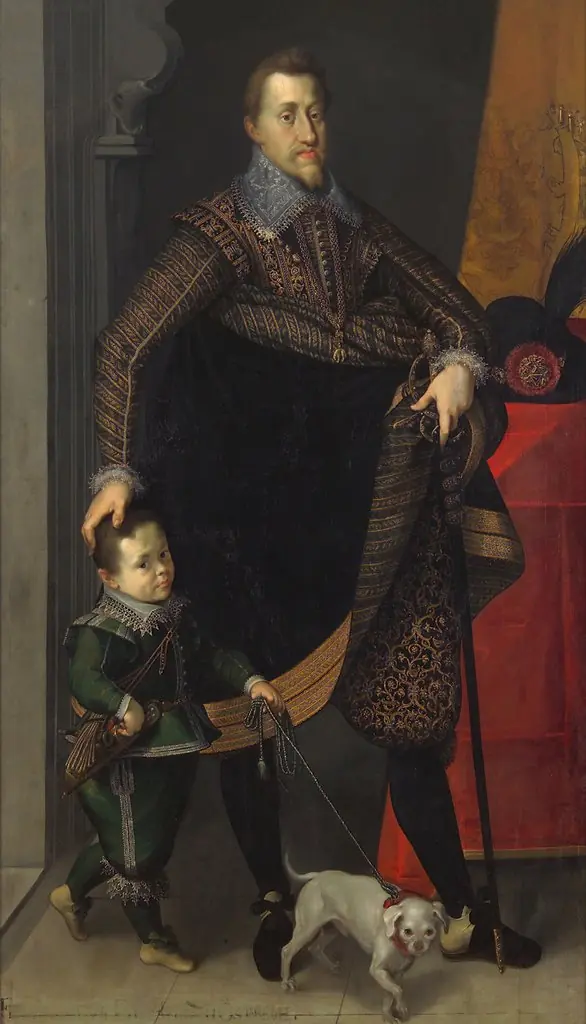 Emperor Ferdinand II (1578-1637) in Full Figure with a Court Dwarf
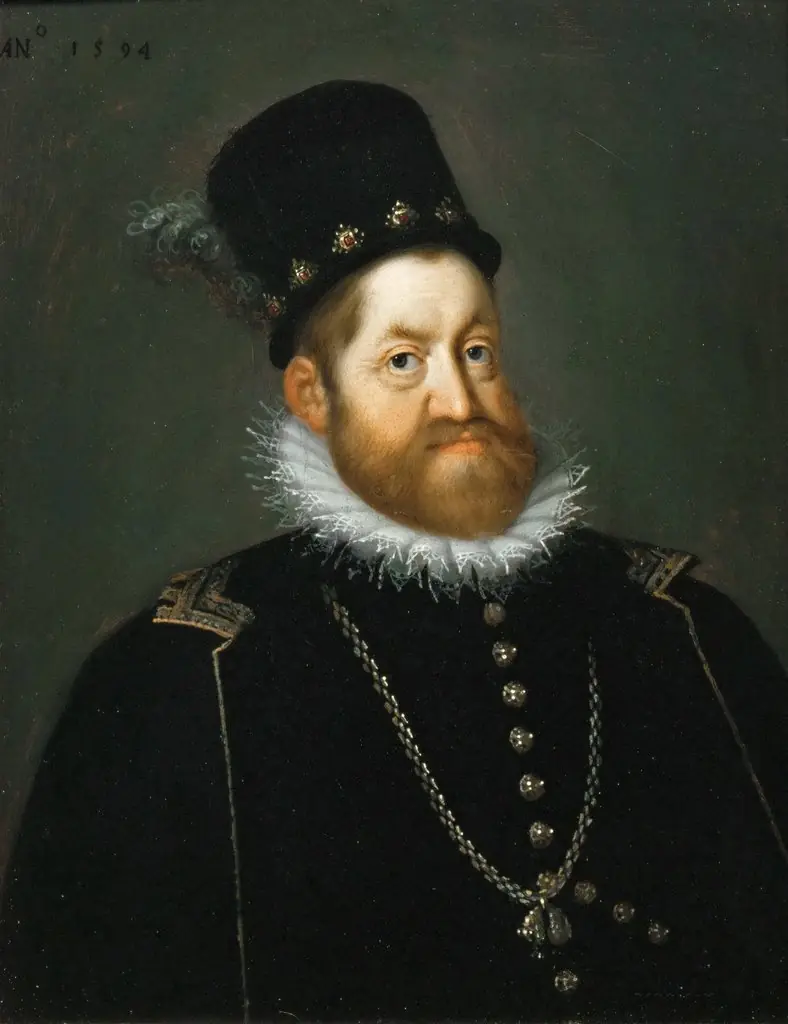 Porträt des Kaisers Rudolf II.