Artwork
James Coutts (1733 - 1778)
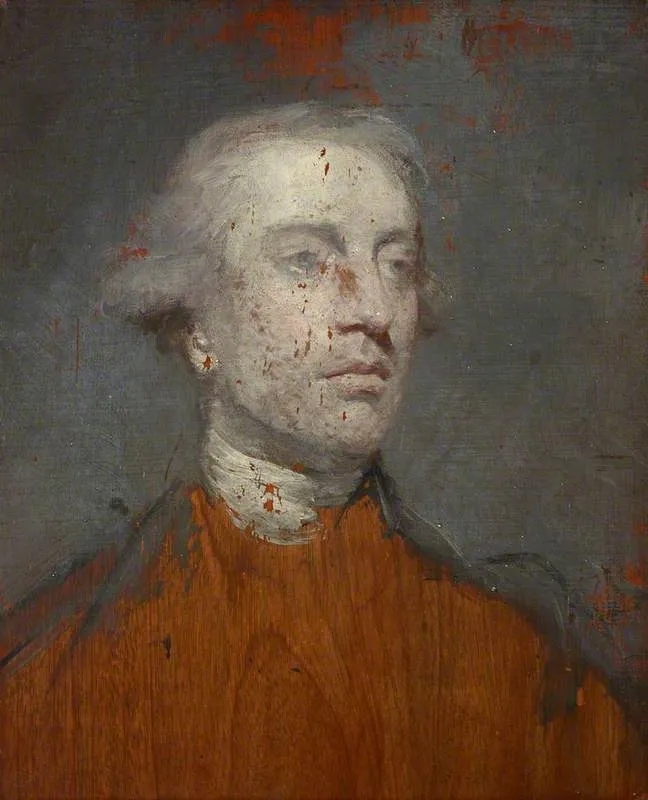
James Coutts (1733 - 1778) is an oil painting by the Rococo painting artist Joshua Reynolds. It dates from 1772 and is held in the collection of the National Galleries Scotland.
About this work
If you're interested in learning more about the artist behind this piece, you might want to explore the works of Joshua Reynolds.
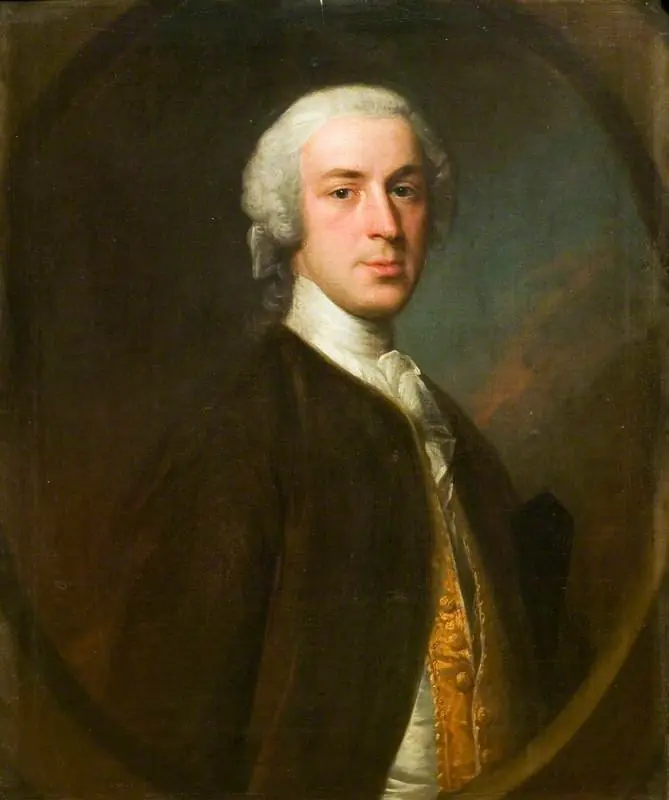
This portrait painting depicts a man with short, white hair and a red jacket. He wears a white cravat around his neck. The background is a muted grey tone.
The subject's gaze is directed to the right side of the image, and his expression appears serious. The overall style of the painting suggests a formal portrait from the 18th century.
The artist's use of oil paint and attention to detail in the subject's attire and facial features are notable. If you're interested in learning more about the artist behind this piece, you might want to explore the works of Joshua Reynolds.
Overview
Painted in 1772 by Sir Joshua Reynolds, this oil portrait captures James Coutts, a member of a prominent Scottish banking family. Reynolds, then at the height of his career and recently knighted, employed his signature Grand Style to present Coutts with dignified formality. The painting is held in the collection of the Scottish National Gallery, reflecting its significance within British portraiture of the period.
Subject & Meaning
James Coutts is portrayed not as a merchant or financier, but as a man of cultivated refinement. His serious expression and direct gaze suggest introspection rather than display. The absence of overt symbols of wealth or profession shifts focus to character and social bearing, aligning with Reynolds’s aim to elevate portraiture beyond mere likeness toward moral and intellectual presence.
Technique & Style
Reynolds rendered Coutts with careful attention to texture and tone, particularly in the rich red of the jacket and the crisp white of the cravat. The muted grey background isolates the figure, enhancing the three-dimensionality achieved through subtle chiaroscuro. Brushwork is controlled yet expressive, balancing realism with the idealized composure characteristic of Reynolds’s Grand Style.
History & Provenance
Commissioned during Reynolds’s tenure as president of the Royal Academy, the portrait entered the Scottish National Gallery’s collection in the 19th century. Its provenance traces back to the Coutts family, whose financial influence extended across Britain. The painting’s preservation reflects its status as both a personal commemoration and a cultural artifact of elite portraiture.
Context
In the 1770s, British portraiture increasingly emphasized character and social standing over heraldic display. Reynolds, as a leading intellectual of the art world, sought to align portraiture with the traditions of Old Master painting. Coutts’s portrait exemplifies this ambition, positioning its subject within a broader cultural narrative of Enlightenment-era gentlemanly virtue.
Legacy
The portrait remains a representative example of Reynolds’s mature style and his influence on British portraiture. While not widely reproduced, it continues to inform scholarly understanding of how wealth and status were visually negotiated in 18th-century Britain. Its presence in a national collection underscores its enduring role in the history of British art.
Artist & collection
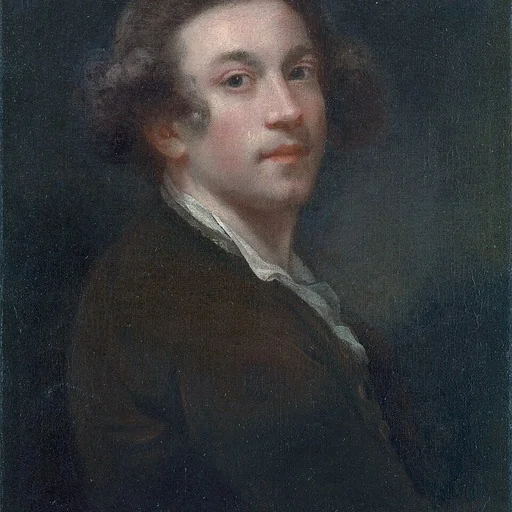
Artist
Sir Joshua Reynolds (16 July 1723 – 23 February 1792) was an English painter who specialised in portraits.

 Sir William Hamilton (1730–1803)
 Portrait of an Unknown Man
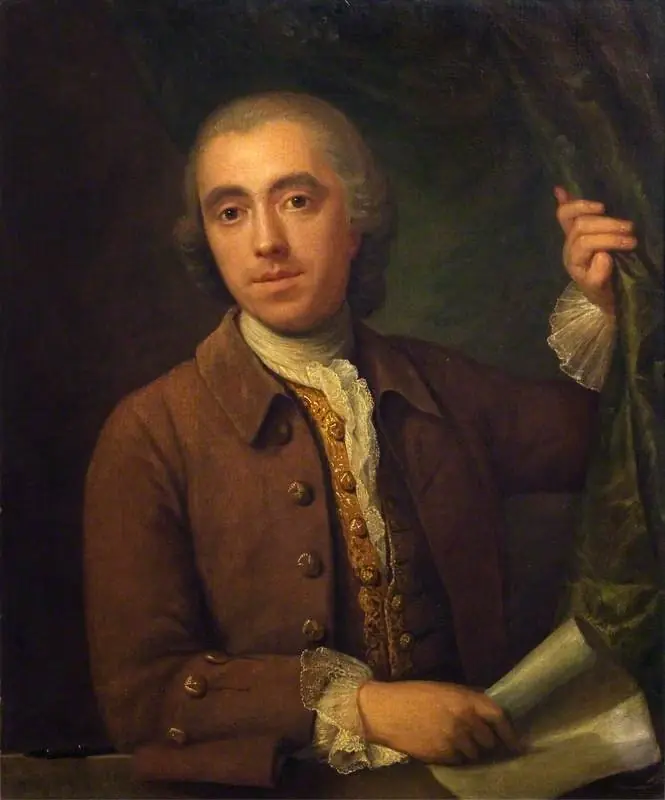 Portrait of an Unknown Man
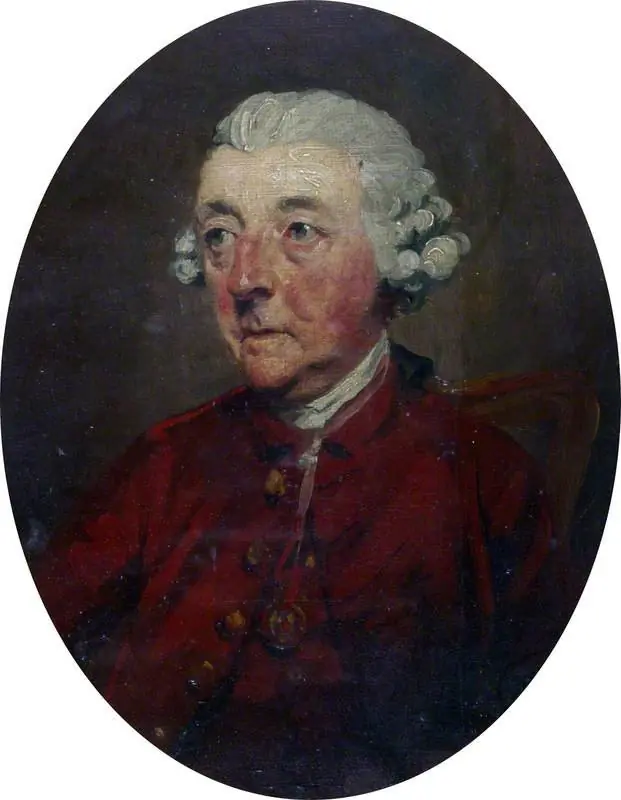 William Whitehead (1715–1789), Poet Laureate
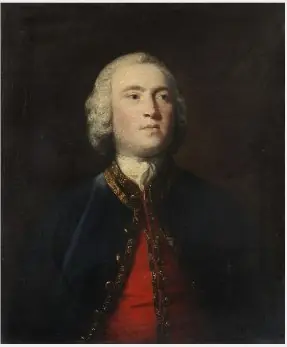 Portrait of Captain George Edgcumbe, later 1st Earl of Mount-Edgcumbe (1720-1795)
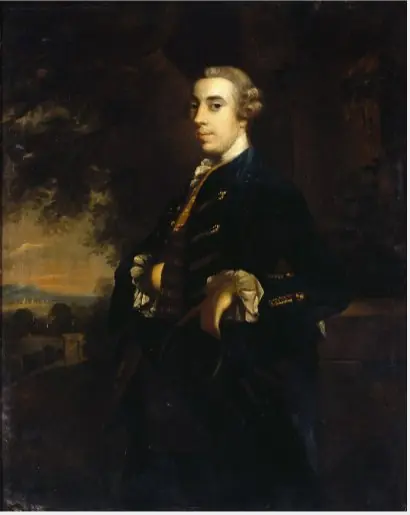 Portrait of James Fitzgerald, 20th Earl of Kildare, later 1st Duke of Leinster
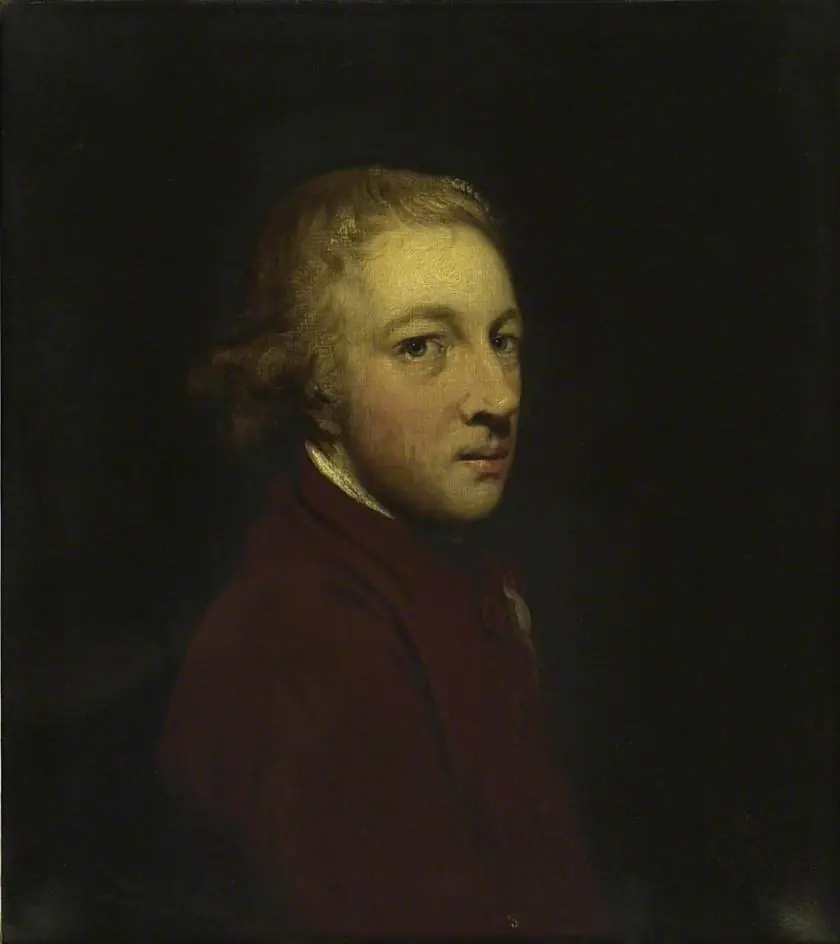 Portrait of a young Man
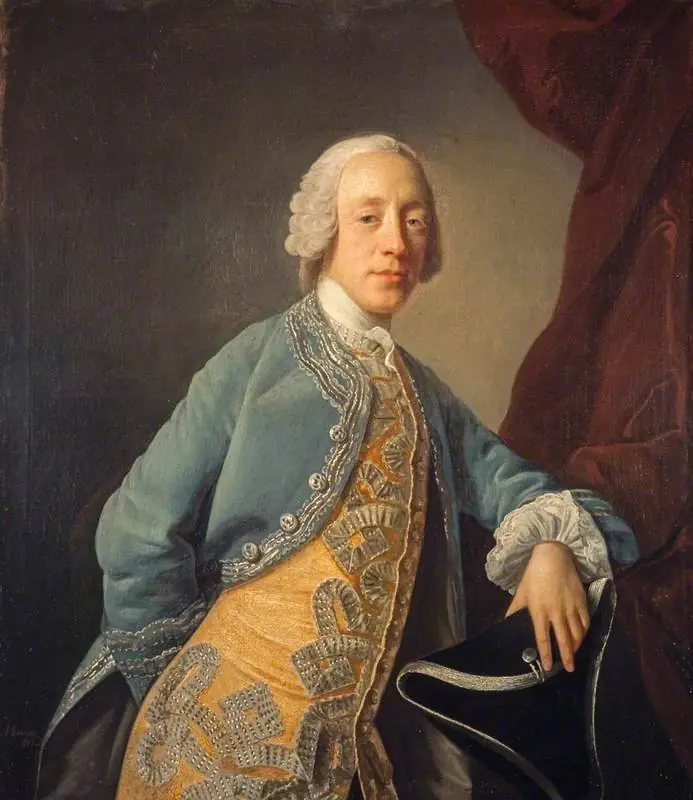 Thomas Lamb of Rye (1719 - 1804)
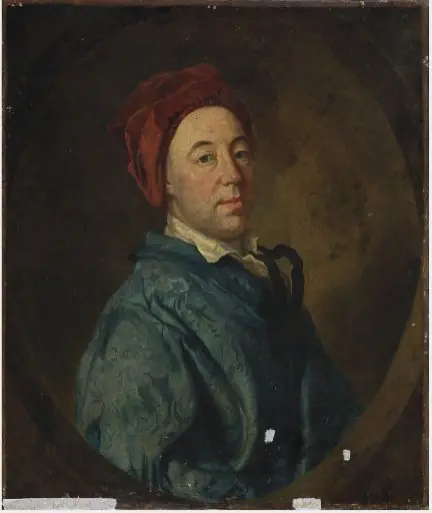 Self-Portrait
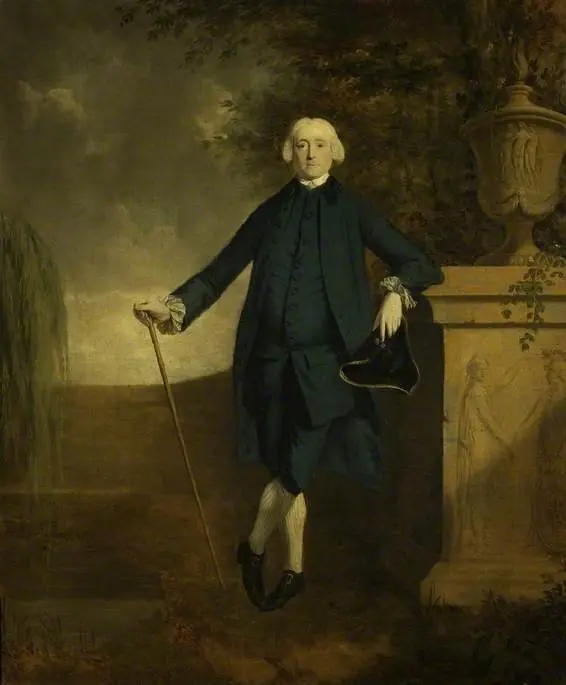 Francis Page of Newbury
 George Bristow (1727 - 1815)
 Gentleman