Artwork
Infanta Margarita Teresa
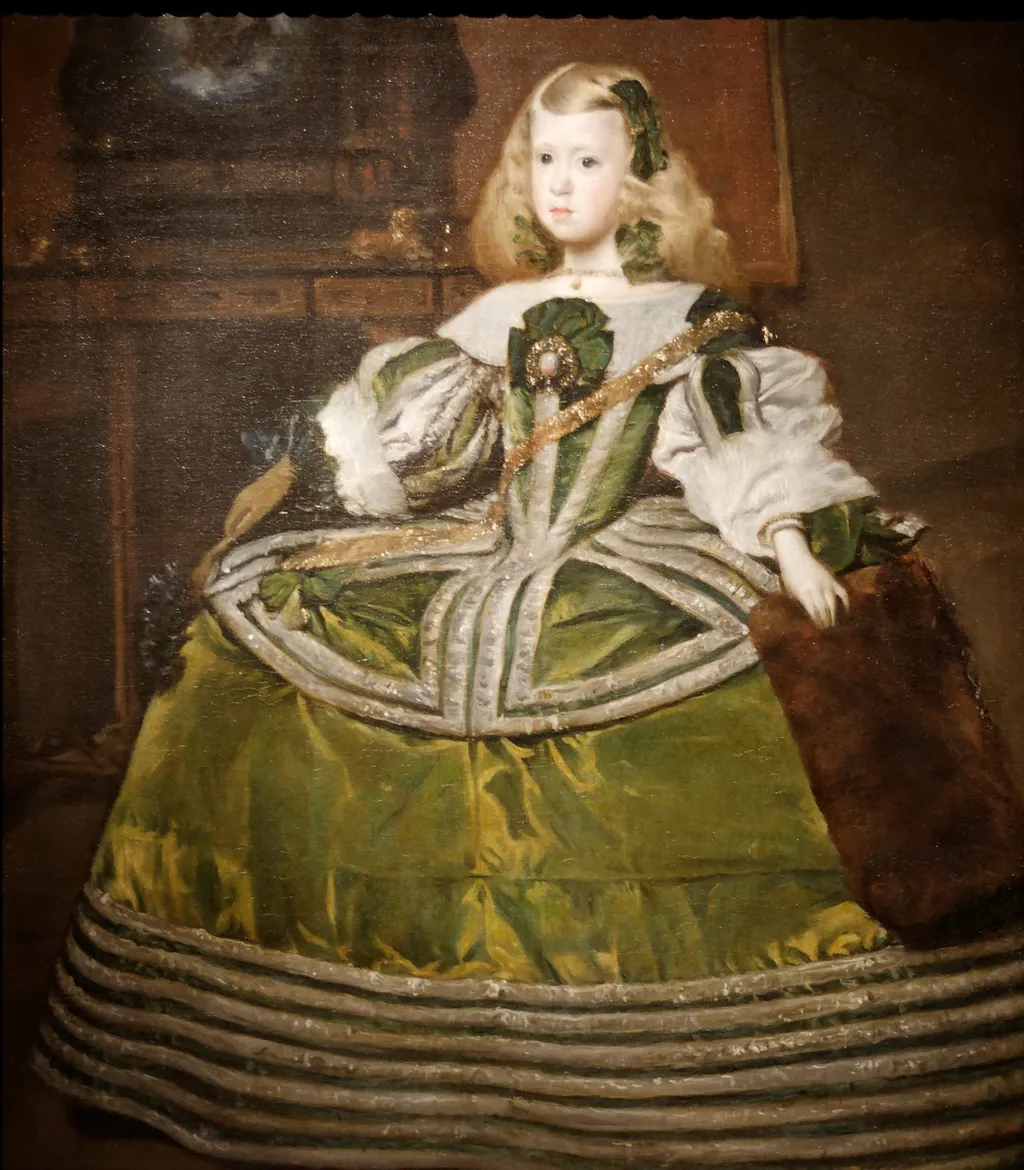
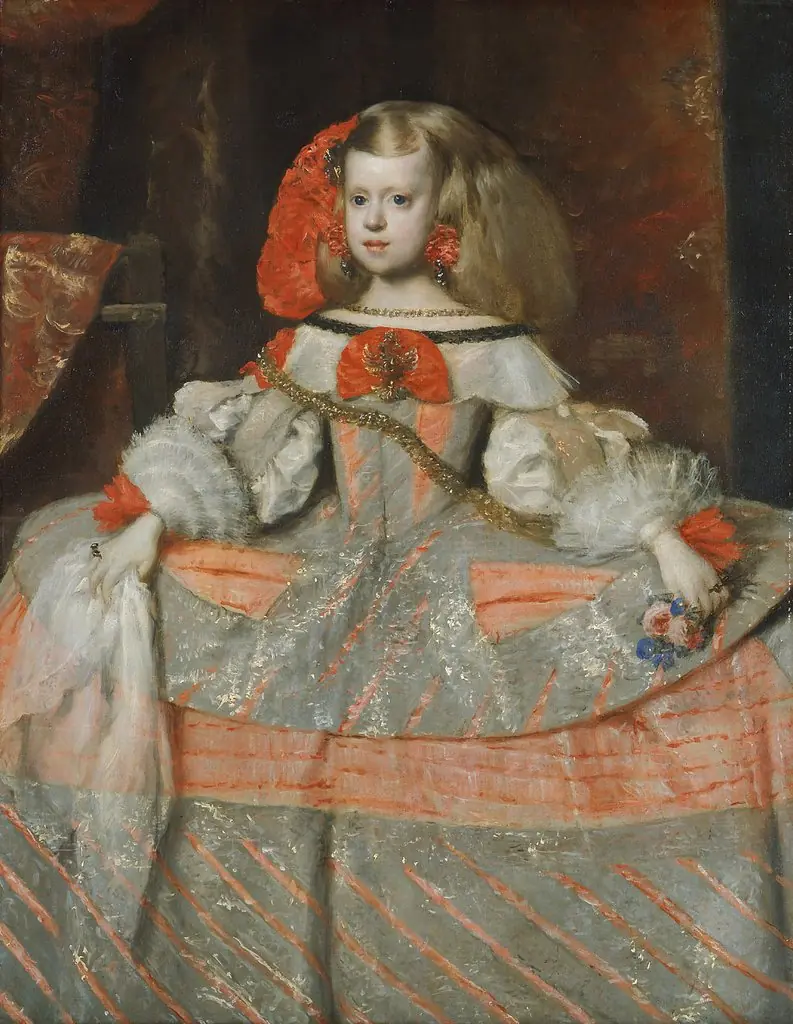
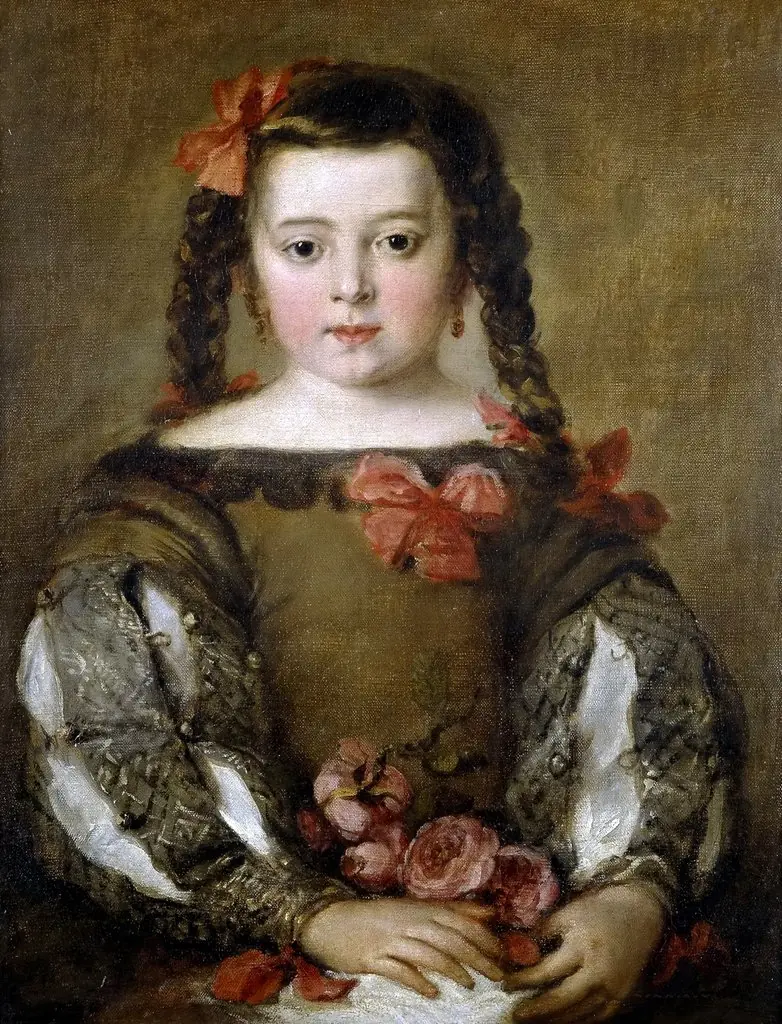
Infanta Margarita Teresa is an oil painting by the Early Baroque Italian artist Juan Bautista Martínez del Mazo. It dates from 1660 and is held in the collection of the Museum of Fine Arts, Budapest.
About this work
Overview
The work belongs to the collection of the Museum of Fine Arts in Budapest, where it stands as a representative example of Spanish Baroque portraiture.
Painted in 1660 by Juan Bautista Martínez del Mazo, this oil portrait captures Infanta Margarita Teresa, daughter of King Philip IV of Spain. Del Mazo, a court painter and close associate of Diego Velázquez, rendered the young princess with careful attention to her royal bearing. The work belongs to the collection of the Museum of Fine Arts in Budapest, where it stands as a representative example of Spanish Baroque portraiture.
Subject & Meaning
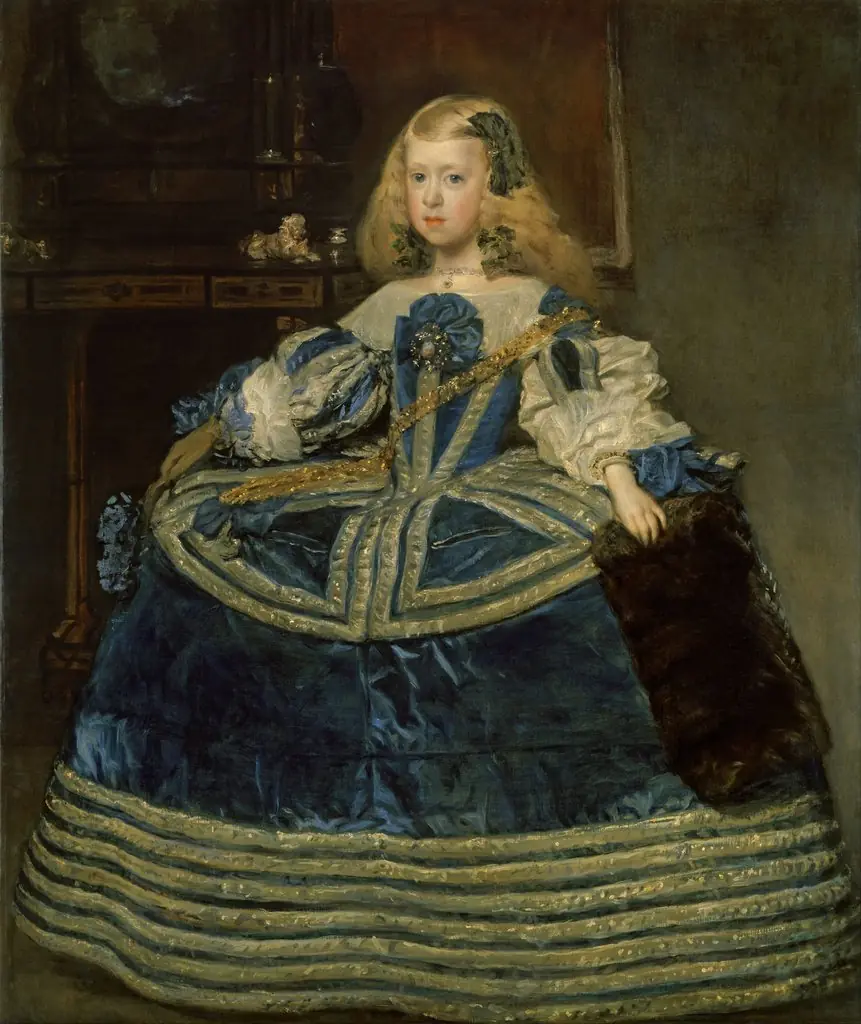
The subject, Infanta Margarita Teresa, was a member of the Spanish Habsburg dynasty, depicted here at a young age. Her direct gaze and composed posture convey dignity befitting her status as an heir to the throne. The elaborate dress and refined demeanor reflect the ceremonial role of royal children in courtly life, serving as symbols of dynastic continuity rather than individual personality.
Technique & Style
Del Mazo employed chiaroscuro to model the infanta’s form, enhancing volume and focus on her face and hands. The brushwork is precise yet fluid, echoing Velázquez’s influence in its subtle transitions and restrained palette. Gold embroidery on the gown is rendered with delicate highlights, while the background remains softly blurred, directing attention to the figure without distraction.
History & Provenance
Created during del Mazo’s tenure as a court painter, the portrait likely served as a diplomatic or familial keepsake. It entered the Hungarian collection in the 19th century, possibly through the acquisition of Habsburg-related artworks. Its presence in Budapest reflects the broader dispersal of Spanish royal imagery across Europe after the decline of the Habsburg line.
Context
In mid-17th century Spain, portraiture was a tool of political representation, especially for royal children whose marriages could secure alliances. Del Mazo’s style, rooted in Velázquez’s naturalism, balanced idealization with observed detail. This portrait aligns with a broader tradition of Habsburg court imagery, where youth and lineage were visually emphasized to reinforce legitimacy.
Legacy
Though less celebrated than Velázquez’s works, del Mazo’s portraits like this one preserve the visual language of the Spanish court. The painting contributes to the understanding of how royal children were portrayed in early modern Europe—not as individuals, but as embodiments of dynastic continuity. Its preservation in Budapest underscores the international reach of Spanish artistic influence.
Artist & collection
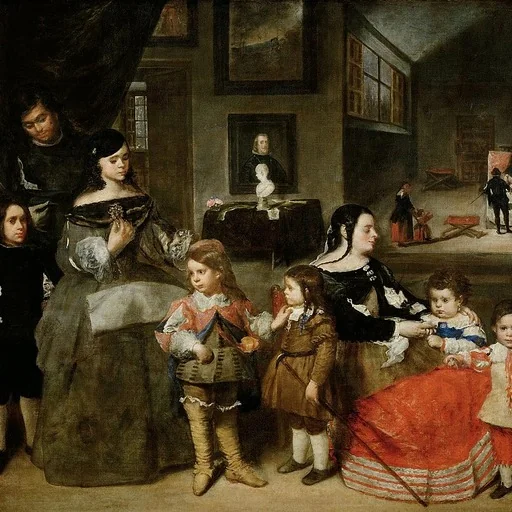
Artist
Juan Bautista Martínez del Mazo
Juan Bautista Martínez del Mazo (c.1612 – February 10, 1667) was a Spanish Baroque portrait and landscape painter, the most distinguished of the followers of his father-in-law Velázquez, whose style he imitated more closely than did any…

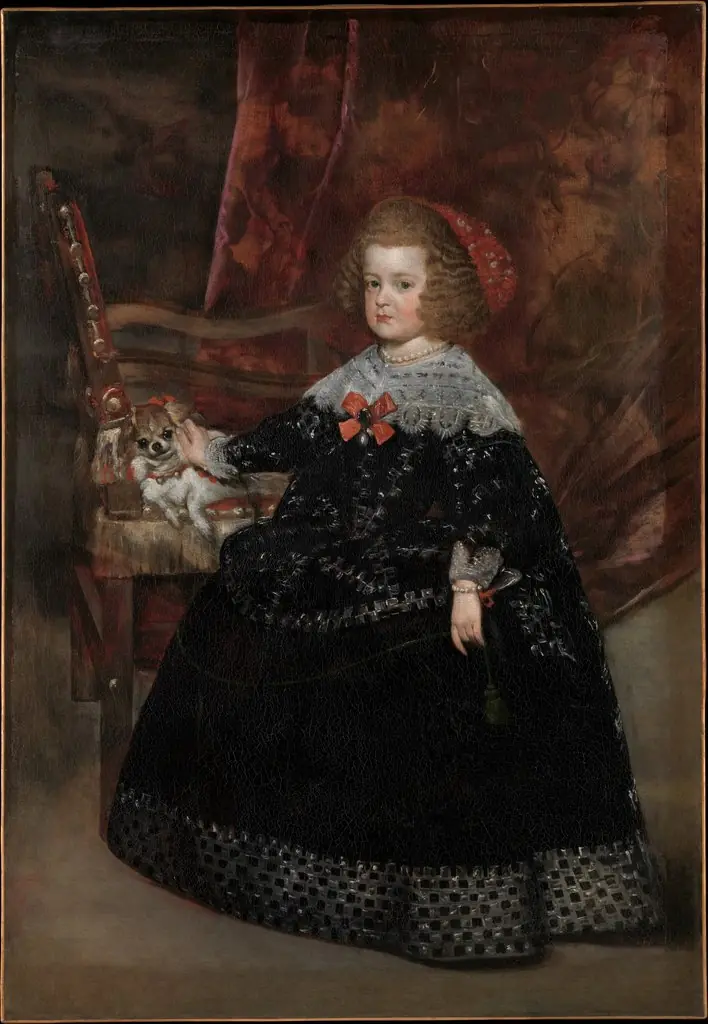 María Teresa (1638–1683), Infanta of Spain
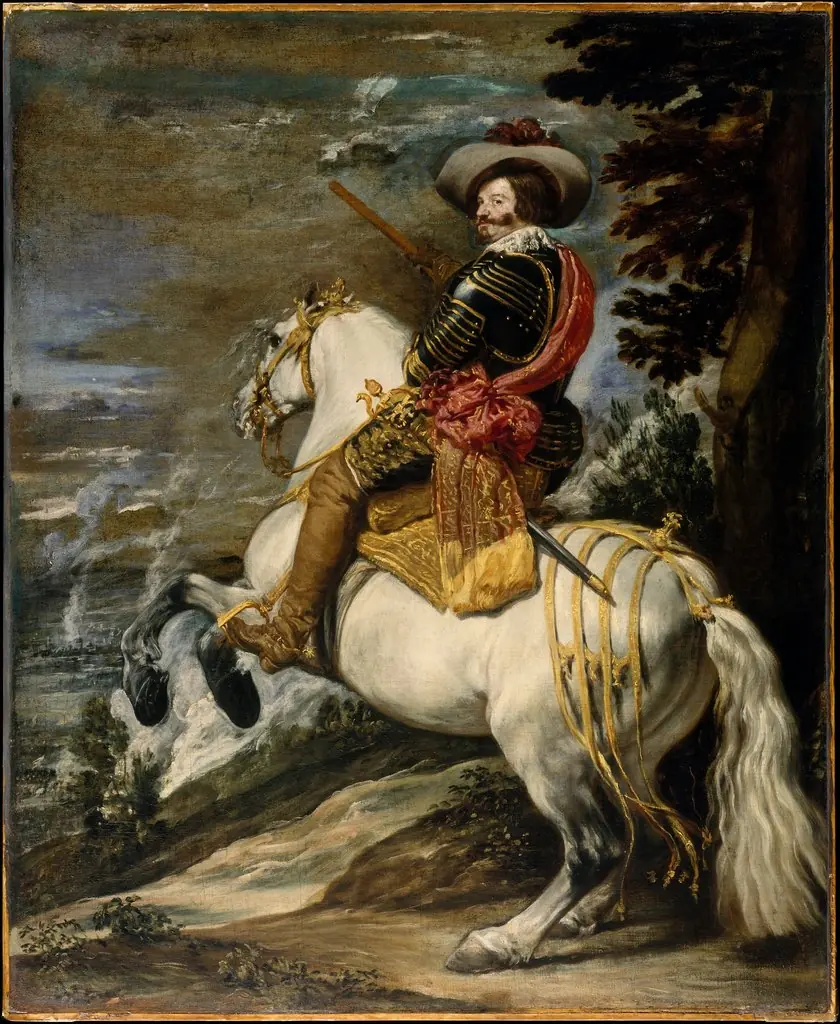 Don Gaspar de Guzmán (1587–1645), Count-Duke of Olivares
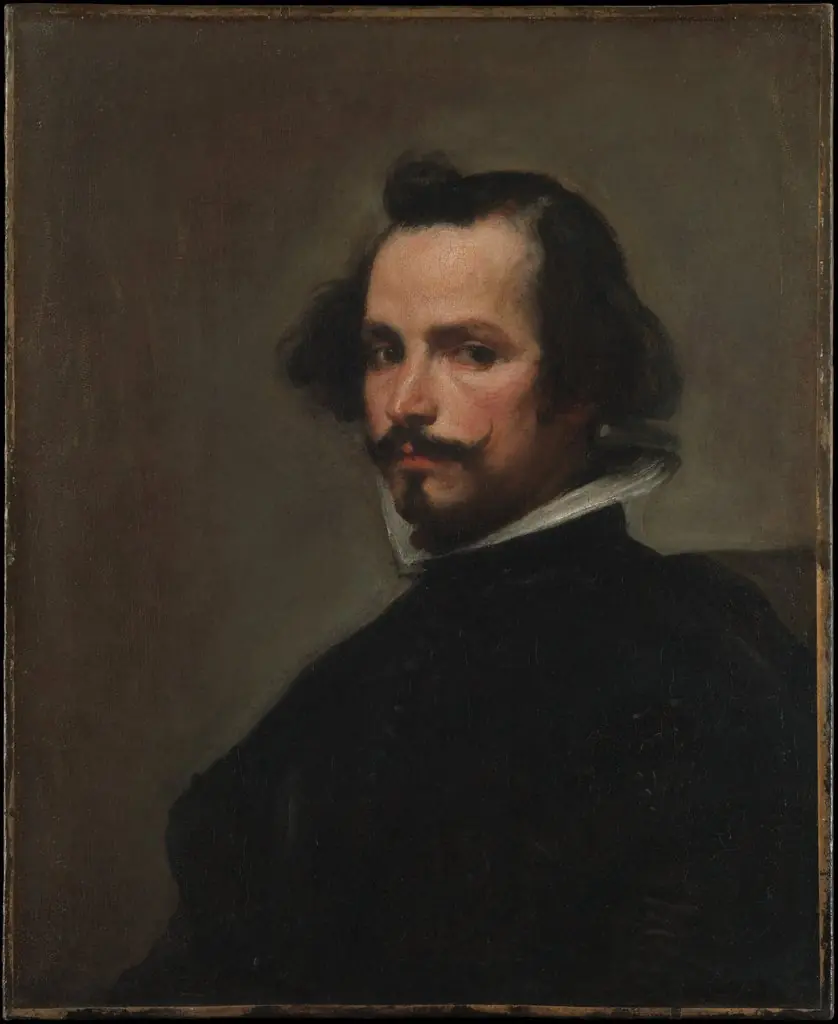 Portrait of a Man
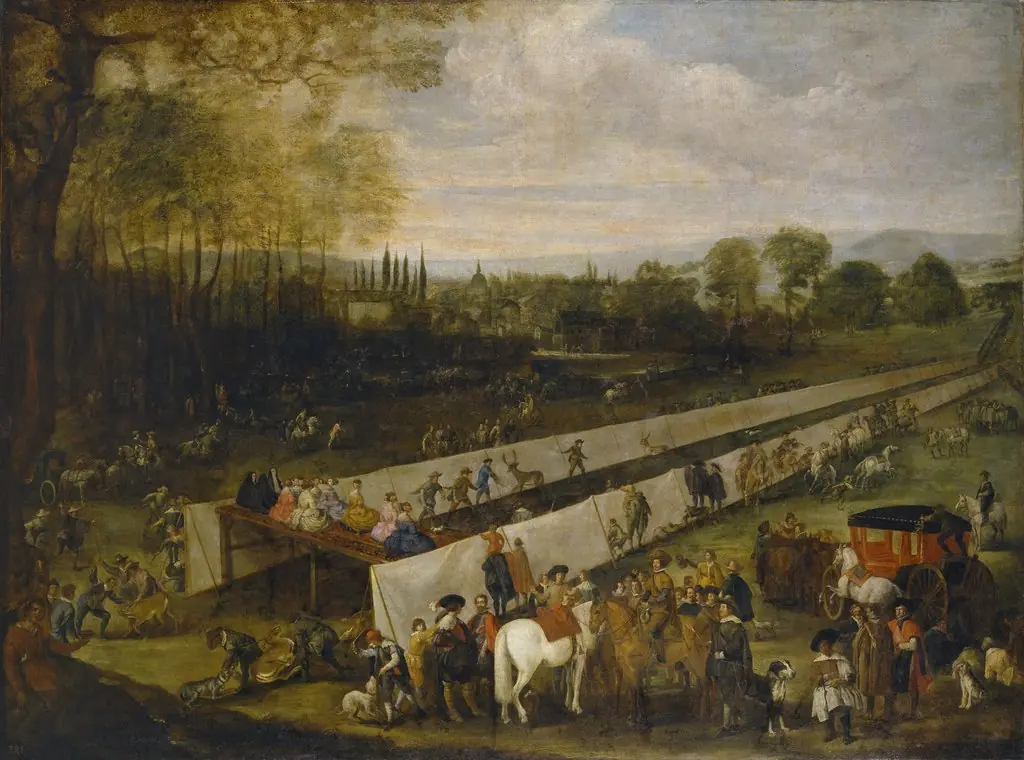 Watching the Hunt in Aranjuez
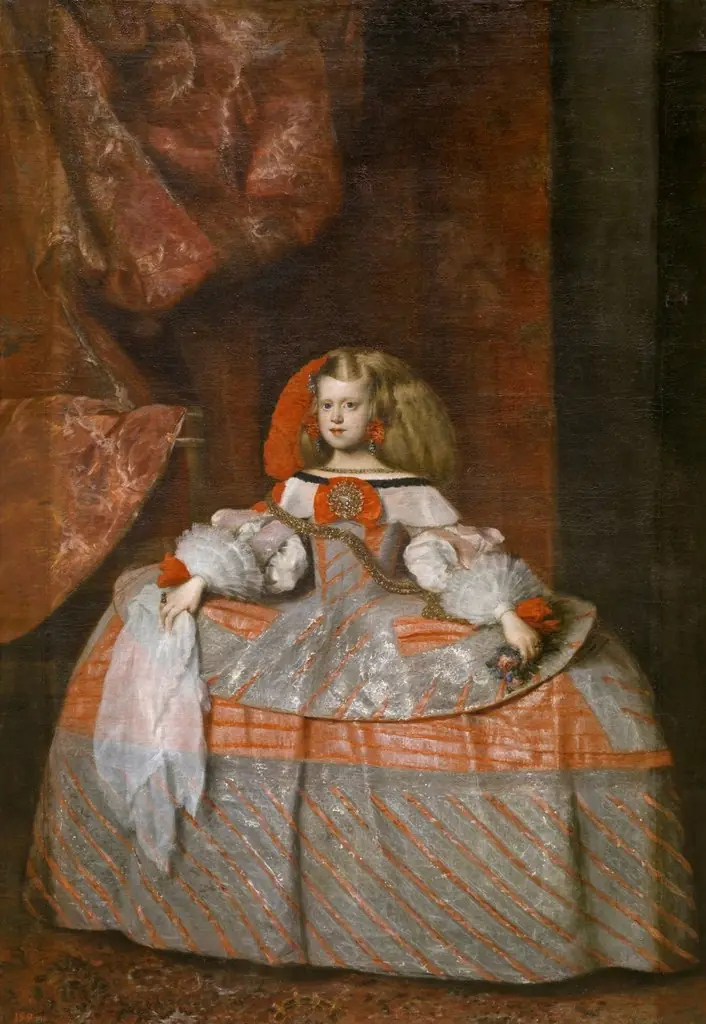 Infanta Margarita Teresa in a Pink Dress
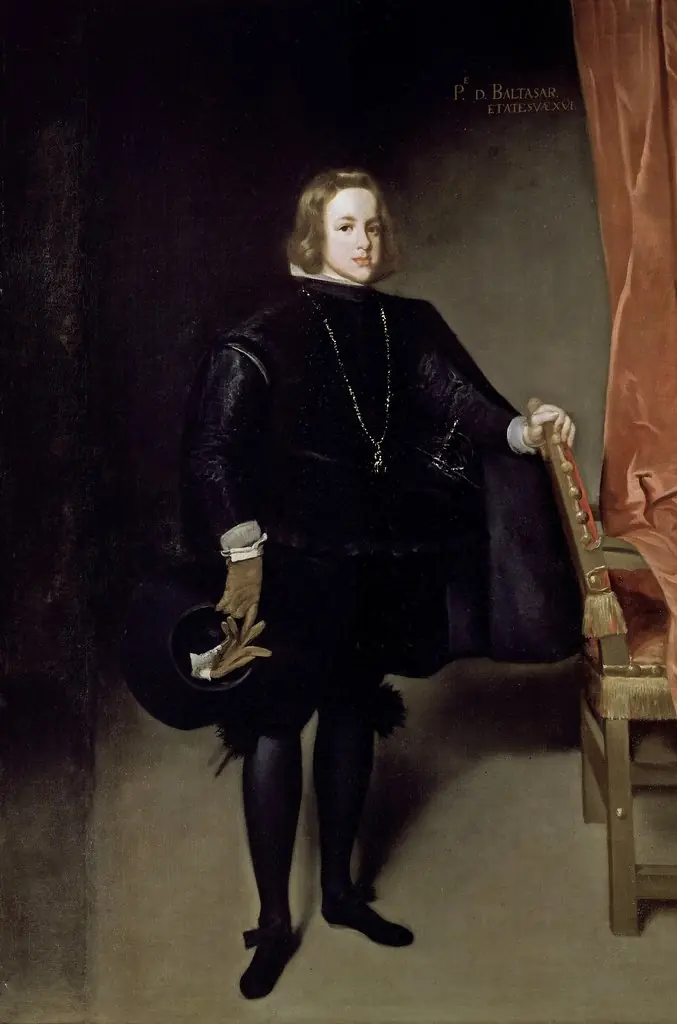 Portrait of Baltasar Carlos of Spain (1629-1646)
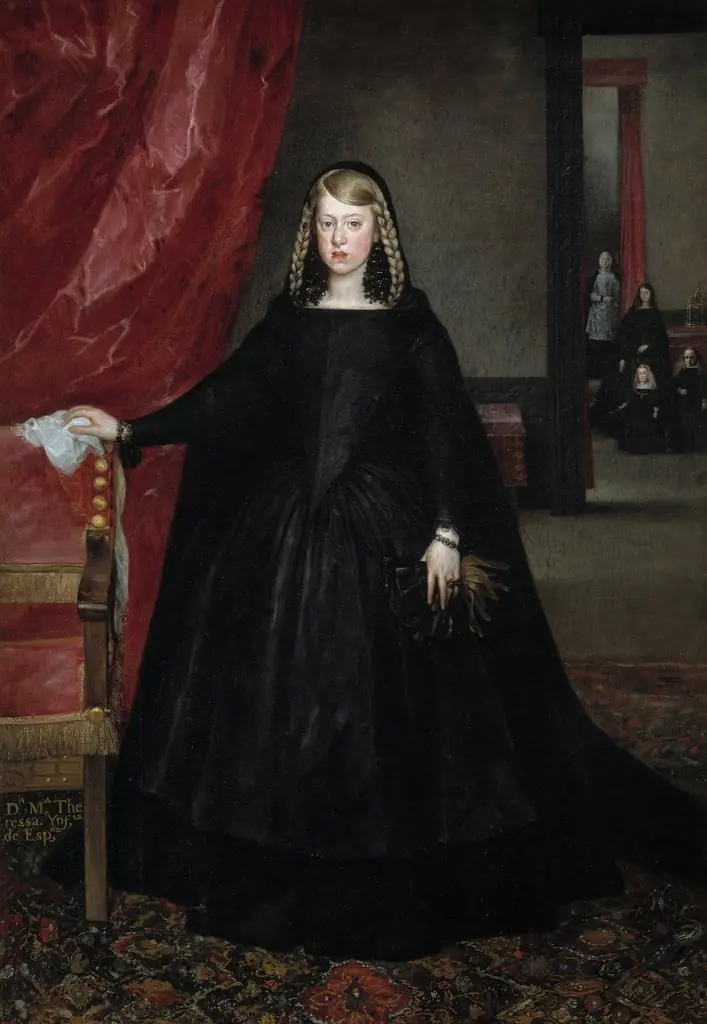 Empress Doña Margarita de Austria in Mourning Dress
 Portrait of a Young Girl