Artwork
The Virgin of Atocha
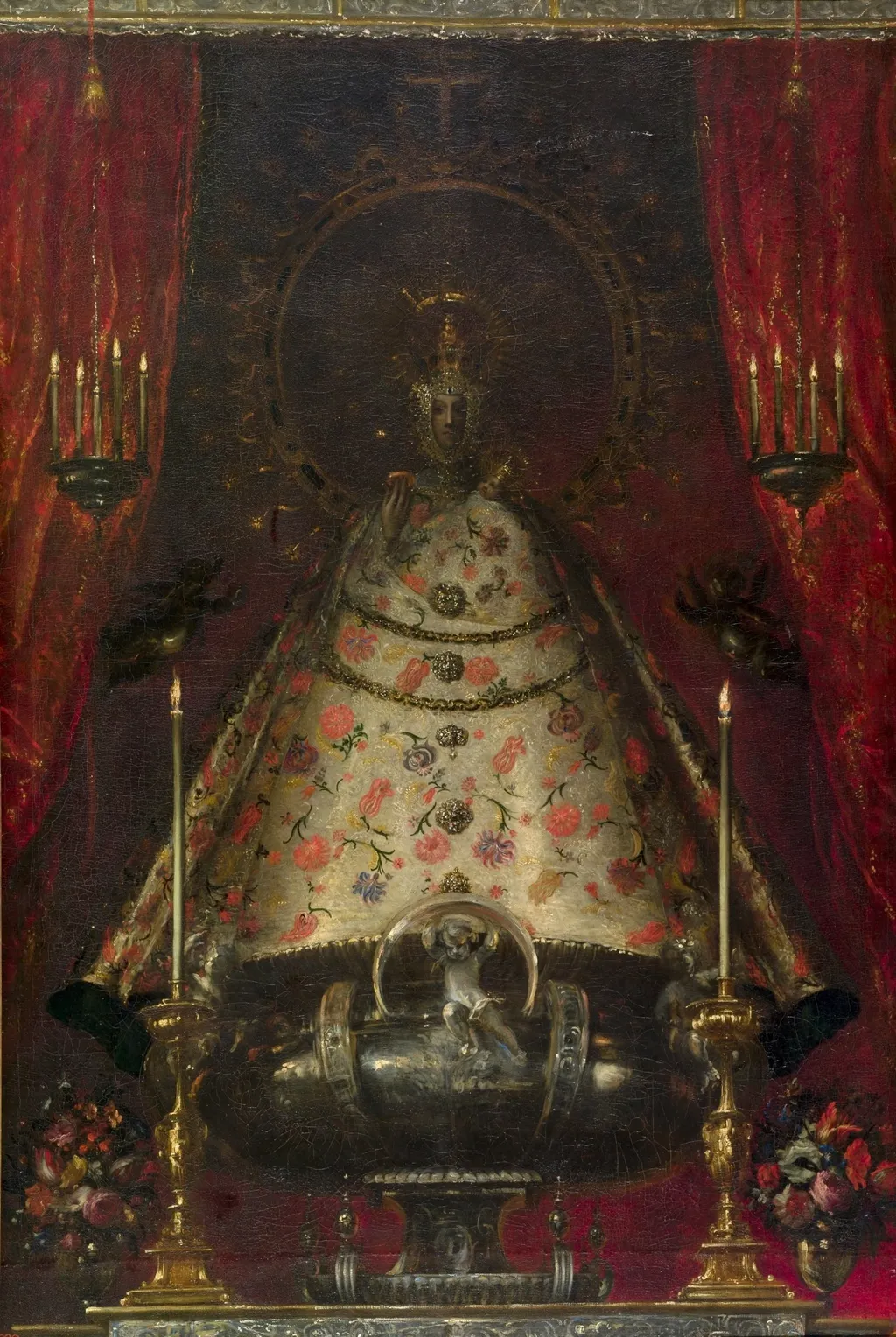
The Virgin of Atocha is an oil painting by the Early Baroque Italian artist Juan Carreño de Miranda. It is held in the collection of the Museo del Prado.
About this work
Overview
Juan Carreño de Miranda’s oil on canvas, dated 1690, presents a devotional image of the Virgin of Atocha. The composition centers on a seated, robed figure within a gilded frame, cradling an infant child. Dark red walls and the soft glow of candlelight frame the scene, creating an intimate, enclosed space that emphasizes the sacred encounter.
Subject & Meaning
The work portrays the Marian devotion to Our Lady of Atocha, a title linked to a historic shrine near Madrid. The Virgin is shown holding the Christ child, whose upward gaze suggests a yearning for divine connection. The painting functions as a visual prayer, inviting contemplation of maternal tenderness and intercessory power.
Technique & Style
Carreño employs a restrained palette of muted pinks, blues, and gold, allowing the faded floral motifs on the Virgin’s gown to emerge subtly. The chiaroscuro of candlelight against the deep red backdrop models form with soft transitions, while the gilded frame adds a decorative, almost theatrical quality typical of late‑Baroque Spanish religious art.
History & Provenance
Completed in the final decade of the 17th century, the painting entered the collection of the Museo del Prado, where it remains on display. Its attribution to Carreño de Miranda, a leading court painter of Philip IV, reflects the artist’s reputation for producing solemn, court‑approved devotional images.
Artist & collection

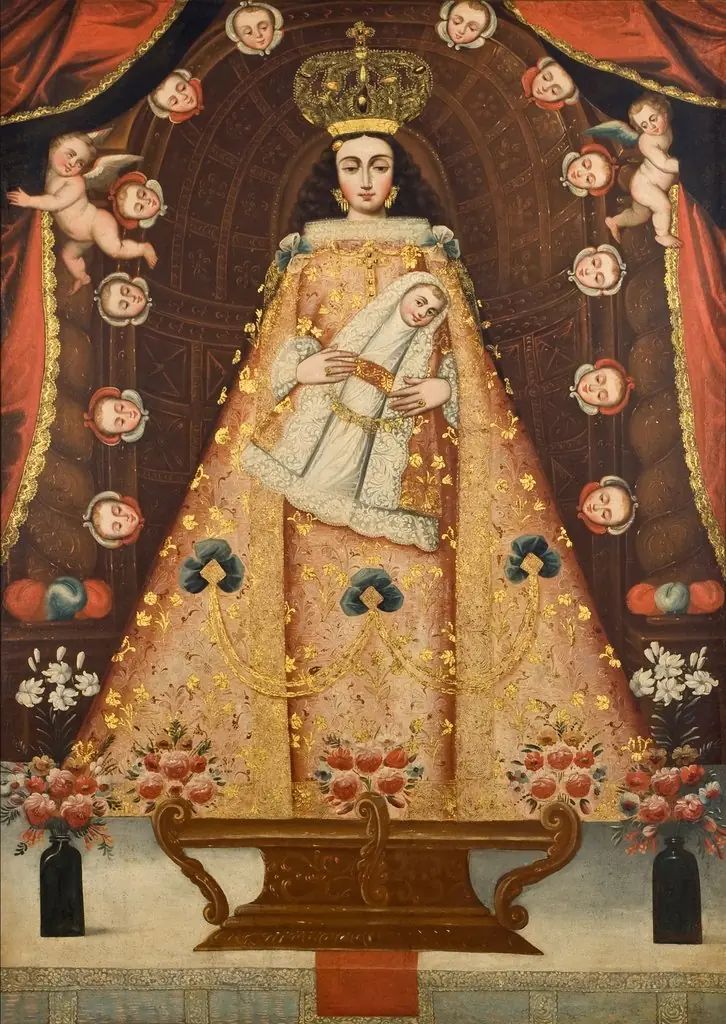 Virgin of Bethlehem
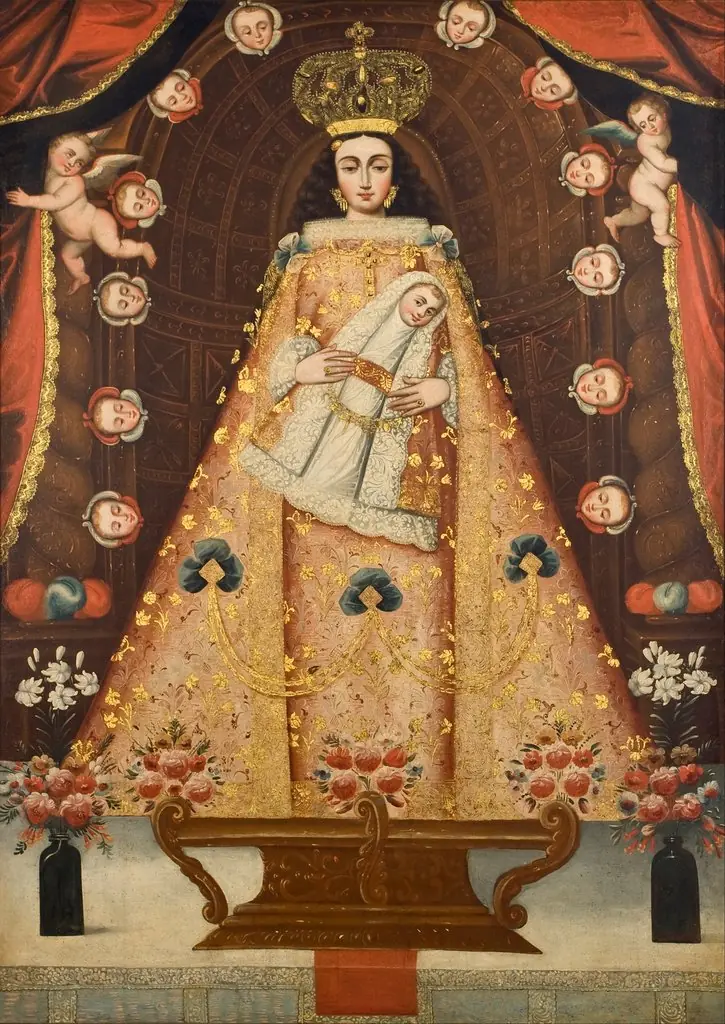 Virgin of Bethlehem
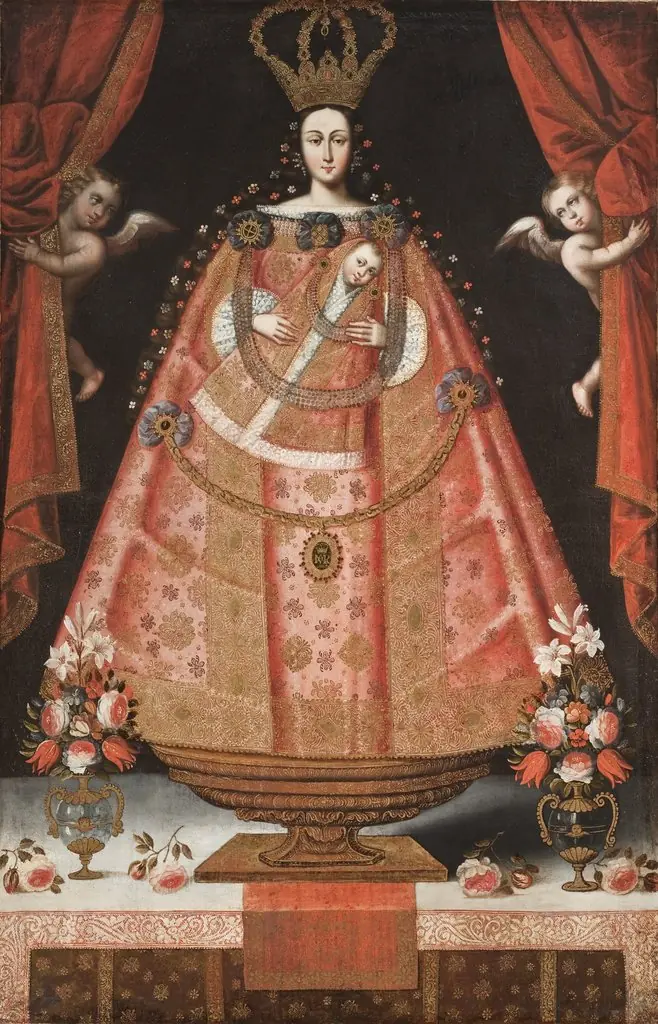 Virgin of Belén (Virgen de Belén)
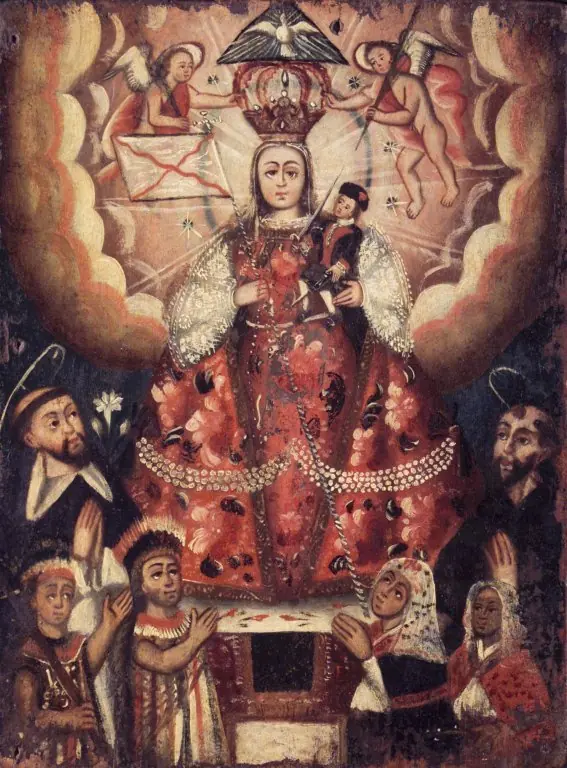 Madonna with Christ Child, St. Dominic, St. Francis, and Indian Worshippers
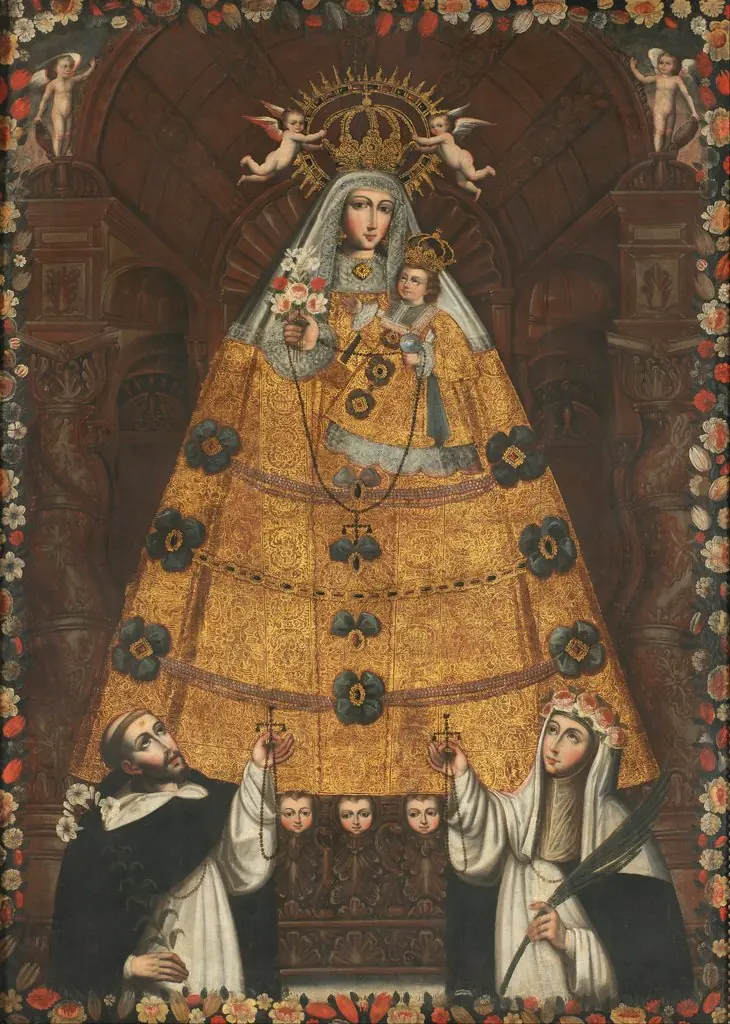 Our Lady of the Rosary with Saint Dominic and Saint Rose
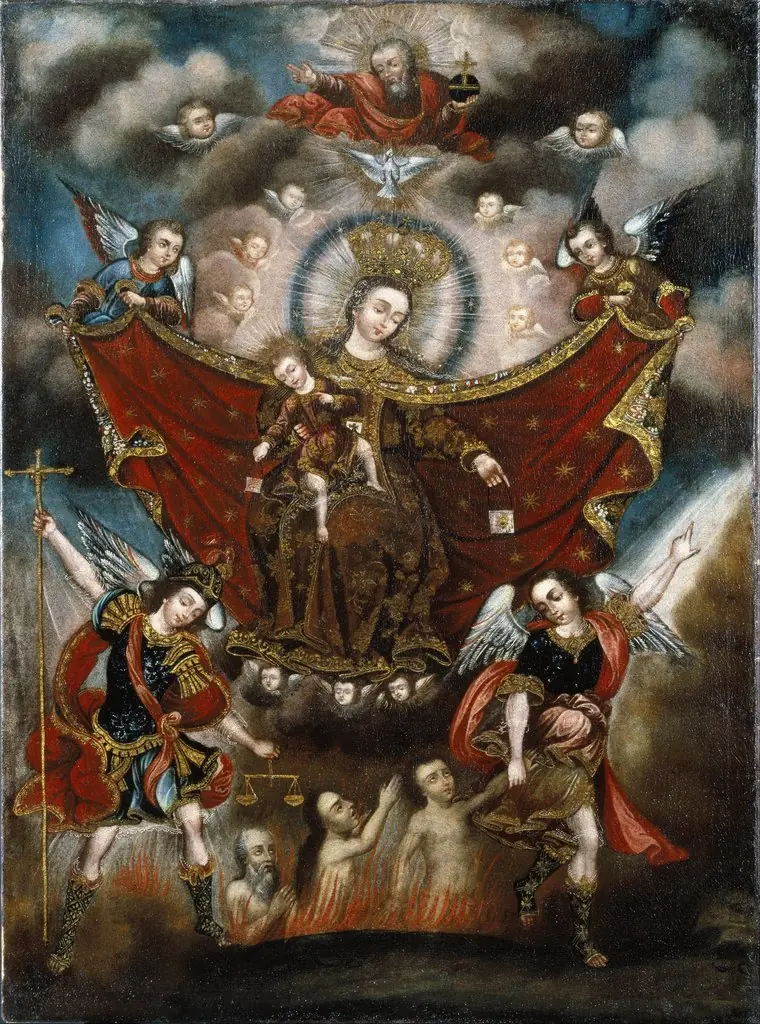 Virgin of Carmel Saving Souls in Purgatory
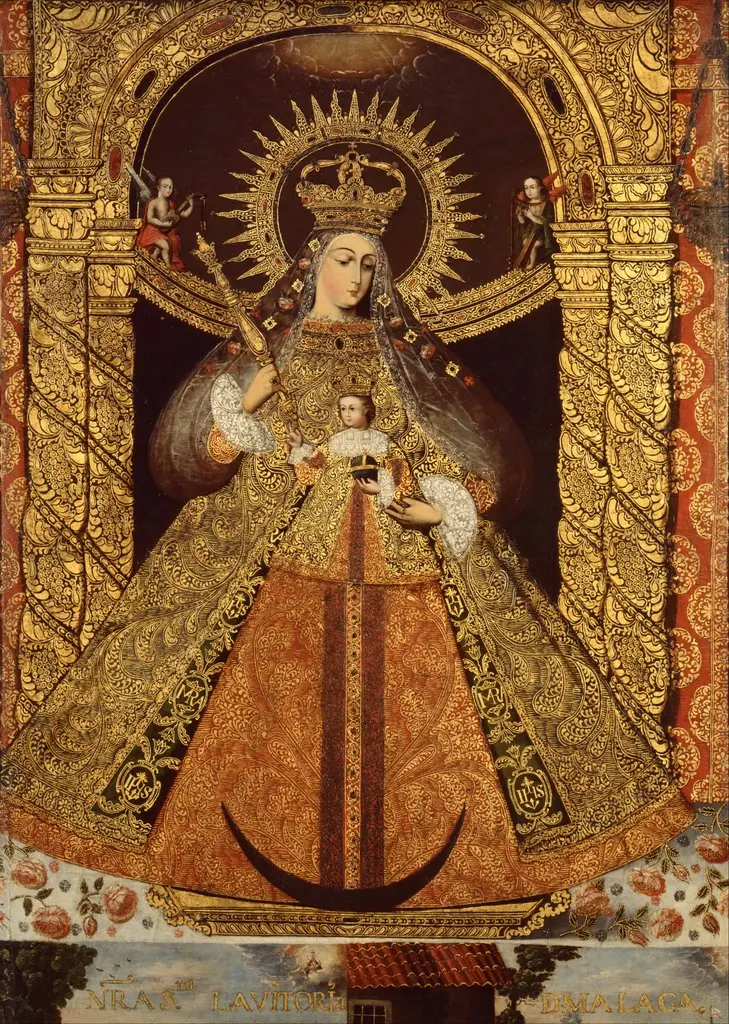 Virgin of the Victory of Malaga
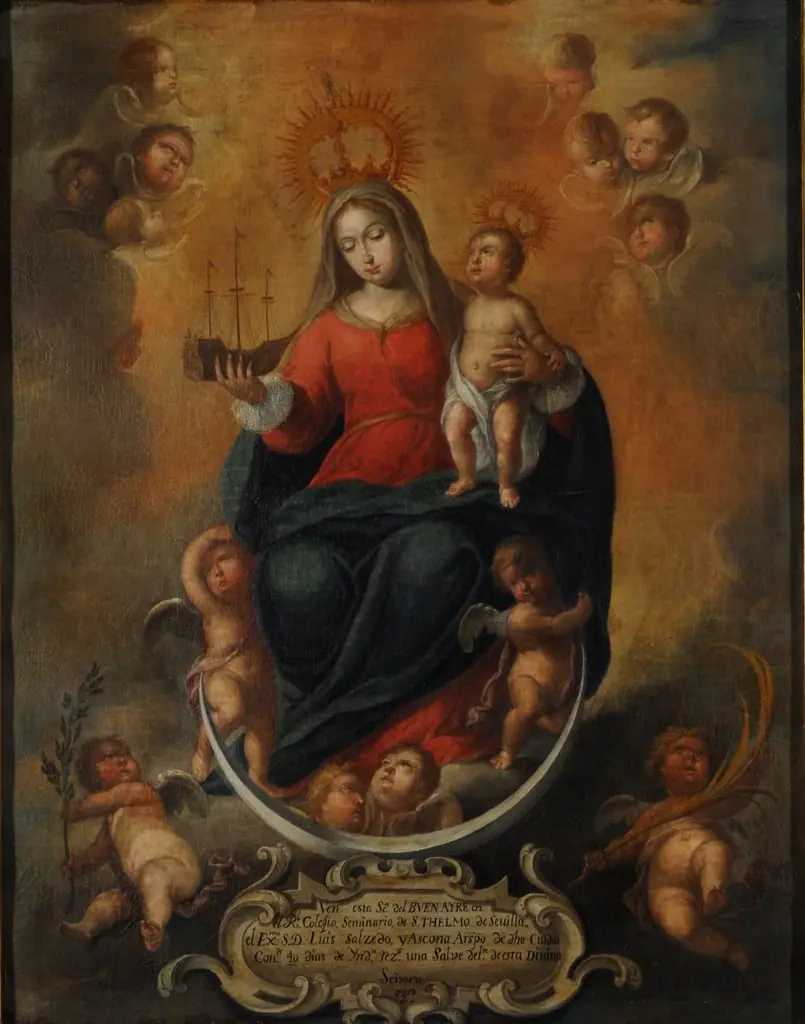 The Virgin of Buen Ayre
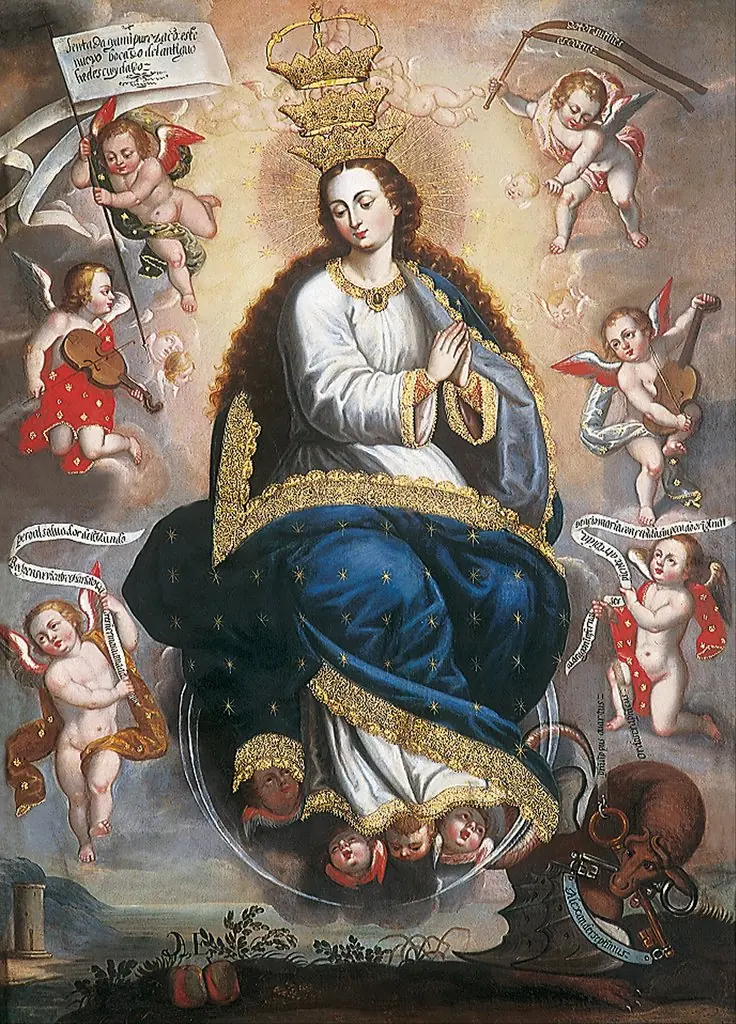 Immaculate Virgin Victorious over the Serpent of Heresy
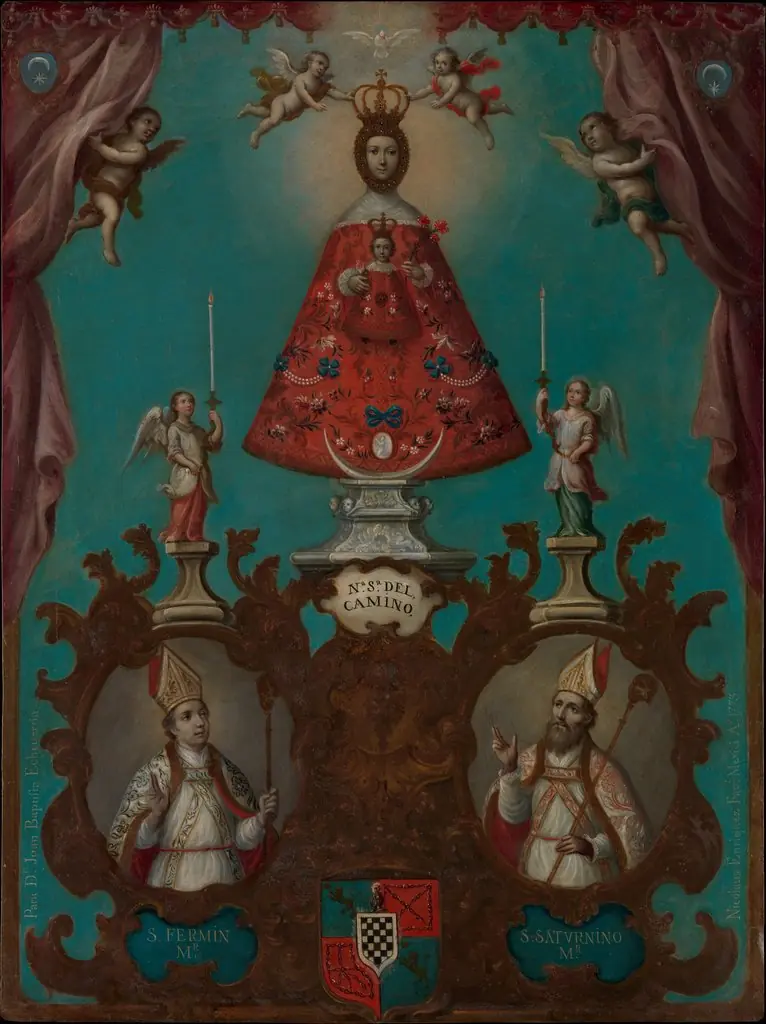 The Virgin of El Camino with St. Fermín and St. Saturnino
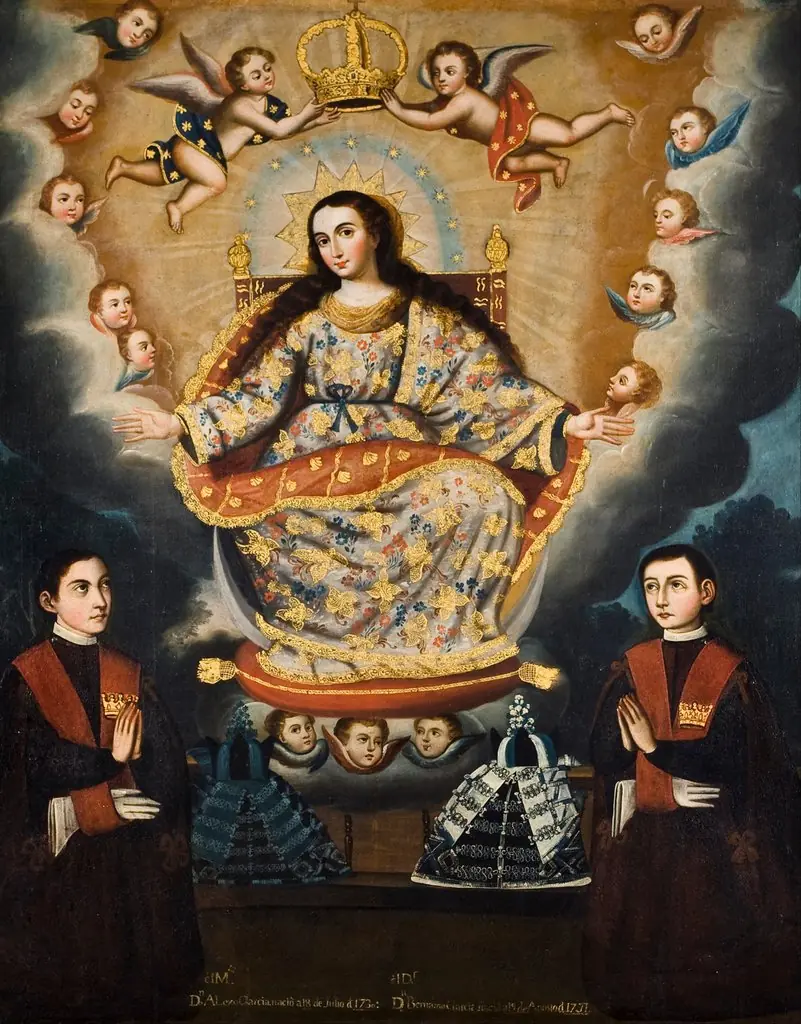 Seated Madonna with Graduation of the García Brothers
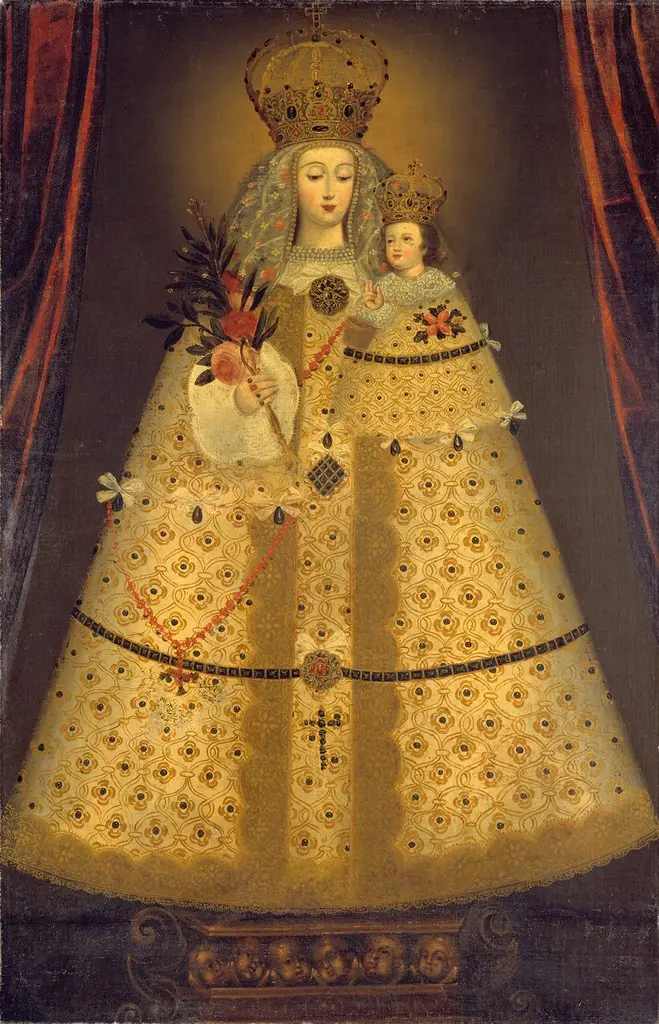 Virgin of the Rosary of Guápulo