Artwork
The High Priest Aaron
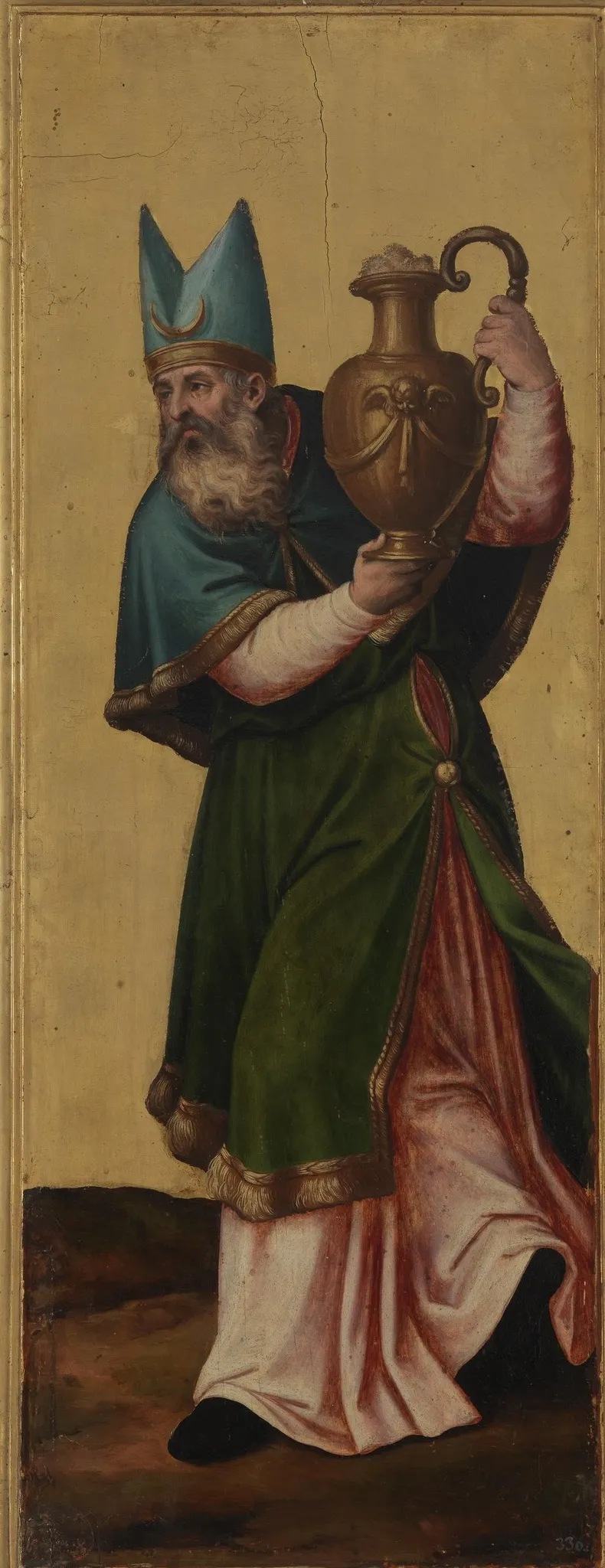
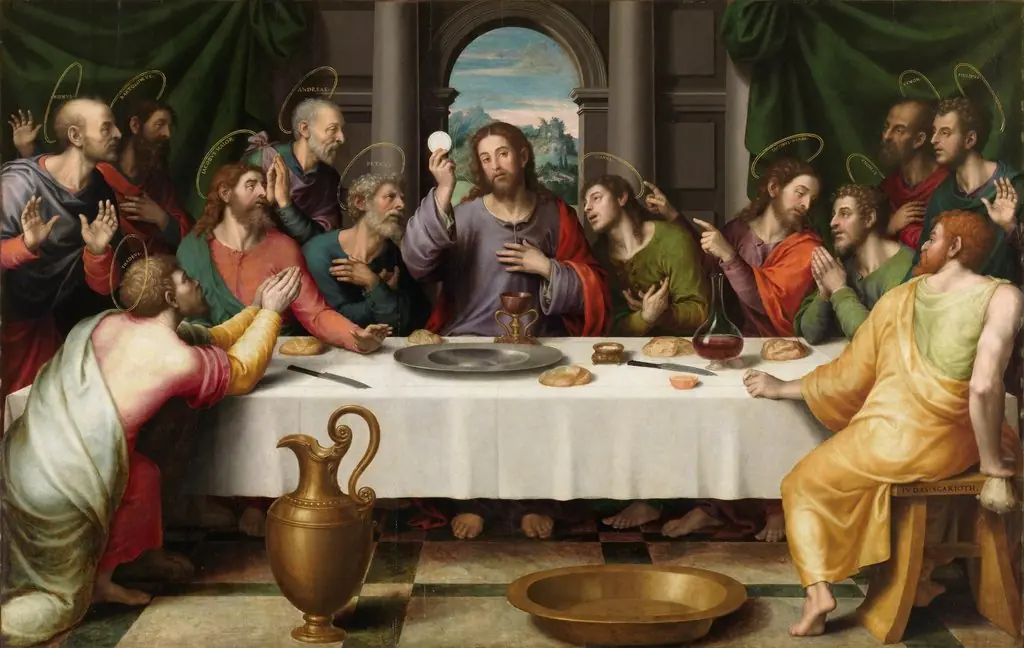
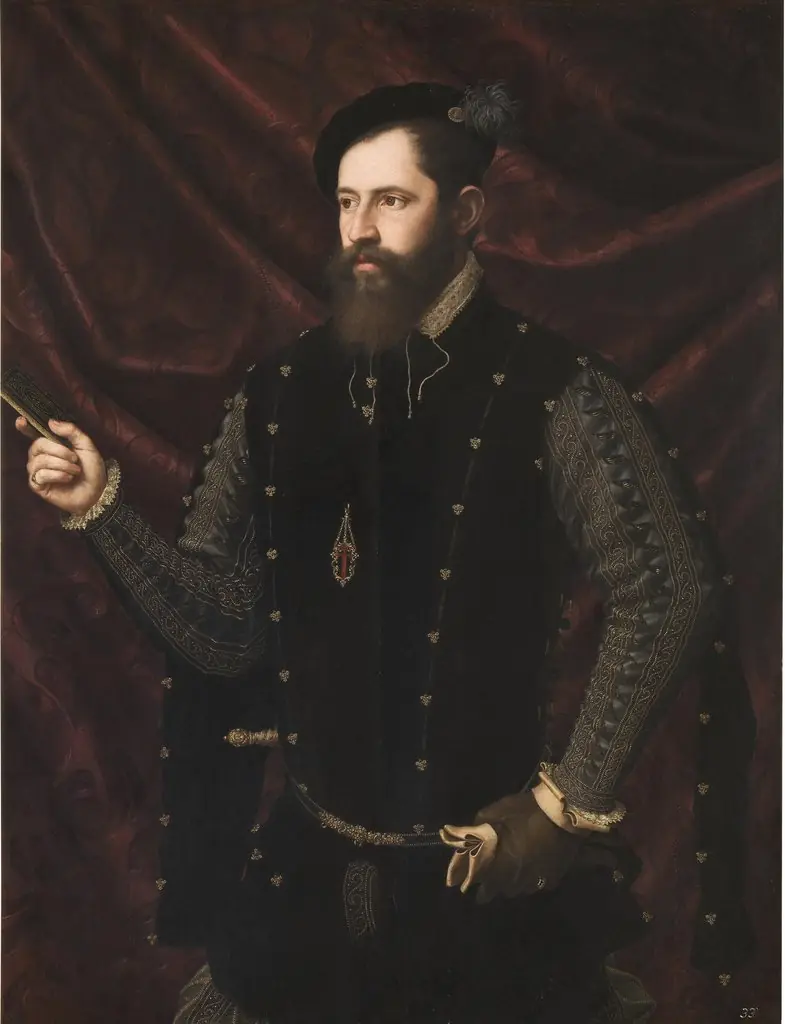
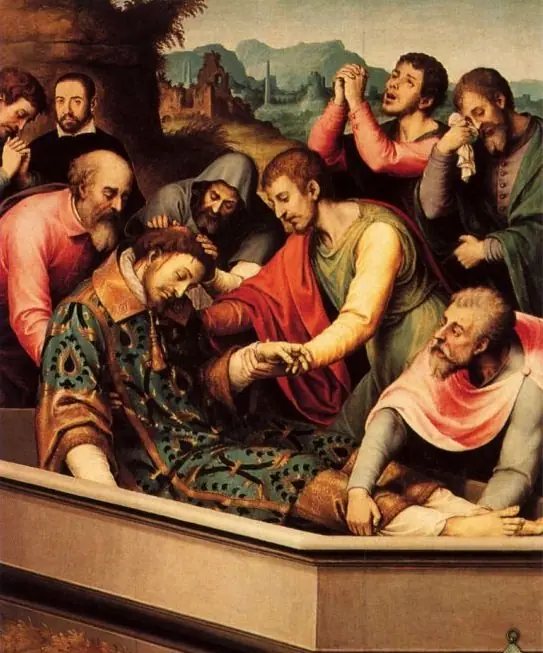
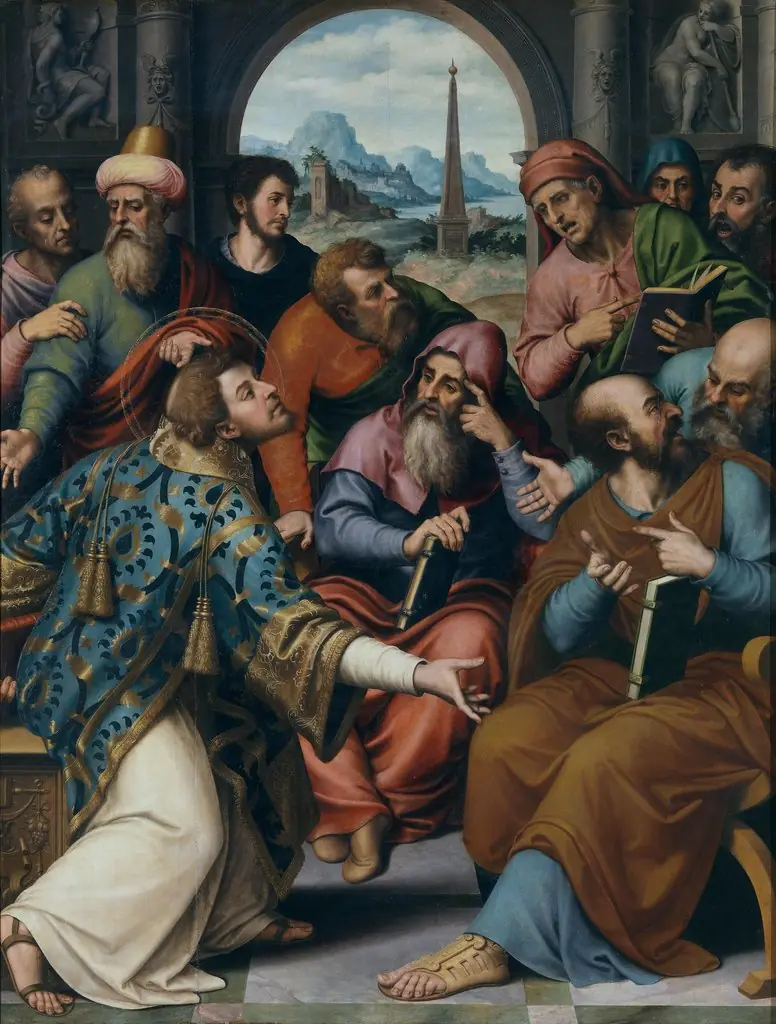
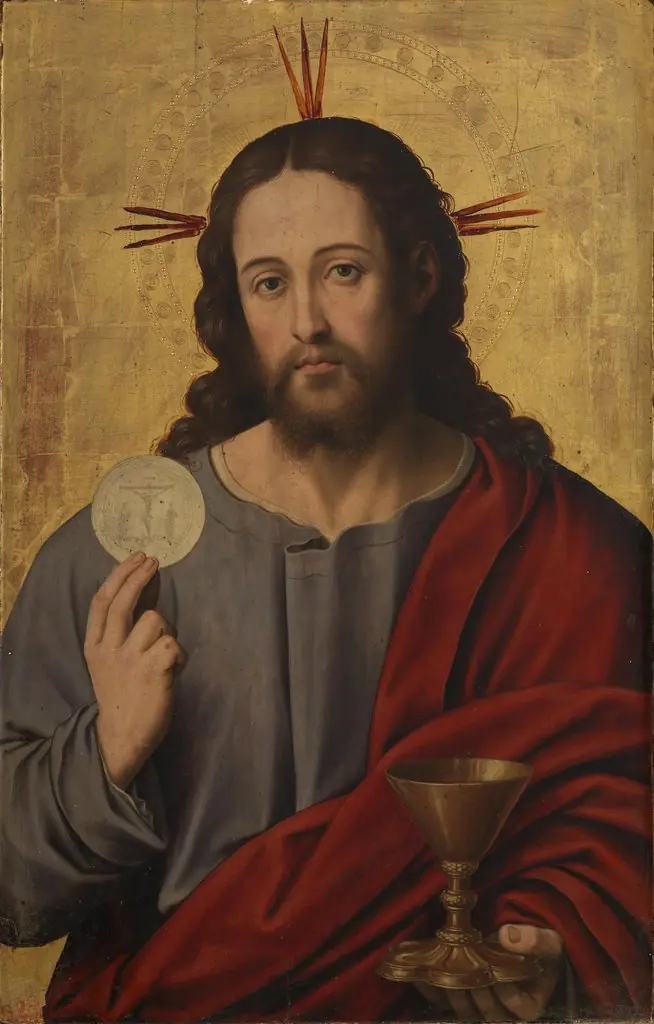
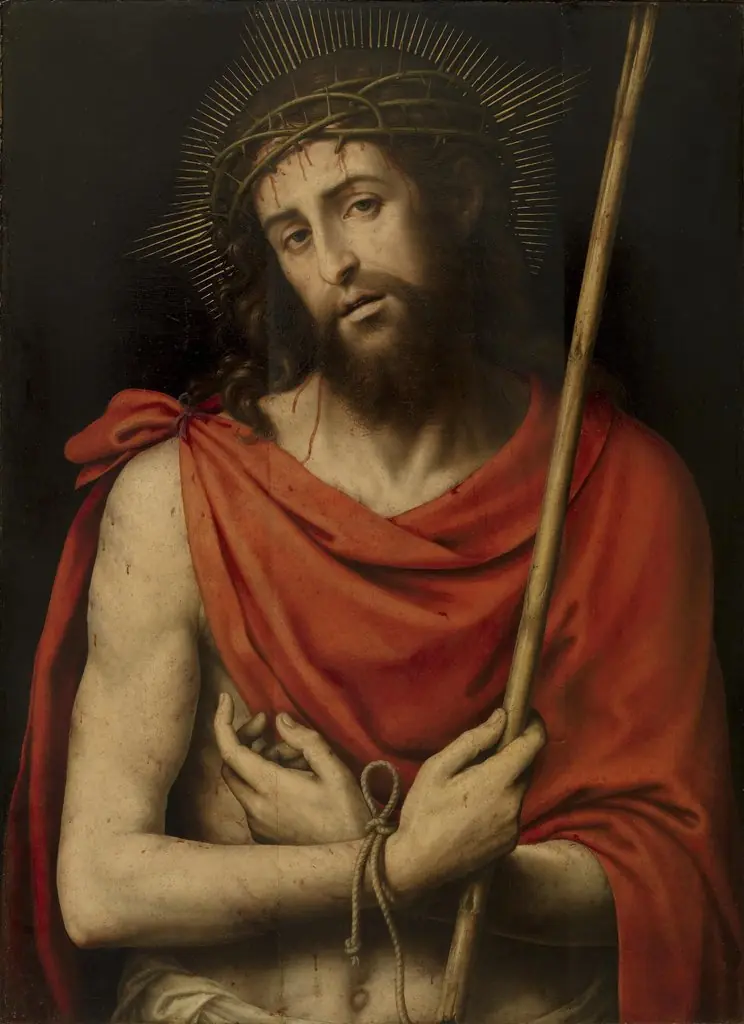
The High Priest Aaron is an oil painting by the Mannerist artist Juan de Juanes. It dates from 1545 and is held in the collection of the Museo del Prado.
About this work
Overview
A central figure in the Valencian school of the Spanish Renaissance, Masip employed oil techniques to render sacred subjects with refined detail.
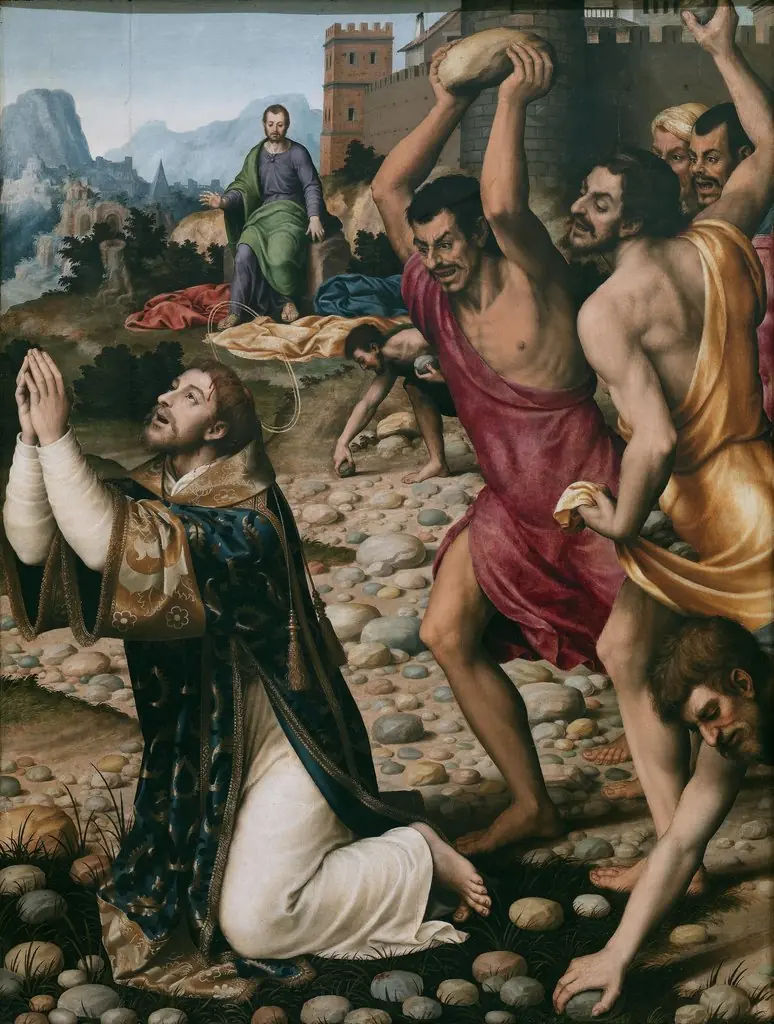
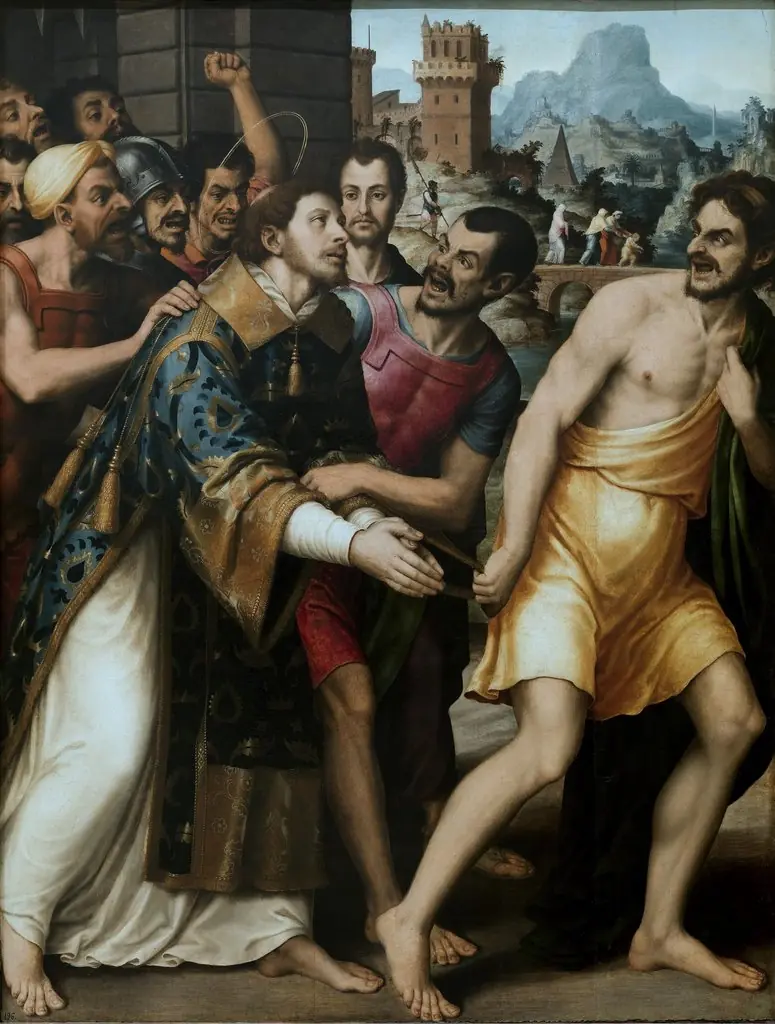
Painted in 1545 by Juan de Juanes, also known as Vicente Juan Masip, this oil-on-panel work depicts the biblical High Priest Aaron. A central figure in the Valencian school of the Spanish Renaissance, Masip employed oil techniques to render sacred subjects with refined detail. The painting resides today in the Museo del Prado, Madrid, as part of its collection of 16th-century Spanish religious art.
Subject & Meaning
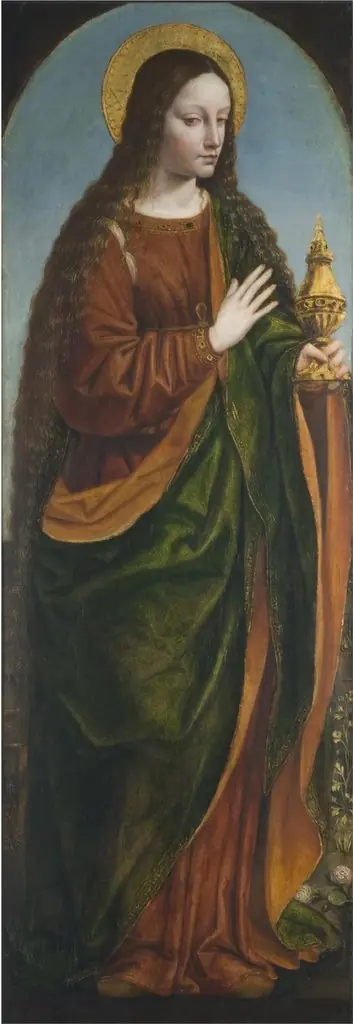
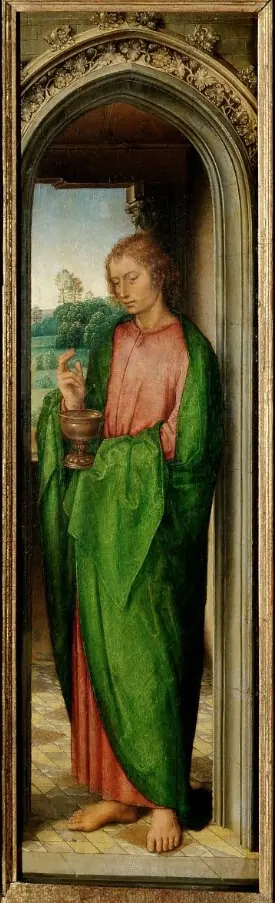
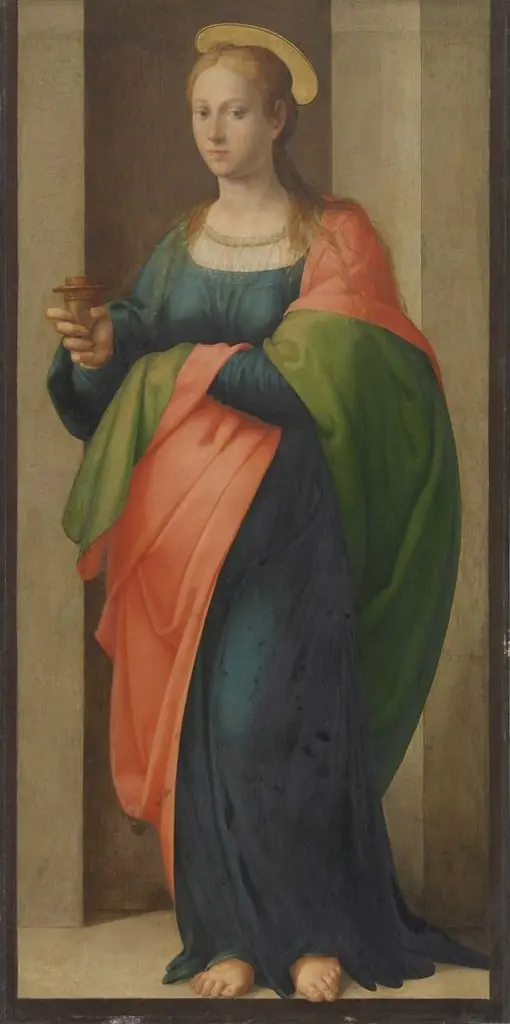
The figure represents Aaron, the brother of Moses and first High Priest of Israel, as described in the Book of Exodus. He holds a golden vessel, likely the censer used in temple rituals, symbolizing his role as mediator between God and the people. His elaborate attire and serene expression convey solemn authority, aligning with Counter-Reformation ideals of clerical dignity and divine order.
Technique & Style
Masip used layered glazing to achieve luminous skin tones and rich metallic surfaces, particularly in the cup and robes. Light falls sharply across Aaron’s face and hands, creating a sculptural effect. The palette—emerald greens, crimson, and gold—is vivid yet subtly muted by time, reflecting the artist’s attention to texture and the quiet intensity characteristic of Mannerist portraiture.
History & Provenance
Commissioned during the height of Spain’s religious artistic production, the painting entered the royal collection in the 16th or early 17th century. It was later transferred to the Prado upon its founding in 1819. Its continuous presence in state collections suggests early recognition of its technical and devotional significance within Spanish ecclesiastical circles.
Context
Created during the Spanish Counter-Reformation, the image reflects the Church’s emphasis on visual clarity and sacred authority. Masip’s style, rooted in Flemish precision and Italianate composition, was influential in Valencia, where artists blended Northern detail with Spanish piety. Aaron’s portrayal aligns with contemporary efforts to reinforce clerical hierarchy through imagery.
Legacy
Though less widely known than contemporaries like El Greco, Masip’s work contributed to the development of Spanish religious painting. His careful rendering of fabric, light, and expression influenced regional artists and helped establish a visual language for sacred figures that endured into the Baroque period.
Artist & collection
Artist
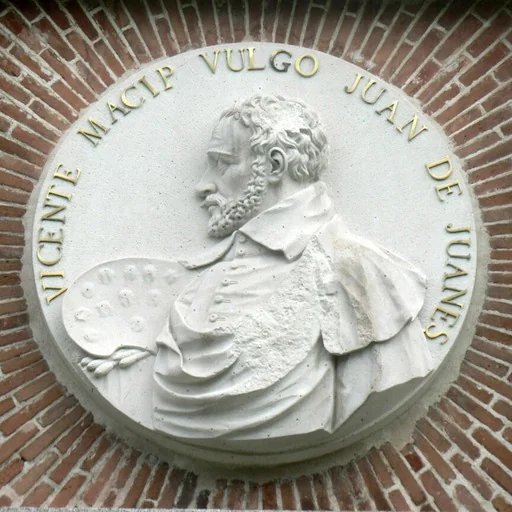
Vicente Juan Masip (also known as Joan de Joanes) (1507 – 1579) was a Spanish painter of the Renaissance period.