Artwork
La última comunión de San Diego de Alcalá
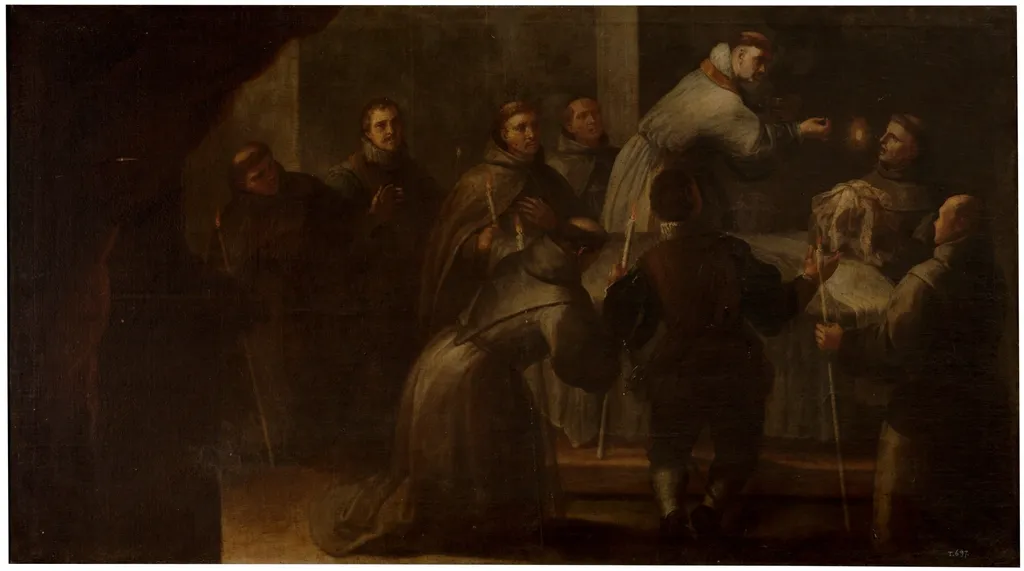
La última comunión de San Diego de Alcalá is an oil painting by the Rococo painting artist Juan García de Miranda. It dates from 1729 and is held in the collection of the Museo del Prado.
About this work
Overview
Juan García de Miranda, a Madrid‑born painter of Asturian descent, completed the oil on canvas *La última comunión de San Diego de Alcalá* in 1729. The work belongs to the late Baroque period and reflects the decorative tendencies of the Rococo. It is presently conserved in the Museo del Prado, where it forms part of the museum’s collection of Spanish religious art.
Subject & Meaning
The composition portrays the saintly figure of Didacus of Alcalá receiving his final communion. The central figure stands on a modest dais, holding a luminous host, while surrounding monks or devotees observe the sacrament with solemn attention. The scene emphasizes the spiritual intimacy of the rite and the saint’s devotion at the moment of his earthly departure.
Technique & Style
Miranda employs a pronounced chiaroscuro, allowing the illuminated faces and the glowing sacramental object to emerge from a predominantly dark interior. The contrast of light and shadow models the figures with a three‑dimensional presence, while the restrained palette and delicate detailing align the painting with the softer, ornamental qualities associated with Rococo religious imagery.
History & Provenance
Commissioned during Miranda’s tenure as Painter to the King, the canvas was likely intended for a devotional setting linked to the cult of San Diego. After the artist’s involvement in restoring fire‑damaged works at the Alcázar, the painting entered the royal collection and, following the establishment of the national museum, was transferred to the Prado, where it remains on display.
Artist & collection
Artist
Juan García de Miranda (1677–1749), was a Spanish painter of the baroque period, a disciple of Juan Delgado and the uncle of Pedro Rodríguez de Miranda.

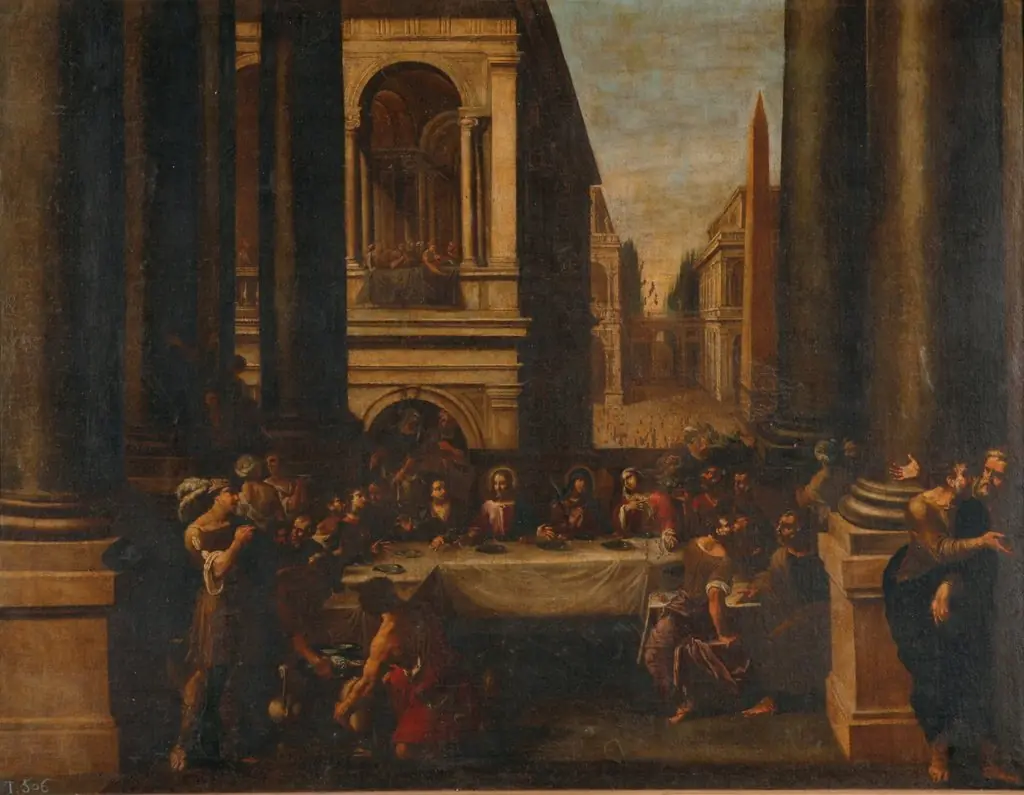 The marriage at Cana
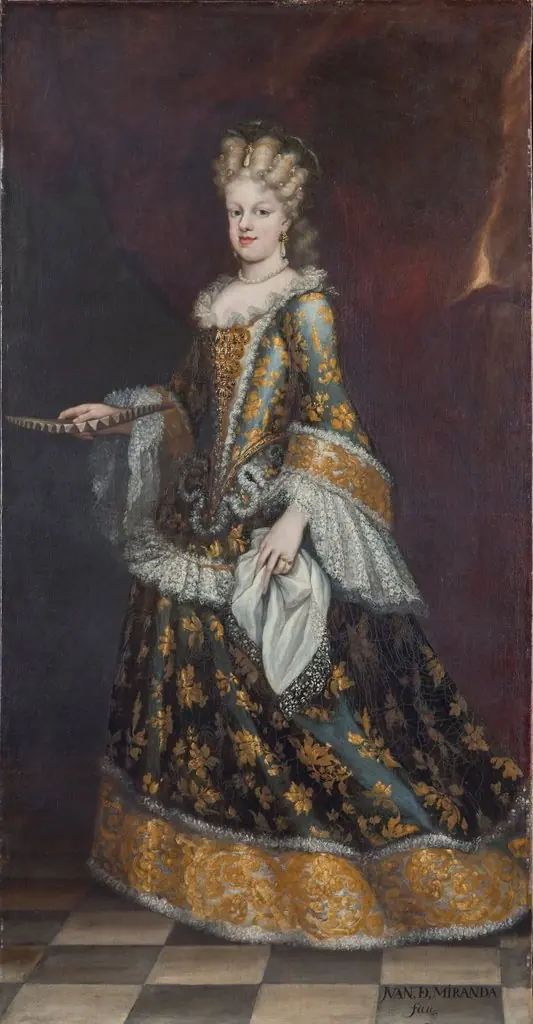 María Luisa Gabriela de Saboya primera esposa de Felipe V
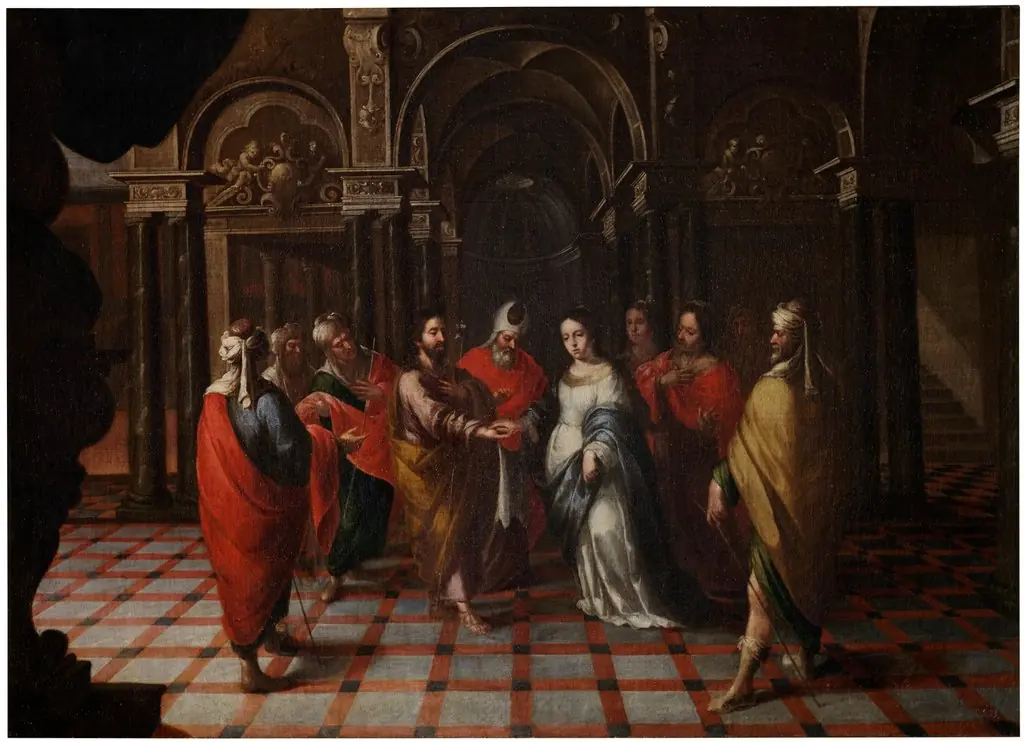 The Betrothal of the Virgin
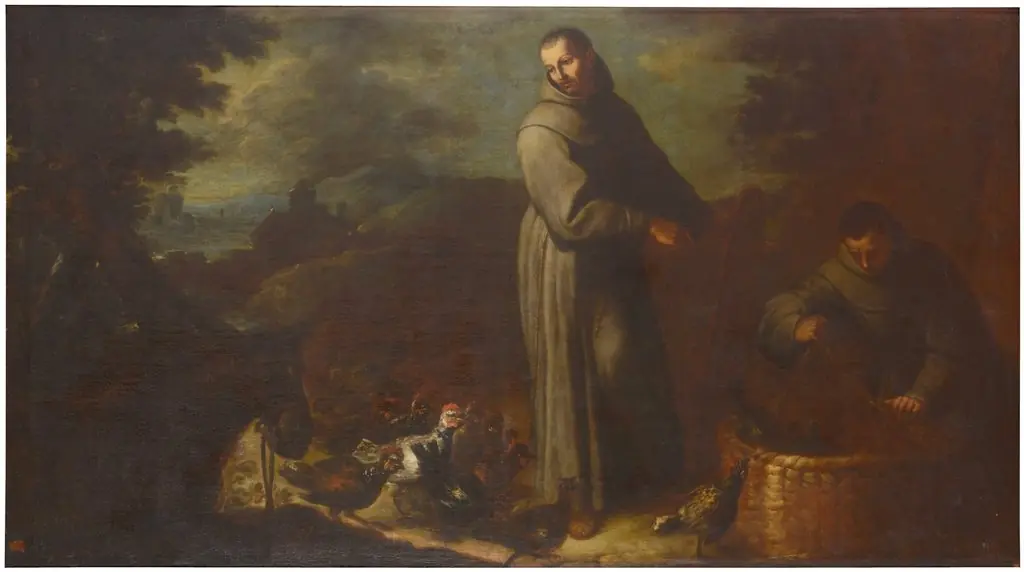 Escena de la vida de San Diego (San Diego y un fraile sacando pollos de un cesto)
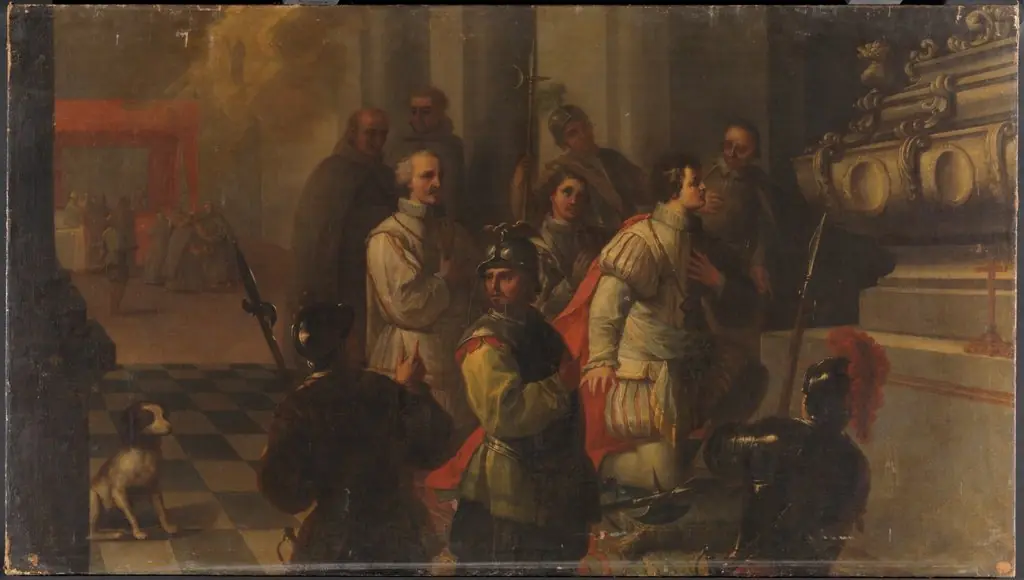 Curación y acción de gracias del príncipe don Carlos. Serie de la Vida de San Diego de Alcalá
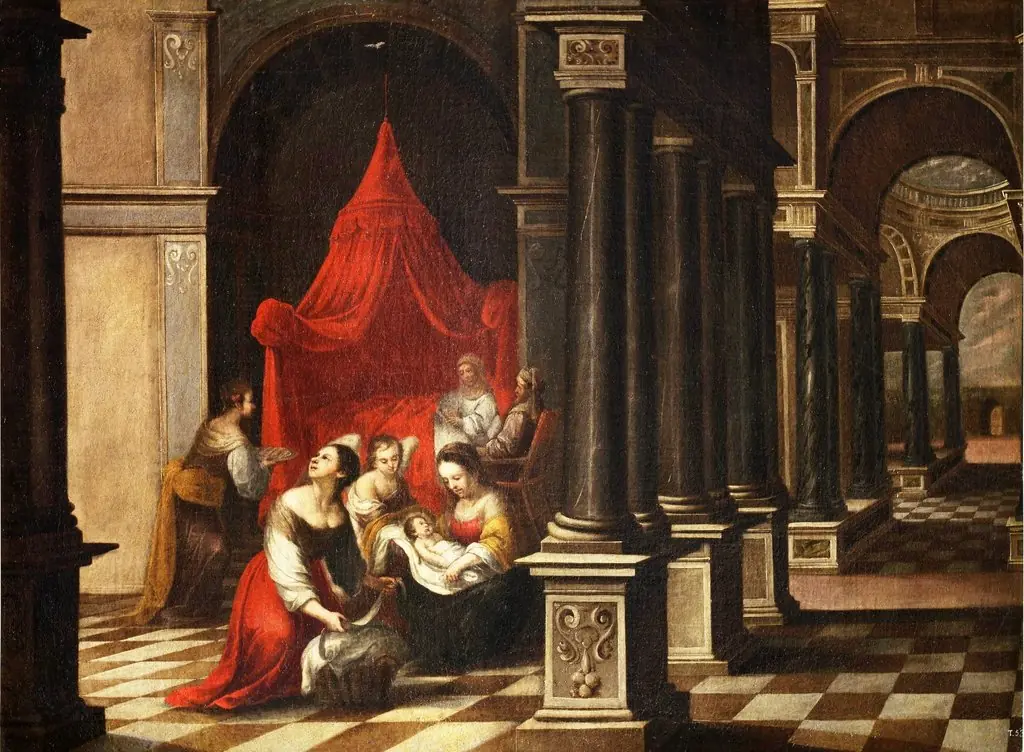 The Birth of the Virgin
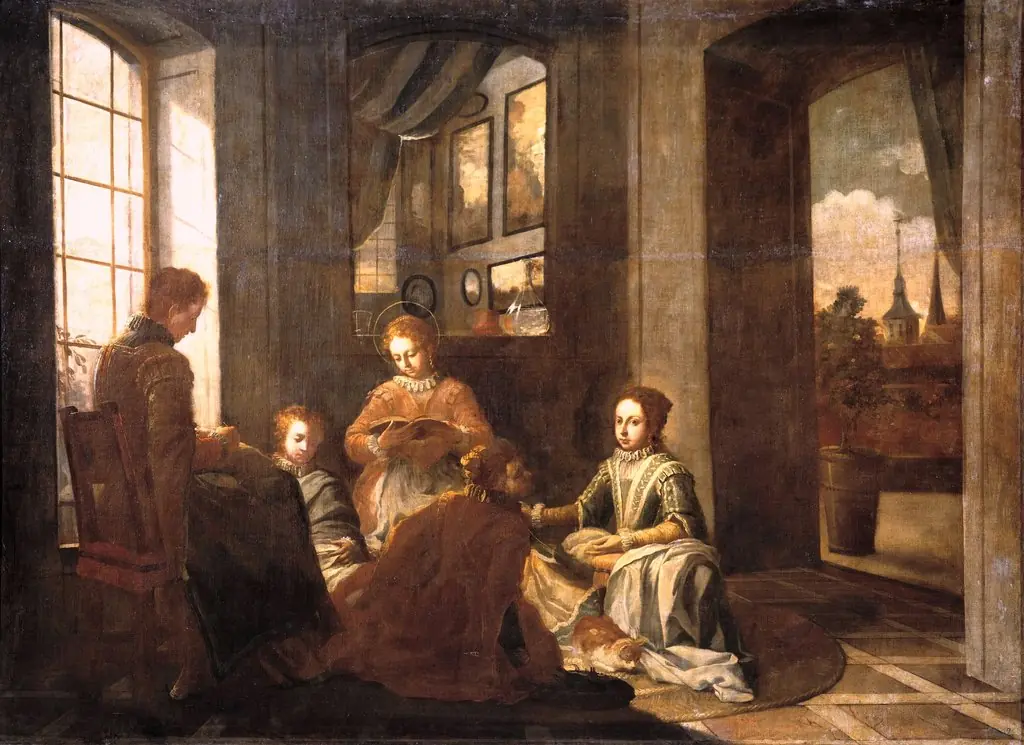 The Education of Saint Theresa
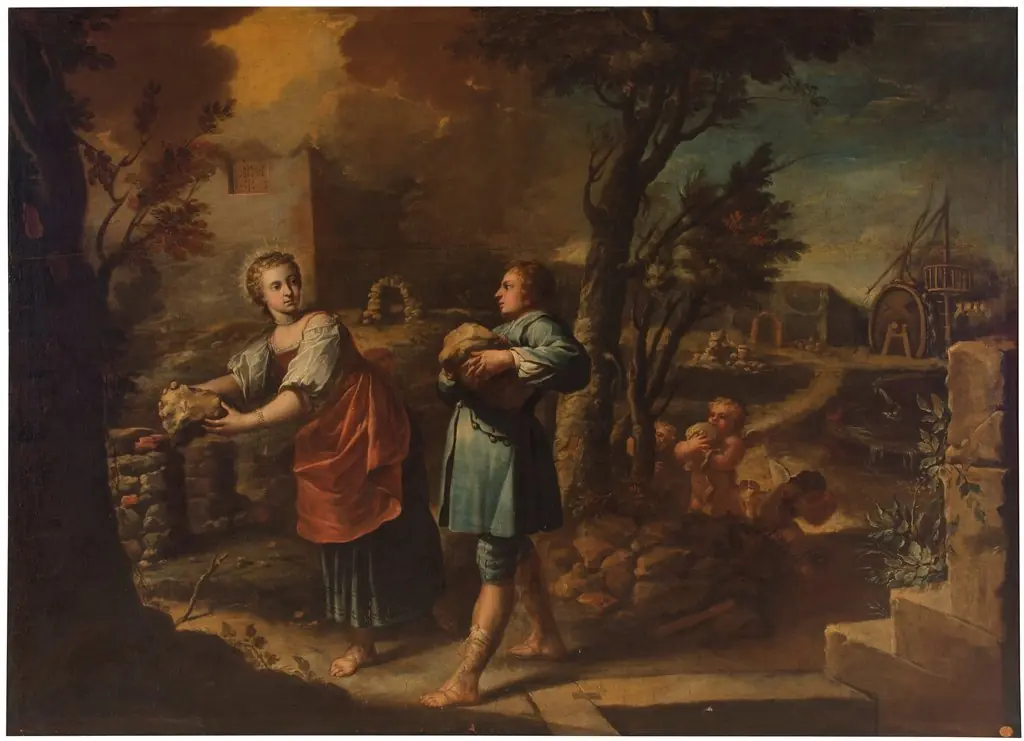 Santa Teresa y su hermano don Rodrigo intentando construir ermitas
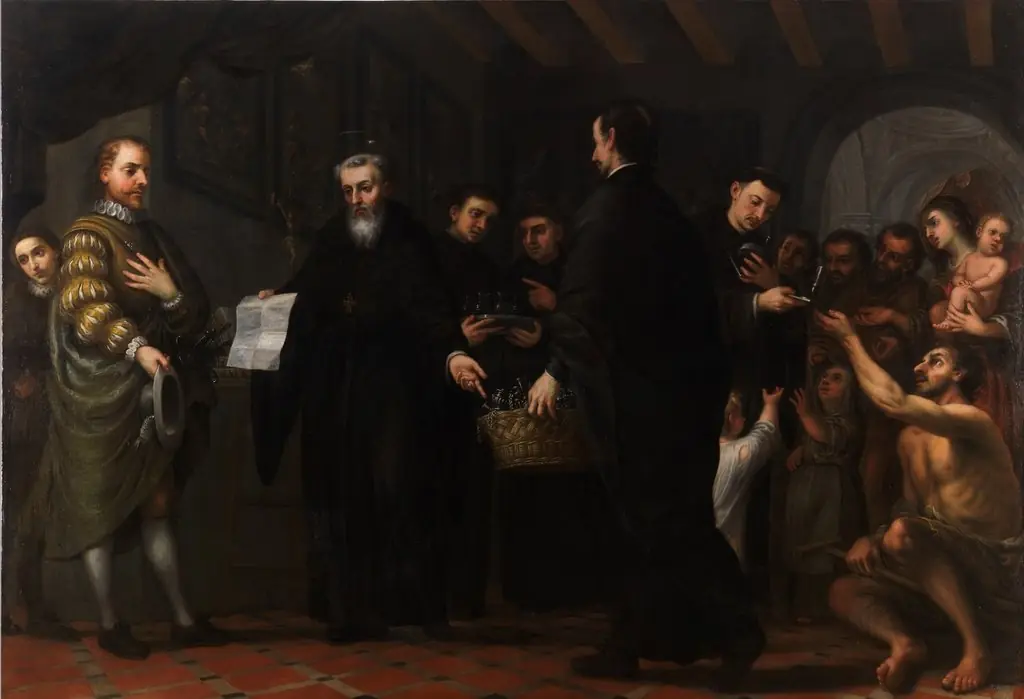 San Agustín repartiendo los bienes de los ricos entre los pobres
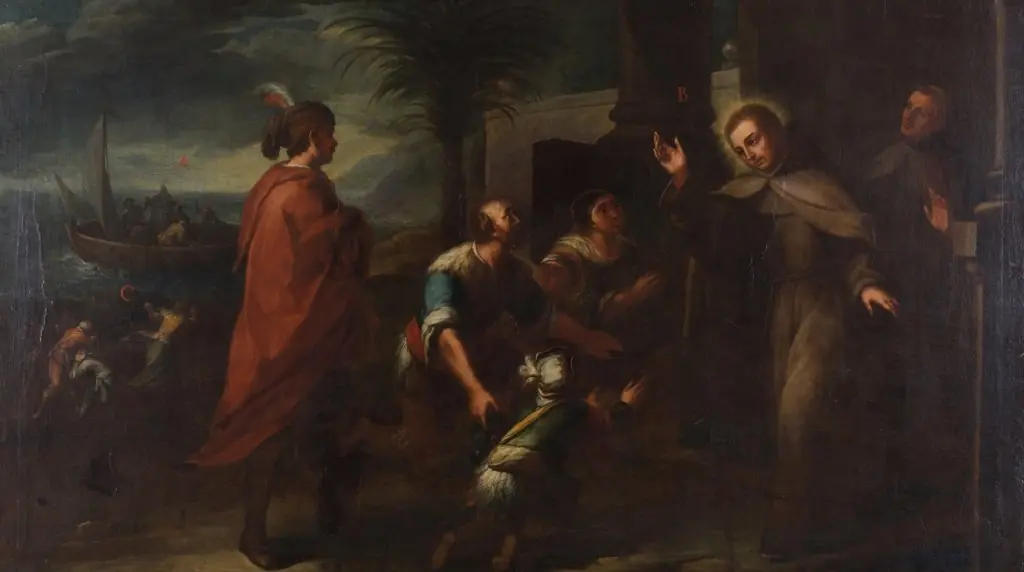 San Diego de Alcalá en las islas Canarias
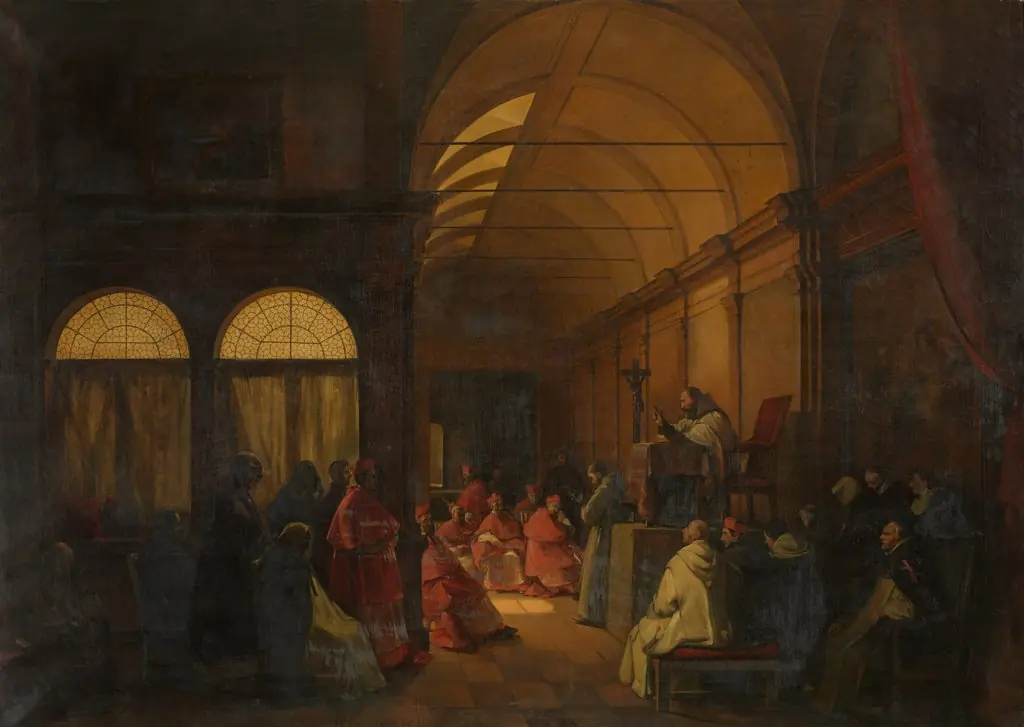 Before the Conclave
 Baptism of King Chlodwig I (ca. 466–511)
 San Francisco recibiendo un cesto de peces
 Vow to Mary
 The Calling of Saint Matthew
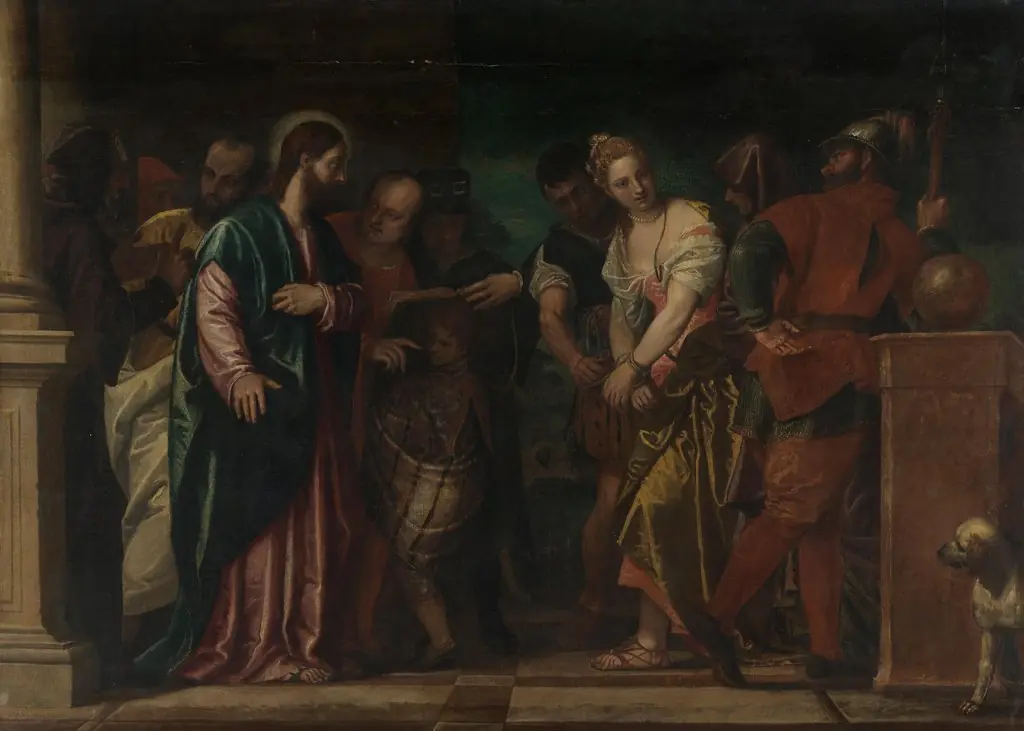 Christus und die Ehebrecherin
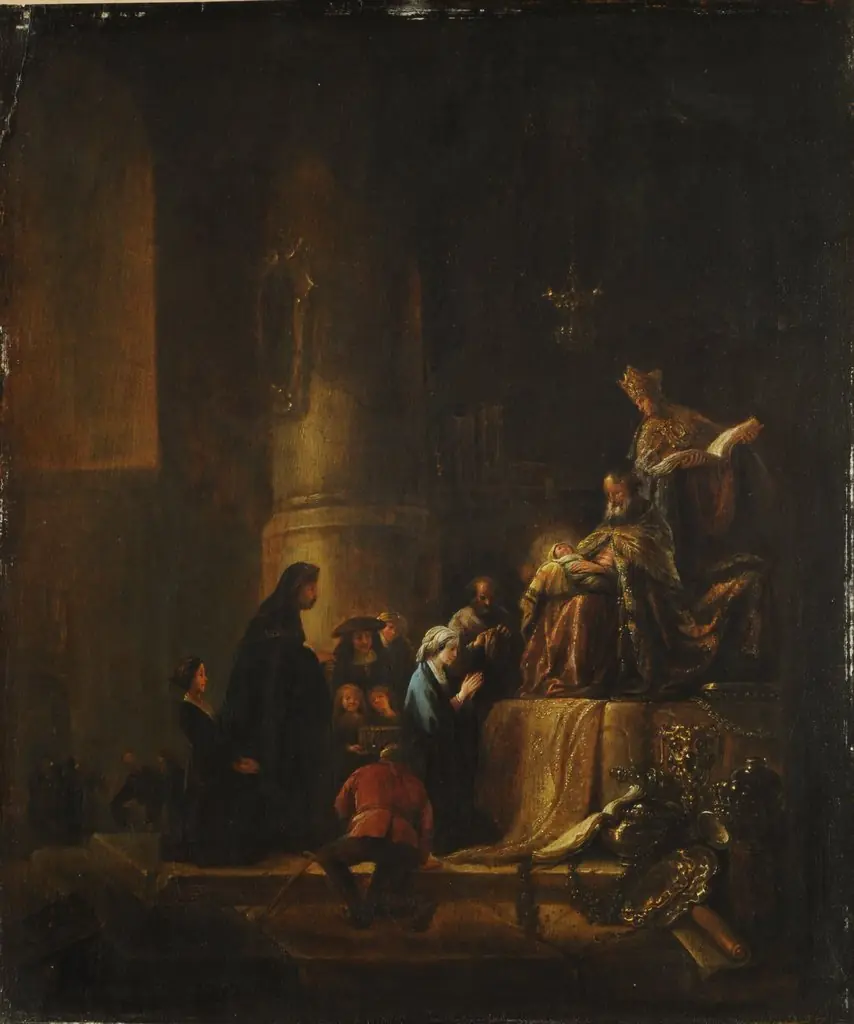 Presentation to the temple
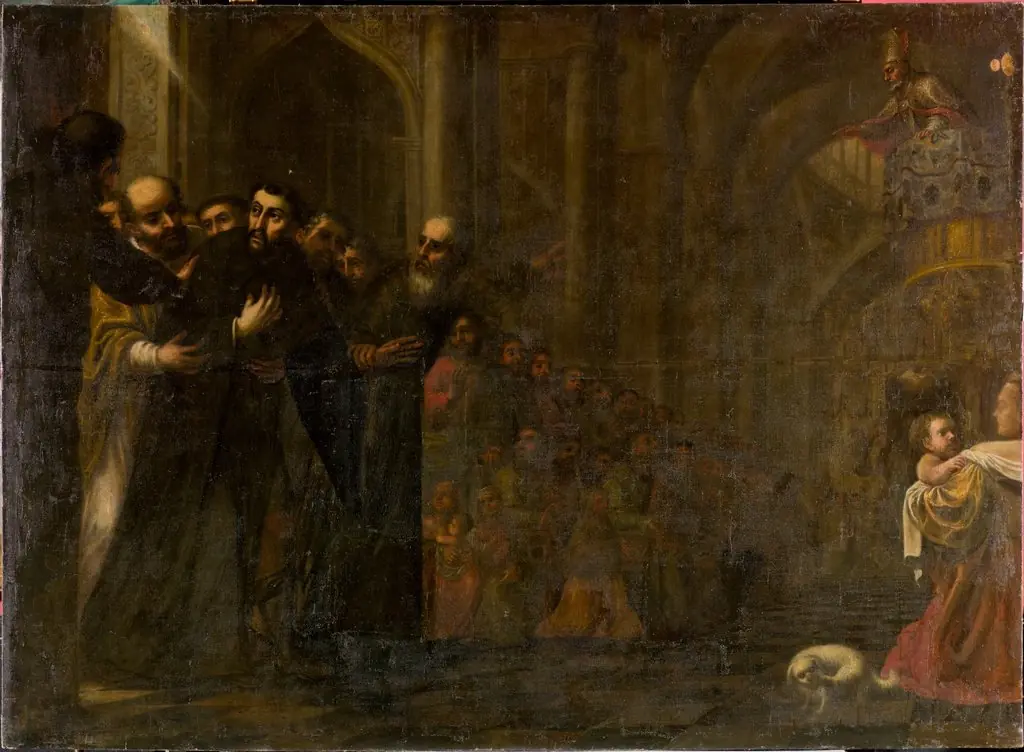 Ordenación de San Agustín
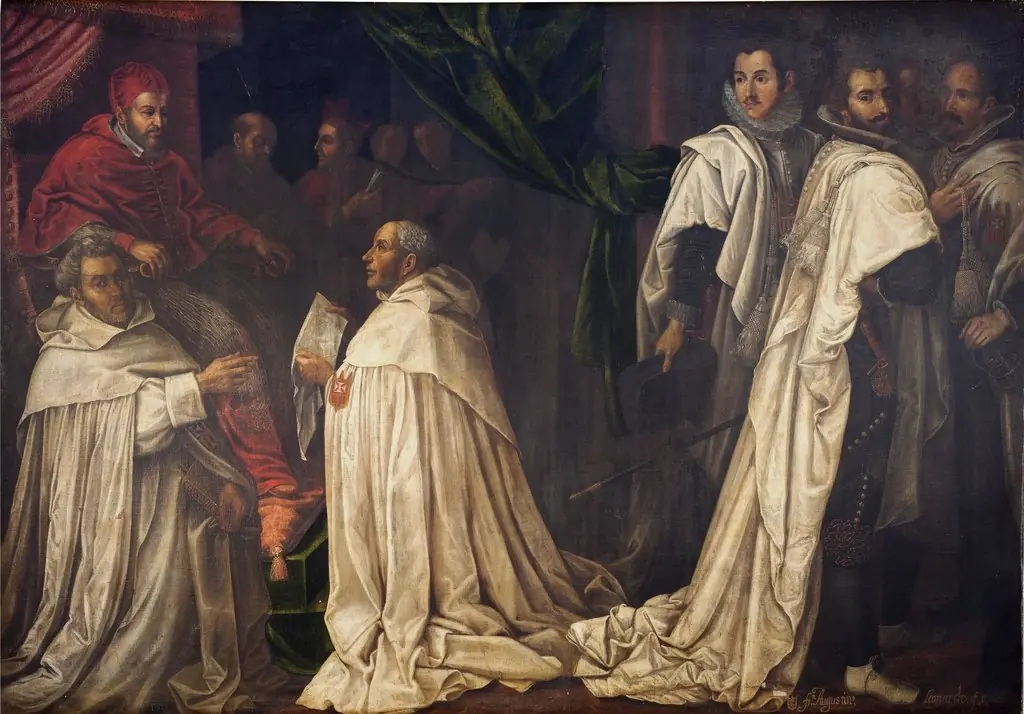 Decisión del pleito entre religiosos y caballeros