Artwork
Escena de la vida de San Diego (San Diego y un fraile sacando pollos de un cesto)
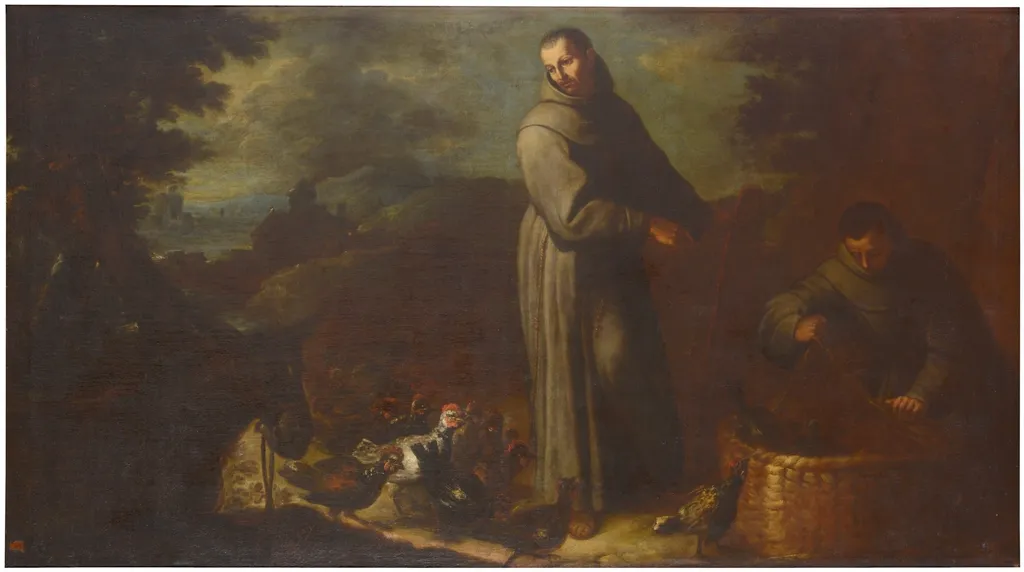
Escena de la vida de San Diego (San Diego y un fraile sacando pollos de un cesto) is an oil painting by the Rococo painting artist Juan García de Miranda. It dates from 1729 and is held in the collection of the Museo del Prado.
About this work
Overview
Created in 1729, the canvas titled *Escena de la vida de San Diego* portrays a quiet episode involving Saint Diego and a friar handling poultry from a basket.
Created in 1729, the canvas titled *Escena de la vida de San Diego* portrays a quiet episode involving Saint Diego and a friar handling poultry from a basket. Executed on canvas, the work now belongs to the Museo del Prado’s collection. Its composition centers on two robed figures, one standing and engaging the viewer, the other seated and looking downward, set against a subdued, darkened backdrop.
Subject & Meaning
The scene illustrates a humble moment from the life of Saint Diego, emphasizing charitable service as the friar extracts chickens from a basket. The interaction between the saint, who meets the viewer’s gaze, and the contemplative monk suggests a reflective meditation on humility and care for the needy, reinforced by the presence of the animals and modest attire.
Technique & Style
Although painted during the late Baroque, the work incorporates elements that anticipate Rococo’s lighter touch, evident in the delicate handling of the basket and the nuanced rendering of fabric folds. Despite his physical limitation, the artist employed his forearm stump to manipulate brushes, achieving a refined chiaroscuro that deepens the painting’s somber atmosphere.
History & Provenance
Juan García de Miranda, a Madrid‑born painter of Asturian descent, completed the piece for a private devotional patron. Over time it entered the national collection and is presently displayed at the Prado Museum in Madrid, where it remains a documented example of early 18th‑century Spanish religious art.
Context
The canvas belongs to a period when Spanish art was transitioning from the dramatic intensity of the Baroque toward the more decorative Rococo. García de Miranda’s oeuvre, largely composed of private devotional works, reflects this shift while retaining the solemnity characteristic of Spanish religious painting in the early 1700s.
Artist & collection
Artist
Juan García de Miranda (1677–1749), was a Spanish painter of the baroque period, a disciple of Juan Delgado and the uncle of Pedro Rodríguez de Miranda.

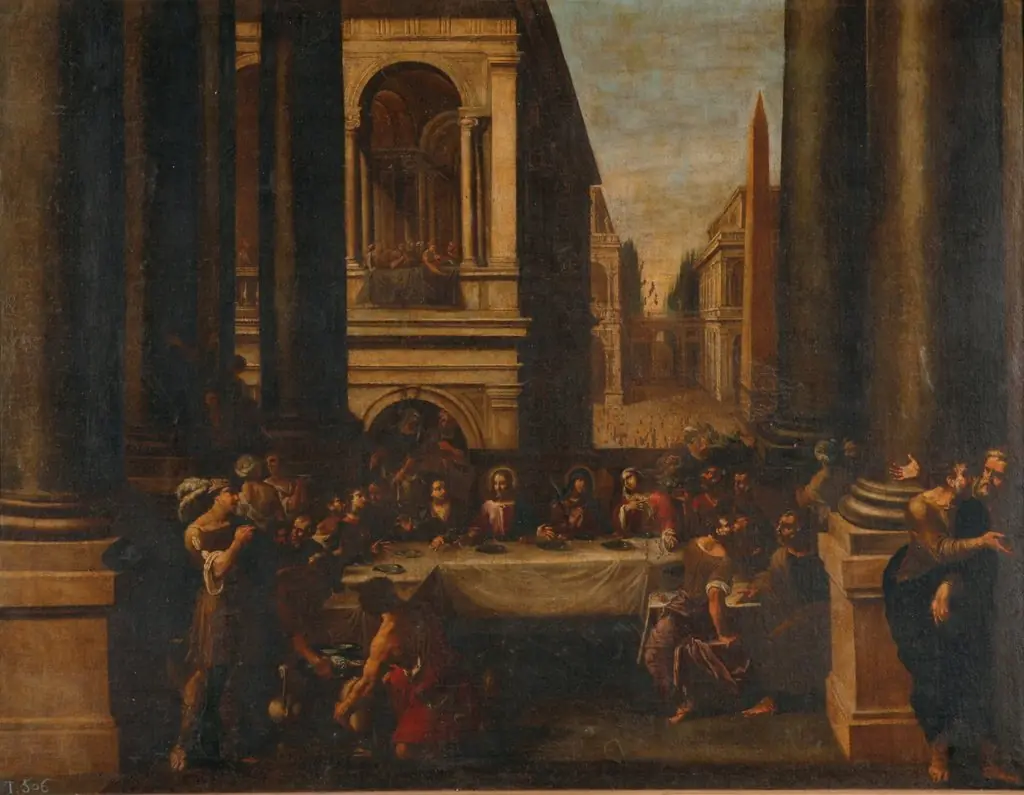 The marriage at Cana
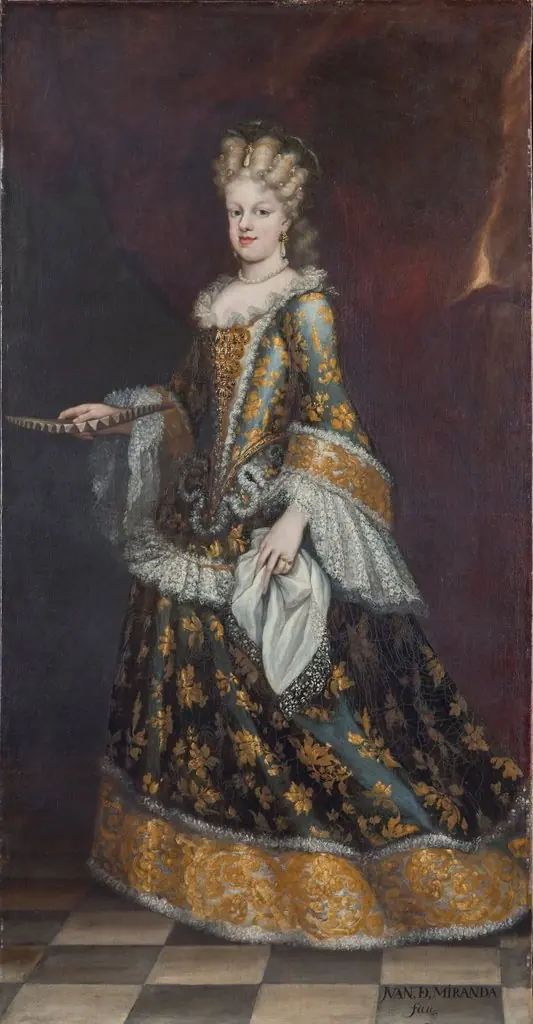 María Luisa Gabriela de Saboya primera esposa de Felipe V
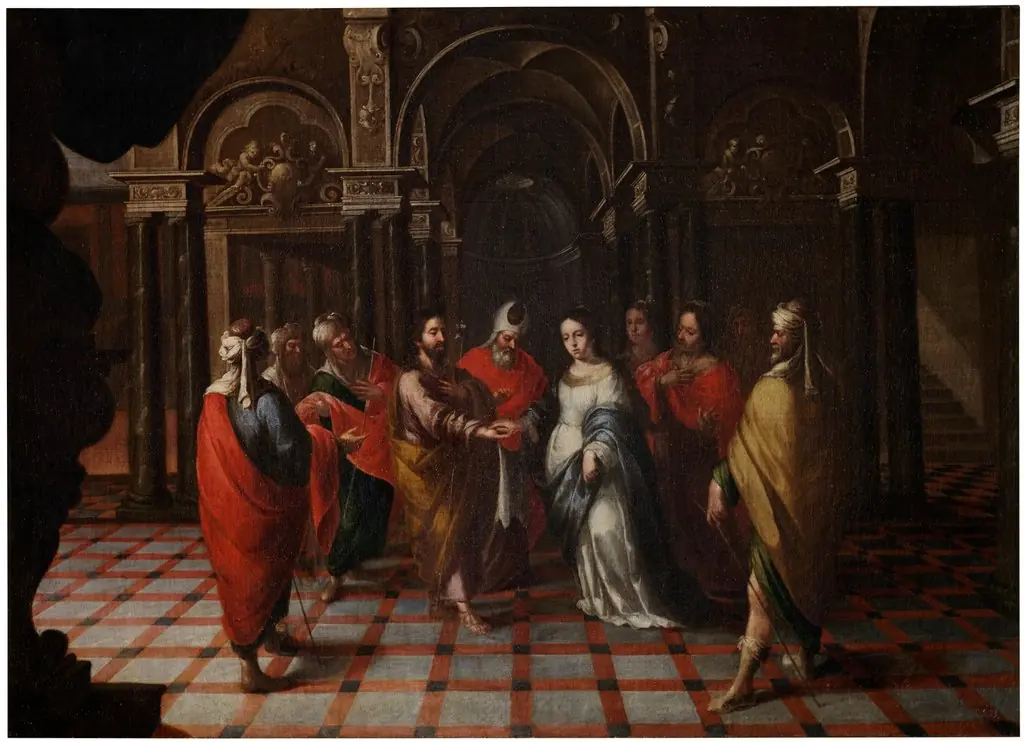 The Betrothal of the Virgin
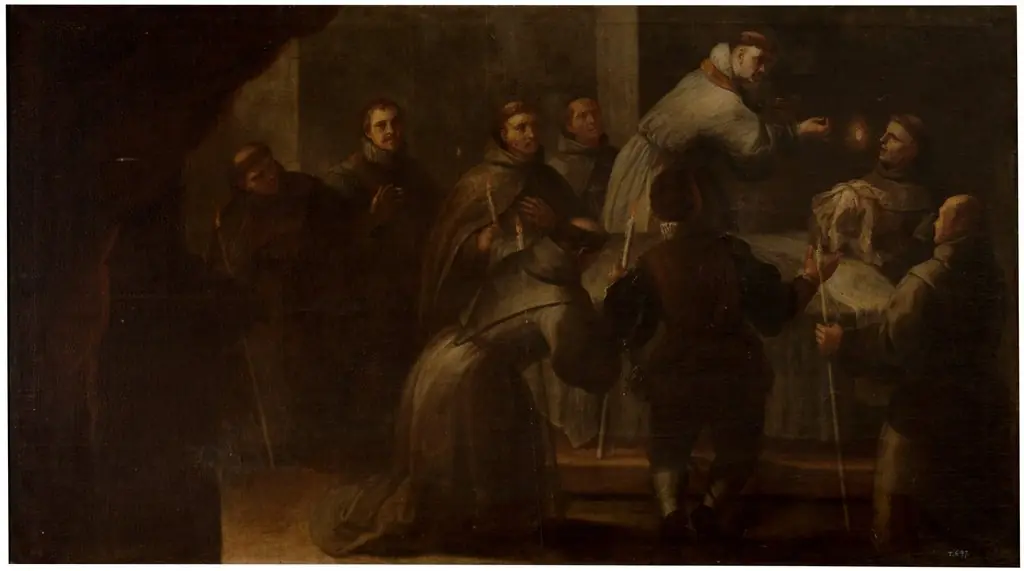 La última comunión de San Diego de Alcalá
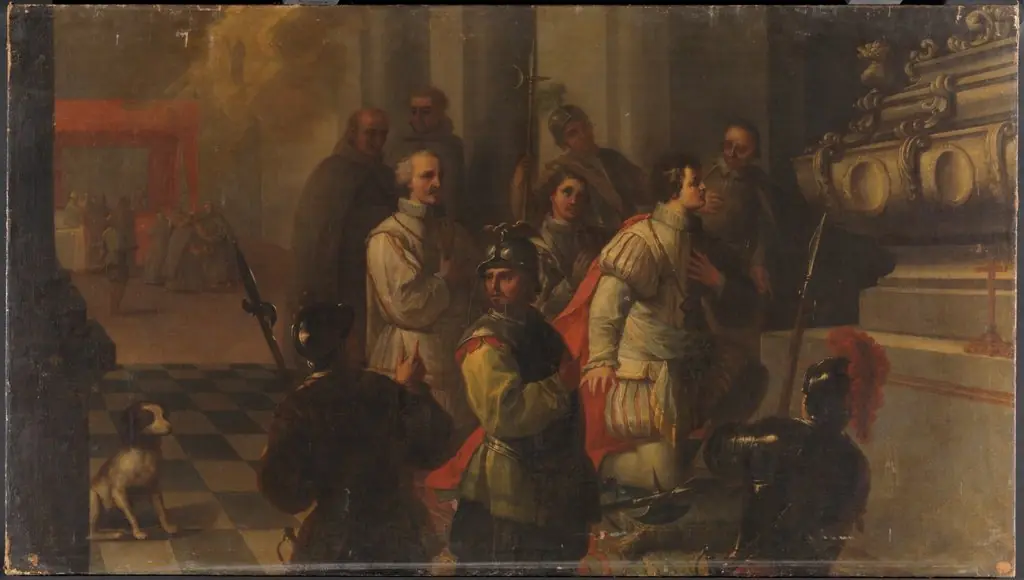 Curación y acción de gracias del príncipe don Carlos. Serie de la Vida de San Diego de Alcalá
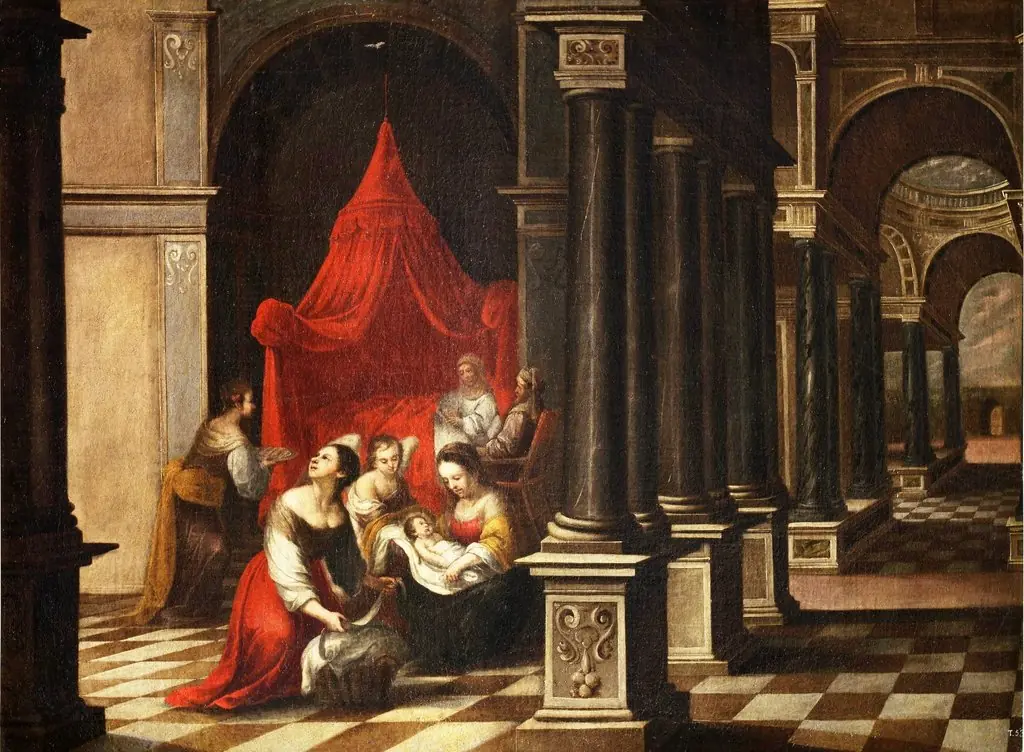 The Birth of the Virgin
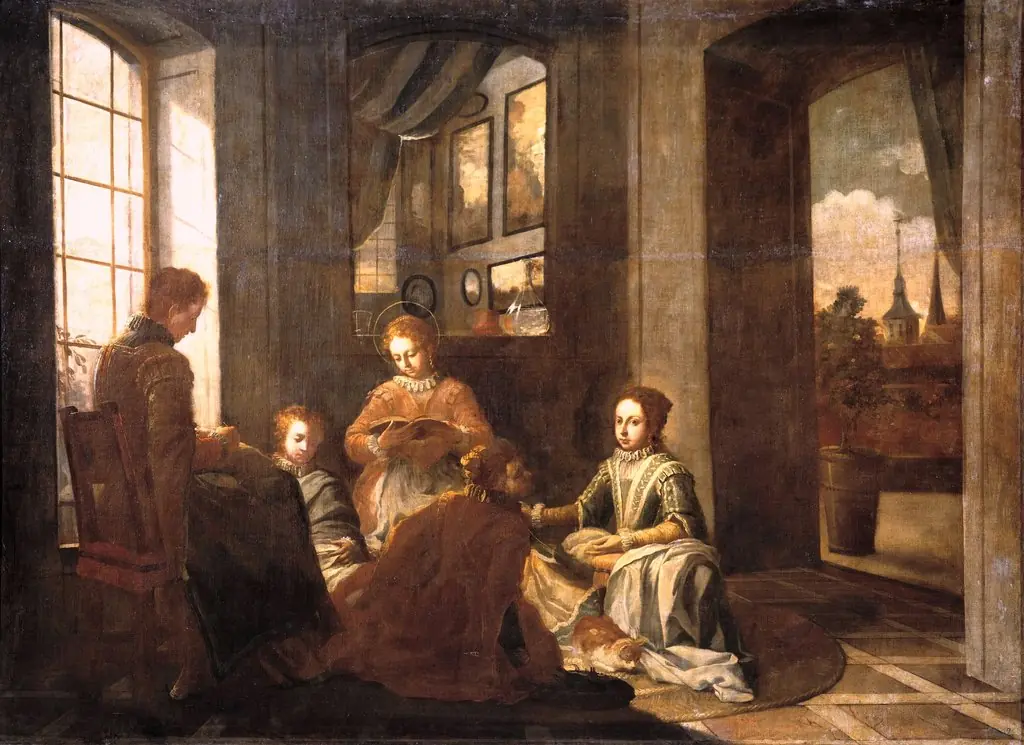 The Education of Saint Theresa
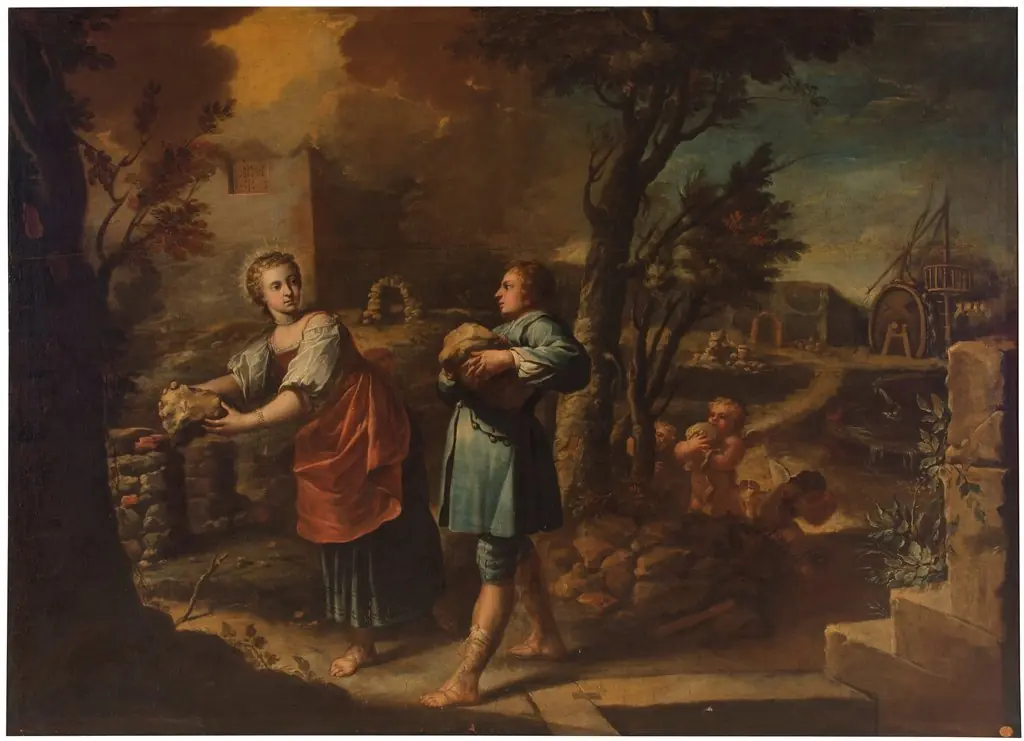 Santa Teresa y su hermano don Rodrigo intentando construir ermitas
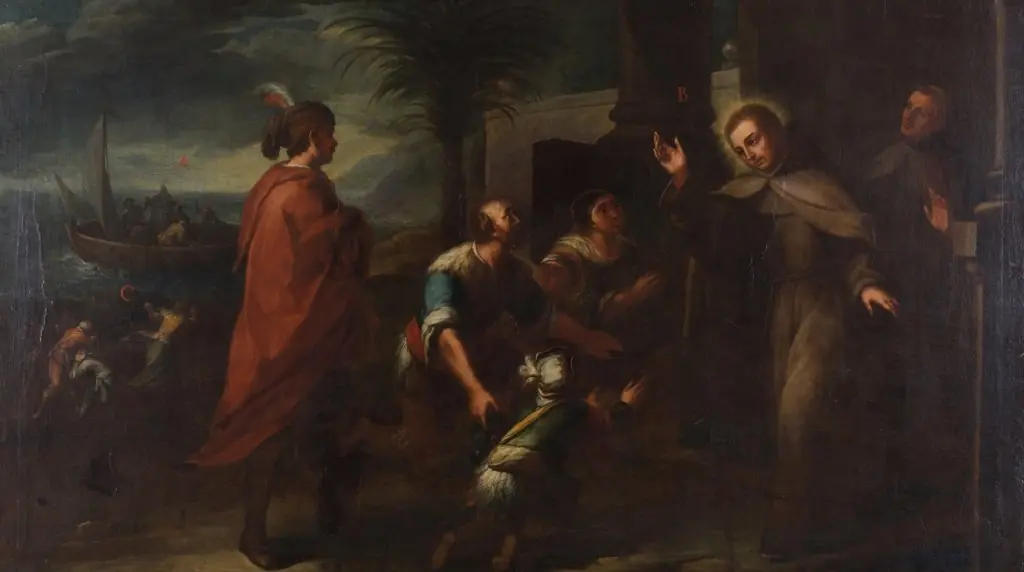 San Diego de Alcalá en las islas Canarias
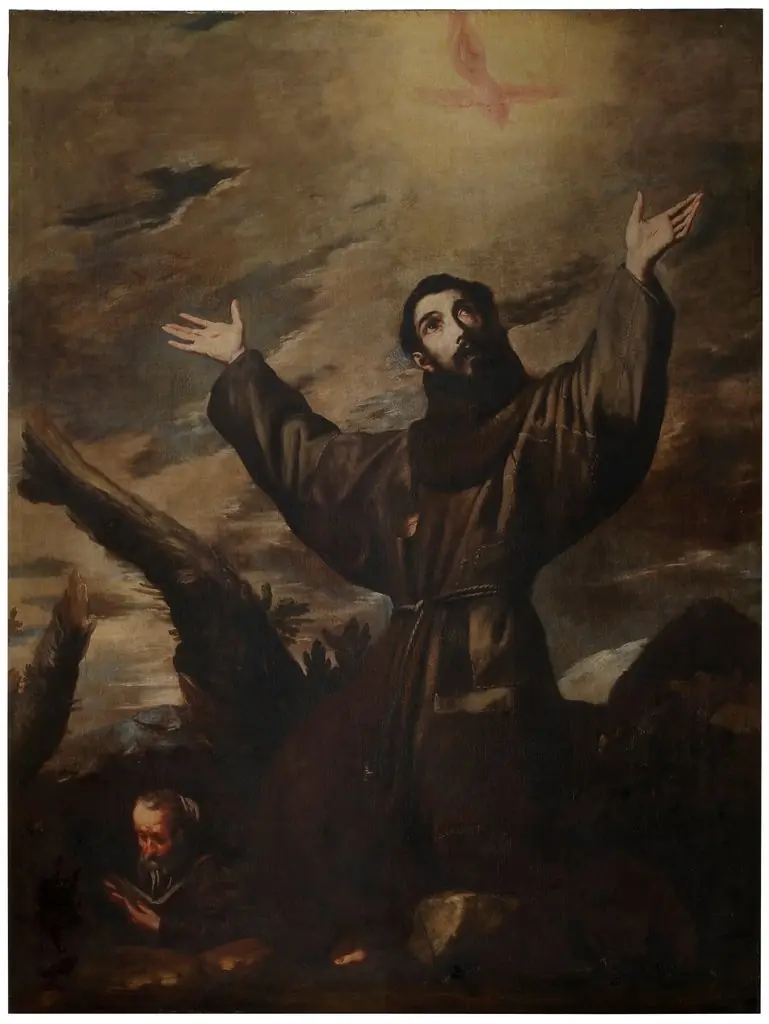 San Francisco recibe los estigmas
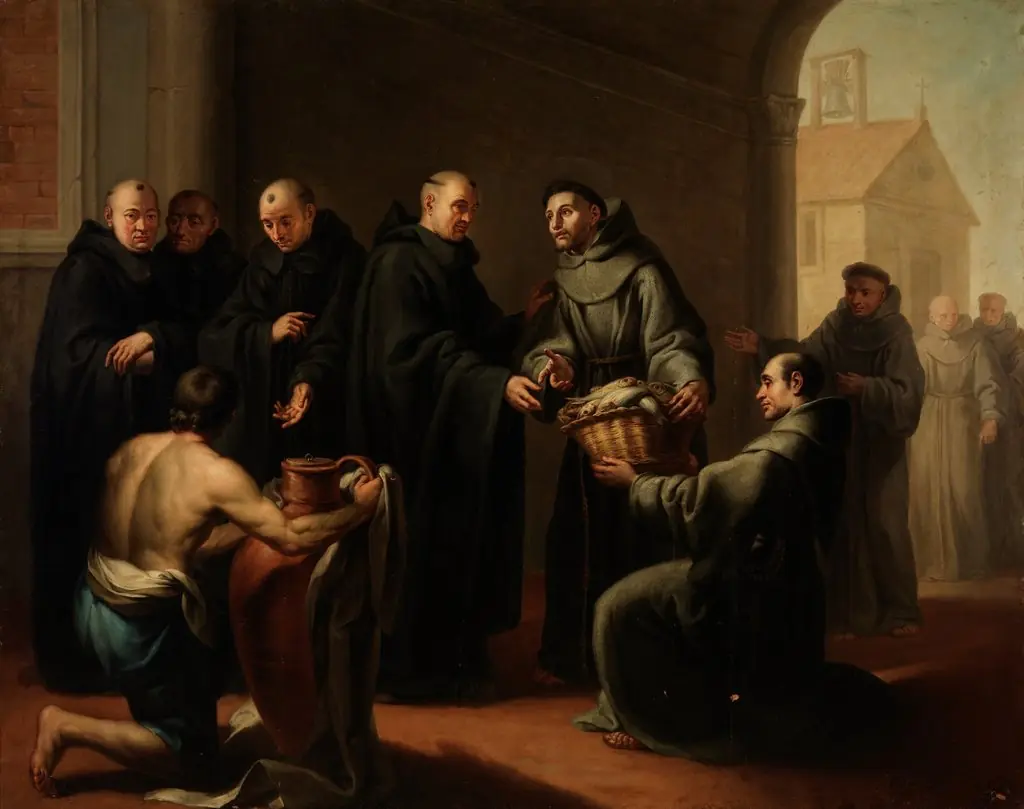 San Francisco recibiendo un cesto de peces
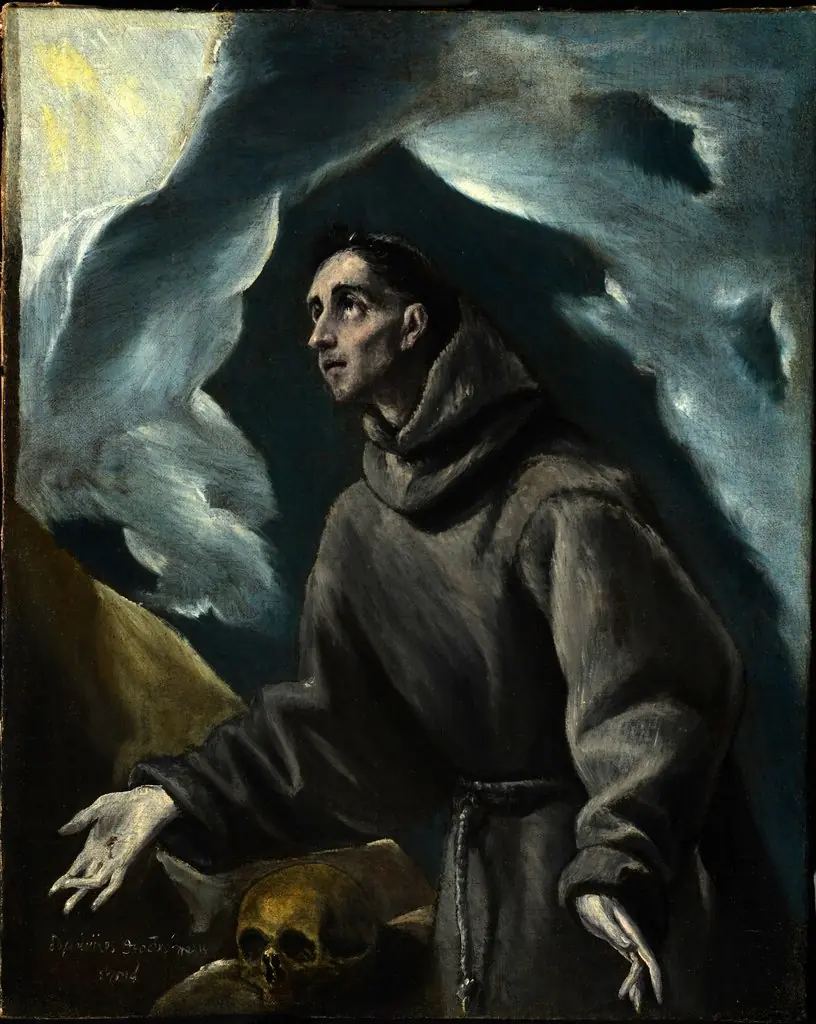 St. Francis receiving the Stigmata
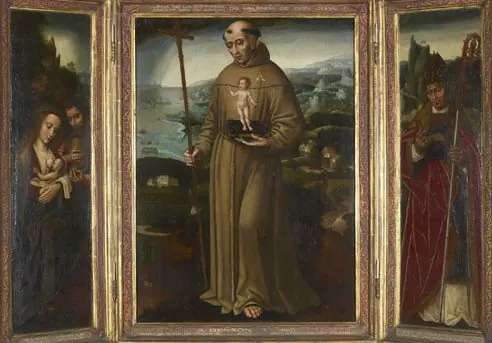 Triptiek van de heilige Antonius van Padua
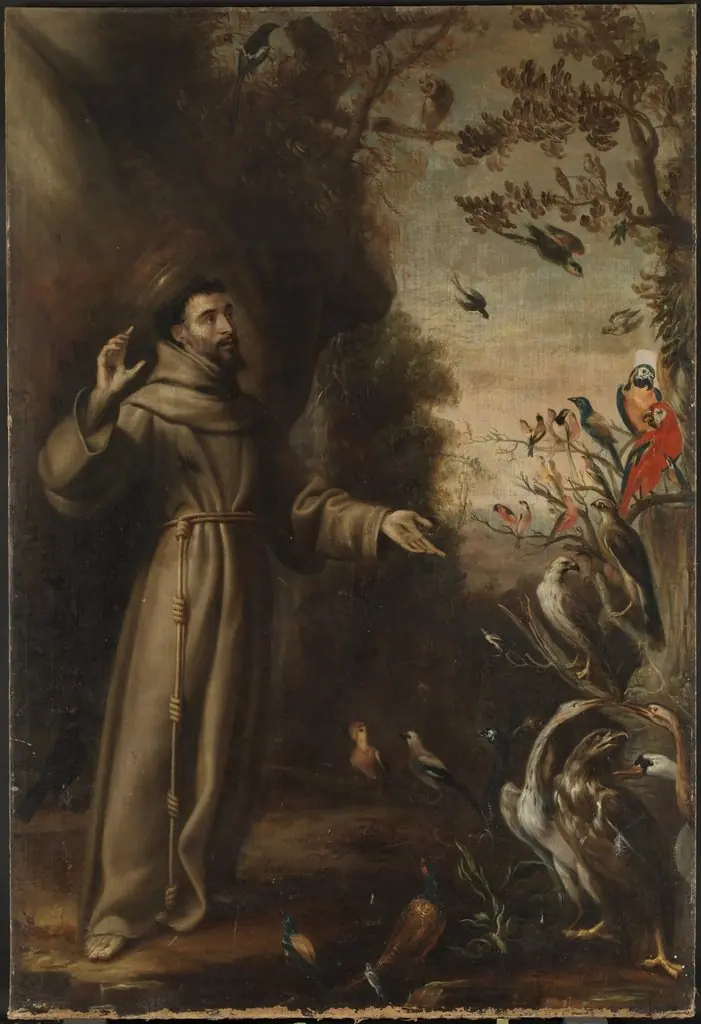 Saint Francis Preaching to the Birds
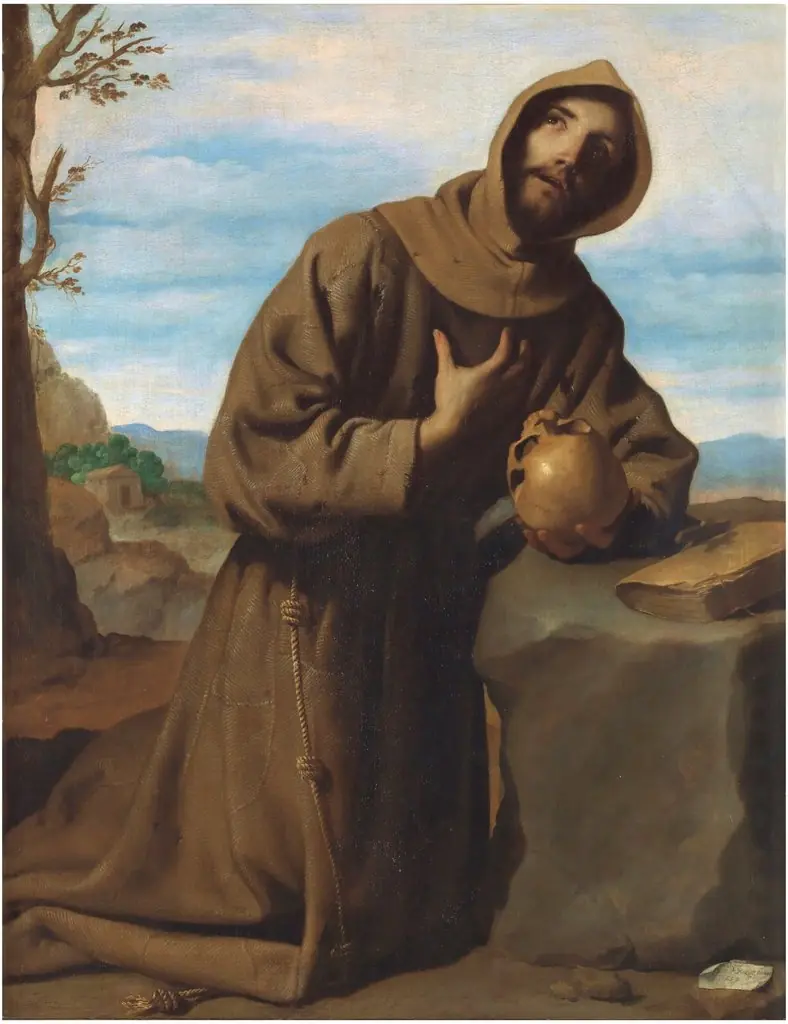 Saint Francis at Prayer
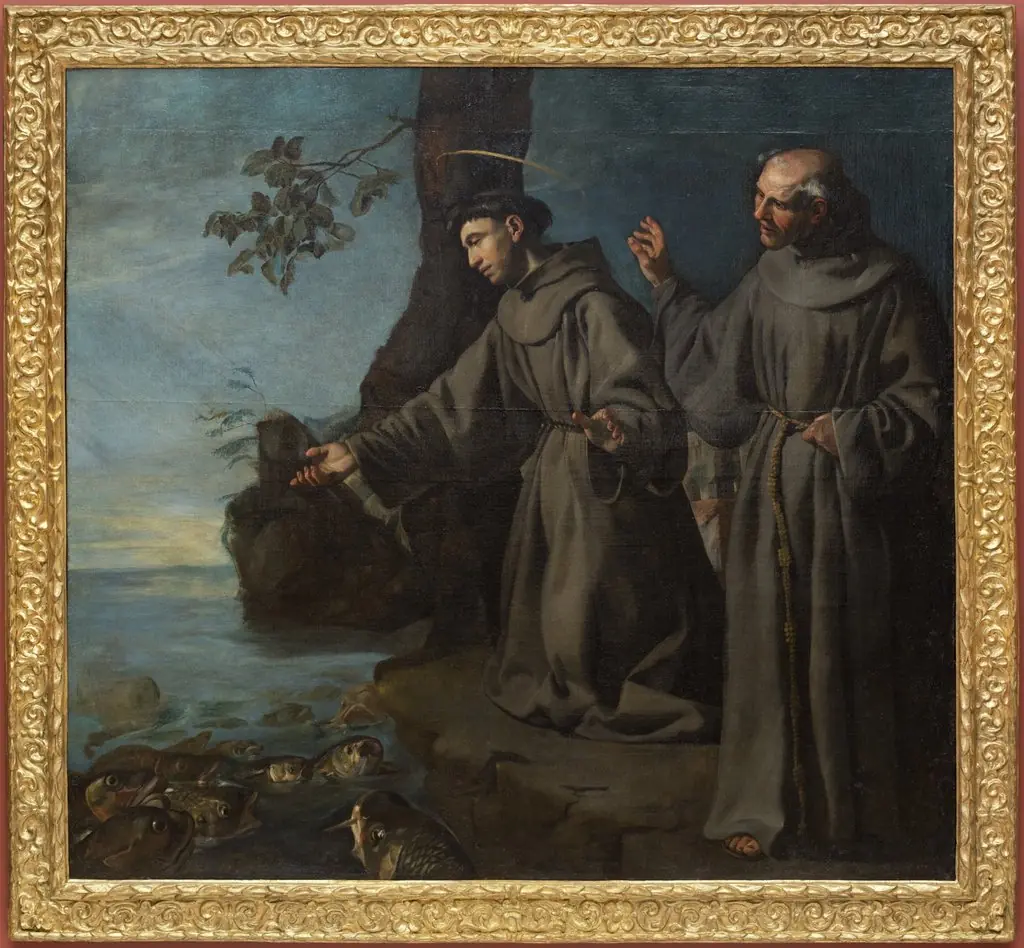 St. Anthony Preaching to the Fishes
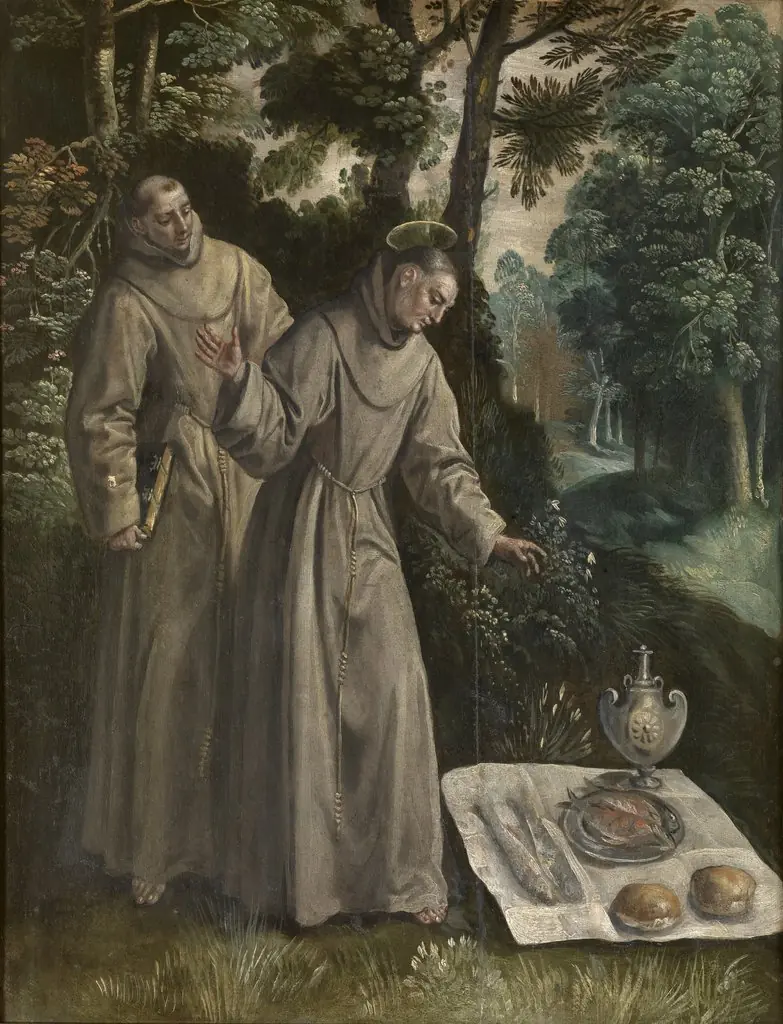 Saint Didacus Finds a Miraculous Meal
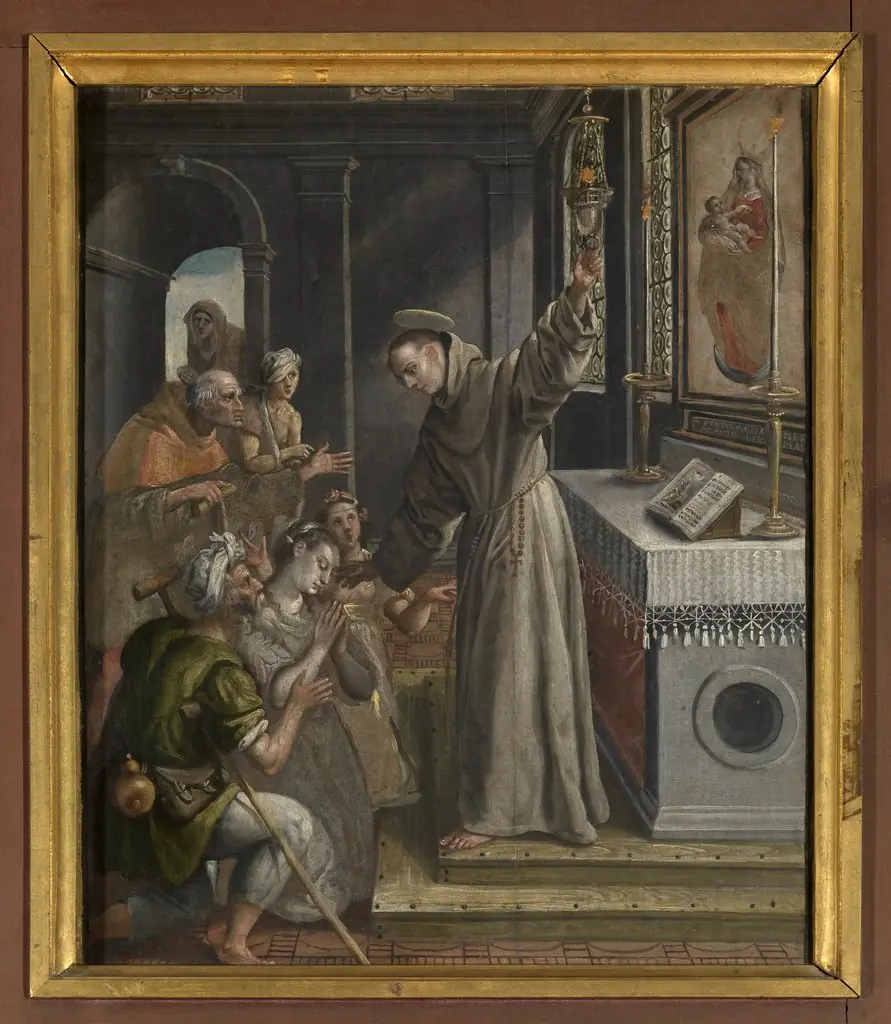 Saint Didacus Heals the Sick
 Sfântul Francisc în extaz
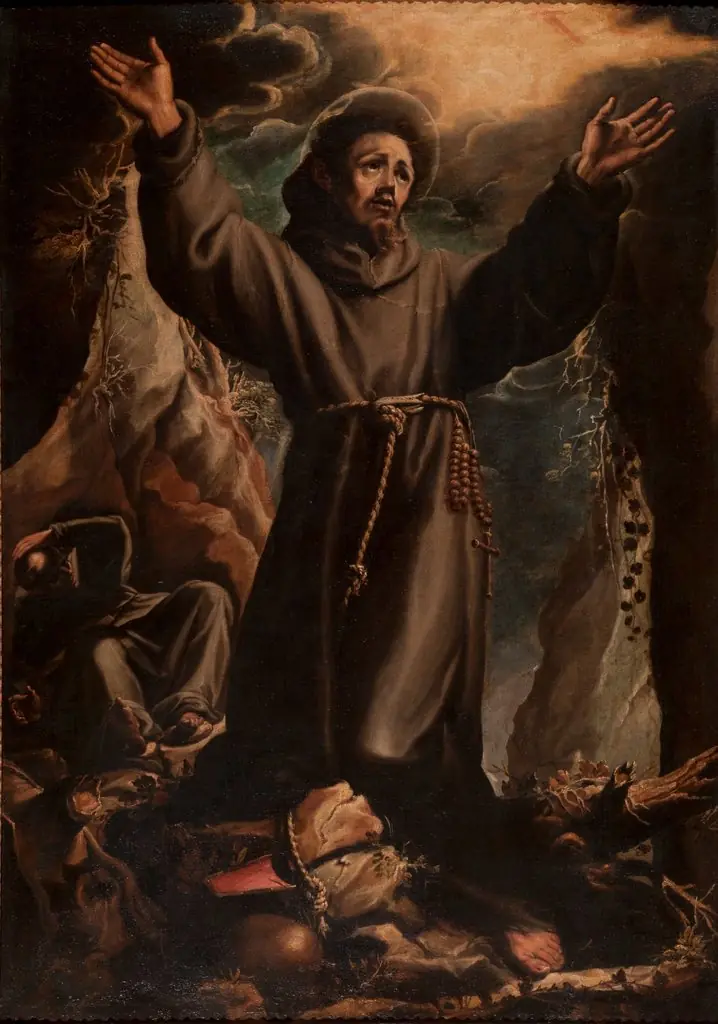 San Francisco recibiendo los estigmas