Artwork
Pastilles Poncelet
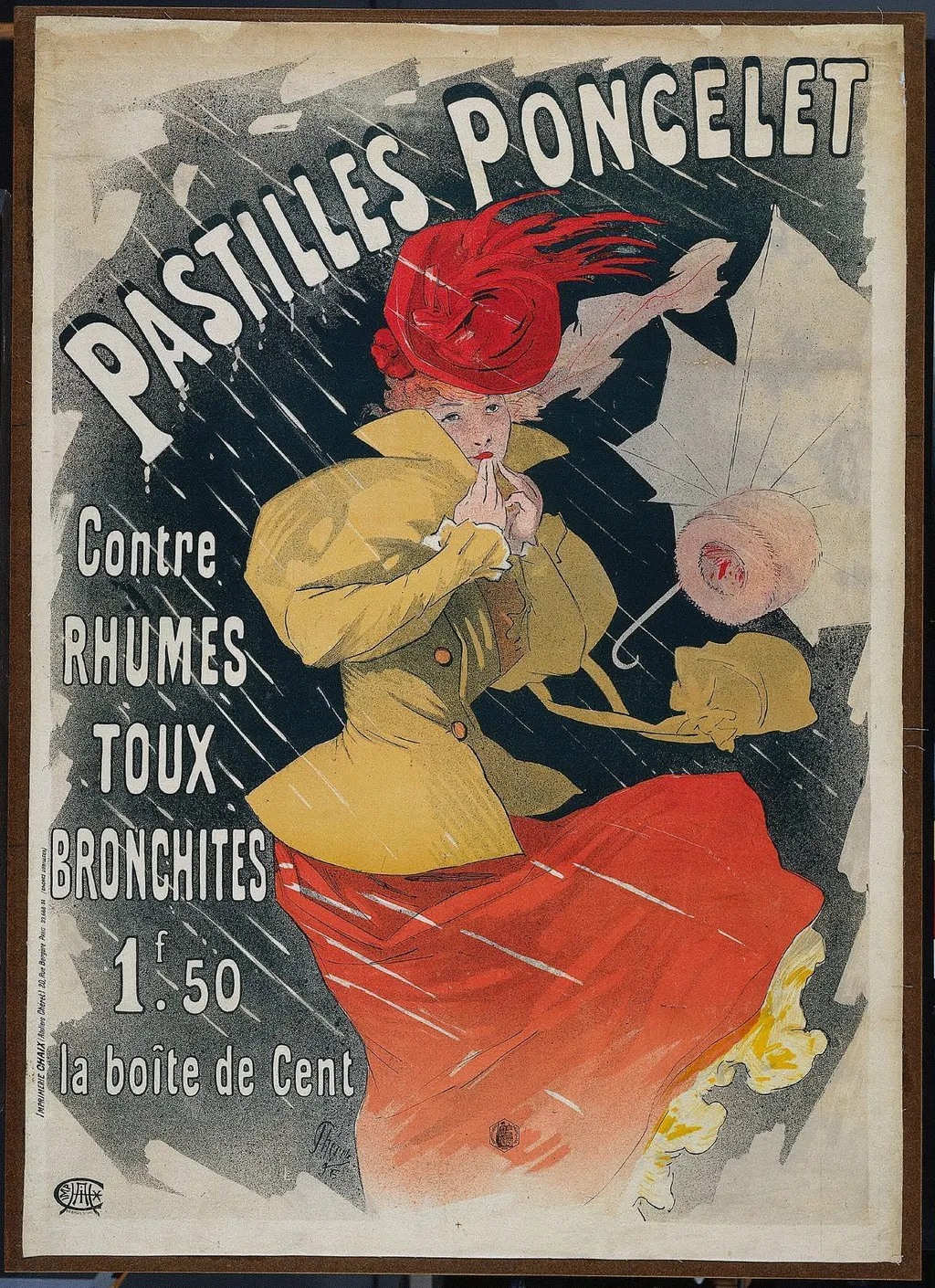
Pastilles Poncelet is a print by the Impressionist artist Jules Chéret. It dates from 1896 and is held in the collection of the Cleveland Museum of Art.
About this work
Overview
The work is part of the permanent collection at The Cleveland Museum of Art, where it is preserved as an example of late 19th-century graphic design.
Created in 1896 by French artist Jules Chéret, Pastilles Poncelet is a color lithograph produced as a commercial advertisement. It belongs to a series of posters Chéret designed for the Poncelet pharmaceutical company, promoting their throat lozenges. The work is part of the permanent collection at The Cleveland Museum of Art, where it is preserved as an example of late 19th-century graphic design.
Subject & Meaning
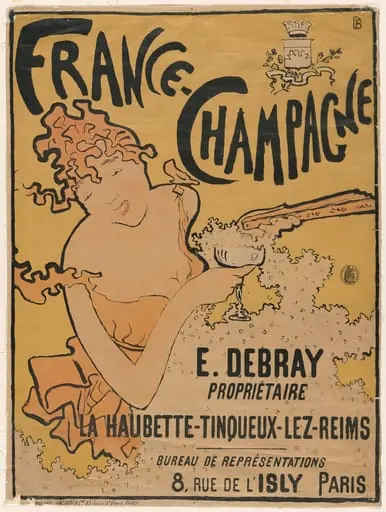
The poster depicts a young woman with a radiant smile, holding a box of Poncelet pastilles. Her lively expression and flowing hair convey vitality and well-being, suggesting the product’s soothing effects. The imagery avoids medical realism, instead using charm and optimism to associate the lozenges with personal health and feminine grace, reflecting period advertising strategies that prioritized emotional appeal over clinical detail.
Technique & Style
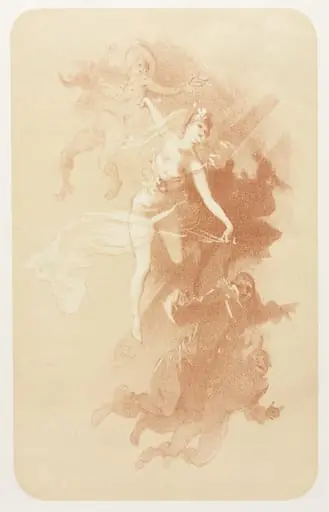
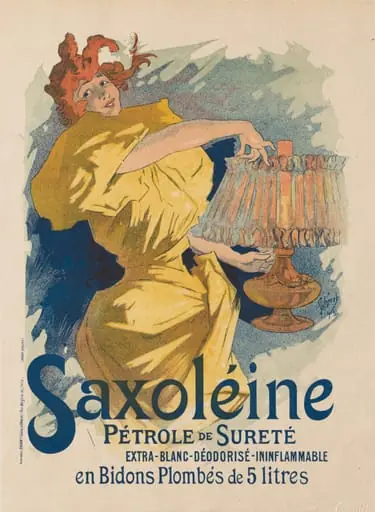
Chéret employed color lithography, a technique he helped popularize in poster art. Bold outlines, flat planes of color, and dynamic composition characterize the design. The palette is restrained yet effective, with soft pastels accentuating the figure’s warmth against a neutral background. His use of flowing lines and decorative elements reflects the influence of Art Nouveau, while maintaining clarity for quick public recognition.
History & Provenance
The poster was commissioned by the Poncelet company to market their throat lozenges during a period of expanding consumer advertising in France. Chéret’s reputation as a leading poster artist ensured wide circulation. The Cleveland Museum of Art acquired the print in the 20th century, likely through a donation or purchase focused on the development of modern graphic arts in Europe.
Context
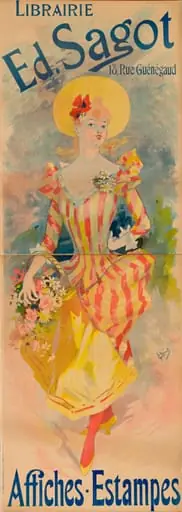
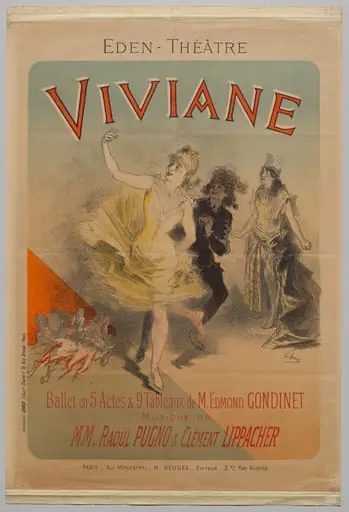
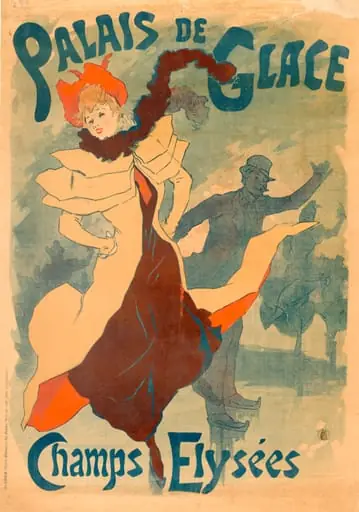
In the 1890s, Paris became a hub for commercial poster design, with artists like Chéret transforming street walls into visual galleries. Pharmaceutical companies increasingly used posters to reach a broad audience, blending health messaging with aesthetic appeal. Chéret’s work helped elevate advertising from mere announcements to art forms, reflecting broader cultural shifts in urban life and mass media.
Legacy
Pastilles Poncelet exemplifies how commercial art contributed to the evolution of modern visual culture. Chéret’s approach influenced generations of designers by demonstrating that advertising could be both persuasive and artistically refined. The poster remains a reference point in studies of graphic design history, illustrating the intersection of commerce, gender imagery, and public aesthetics in fin-de-siècle Europe.
Own this work as a print
Artist & collection

Artist
Jules Chéret (31 May 1836 – 23 September 1932) was a French painter and lithographer who became a master of Belle Époque poster art. He has been called the father of the modern poster.