Artwork
Untitled
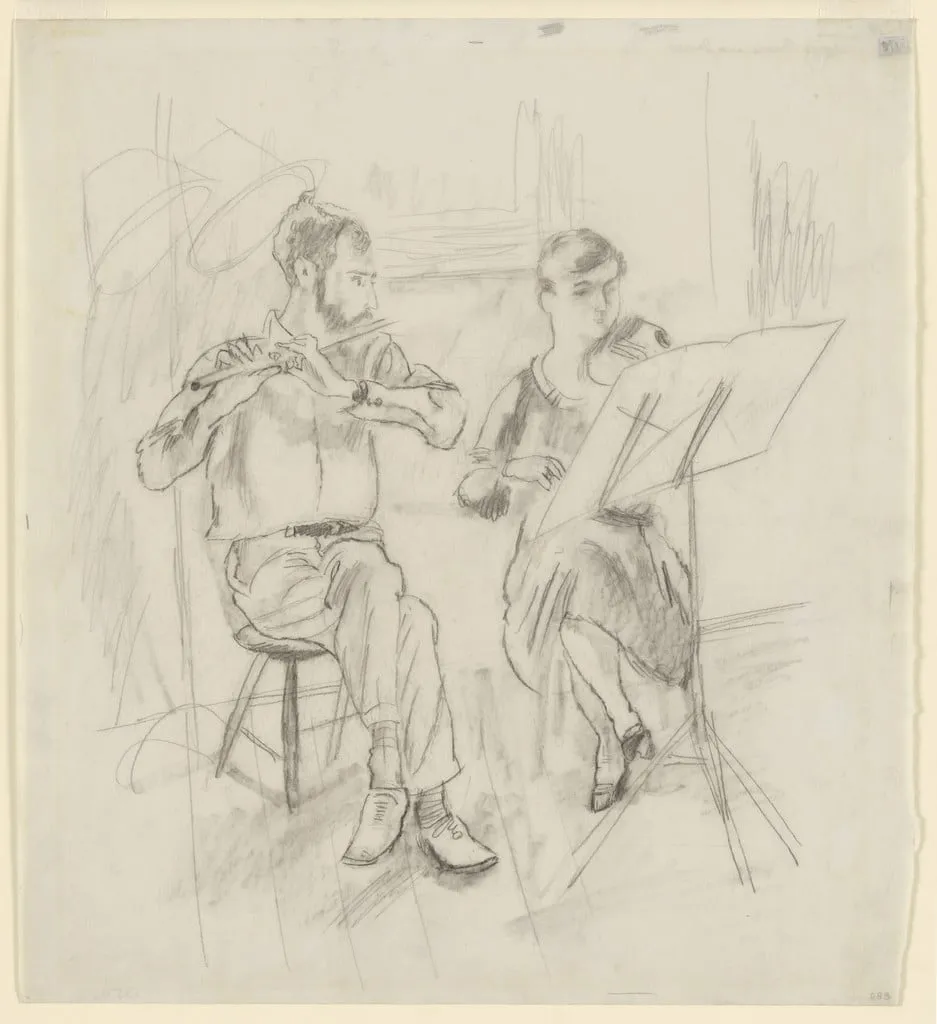
Untitled is a crayon drawing by Jules Pascin. It dates from 1928 and is held in the collection of the Museum of Modern Art.
About this work
Overview
The work reflects his preference for intimate, spontaneous compositions, rendered with a fluid, gestural hand that emphasizes movement over detail.
Created in 1928, this drawing by Jules Pascin is executed in lithographic crayon on light gray paper. Pascin, born in Bulgaria and later naturalized as an American, was a central figure in the Parisian art scene of the 1920s. The work reflects his preference for intimate, spontaneous compositions, rendered with a fluid, gestural hand that emphasizes movement over detail. Its modest scale and unfinished appearance align with his broader practice of capturing fleeting moments rather than polished finishes.
Subject & Meaning
Two figures sit side by side, their postures suggesting quiet companionship. The left figure leans back, arm resting casually, while the right holds a slender, ambiguous object—possibly a stick or ruler. Neither face is clearly defined, and their clothing is suggested rather than detailed, emphasizing mood over identity. The scene evokes a private, unguarded moment, typical of Pascin’s interest in the quiet rhythms of daily life among artists and intellectuals in Montparnasse.
Technique & Style
Pascin employed lithographic crayon to achieve a range of tonal effects, from bold, dark strokes to faint, smudged lines. The paper’s gray surface acts as a mid-tone, allowing the artist to build contrast with minimal marks. His technique is rapid and intuitive, with overlapping scribbles and erasures creating texture and depth. The looseness of the lines conveys immediacy, as if the drawing were made in real time, capturing the subjects’ presence without embellishment.
History & Provenance
The work entered the collection of The Museum of Modern Art in New York, where it remains part of its permanent holdings. While its specific acquisition history is not widely documented, its inclusion reflects MoMA’s early commitment to modern European drawings. Pascin’s reputation as a key figure in the School of Paris ensured his works were sought after by institutions interested in interwar avant-garde practices, even if they were not always monumental in scale.
Context
Pascin worked during a period when Paris was a hub for expatriate artists, and his circle included writers, musicians, and painters who valued emotional honesty over formal precision. His drawings often depicted friends, lovers, and models in domestic or relaxed settings, rejecting academic conventions in favor of psychological nuance. This piece fits within a broader trend of artists using drawing not as preparation, but as a finished medium of personal expression.
Legacy
Pascin’s drawings, including this one, contributed to the redefinition of drawing as a legitimate and expressive medium in modern art. His ability to convey intimacy and vulnerability through minimal means influenced later generations of figurative artists. Though less celebrated than his painted works, his drawings are now recognized for their emotional resonance and technical sensitivity, offering a quiet counterpoint to the more assertive styles of his contemporaries.
Artist & collection
Artist
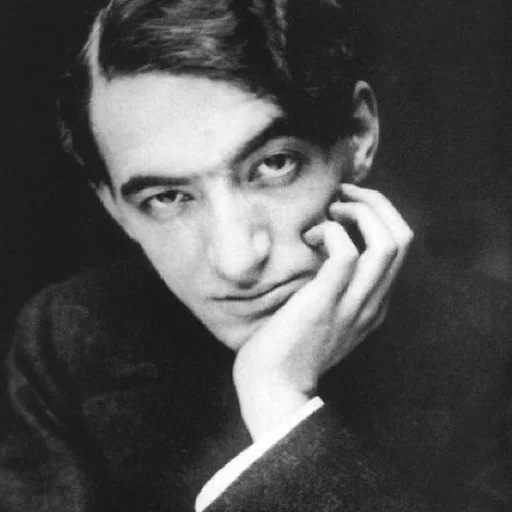
Julius Mordecai Pincas (March 31, 1885 – June 2, 1930), known as Pascin (French: , erroneously or ), Jules Pascin, also known as the "Prince of Montparnasse", was a Bulgarian artist of the School of Paris, known for his paintings and…

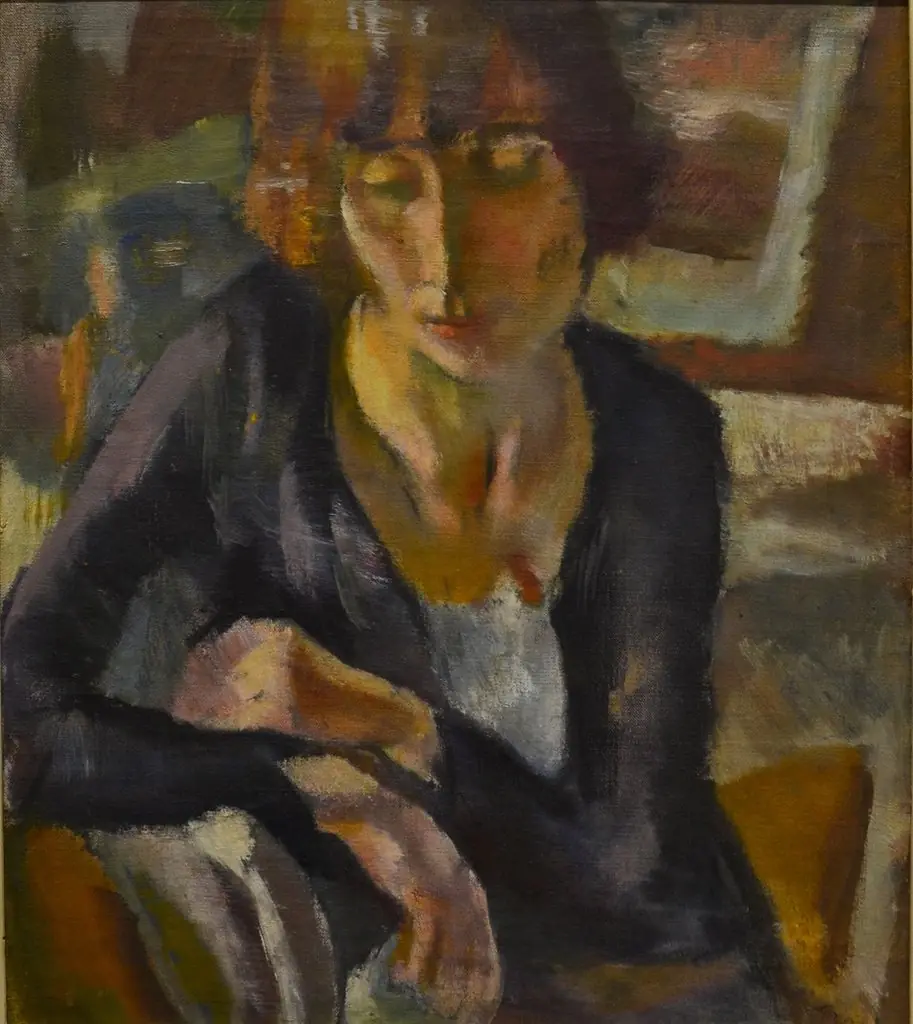
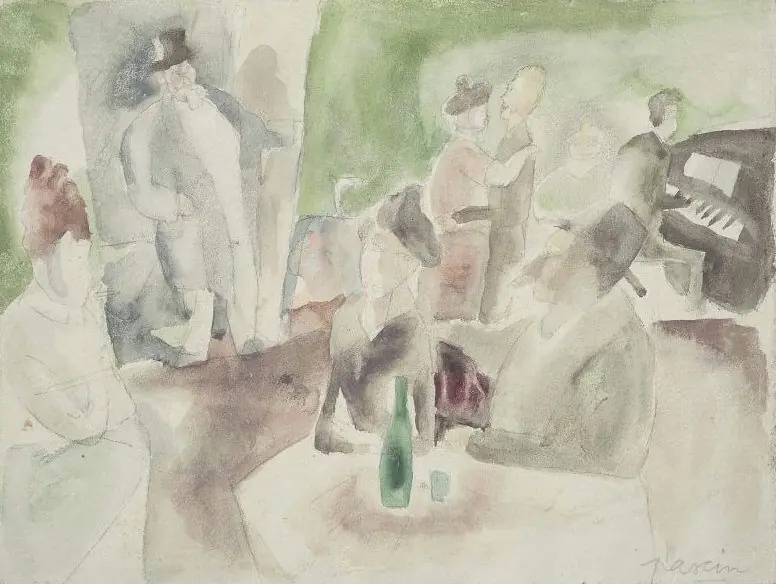
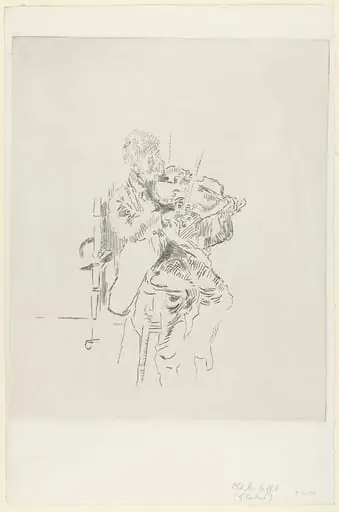 Untitled
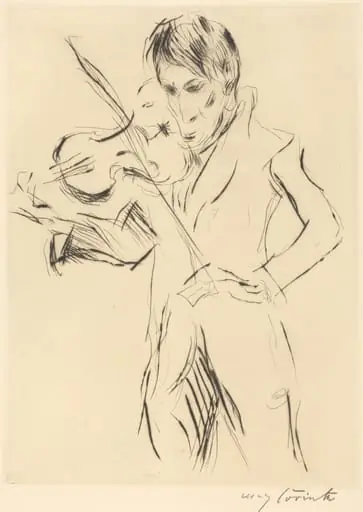 Bildnis Andreas Weissgaerber (Portrait of Andreas Weissgaerber)
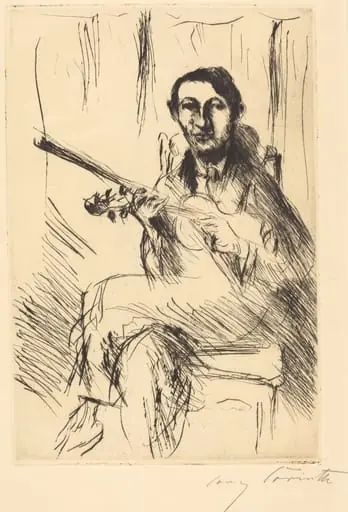 Bildnis Andreas Weissgaerber (Portrait of Andreas Weissgaerber)
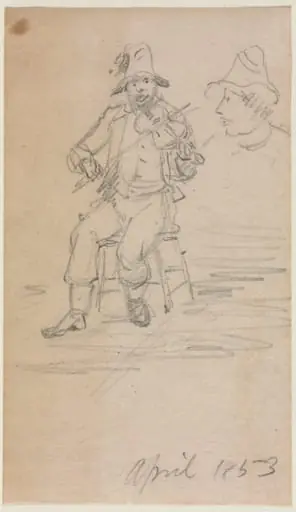 The Fiddling Beggar
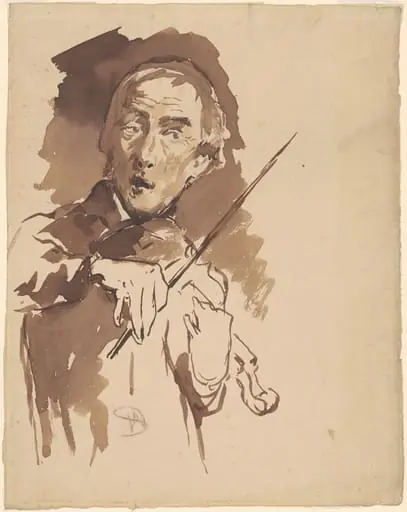 Study for "Toning the Bell"
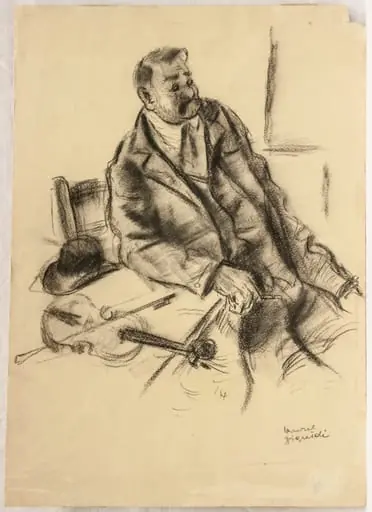 Lăutar
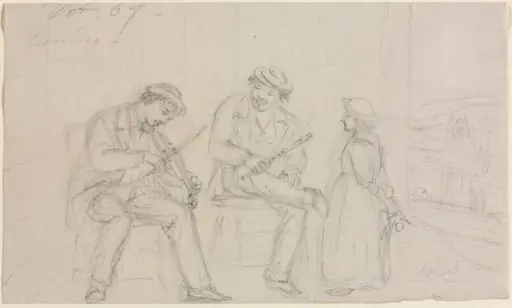 Tuning
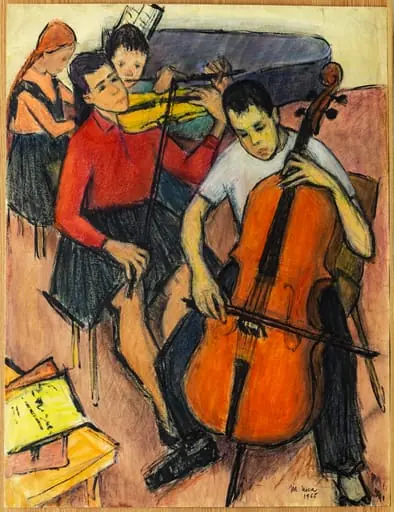 Muzicanți
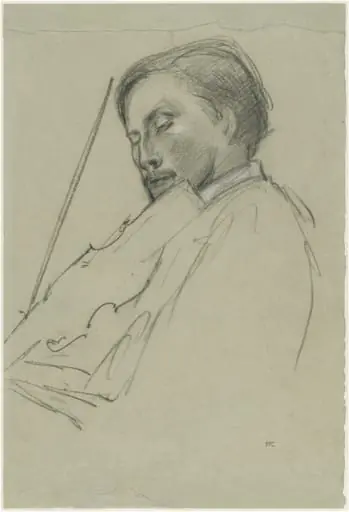 The Violinist
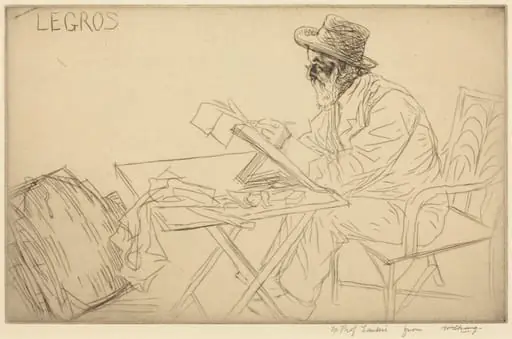 Alphonse Legros Sketching
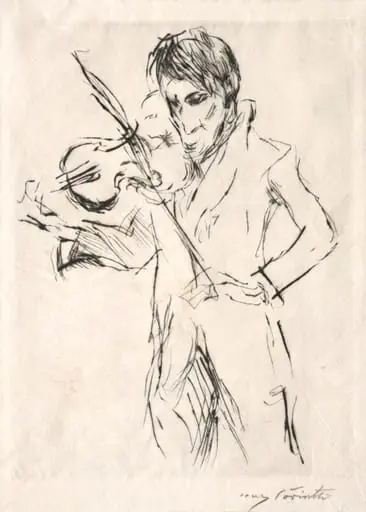 Andreas Weissgaerber
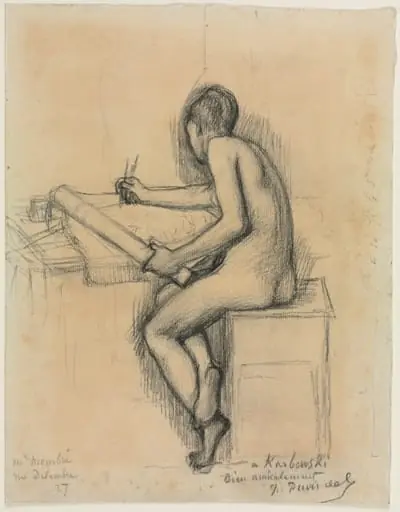 Study of a Seated Nude Female Model Drawing