Artwork
Leopold the Saint rejects the imperial crown
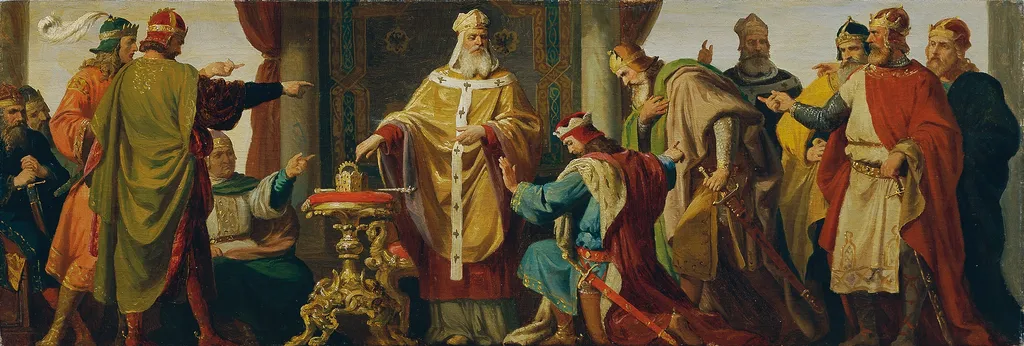
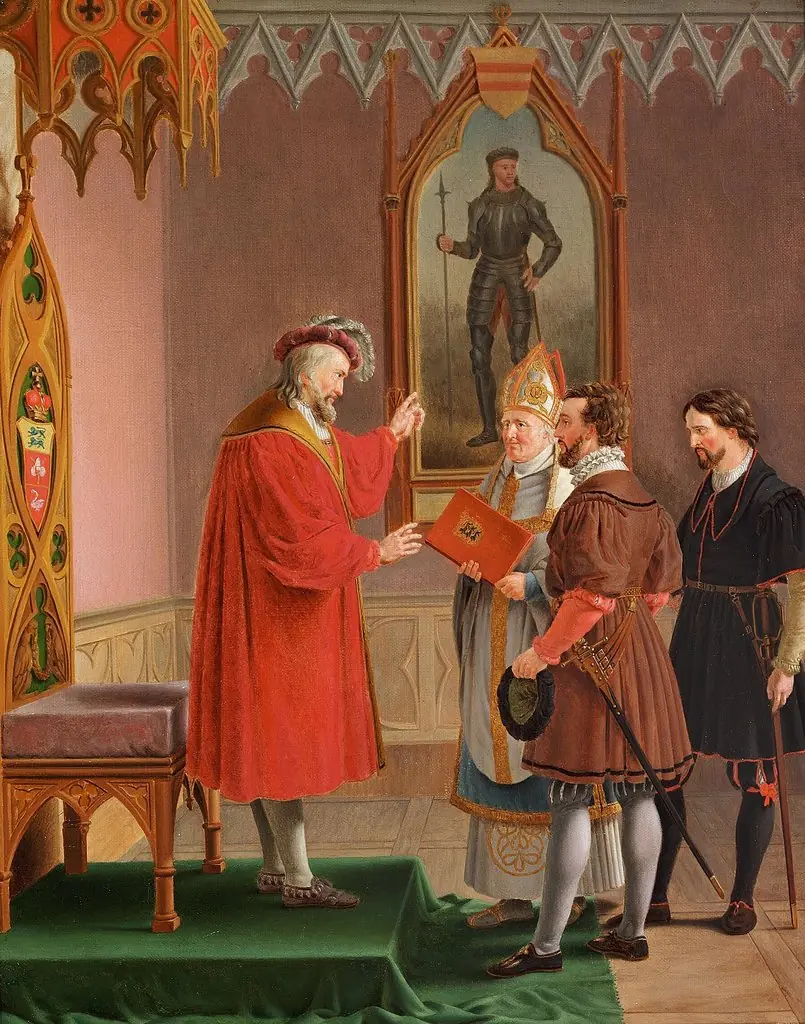
Leopold the Saint rejects the imperial crown is an oil painting by the Biedermeier artist Karl von Blaas. It dates from 1860 and is held in the collection of the Kunsthistorisches Museum.
About this work
Overview
Painted in 1860 by Austrian artist Karl von Blaas, this oil-on-canvas work portrays a moment from medieval Austrian history. Executed in the Biedermeier style, it reflects a quiet solemnity and moral clarity characteristic of mid-19th-century Austrian art. The painting resides in the Kunsthistorisches Museum in Vienna, where it is preserved as part of its historical narrative collection.
Subject & Meaning
The surrounding figures, some gesturing urgently, emphasize the tension between personal conviction and political expectation.
The scene depicts Leopold I, Margrave of Austria, refusing the imperial crown offered by electors of the Holy Roman Empire. His gesture of withdrawal underscores a commitment to regional duty over imperial ambition. The surrounding figures, some gesturing urgently, emphasize the tension between personal conviction and political expectation. The moment captures an ideal of humility and moral authority over power.
Technique & Style
Blaas employs precise brushwork and muted, harmonious tones to convey restraint and dignity. The composition centers Leopold on a throne-like chair, framed by richly detailed architecture and deep red curtains that draw focus to his stillness. Lighting falls subtly on his figure, contrasting with the darker, more active forms of the courtiers, reinforcing his moral detachment from the spectacle of coronation.
History & Provenance
Commissioned during a period of renewed interest in Austria’s medieval past, the painting was completed for the imperial collection. It entered the Kunsthistorisches Museum’s holdings shortly after its completion, where it has remained in public view. Its preservation reflects 19th-century efforts to link Habsburg legitimacy with earlier dynastic virtues.
Context
Created during the Biedermeier era, the work aligns with a cultural trend favoring domestic virtue, religious piety, and historical moralism over grand political narratives. In post-1848 Austria, depictions of self-restrained leadership resonated as alternatives to revolutionary upheaval. Leopold’s refusal mirrored contemporary ideals of duty over ambition.
Legacy
Though not widely exhibited outside Vienna, the painting remains a key example of Biedermeier historical painting in Austrian collections. It contributes to the visual language of Austrian state identity, emphasizing moral leadership over imperial grandeur. Its quiet intensity continues to inform interpretations of medieval Austrian rulership in academic and public discourse.
Artist & collection
Artist
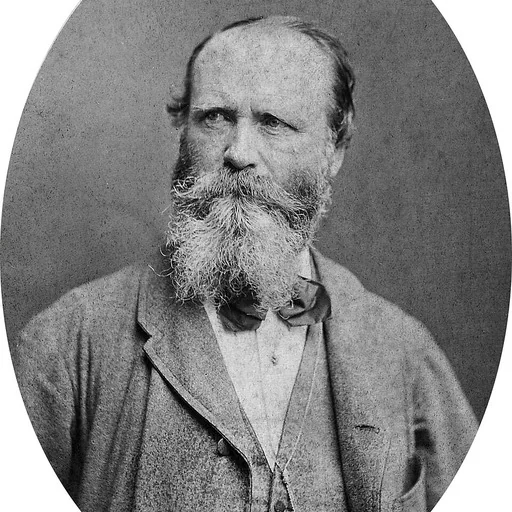
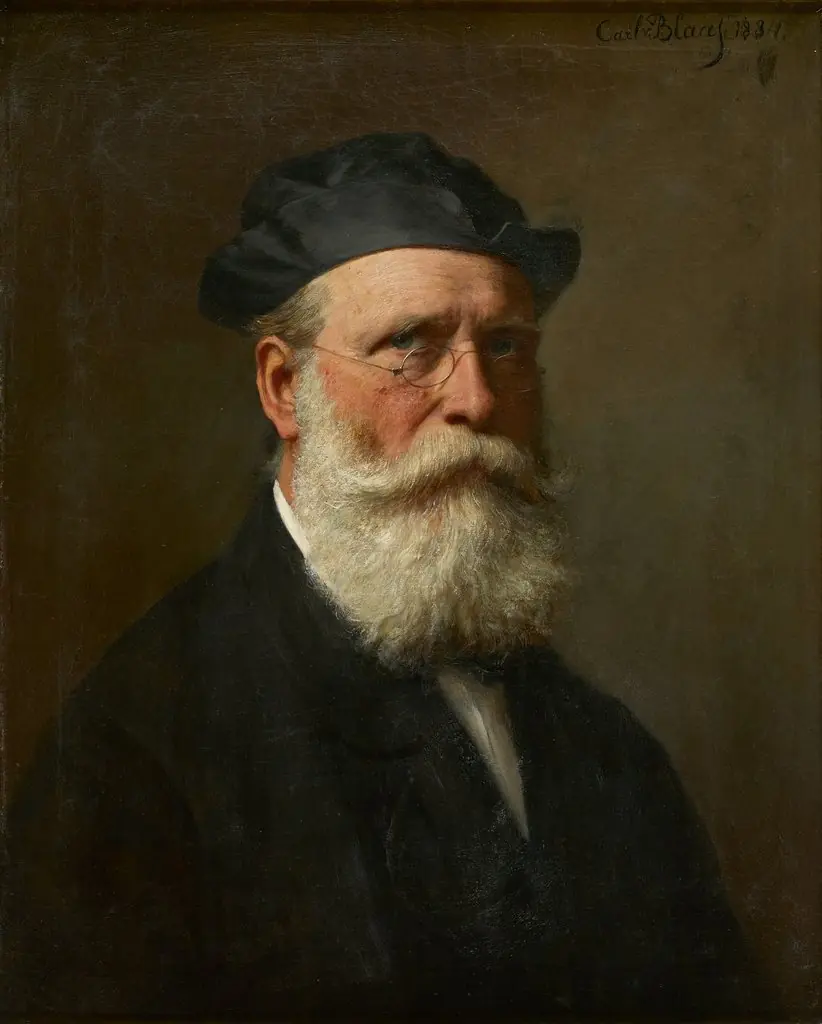
Karl von Blaas (28 April 1815 – 19 March 1894) was an Austrian painter known for his portraits and religious compositions executed on canvas as well as in the form of frescoes.

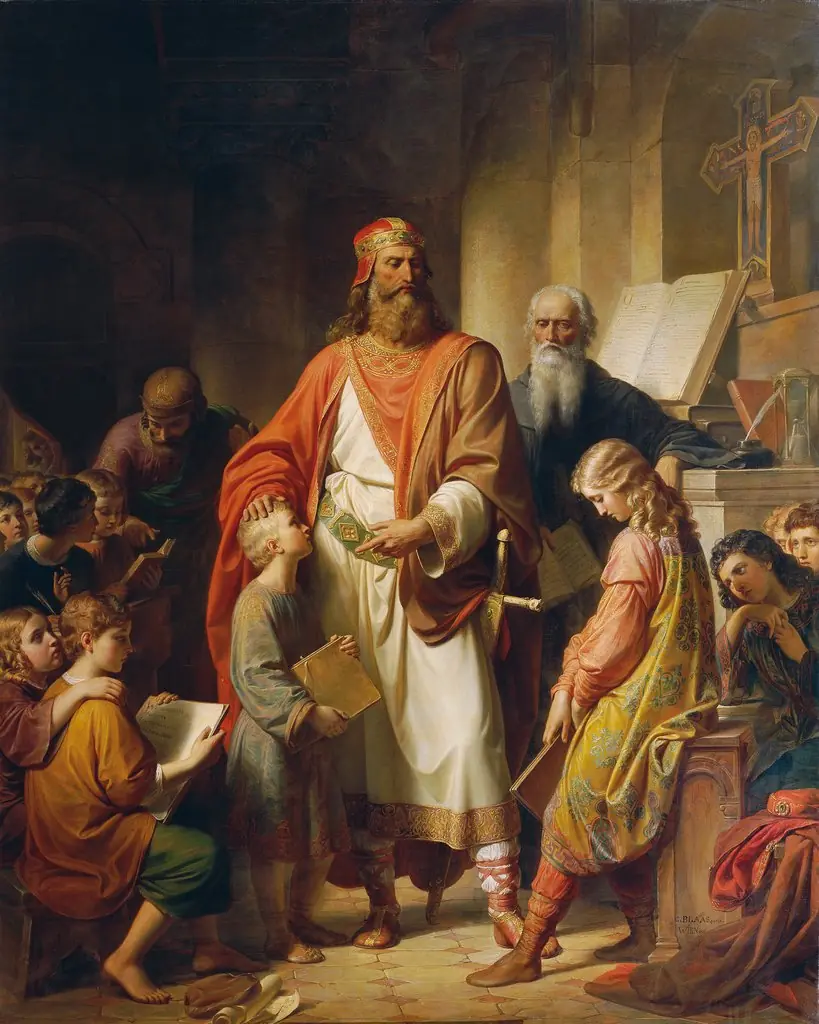
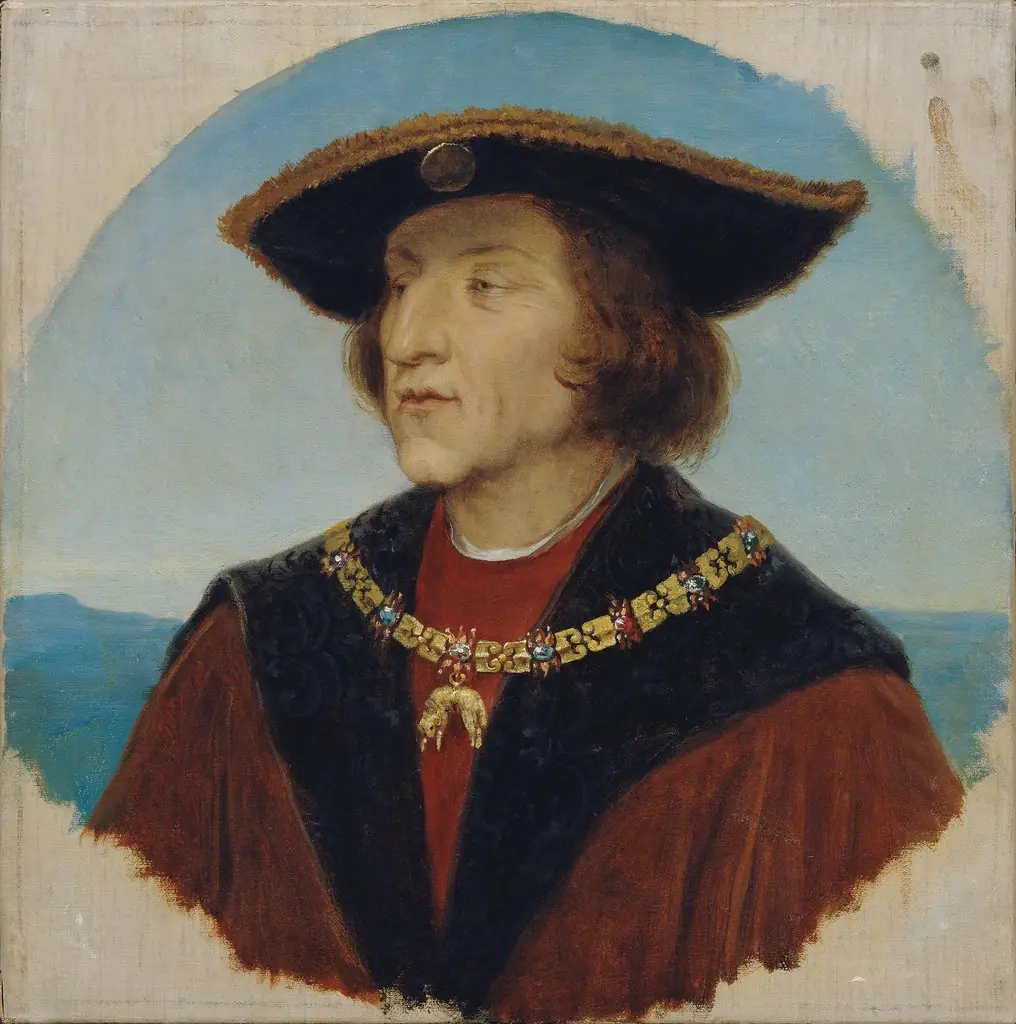
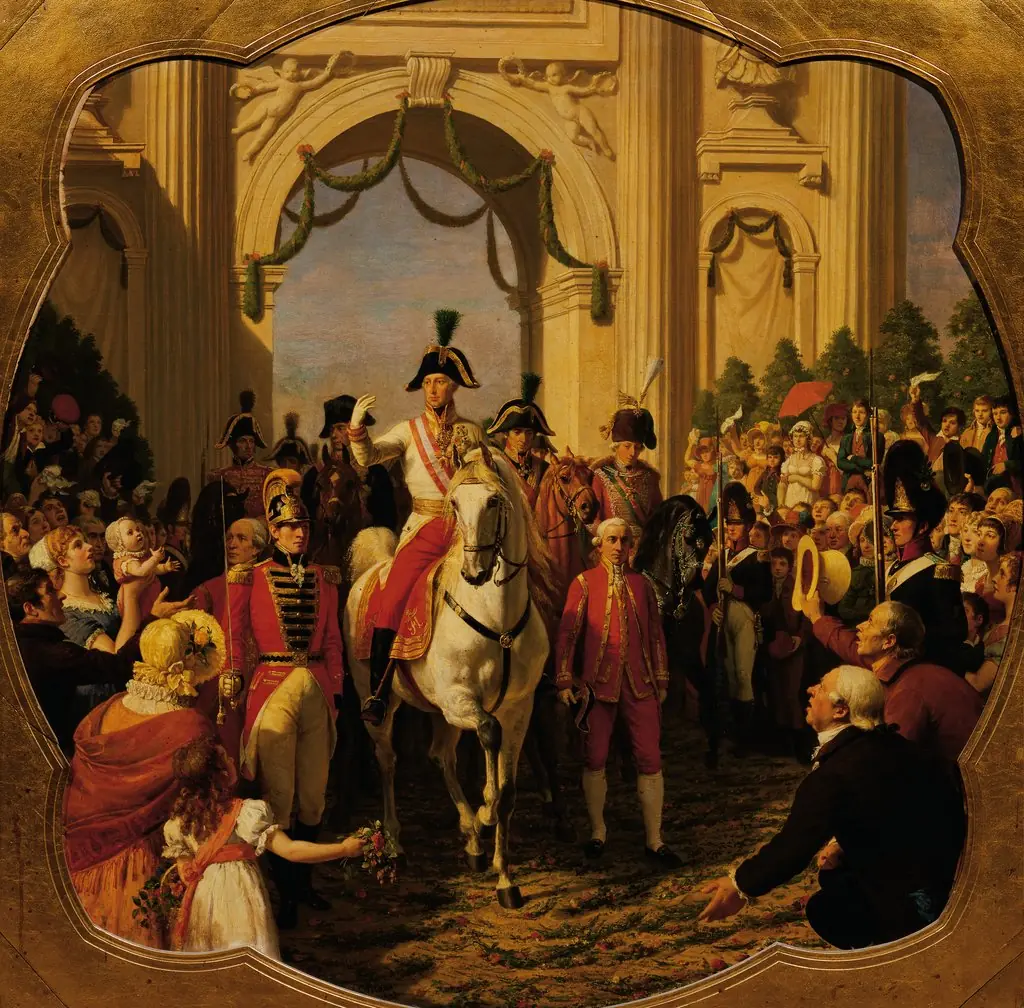
 Friedrich Barbarossa enfeoffs Heinrich Jasomirgott and Heinrich the lion
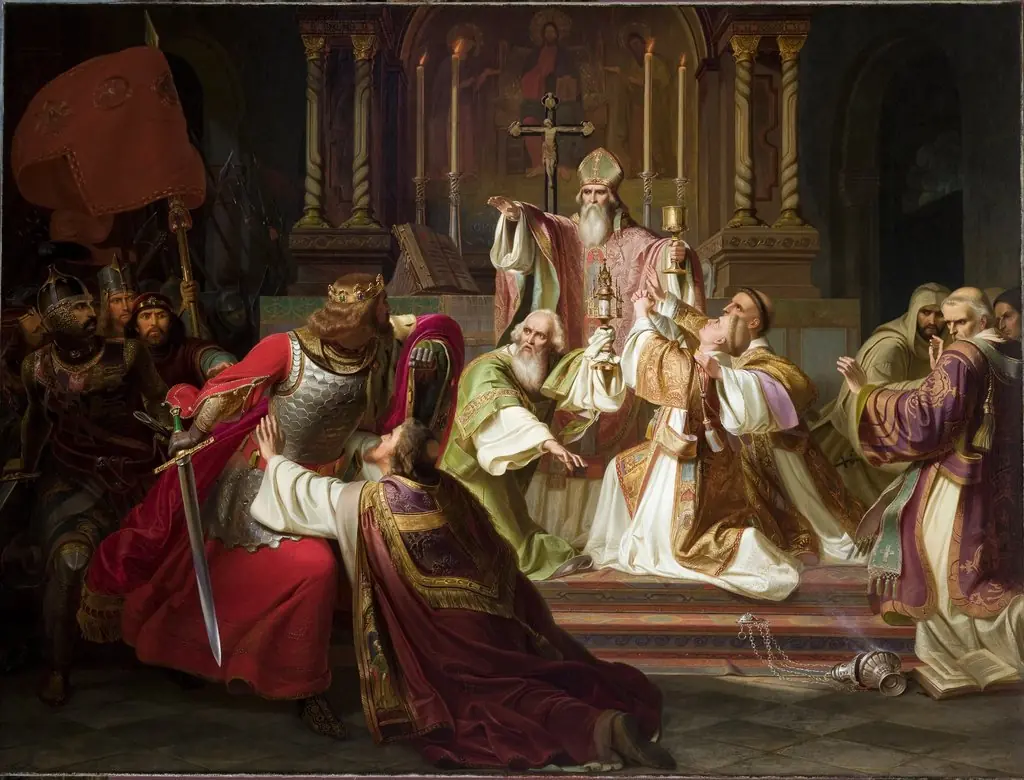 Bishop Stanisław Szczepanowski Putting a Curse on King Bolesław Śmiały
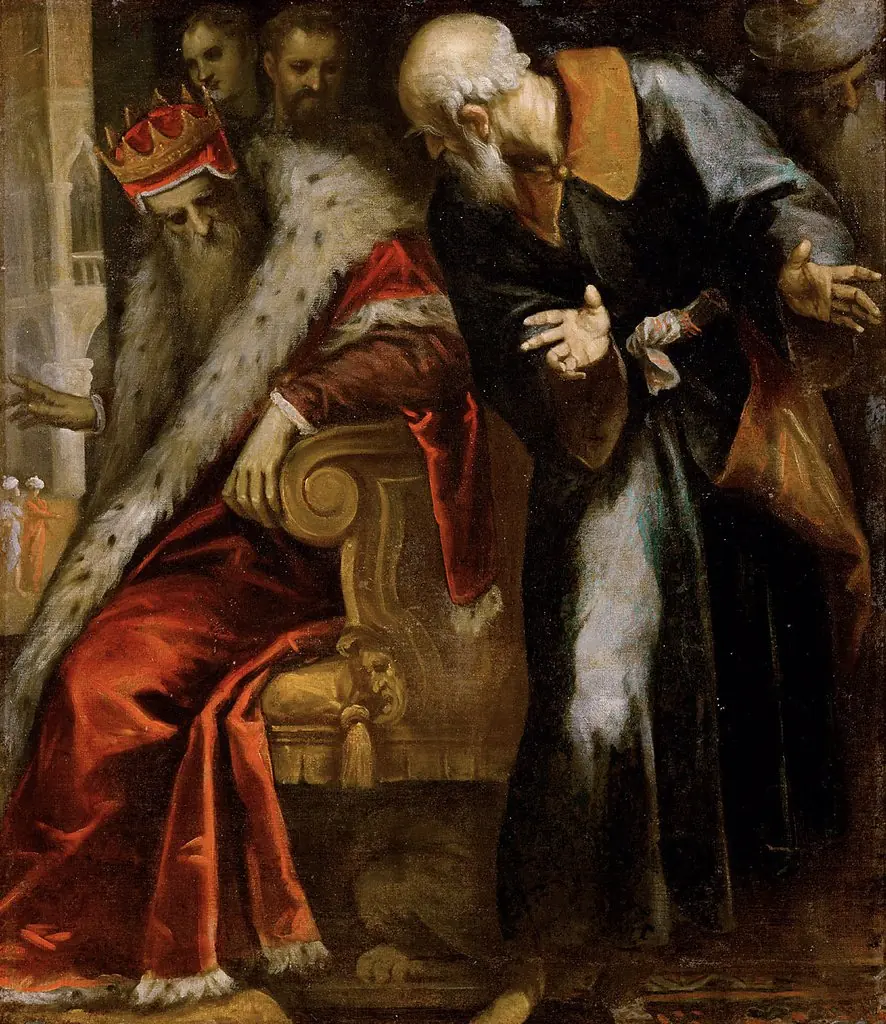 The prophet Nathan admonishes King David
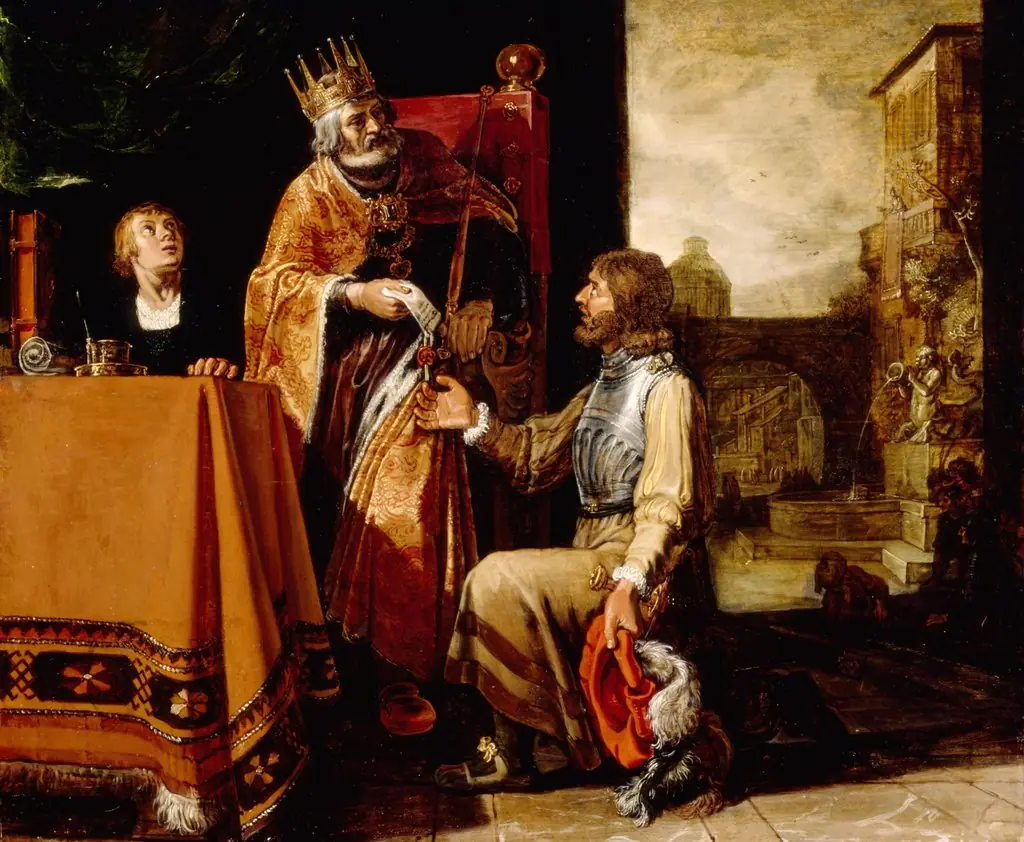 King David Handing the Letter to Uriah
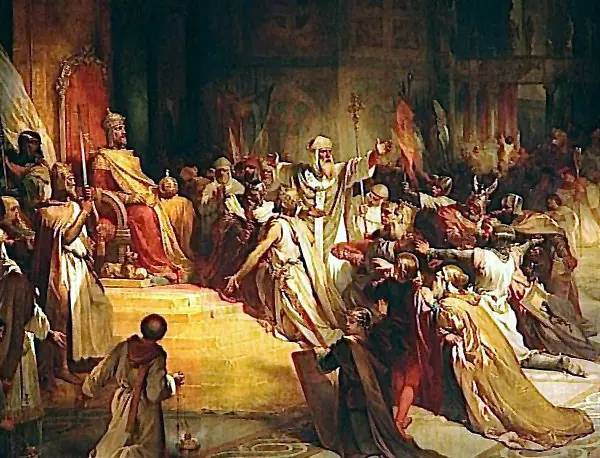 Baudouin couronné empereur de Constantinople, 16 mai 1204
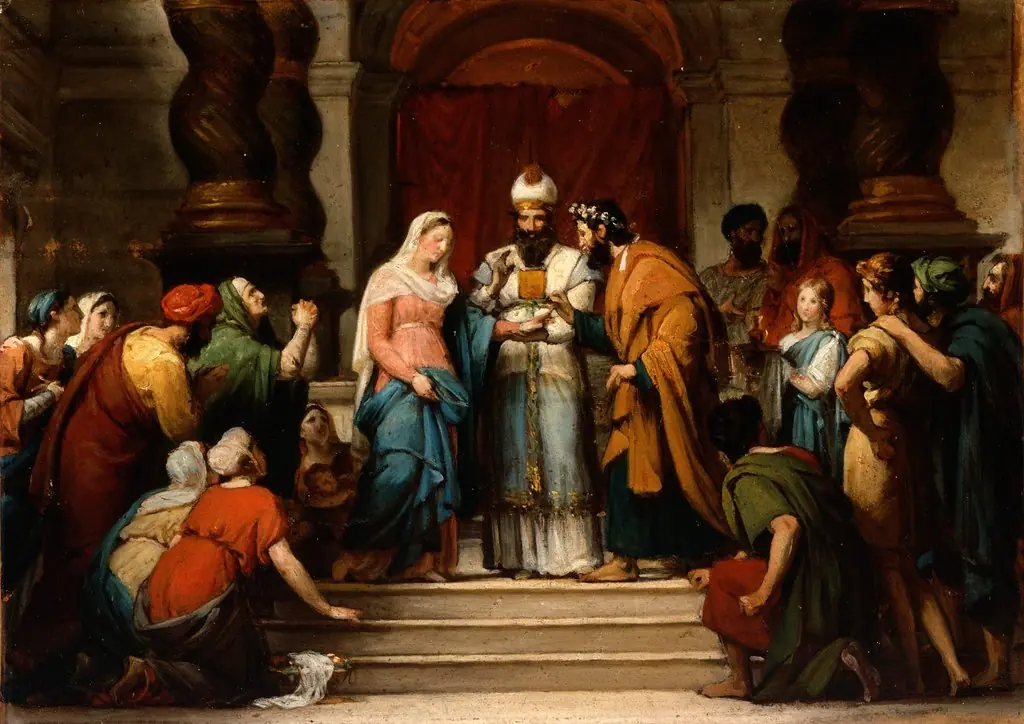 The Marriage of the Virgin
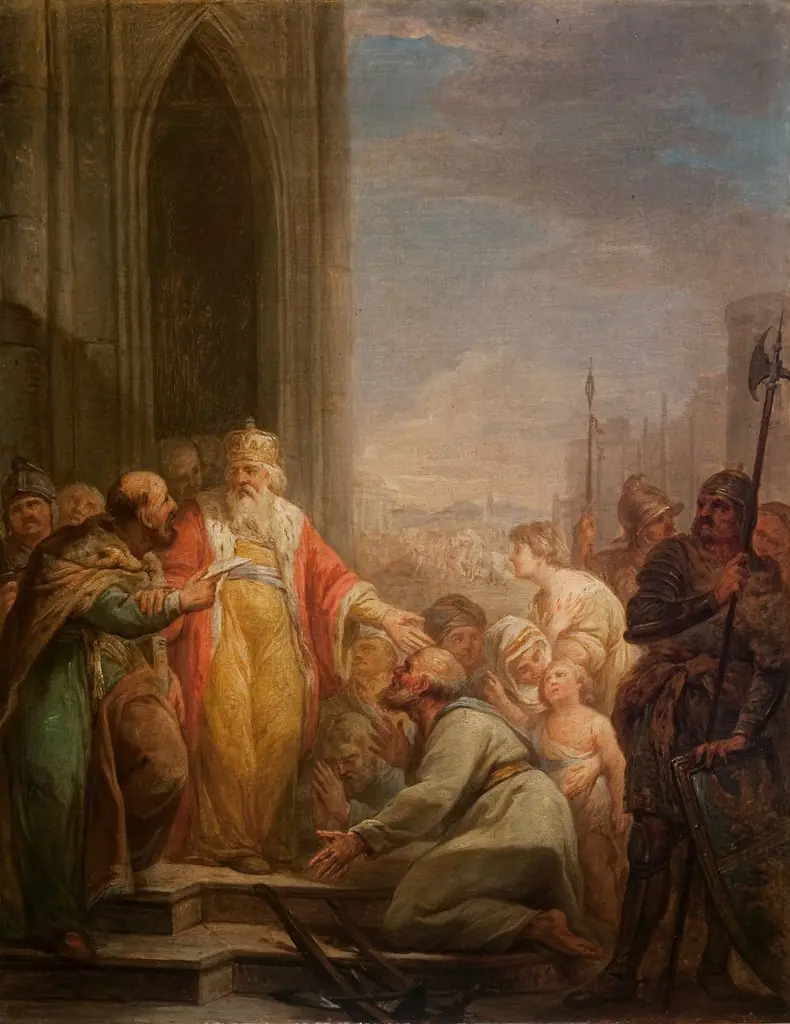 Casimir the Great
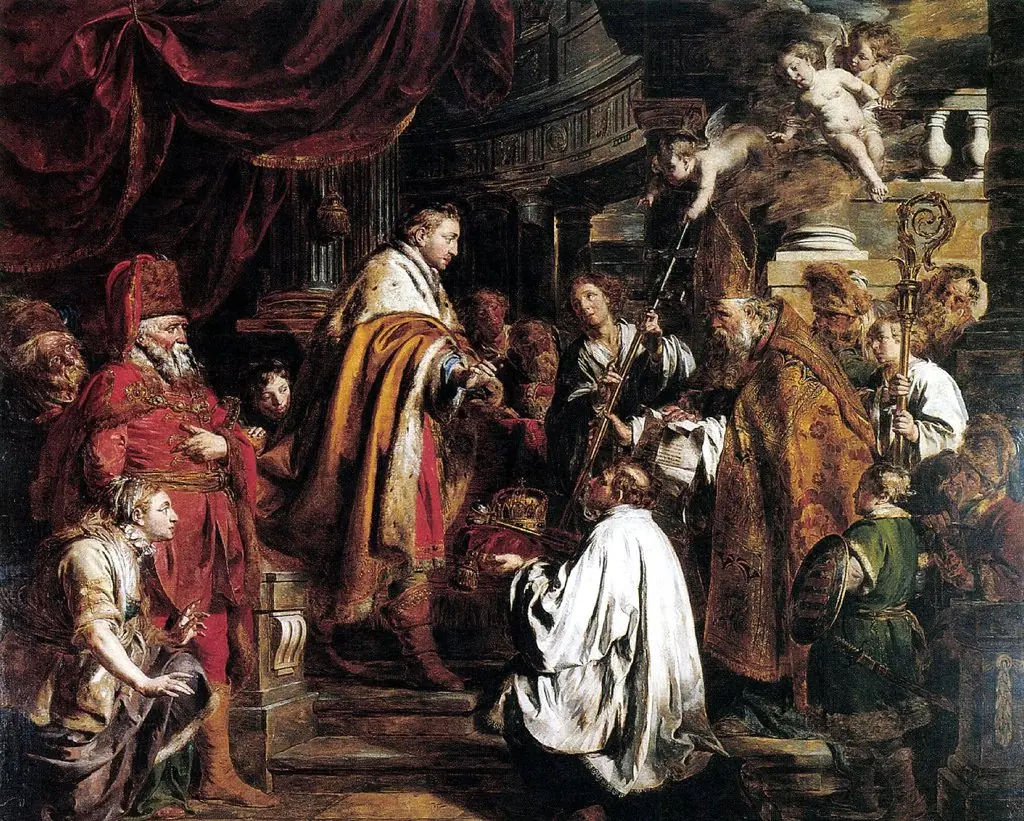 Saint Stephen, king of Hungary Receiving the Legate
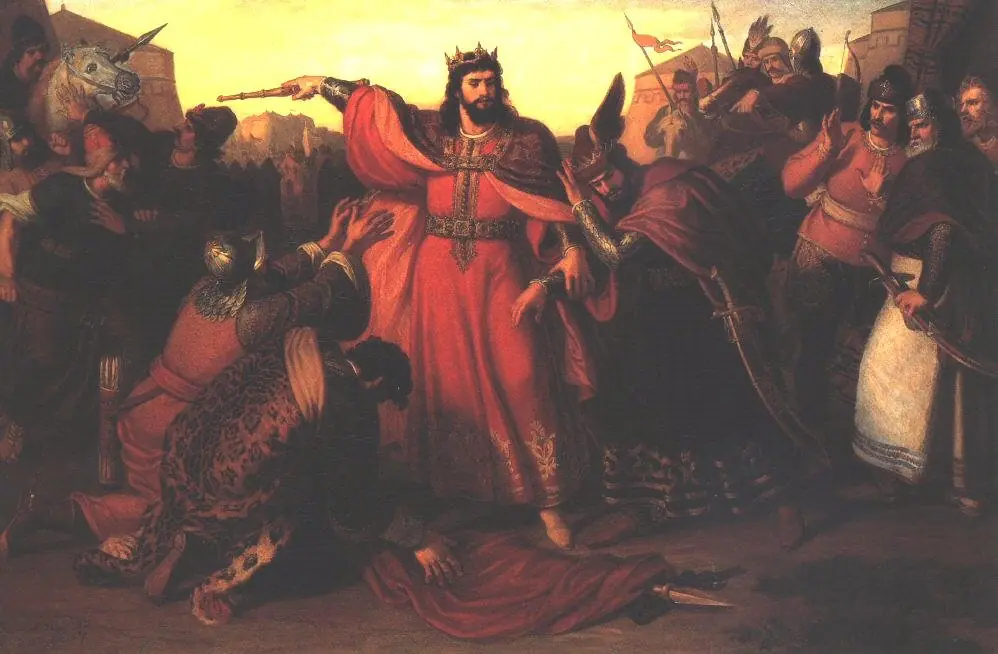 King Imre Captures his Factional Brother, Endre
 King David Receiving the Cistern Water of Bethlehem
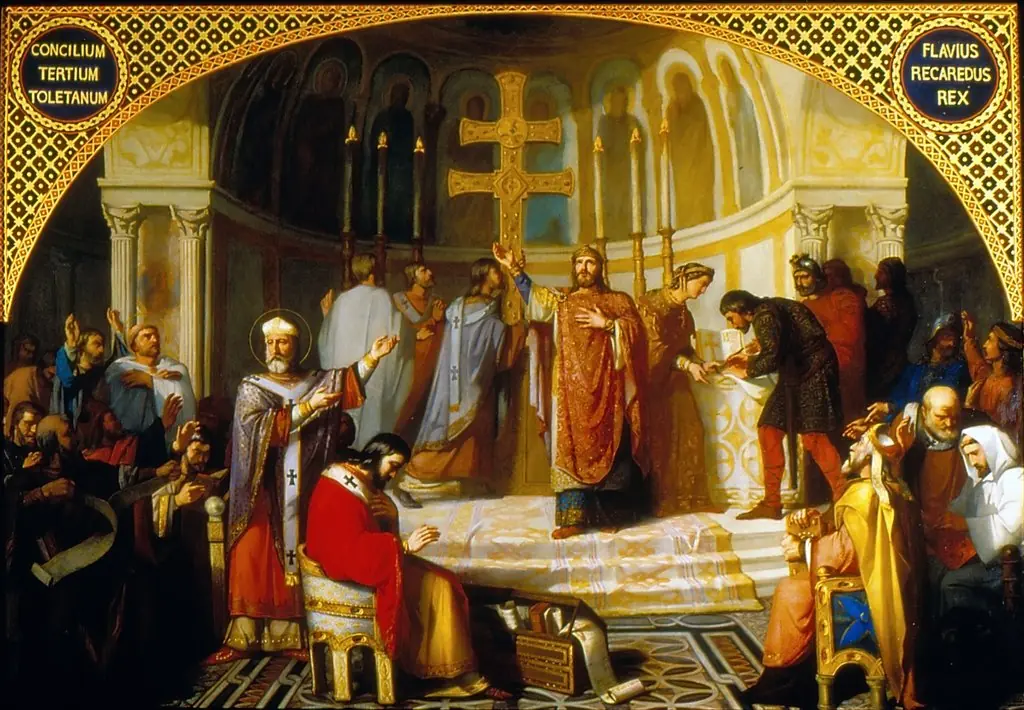 Concilio III de Toledo
 Duke Adolf refuses the offer of the Crown of Denmark