Artwork
Man with a tortoise
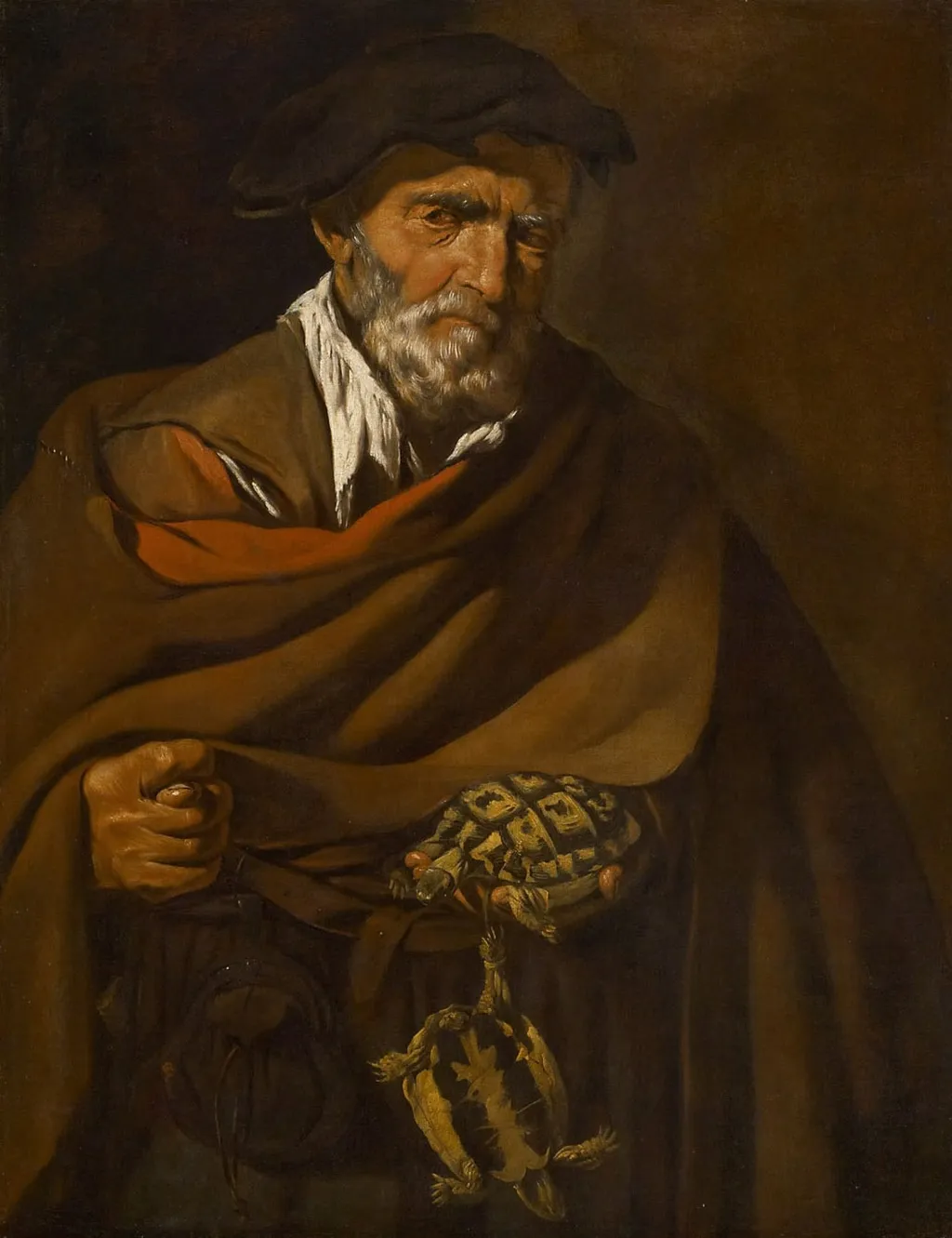
Man with a tortoise is an unspecified painting by Jusepe de Ribera. It dates from 1631 and is held in the collection of the Kunsthistorisches Museum.
About this work
Overview
The piece is now part of the Kunsthistorisches Museum’s collection in Vienna, reflecting Ribera’s broader influence on Southern Italian painting of the period.
Painted circa 1631 by Jusepe de Ribera, this work belongs to a series of genre studies produced during his years in Naples. Though rooted in the Baroque tradition, the painting avoids overt religious narrative, focusing instead on a solitary figure engaged with a slow-moving creature. The piece is now part of the Kunsthistorisches Museum’s collection in Vienna, reflecting Ribera’s broader influence on Southern Italian painting of the period.
Subject & Meaning
The figure, likely a hermit or ascetic, holds a tortoise with quiet attention. The animal, a traditional symbol of patience and longevity, may suggest contemplative solitude or spiritual endurance. Ribera avoids allegorical clarity, instead emphasizing the physicality of the moment—weathered skin, rough hands, and the tortoise’s armored shell—to evoke a sense of quiet, unspoken devotion.
Technique & Style
Ribera employs chiaroscuro to model the figure’s form with stark contrasts, drawing attention to the textures of skin, fabric, and shell. His brushwork is direct and unidealized, capturing the weight and stillness of the subject. The muted palette and dense shadows reflect his Caravaggesque training, yet the composition’s intimacy and psychological depth mark a personal refinement beyond mere imitation.
History & Provenance
The painting entered the Habsburg collections in the 17th century, likely acquired through diplomatic or artistic networks connecting Naples and Vienna. It remained in imperial holdings through the centuries, documented in Viennese inventories by the 18th century. Its preservation in the Kunsthistorisches Museum underscores its early recognition as a significant example of Ribera’s secular studies.
Context
In early 17th-century Naples, Ribera cultivated a reputation for depicting marginalized figures with unflinching realism. Alongside contemporaries like Caravaggio and his followers, he turned to everyday subjects—laborers, beggars, hermits—as vessels for emotional and moral resonance. This painting aligns with a broader trend of humanizing the obscure, away from grand religious or mythological themes.
Legacy
Ribera’s treatment of the tortoise as a quiet companion to human solitude influenced later genre painters in Spain and Italy. While not widely reproduced in his time, the work’s psychological nuance and restrained composition have been recognized in modern scholarship as emblematic of his ability to elevate the mundane through precise observation and emotional restraint.
Artist & collection
Artist
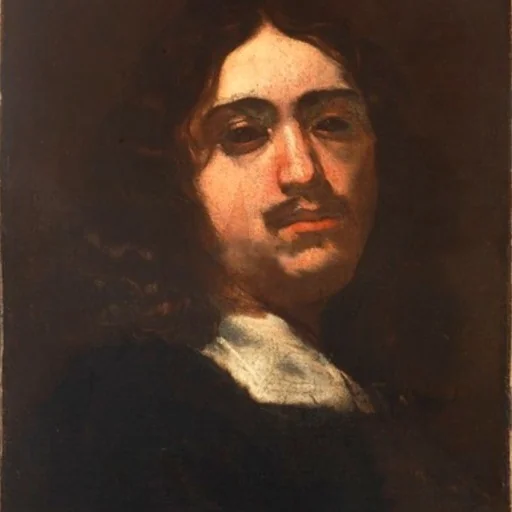
Jusepe de Ribera (Valencian: ; baptised 17 February 1591 – 3 November 1652) was a Spanish painter and printmaker.



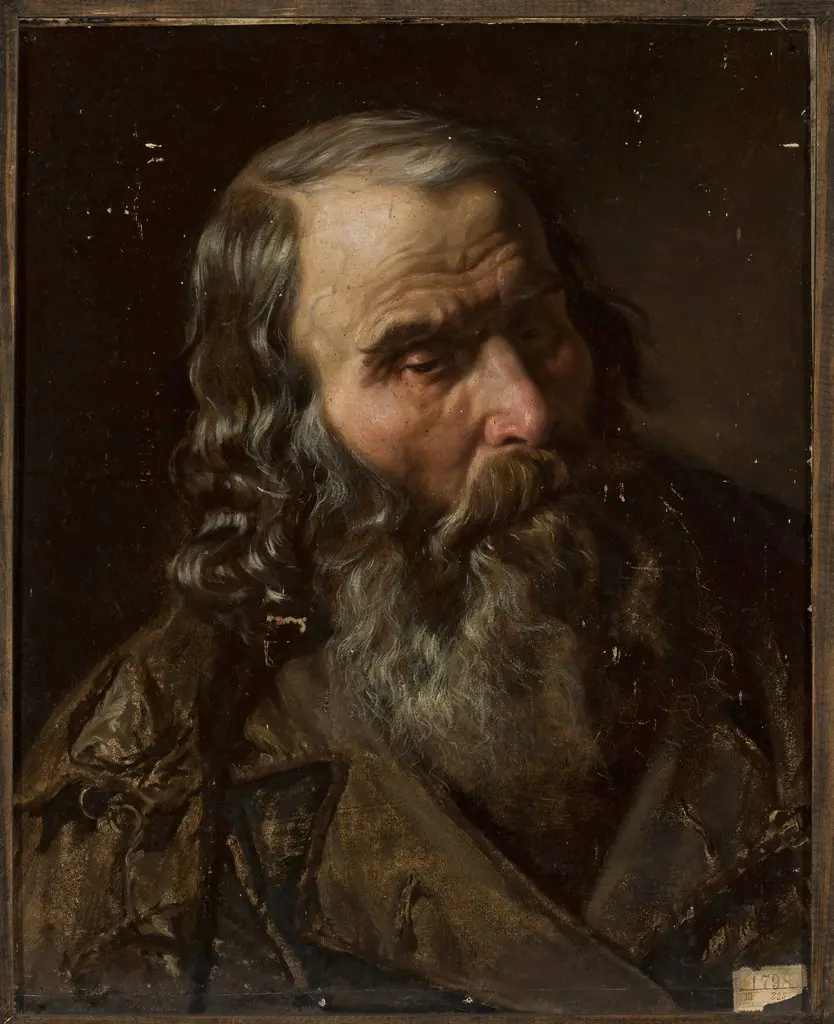 Head of an old man
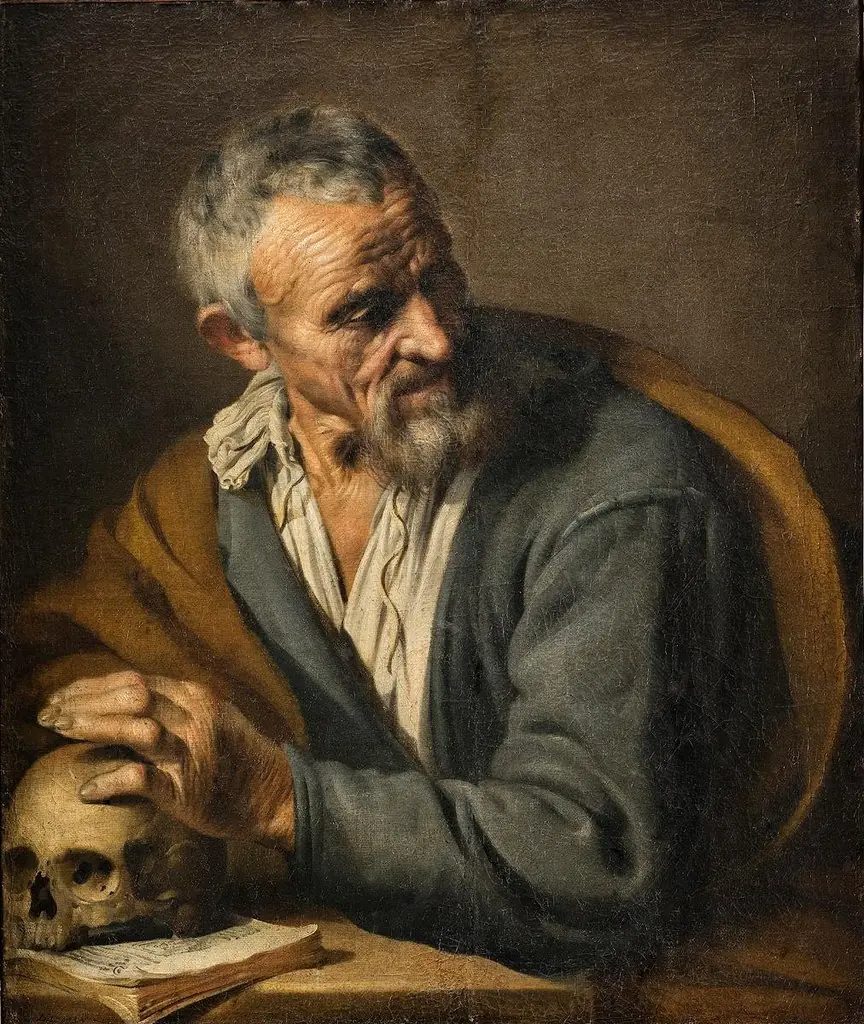 Philosophe
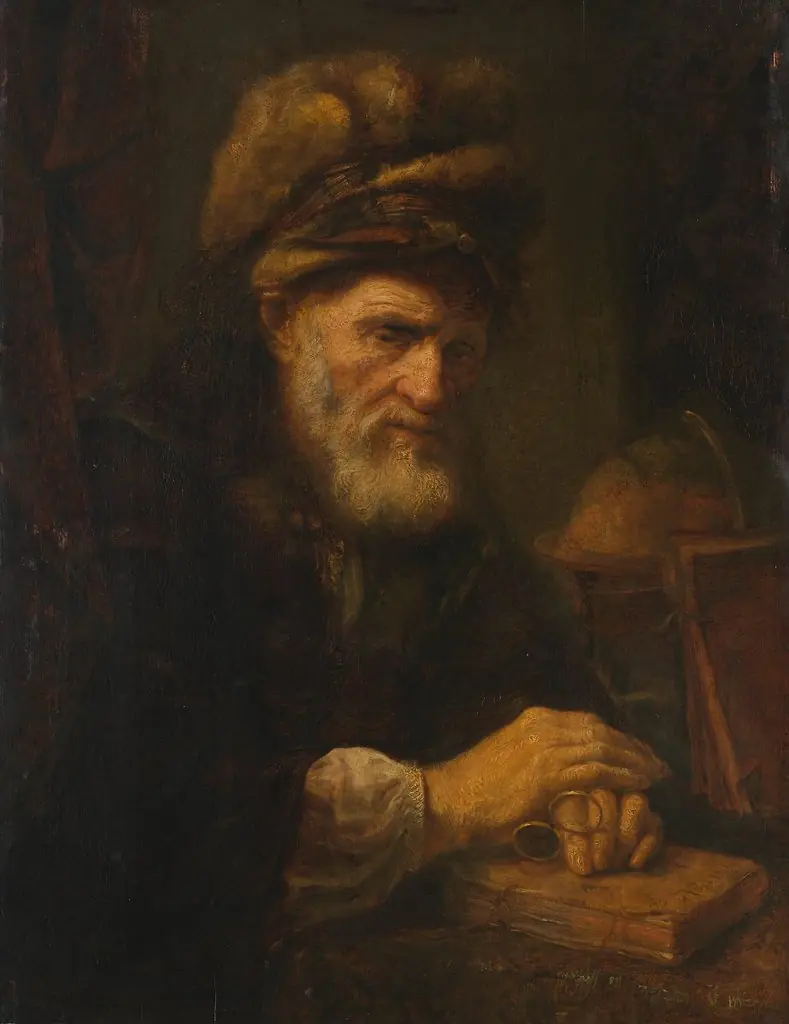 An Old Man in a Fur Cap
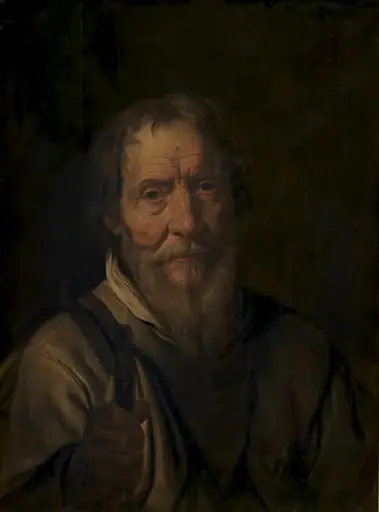 Portrait of an Old Man. Christian Jacobsen Drakenberg (?)
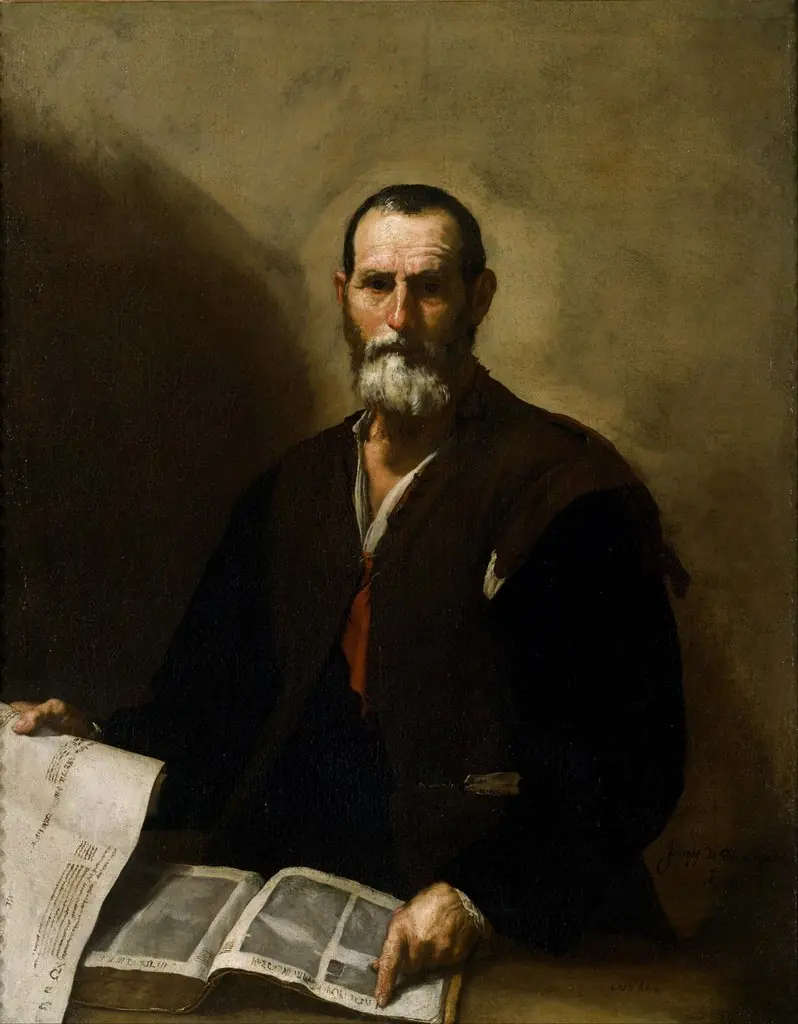 Philosopher Crates
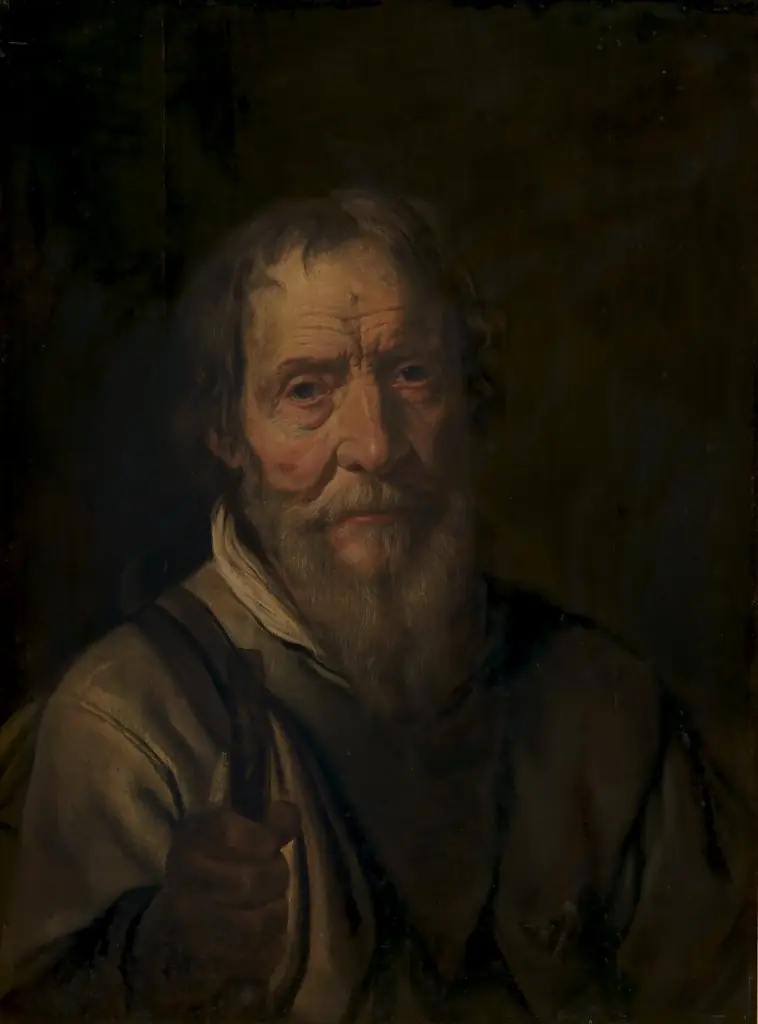 Portrait of an Old Man. Christian Jacobsen Drakenberg (?)
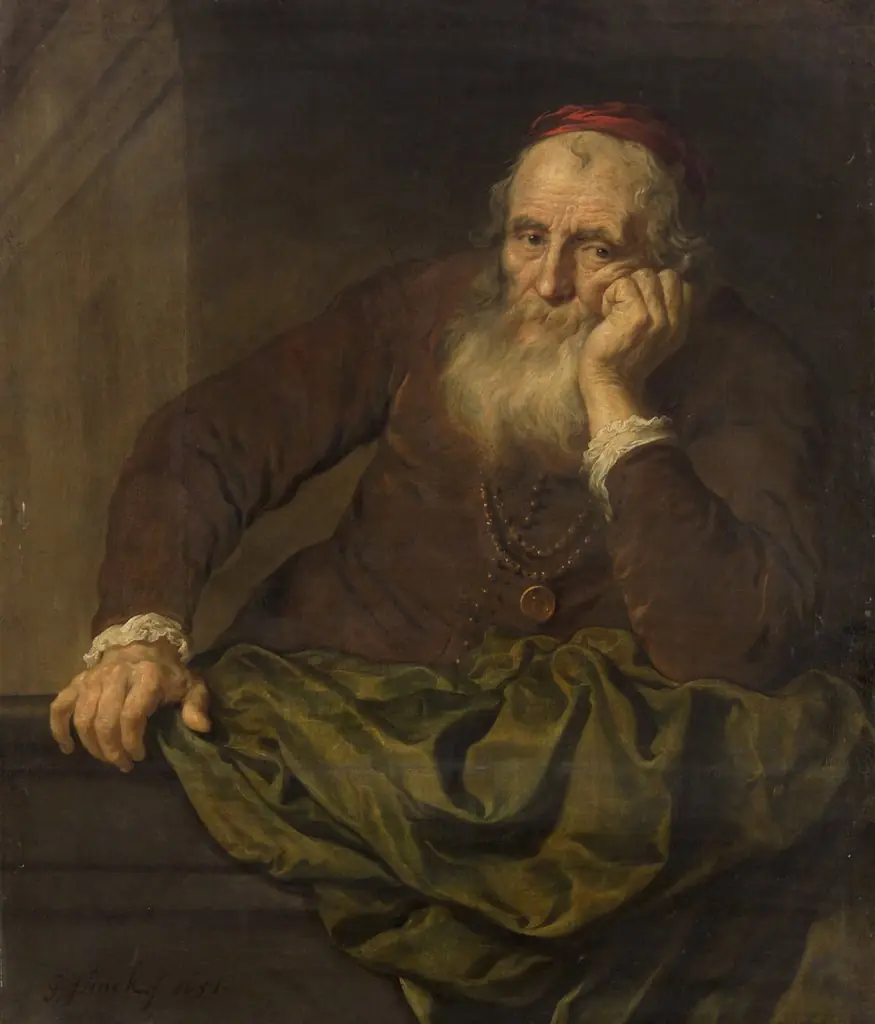 Old man leaning on a balustrade
 An Old Man in a Fur Cap
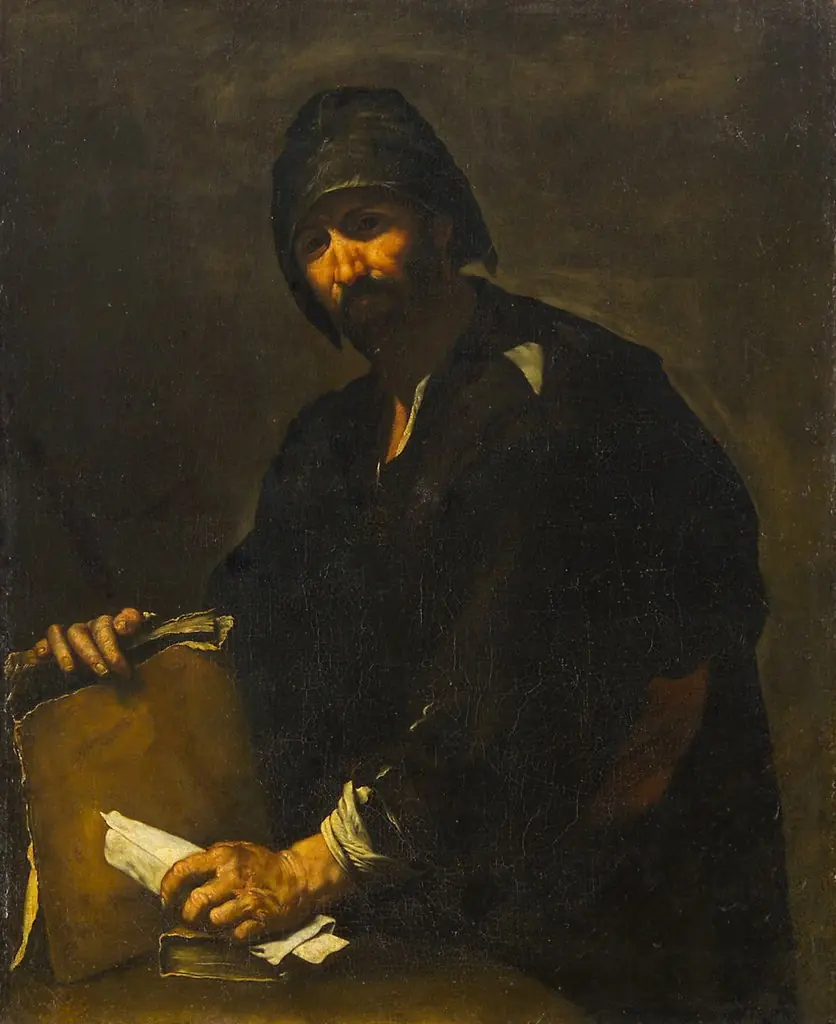 Philosoph
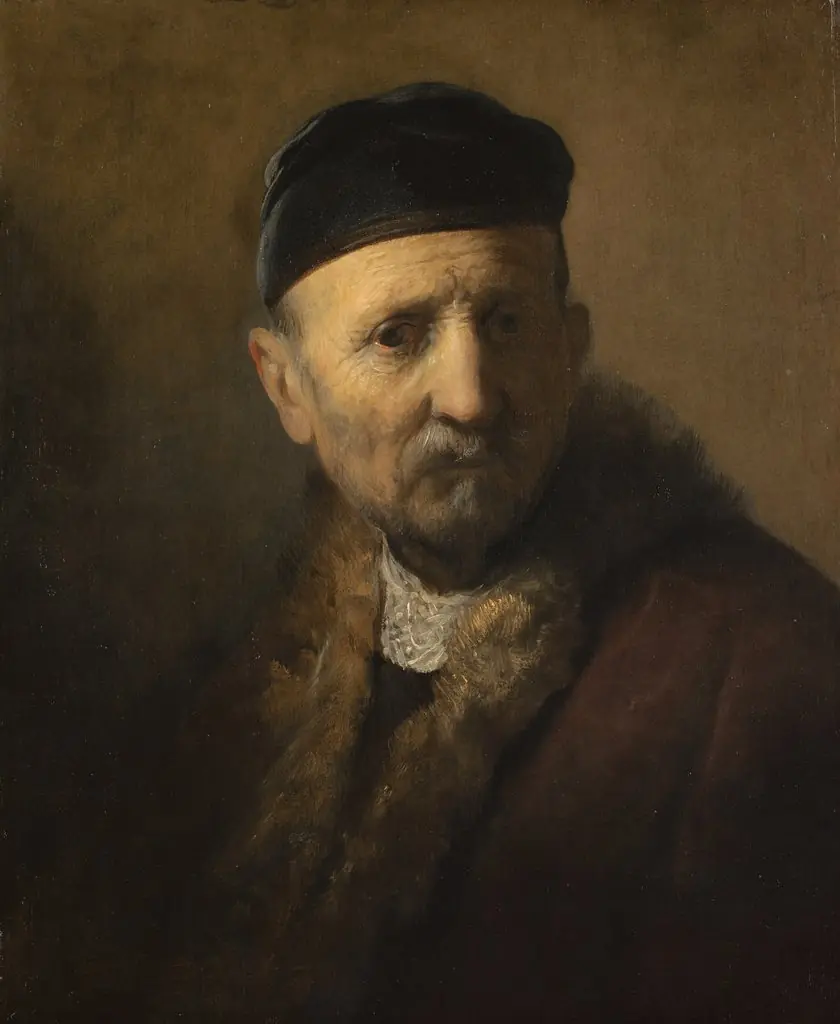 Study of an old man (Rembrandt's father)
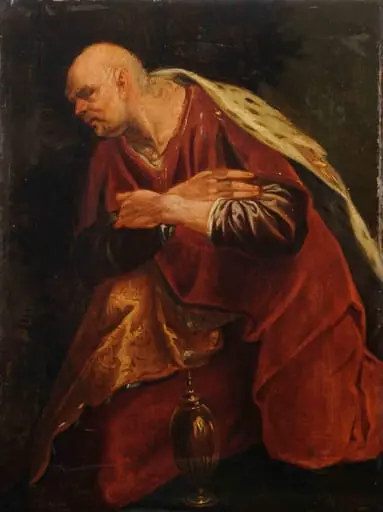 Mag îngenuncheat
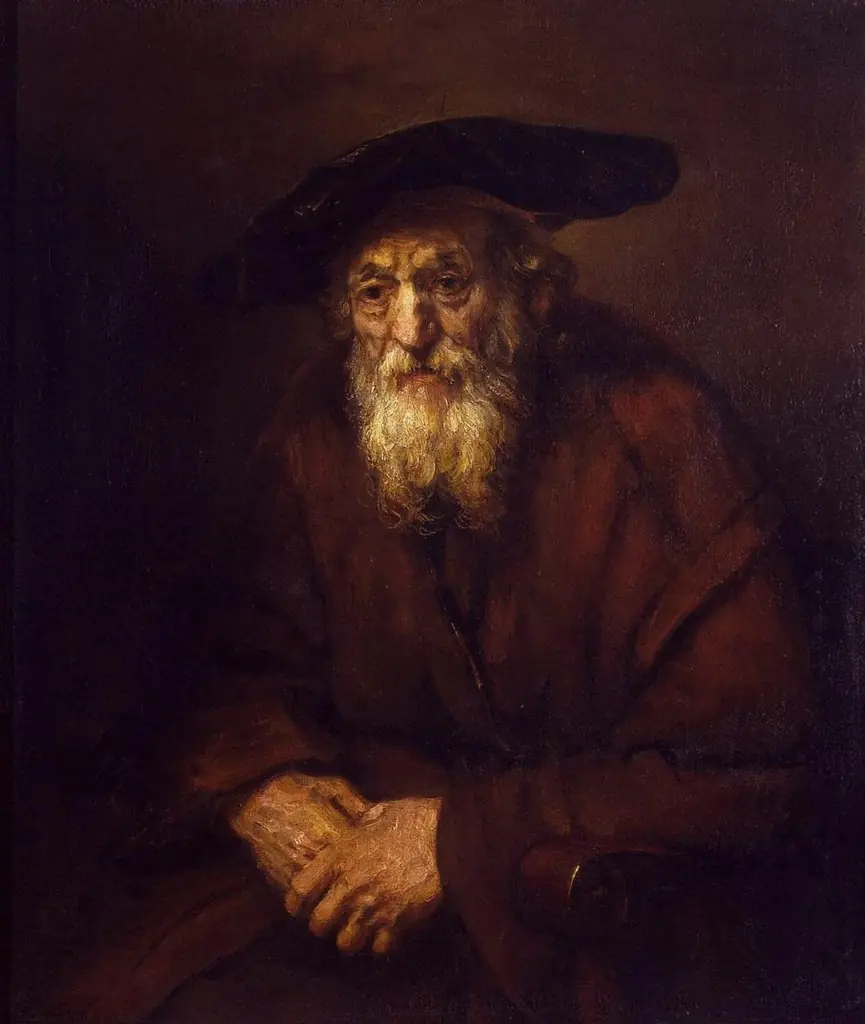 Portrait of an Old Man