Artwork
Saint Jerome
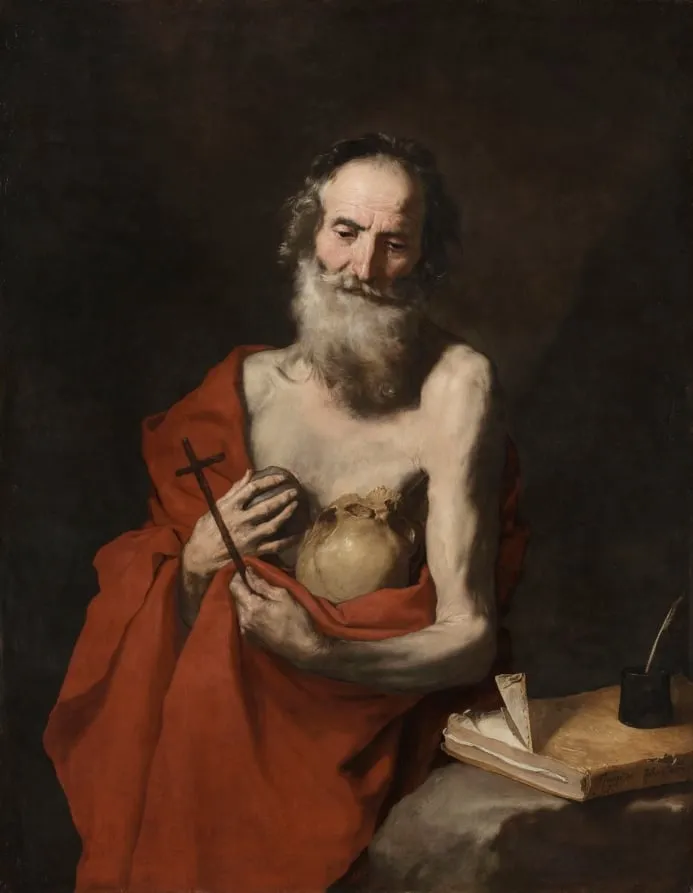
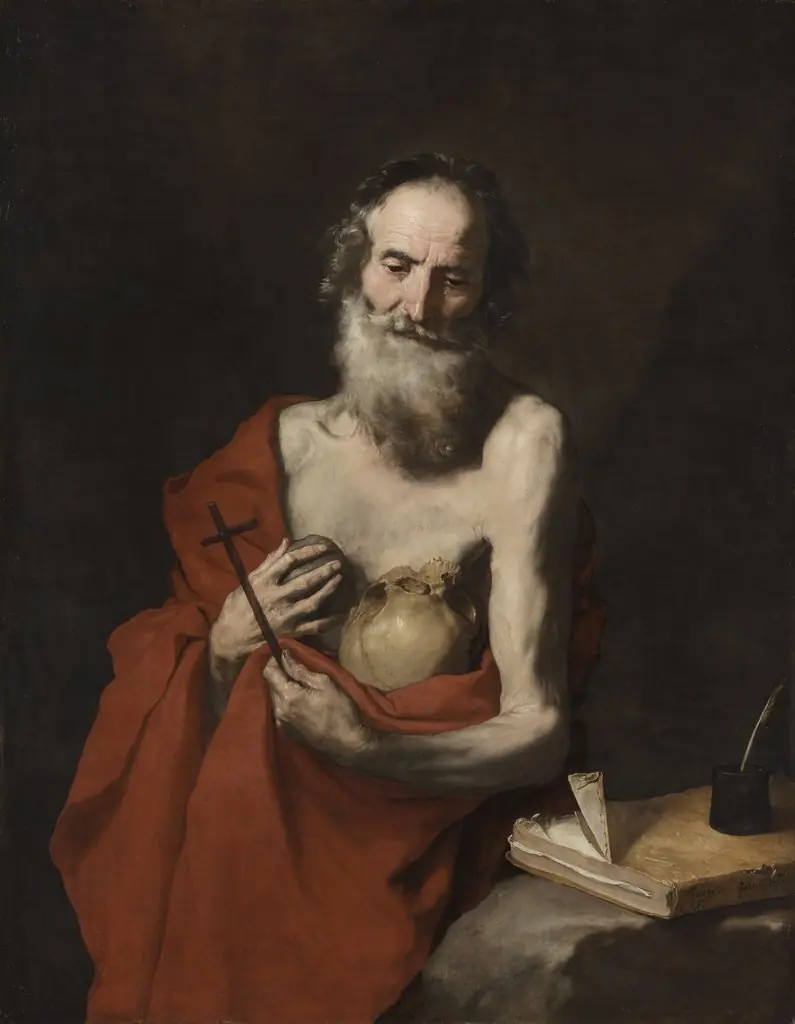
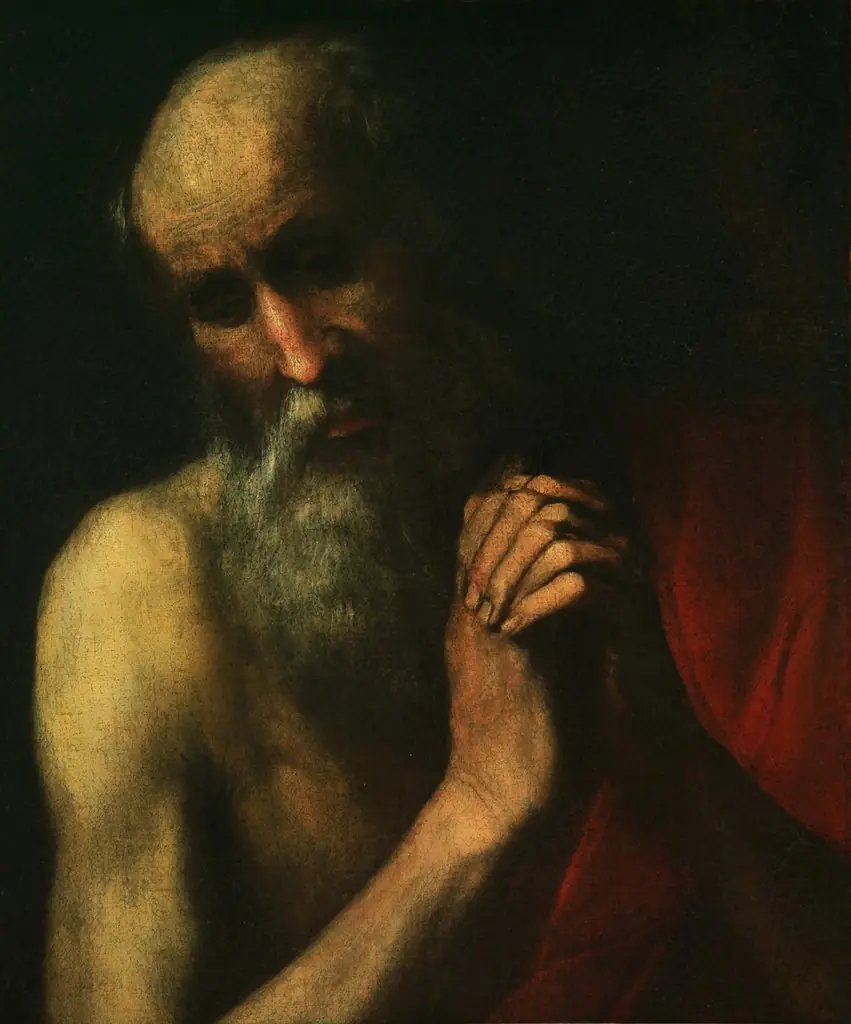
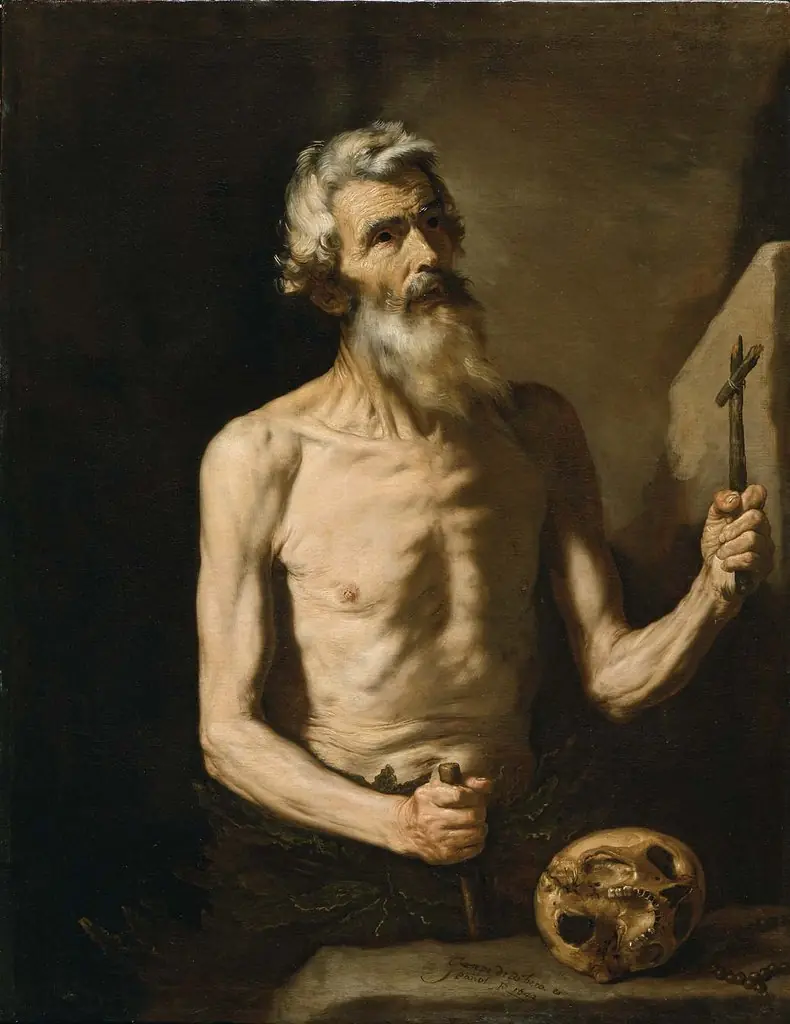
Saint Jerome is an unspecified painting by the Baroque artist Jusepe de Ribera. It dates from 1639 and is held in the collection of the Cleveland Museum of Art.
About this work
Overview
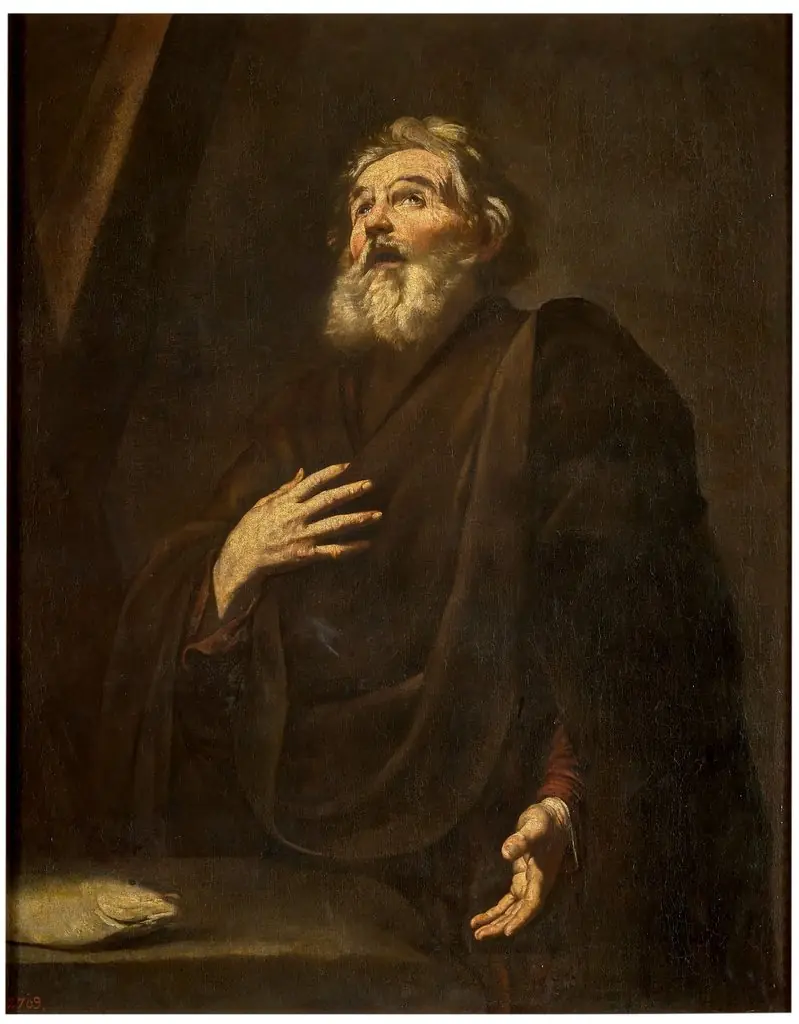
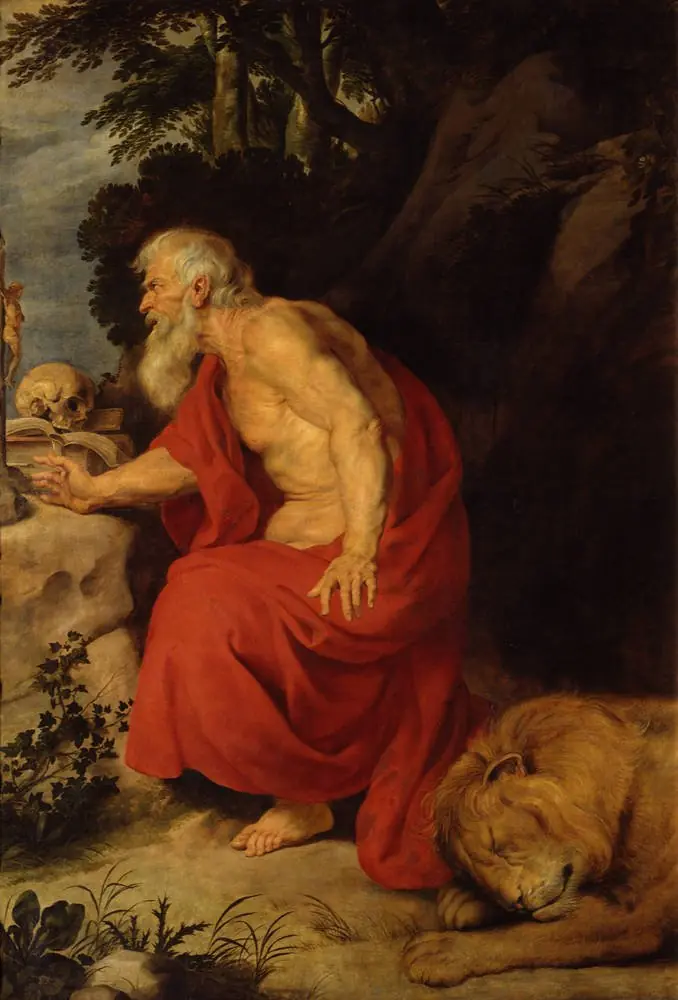
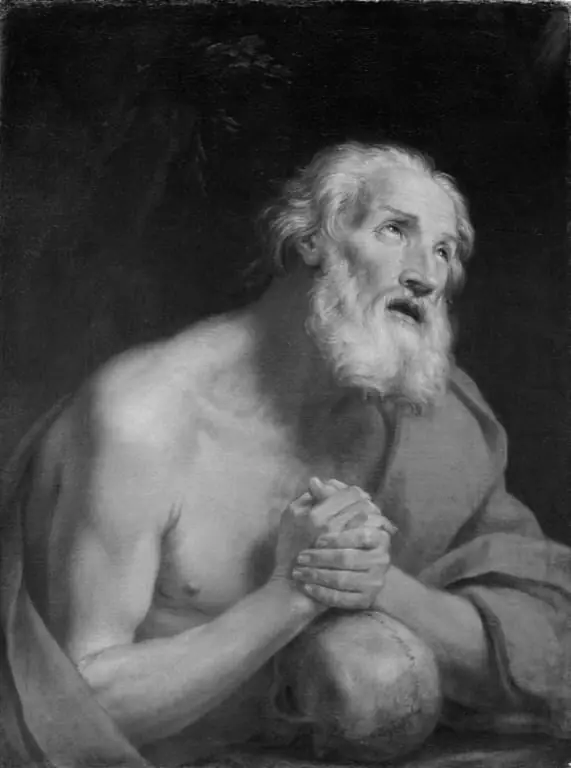
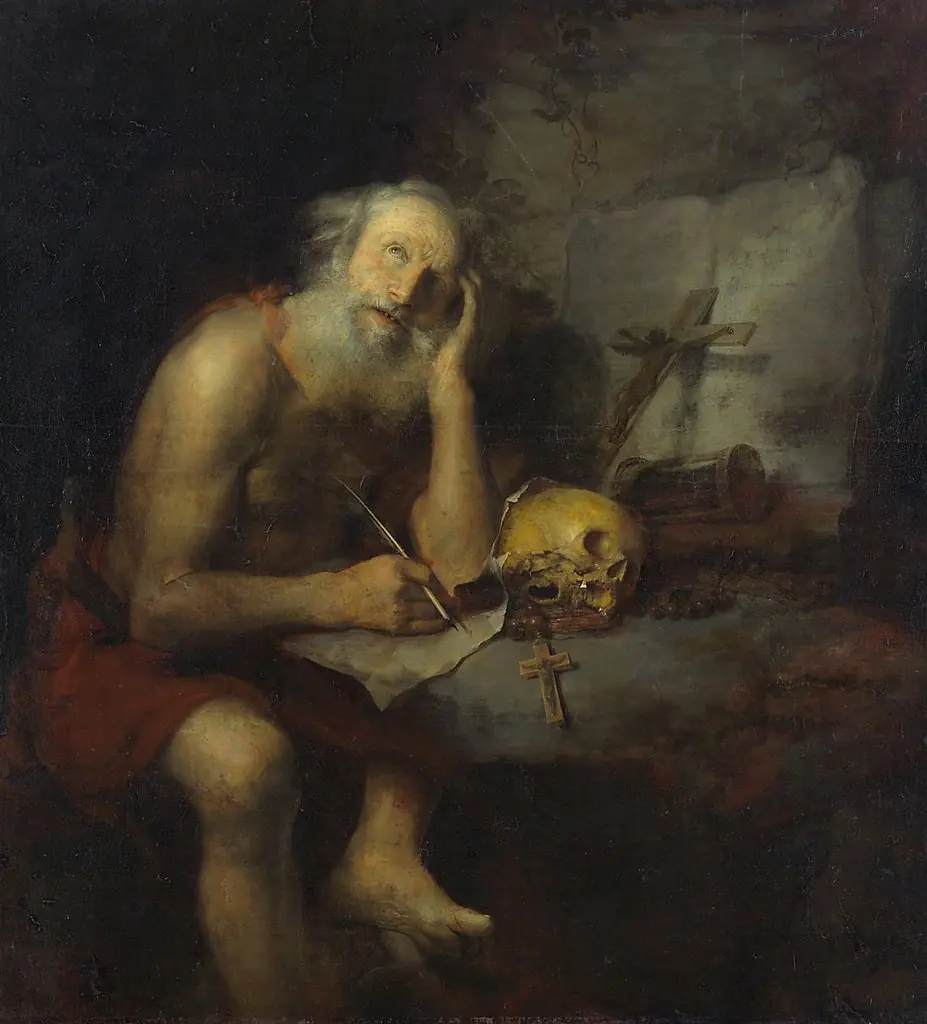
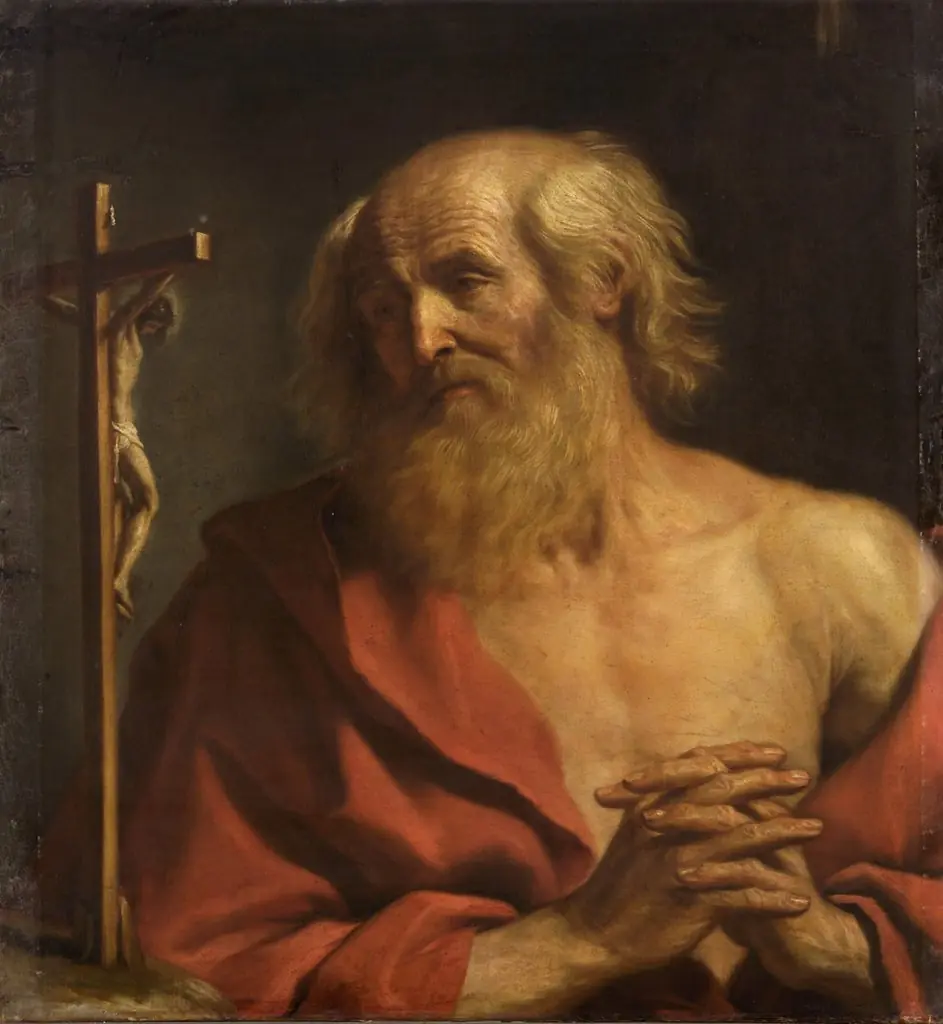
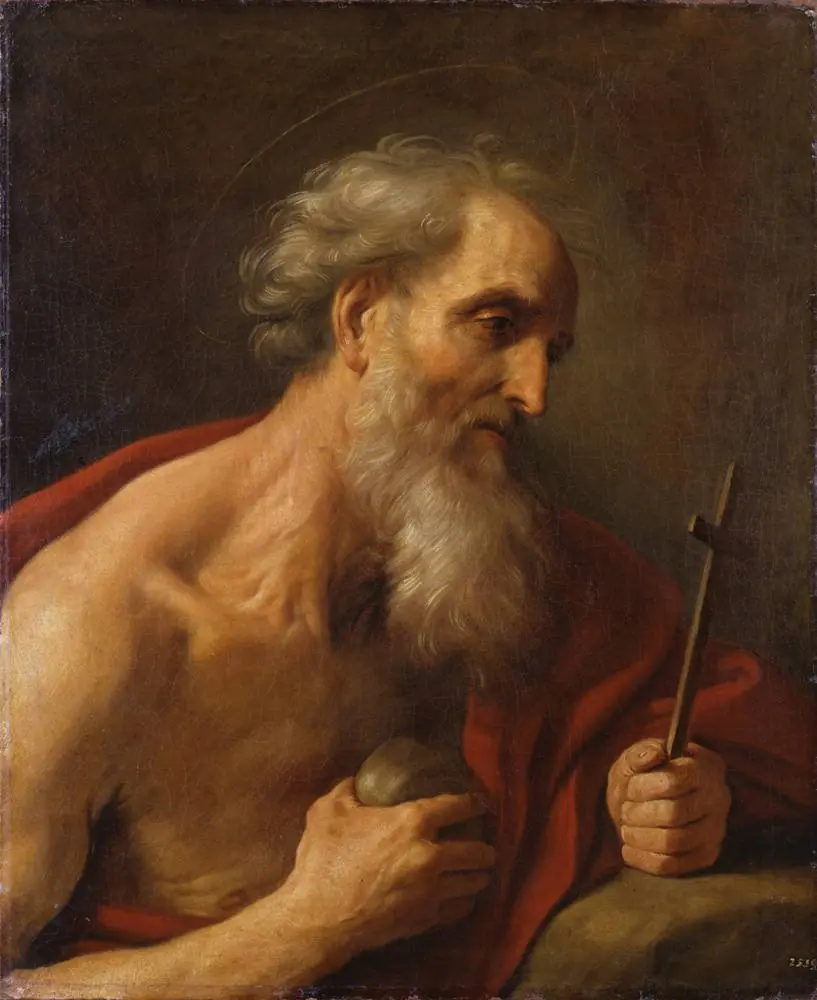
This painting depicts Saint Jerome, a 4th- to 5th-century biblical translator, in a penitent state. Diverging from typical scholarly representations, Ribera shows Jerome as a desert recluse engaged in self-mortification.
Subject & Meaning
Jerome kneels in a cave, semi-nude, beating his chest with a stone in emulation of Christ’s suffering. A skull before him symbolizes the transience of human vanity, emphasizing his penitent state.
Technique & Style
Ribera employs strong chiaroscuro, characteristic of Caravaggio’s influence, with sharp light and deep shadows defining the figure. The naturalistic depiction of Jerome’s aged, weathered body reflects Ribera’s adaptation of naturalistic models.
History & Provenance
Painted in Naples, the work showcases Ribera’s stylistic evolution under Caravaggio’s influence, despite his Spanish origins. The exact date is unspecified, falling within Ribera’s active period.
Context
Created in a Neapolitan context, the painting blends Spanish artistic sensibilities with Italian Baroque techniques, notably chiaroscuro, popularized by Caravaggio.
Legacy
The work exemplifies the Baroque emphasis on dramatic lighting and emotional intensity. Its naturalism and use of chiaroscuro have made it a noted example of Ribera’s oeuvre and Caravaggio’s lasting influence.
Artist & collection
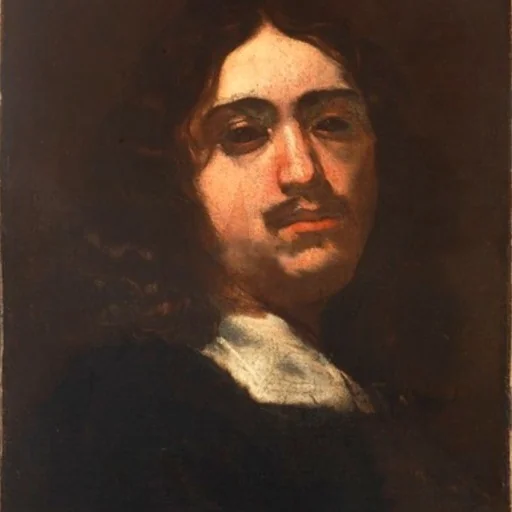
Artist
Jusepe de Ribera (Valencian: ; baptised 17 February 1591 – 3 November 1652) was a Spanish painter and printmaker.