Artwork
Interior view of dome of Mausoleum of Sitt Zubayda
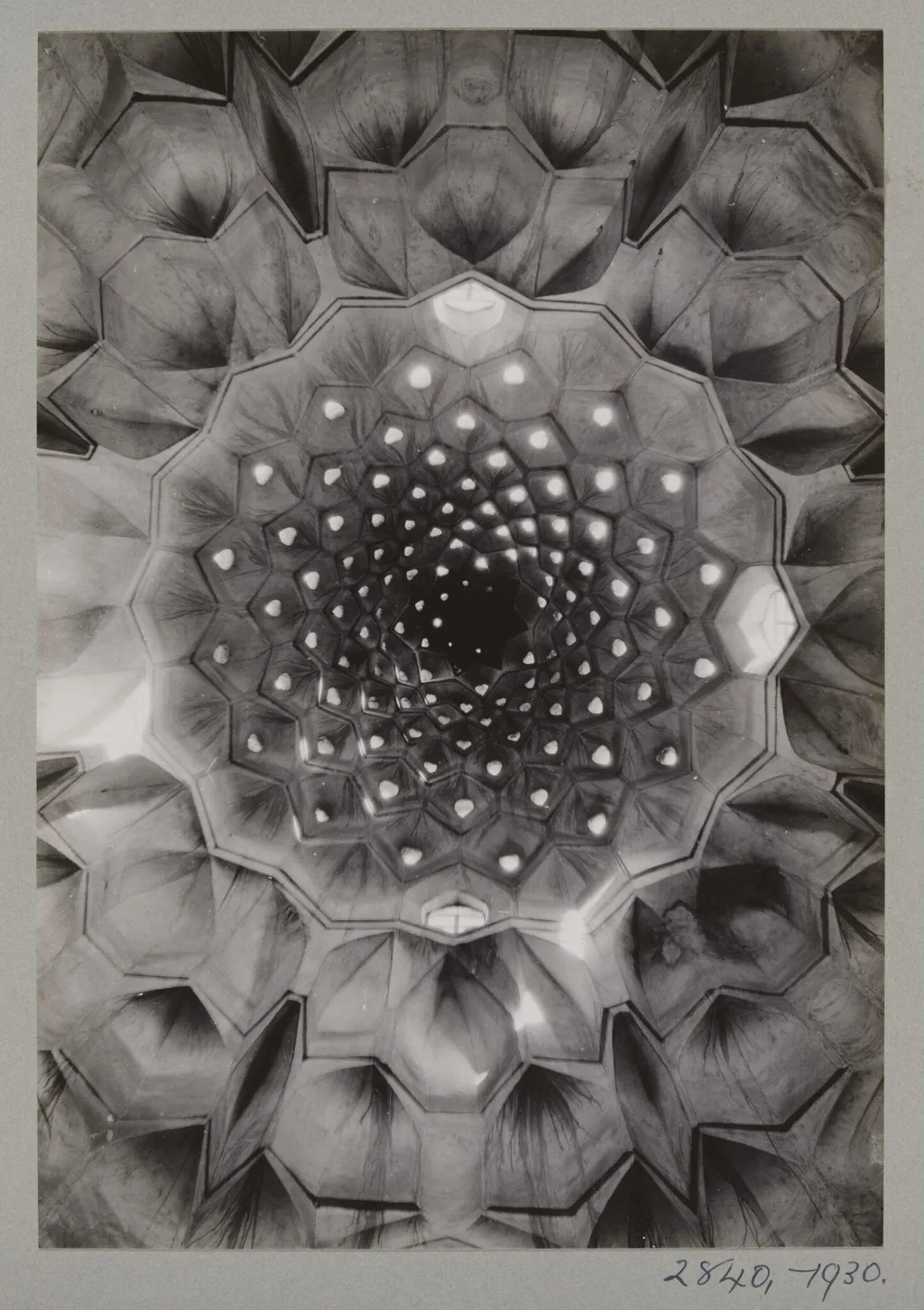
Interior view of dome of Mausoleum of Sitt Zubayda is a photographic photography by K.A.C. Creswell. It dates from 1930 and is held in the collection of the Victoria and Albert Museum. This black-and-white photograph captures the interior of the dome within the Mausoleum of Sitt Zubayda in Cairo.
About this work
Overview
It belongs to a vast archive of architectural images collected by the Victoria and Albert Museum from the estate of K.
This black-and-white photograph captures the interior of the dome within the Mausoleum of Sitt Zubayda in Cairo. It belongs to a vast archive of architectural images collected by the Victoria and Albert Museum from the estate of K.A.C. Creswell, acquired between 1921 and 1939. The collection, focused primarily on Islamic monuments across Egypt and the broader Middle East, reflects Creswell’s systematic documentation of structures now altered or lost.
Subject & Meaning
The image records the geometric precision and ornamental detail of the dome’s interior, a space designed for contemplation and reverence. Sitt Zubayda’s mausoleum, part of a larger religious complex, served as a site of pilgrimage and commemoration. The photograph preserves the architectural language of medieval Islamic funerary spaces, where light, pattern, and proportion conveyed spiritual order rather than narrative.
Technique & Style
Creswell took the photograph himself, emphasizing clarity and structural accuracy over aesthetic flourish. The composition is frontal and centered, minimizing distortion to document the dome’s vaulting and tilework. His use of high-contrast black-and-white film enhanced the legibility of architectural forms, aligning with his belief that photography must serve as rigorous visual evidence, not artistic interpretation.
History & Provenance
The photograph was taken during Creswell’s fieldwork in the 1920s and 1930s, likely for his scholarly publications on Islamic architecture. It entered the V&A’s collection through direct acquisition from Creswell, who donated or sold hundreds of prints to institutional archives. Some images in the collection were previously published in Henriette Devonshire’s 1917 guide to Cairo, but most were taken later for his academic research.
Context
Creswell’s work emerged at a time when Islamic architecture was often misrepresented or reduced to speculative reconstructions. He insisted on direct observation and photographic record as the foundation of scholarship. His documentation spanned regions from Syria to Tunisia, capturing structures before urban change, neglect, or restoration altered their original state — making his archive a critical baseline for later study.
Legacy
Creswell’s photographic archive remains a primary resource for historians of Islamic architecture. His insistence on precise, unembellished documentation set a new standard for the field. Many of the buildings he photographed no longer exist in their original form, rendering his images indispensable for understanding the evolution and material history of medieval Islamic monuments.
Artist & collection
Artist
He spent years crawling across the Middle East with a bulky camera, measuring every arch and dome with his lens.

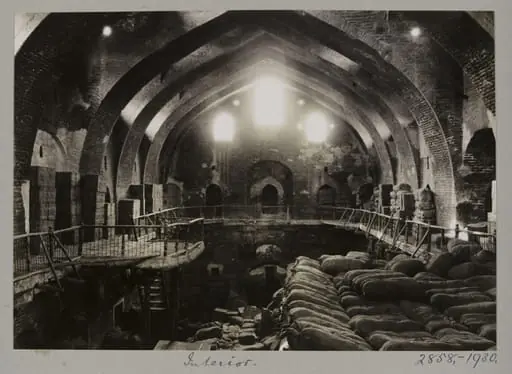 Interior of Khan Othma also known by Khan Murjan, Bagdad
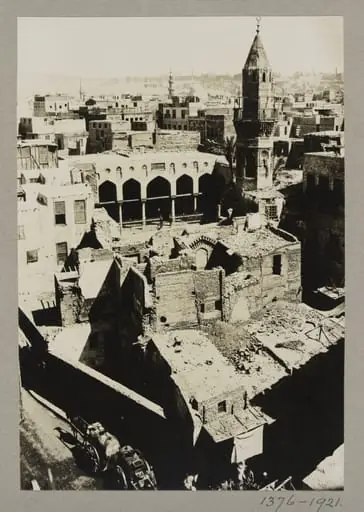 The mosque of Fatimid wazir Amir al-Salih Tala'i‘ seen from Bab Zuwayla, Cairo
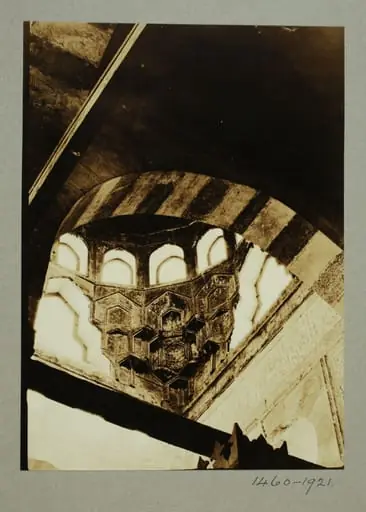 Pendentive of dome over mihrab in the mosque of Qadi Yahya Zayn al-Din (Habbaniyya), Cairo
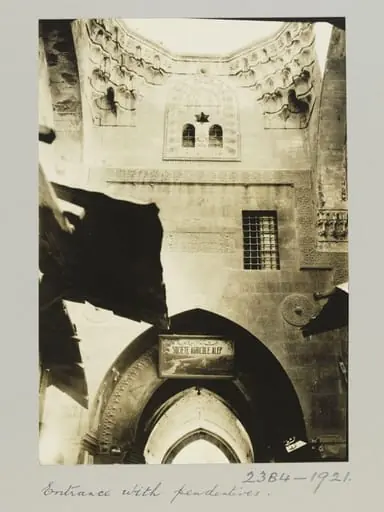 Entrance of Khan al-Jumruk, Aleppo
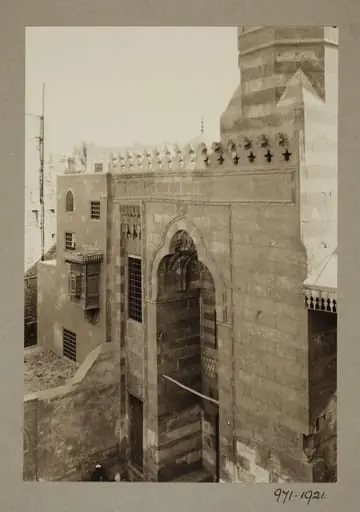 The entrance façade of the mosque of Qadi Yahya Zayn al-Din, Cairo
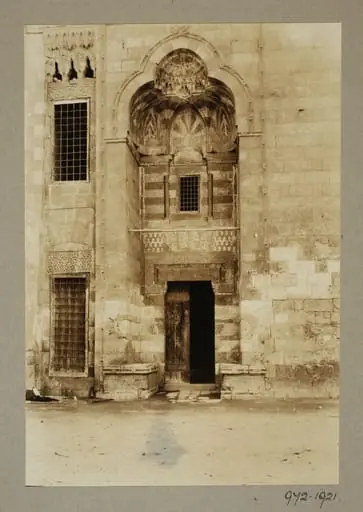 Entrance portal of the mosque of Qadi Yahya Zayn al-Din (Habbaniyya), Cairo
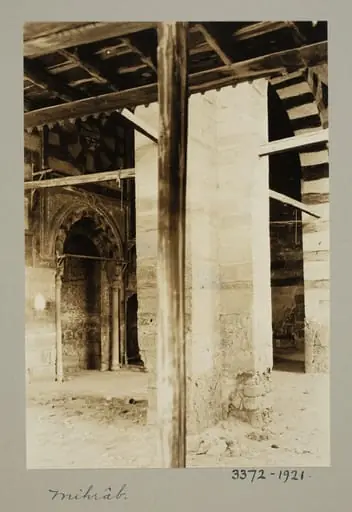 Mihrab of the mosque of Masih Pasha (Nur al-Din), Cairo
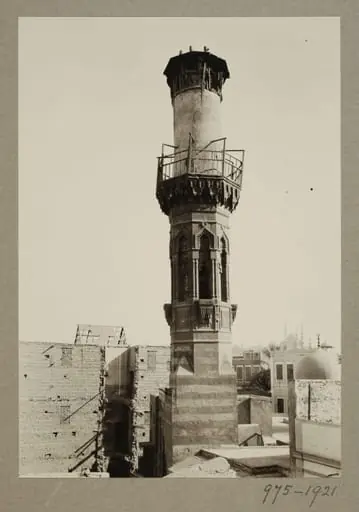 Minaret of the mosque of Qadi Yahya Zayn al-Din (Habbaniyya), Cairo