Artwork
Khan Orthma also known by Khan Murjan, Bagdad
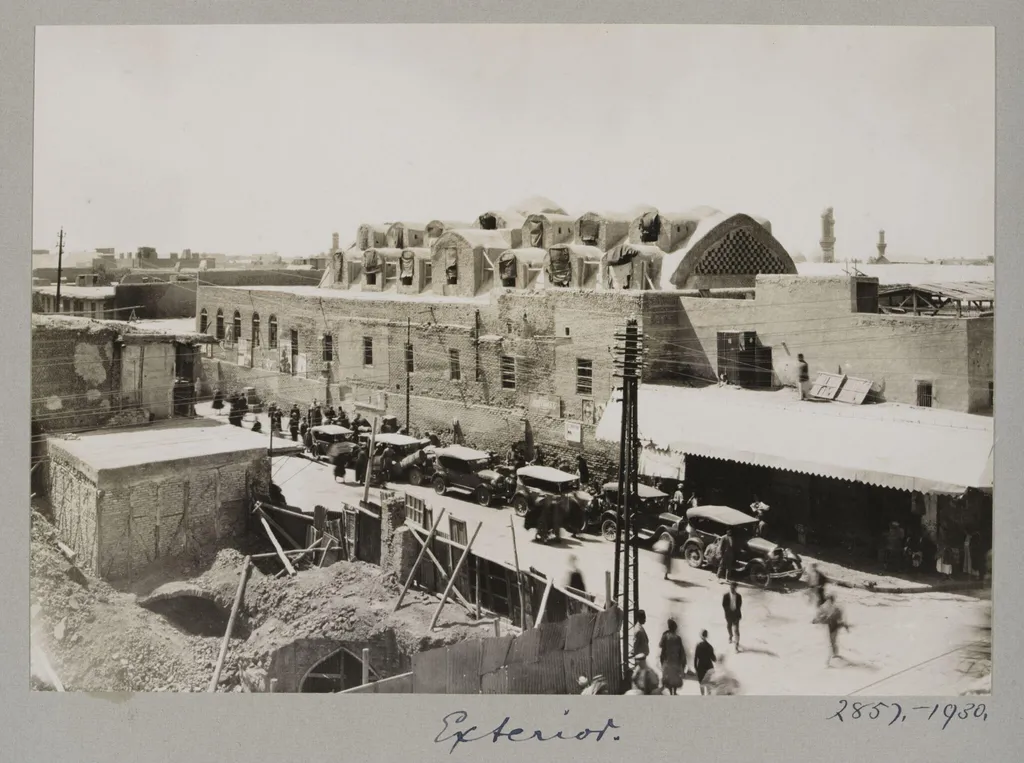
Khan Orthma also known by Khan Murjan, Bagdad is a photographic photography by K.A.C. Creswell. It dates from 2 and is held in the collection of the Victoria and Albert Museum. This photograph is part of a major collection of architectural images acquired by the Victoria and Albert Museum from scholar K.
About this work
Overview
This photograph is part of a major collection of architectural images acquired by the Victoria and Albert Museum from scholar K.
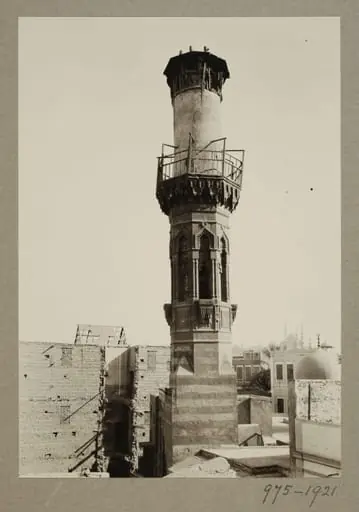
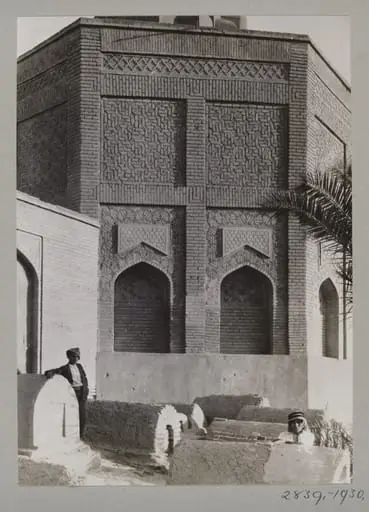
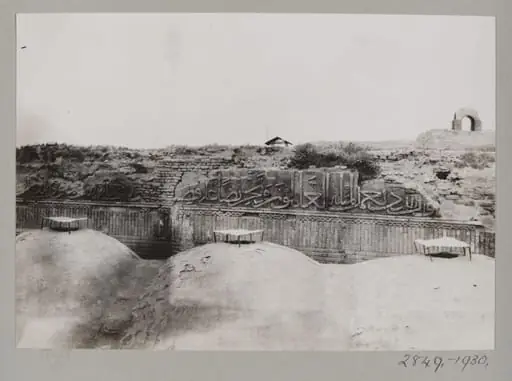
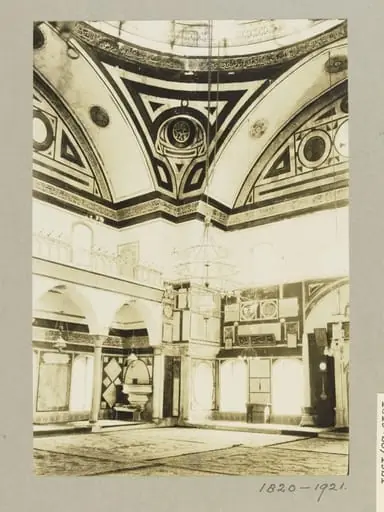
This photograph is part of a major collection of architectural images acquired by the Victoria and Albert Museum from scholar K.A.C. Creswell between 1921 and 1939. Though the collection includes views from across the Islamic world, it is dominated by sites in Cairo. The image of Khan Orthma, or Khan Murjan in Baghdad, reflects Creswell’s systematic documentation of Islamic structures, emphasizing accuracy over artistic interpretation.
Subject & Meaning
Khan Orthma, also known as Khan Murjan, is a 14th-century caravanserai in Baghdad, originally built to house merchants and their goods. Its architectural form reflects the commercial and social infrastructure of medieval Islamic urban life. Creswell’s photograph captures its structural details not as a picturesque ruin, but as a record of historical construction, preserving evidence of a building now largely altered or lost.
Technique & Style
Creswell personally took and developed his photographs, prioritizing clarity and technical precision. He avoided dramatic lighting or compositional flourish, instead framing buildings with neutral perspective to document proportions, materials, and decay. This method distinguished his work from earlier illustrative traditions, establishing photography as a scientific tool for architectural study in Islamic contexts.
History & Provenance
The photograph entered the V&A’s collection through Creswell’s direct sale, likely sourced from fieldwork conducted for his scholarly publications. Some images overlap with those published in Henriette Devonshire’s 1917 travel guide, but the bulk were gathered during his dedicated research trips. His meticulous record-keeping ensured provenance, making the collection a trusted archive for later scholars.
Context
Before Creswell, Islamic architecture was often studied through speculative reconstructions. He introduced empirical documentation, insisting that physical evidence—captured through photography—must precede interpretation. His work coincided with rising interest in preserving Islamic heritage amid colonial and modernizing pressures, giving his images added historical weight as records of structures under threat.
Legacy
Creswell’s photographic archive remains a foundational resource for the study of medieval Islamic architecture. His insistence on photographic accuracy influenced generations of scholars and institutions. Many of the buildings he documented have since been damaged or demolished, making his images among the most reliable visual records of their original condition.
Artist & collection
Artist
He spent years crawling across the Middle East with a bulky camera, measuring every arch and dome with his lens.

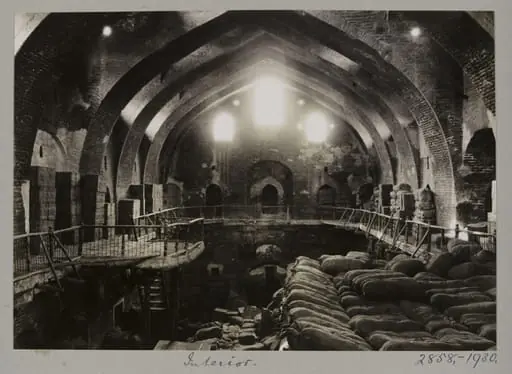 Interior of Khan Othma also known by Khan Murjan, Bagdad
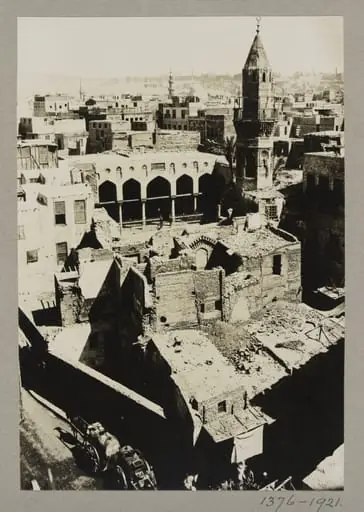 The mosque of Fatimid wazir Amir al-Salih Tala'i‘ seen from Bab Zuwayla, Cairo
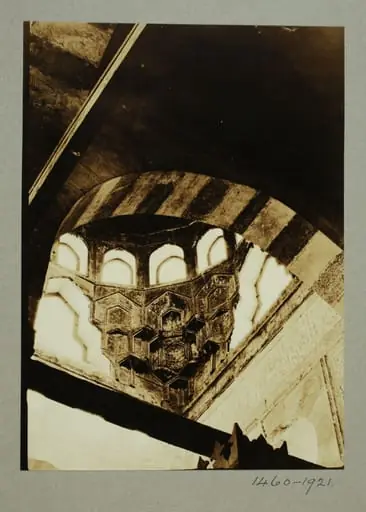 Pendentive of dome over mihrab in the mosque of Qadi Yahya Zayn al-Din (Habbaniyya), Cairo
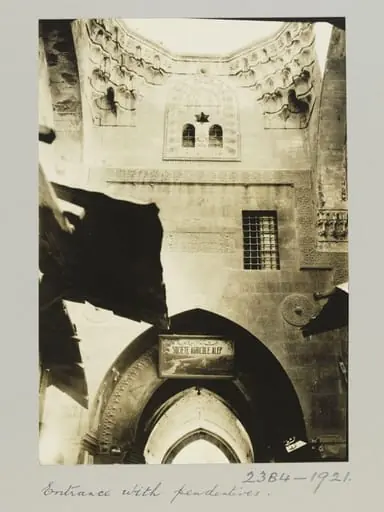 Entrance of Khan al-Jumruk, Aleppo
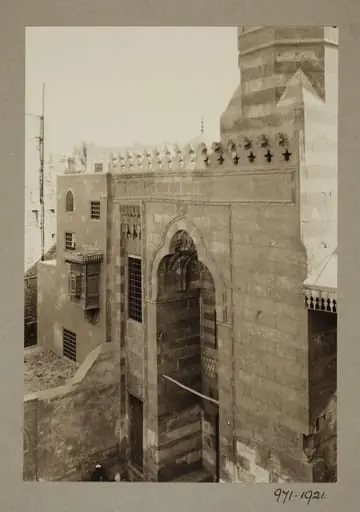 The entrance façade of the mosque of Qadi Yahya Zayn al-Din, Cairo
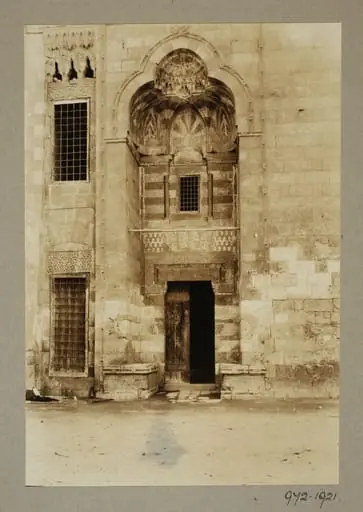 Entrance portal of the mosque of Qadi Yahya Zayn al-Din (Habbaniyya), Cairo
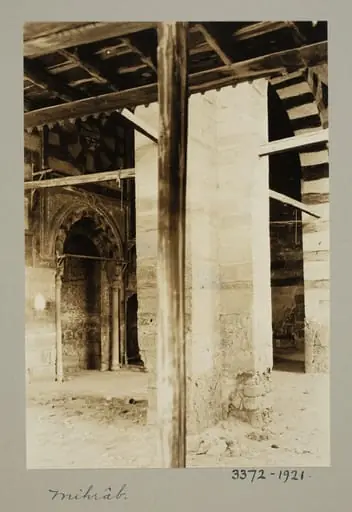 Mihrab of the mosque of Masih Pasha (Nur al-Din), Cairo
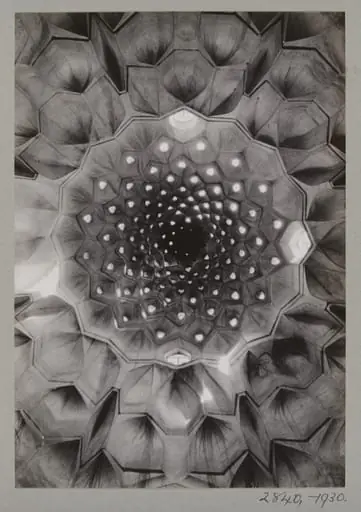 Interior view of dome of Mausoleum of Sitt Zubayda