Artwork
The Mosque of Jazzar Pasha, Acre
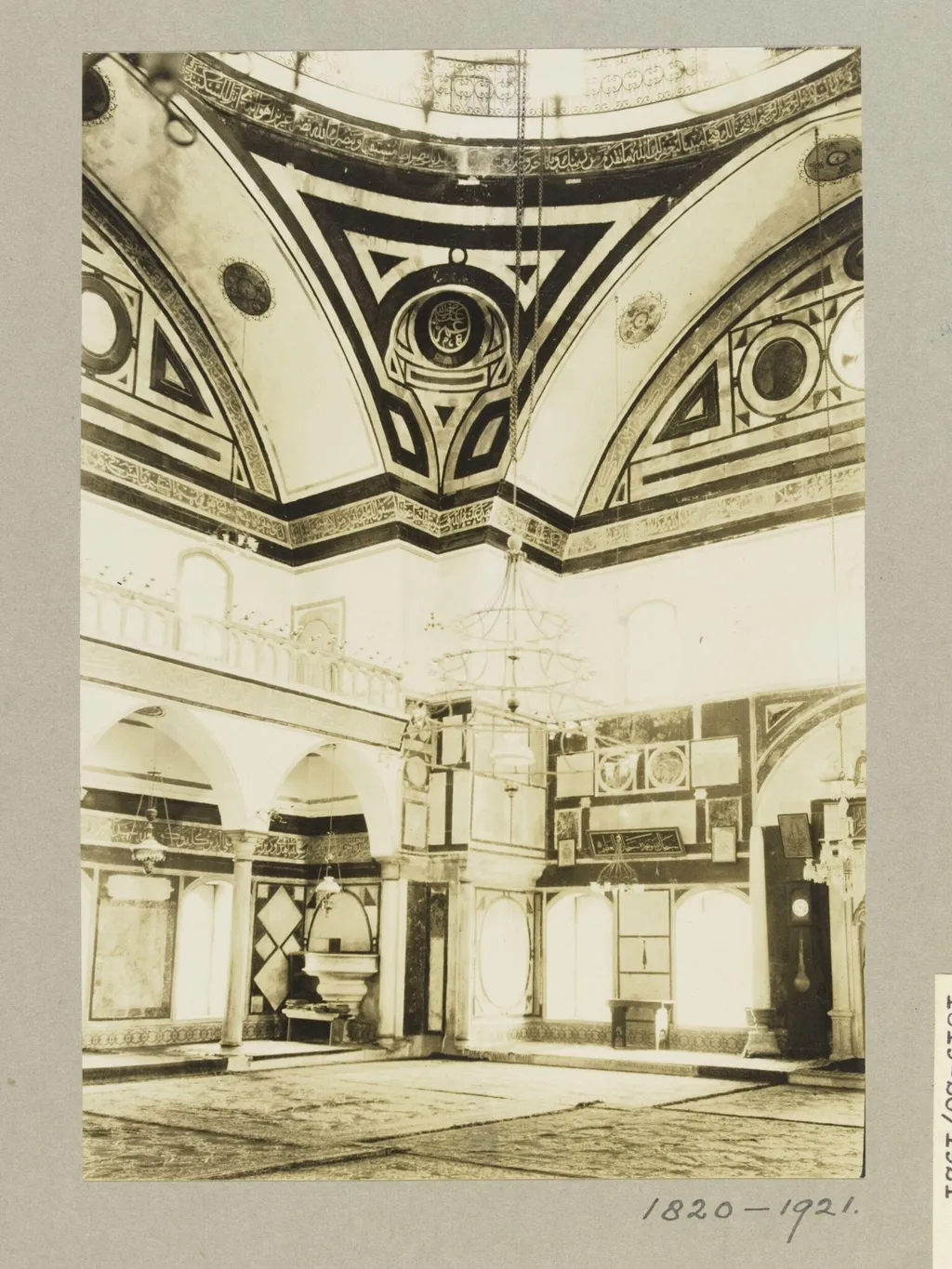
The Mosque of Jazzar Pasha, Acre is a photographic photography by K.A.C. Creswell. It dates from 1920 and is held in the collection of the Victoria and Albert Museum.
About this work
This black-and-white photo shows the Mosque of Jazzar Pasha in Acre. It was taken between 1919 and 1921 by K.A.C. Creswell. Creswell later became the top scholar on medieval Islamic architecture.
His work stands out because he built a huge archive of these views. The Victoria and Albert Museum collected many of them from him between 1921 and 1939.
Check out the Victoria and Albert Museum.
Overview
The Mosque of Jazzar Pasha, Acre is a black-and-white photograph taken by K.A.C. Creswell between 1919 and 1921, now part of the Victoria and Albert Museum's collection, acquired from Creswell between 1921 and 1939.
Subject & Meaning
The photograph captures the Mosque of Jazzar Pasha in Acre, documenting its architectural features during Creswell's pioneering scholarly efforts in medieval Islamic architecture.
Technique & Style
Creswell, emphasizing photography's importance in recording physical evidence, took and printed his own high-quality photographs, reflecting his meticulous approach to scholarly documentation.
History & Provenance
Originally part of Creswell's personal archive, the photograph was later sold to the Victoria and Albert Museum as part of a larger collection of architectural views from the Middle East.
Context
Created during Creswell's fieldwork for his seminal publications, this photograph exemplifies his innovative method of combining photography with architectural scholarship, elevating the field of medieval Islamic architecture.
Legacy
As part of Creswell's extensive photographic archive, the image contributes to his enduring legacy as a founder of rigorous medieval Islamic architectural scholarship, with his works remaining foundational in the field.
Artist & collection
Artist
He spent years crawling across the Middle East with a bulky camera, measuring every arch and dome with his lens.

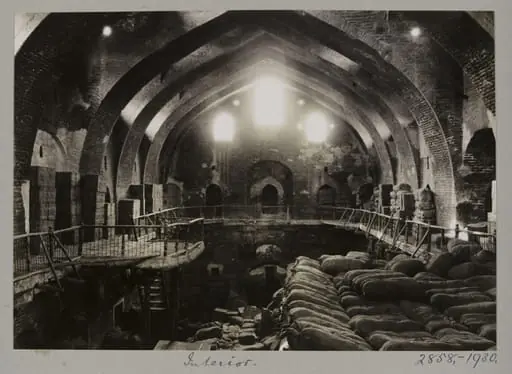 Interior of Khan Othma also known by Khan Murjan, Bagdad
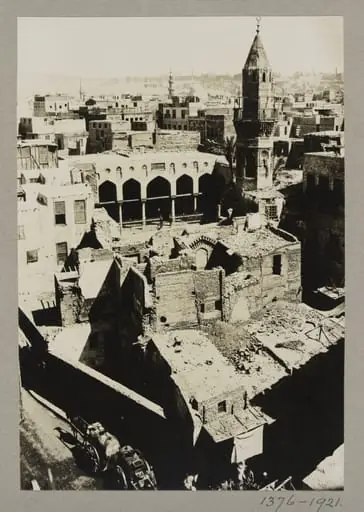 The mosque of Fatimid wazir Amir al-Salih Tala'i‘ seen from Bab Zuwayla, Cairo
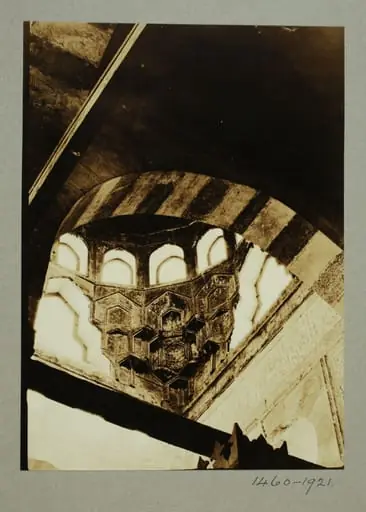 Pendentive of dome over mihrab in the mosque of Qadi Yahya Zayn al-Din (Habbaniyya), Cairo
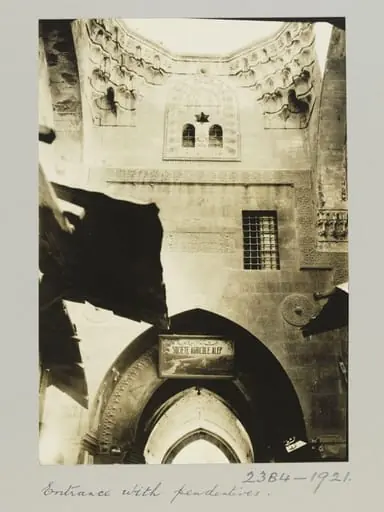 Entrance of Khan al-Jumruk, Aleppo
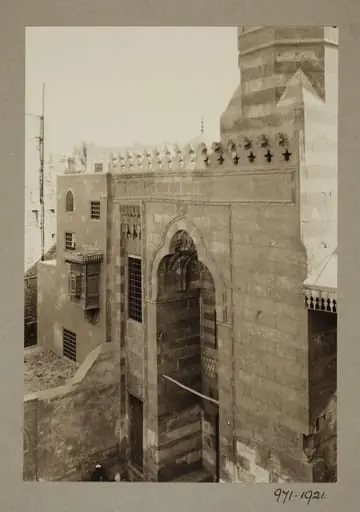 The entrance façade of the mosque of Qadi Yahya Zayn al-Din, Cairo
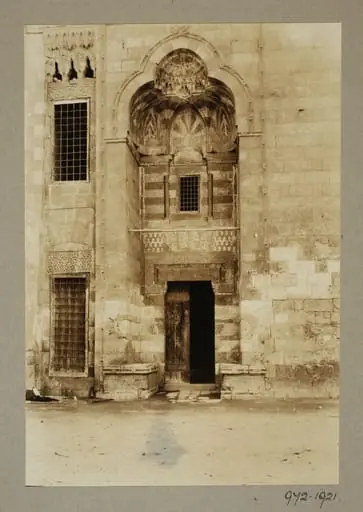 Entrance portal of the mosque of Qadi Yahya Zayn al-Din (Habbaniyya), Cairo
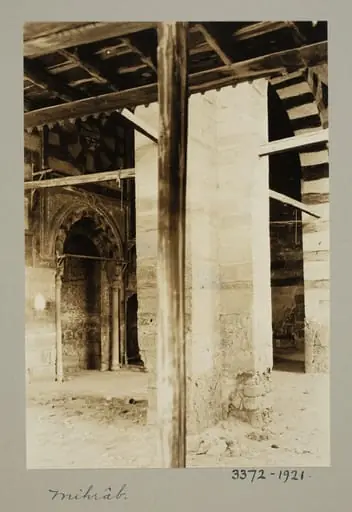 Mihrab of the mosque of Masih Pasha (Nur al-Din), Cairo
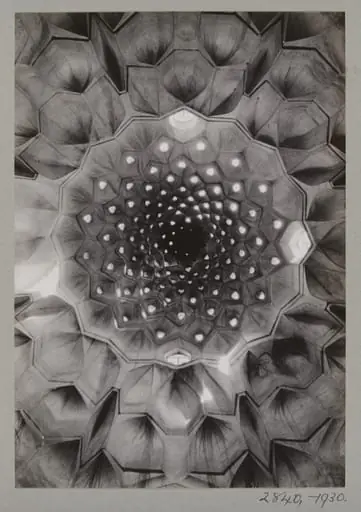 Interior view of dome of Mausoleum of Sitt Zubayda
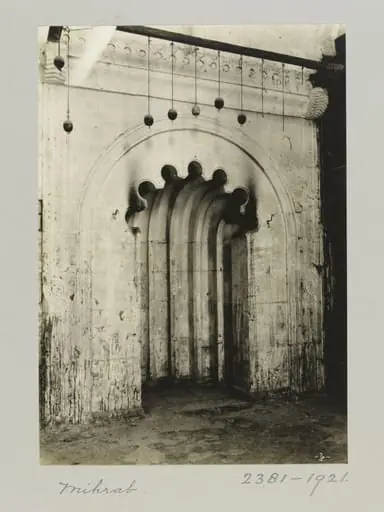 Mihrab in al-Umari Mosque in Bahsita, Aleppo
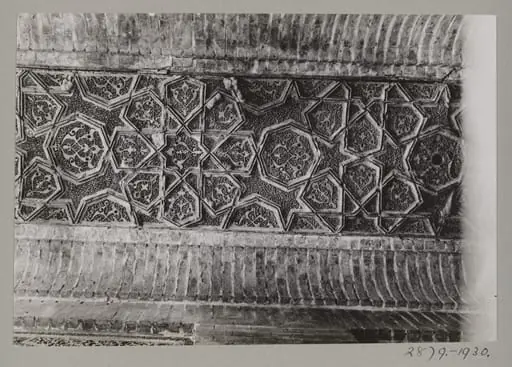 Geometric composition on vaulting, Abbasid Palace in Citadel, Baghdad
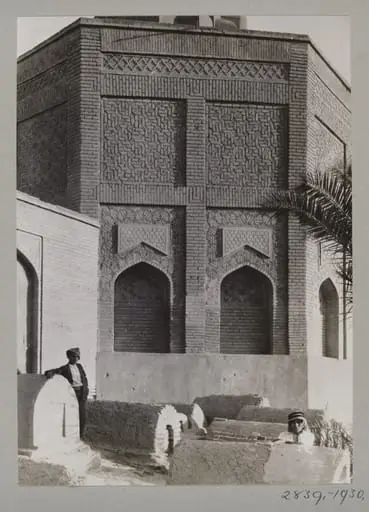 Mausoleum of Sitt Zubayda, Baghdad
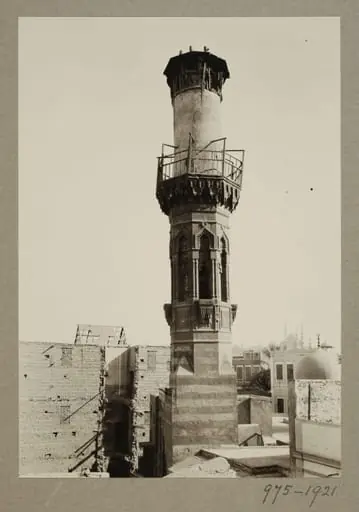 Minaret of the mosque of Qadi Yahya Zayn al-Din (Habbaniyya), Cairo
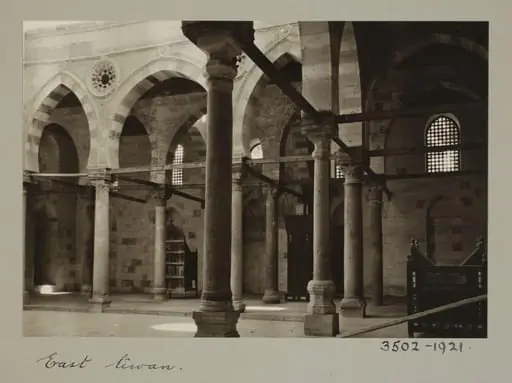 Qibla iwan and courtyard in the mosque of Qadi Yahya Zayn al-Din (Habbaniyya), Cairo
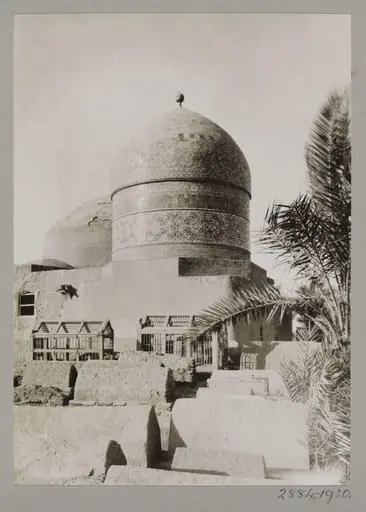 Mausoleum of Shaykh Ma'ruf al-Kharki, Baghdad