Artwork
Mihrab in al-Umari Mosque in Bahsita, Aleppo
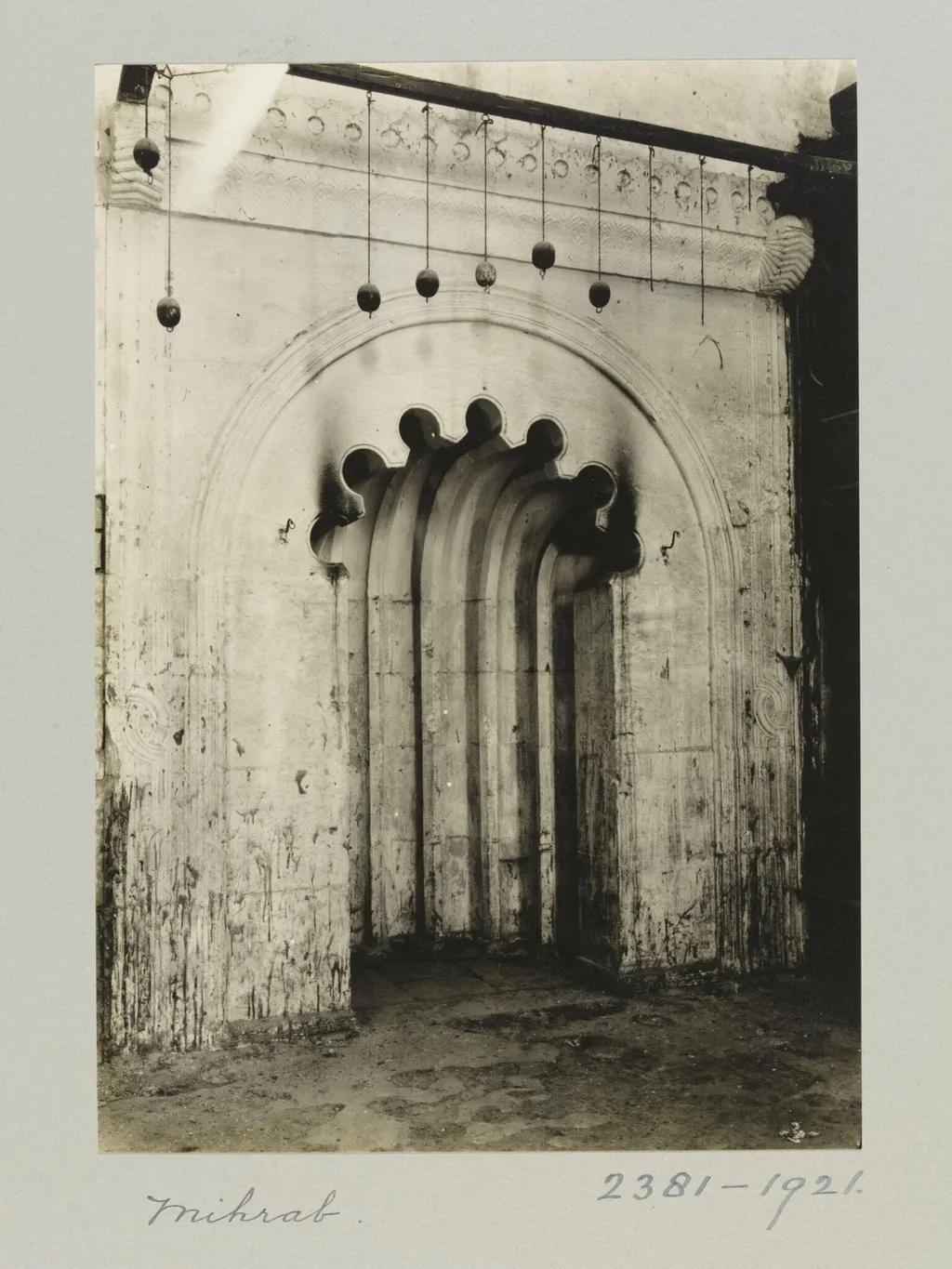
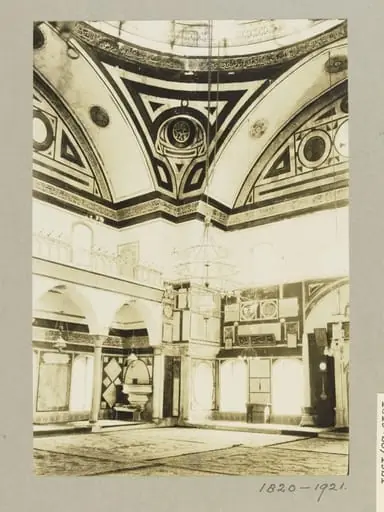
Mihrab in al-Umari Mosque in Bahsita, Aleppo is a photographic photography by K.A.C. Creswell. It dates from 1920 and is held in the collection of the Victoria and Albert Museum. The photograph depicts the mihrab of the al‑Umari Mosque in the Bahsita quarter of Aleppo.
About this work
The image is part of a huge set of old building photos he sold to the Victoria and Albert Museum.
This photo shows the mihrab inside a mosque in Aleppo. It was taken between 1919 and 1921 by K.A.C. Creswell. The image is part of a huge set of old building photos he sold to the Victoria and Albert Museum.
Creswell spent his career studying Islamic architecture from the Middle Ages. His books are still key references today for anyone learning about this subject.
Check out the Victoria and Albert Museum for more of Creswell’s architectural photos.
Overview
The photograph depicts the mihrab of the al‑Umari Mosque in the Bahsita quarter of Aleppo. Captured between 1919 and 1921, it forms part of a extensive archive of architectural images acquired by the Victoria and Albert Museum’s National Art Library from the collection of Sir K.A.C. Creswell.
Subject & Meaning
The mihrab, a niche indicating the direction of Mecca, is the focal point of the interior view, illustrating the decorative and spatial qualities typical of medieval Syrian mosque design. Its form and ornamentation provide insight into the religious and artistic conventions of the period.
Technique & Style
Creswell employed large‑format black‑and‑white photography, emphasizing clarity and detail to document architectural features. The composition centers the niche, using natural lighting to reveal the depth and surface treatment of the stonework and any surviving ornamental motifs.
History & Provenance
Sir K.A.C. Creswell (1879‑1974), a pioneering scholar of medieval Islamic architecture, amassed the image during fieldwork that informed his seminal publications. Between 1921 and 1939 the V&A purchased the broader collection, which also includes views from Cairo, Syria, Palestine, Jordan, Iraq, Tunisia and Turkey.
Context
Creswell’s approach marked a shift from purely drawn reconstructions to photographic documentation, establishing photography as an essential tool for recording historic monuments. His work laid the foundation for modern studies of Islamic architecture, and his photographs continue to support scholarly research.
Artist & collection
Artist
He spent years crawling across the Middle East with a bulky camera, measuring every arch and dome with his lens.

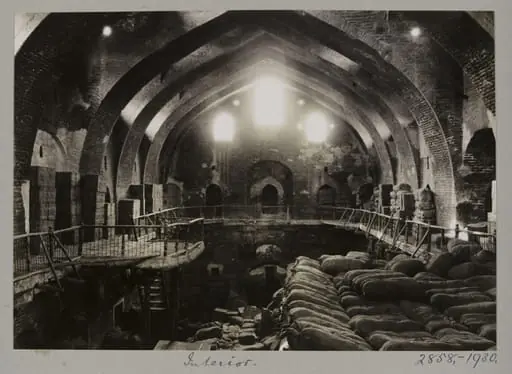 Interior of Khan Othma also known by Khan Murjan, Bagdad
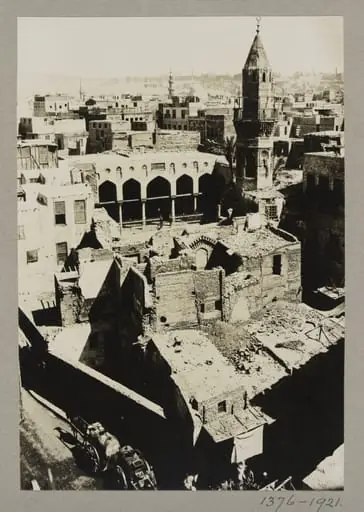 The mosque of Fatimid wazir Amir al-Salih Tala'i‘ seen from Bab Zuwayla, Cairo
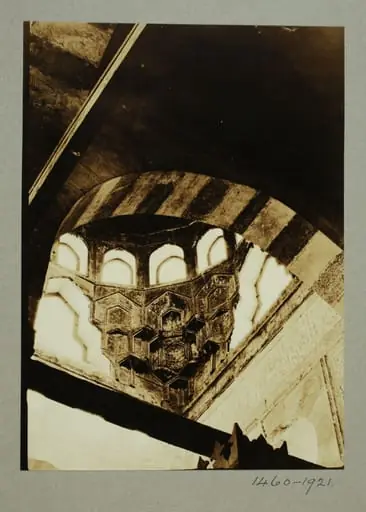 Pendentive of dome over mihrab in the mosque of Qadi Yahya Zayn al-Din (Habbaniyya), Cairo
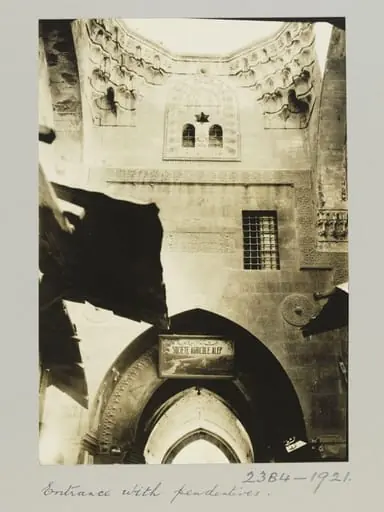 Entrance of Khan al-Jumruk, Aleppo
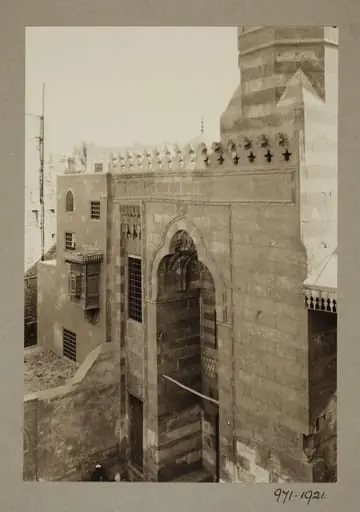 The entrance façade of the mosque of Qadi Yahya Zayn al-Din, Cairo
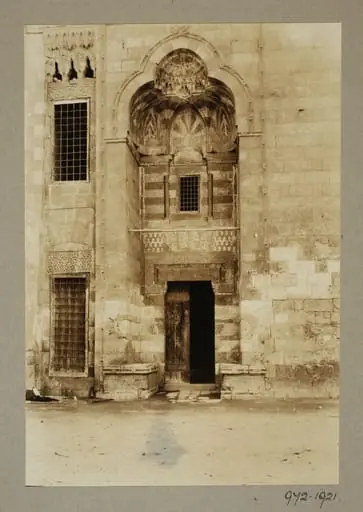 Entrance portal of the mosque of Qadi Yahya Zayn al-Din (Habbaniyya), Cairo
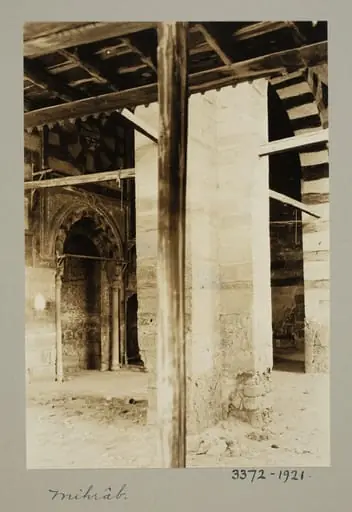 Mihrab of the mosque of Masih Pasha (Nur al-Din), Cairo
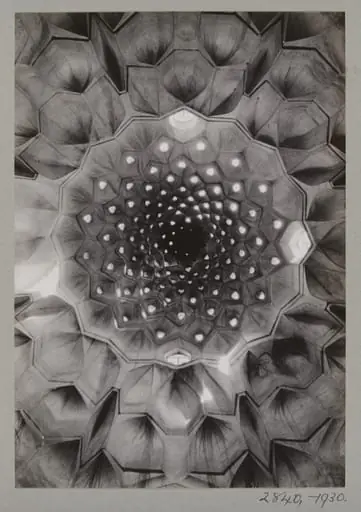 Interior view of dome of Mausoleum of Sitt Zubayda