Artwork
Villa Aquaviva
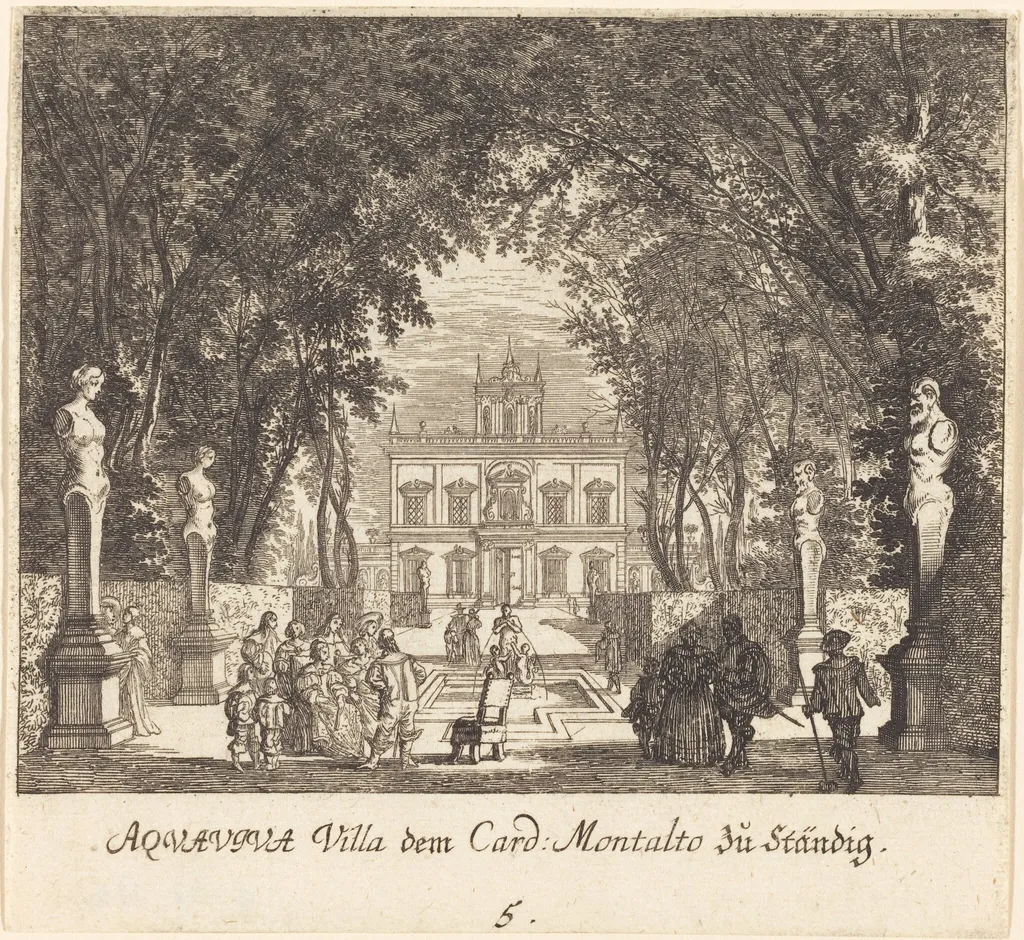
Villa Aquaviva is an ink print by the Baroque artist Melchior Küsel. It dates from 1681 and is held in the collection of the National Gallery of Art.
About this work
Overview
Villa Aquaviva is a black-and-white etching by Melchior Küsel, dated 1681. The print depicts a grand villa surrounded by trees, with figures in period clothing gathered around the entrance. The composition features tall columns, stairs, and statues of nude women supporting a porch roof. The title 'Villa Aquaviva' is inscribed in antiquated typography at the bottom.
Subject & Meaning
The inclusion of people in various poses suggests a scene of leisure or gathering, potentially highlighting the villa as a hub of social activity.
The subject of Villa Aquaviva is an imposing villa, emphasized by its central placement, grand columns, and ascending stairs. The inclusion of people in various poses suggests a scene of leisure or gathering, potentially highlighting the villa as a hub of social activity. The nude statues may allude to classical influences or symbolic themes, though their specific meaning in this context is not explicitly defined.
Technique & Style
Küsel employed etching techniques to achieve a three-dimensional effect through meticulous lines and shading, despite the medium's two-dimensional nature. The use of contrasting tones and detailed rendering of architectural elements, figures, and natural surroundings demonstrates the artist's skill in capturing depth and texture with ink on paper.
History & Provenance
Created in 1681 by Melchior Küsel, the provenance and historical ownership trajectory of Villa Aquaviva are not detailed in the provided information. The etching's existence, however, situates it within the broader context of 17th-century European printmaking.
Context
Villa Aquaviva reflects the 17th-century European fascination with grand architecture and classical motifs. The etching may have served as a form of architectural illustration or a representation of elite lifestyle, catering to the interest in villa designs prevalent during the Baroque period.
Legacy
The lasting impact or specific legacy of Villa Aquaviva in the broader art historical canon is not immediately evident from the provided details. Its value lies more in its representation of 17th-century etching techniques and architectural tastes rather than in being a landmark work influencing subsequent art movements.
Artist & collection


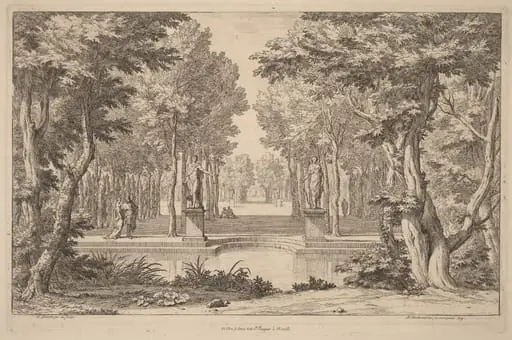 The Two Statues
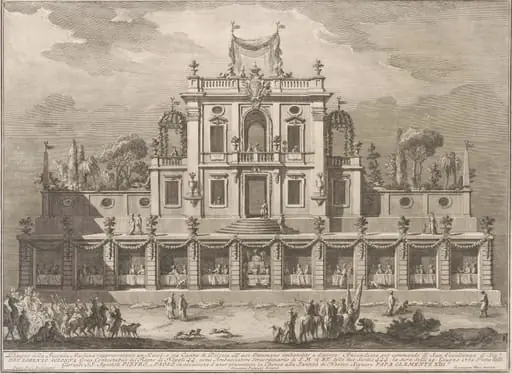 The Seconda Macchina for the Chinea of 1762: A Kiosk, or Pleasure-House in Ottoman Style
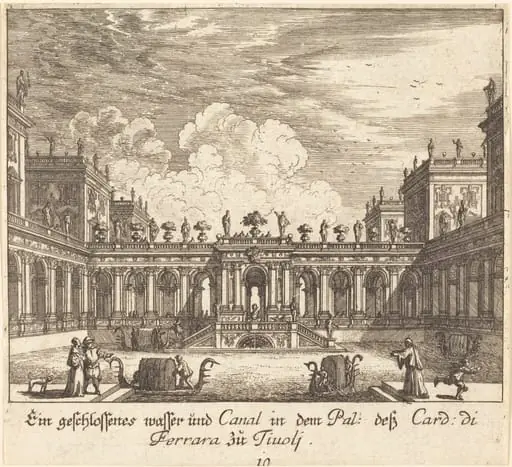 Palace and Canal, Cardinal di Ferrara, Tivoli
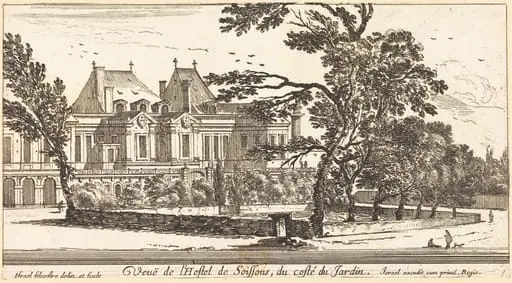 Veue de l'Hostel de Soissons
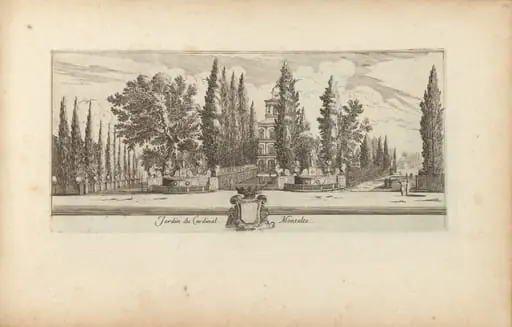 Jardin du Cardinal Montalte
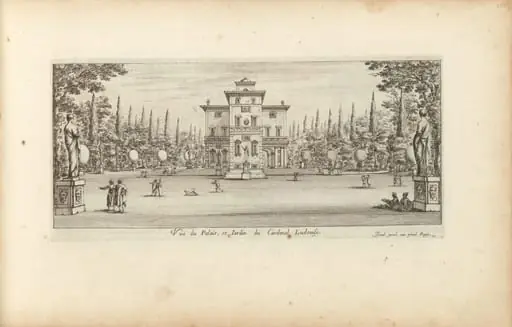 Vuë du Palais et Jardin du Cardinal Ludovise
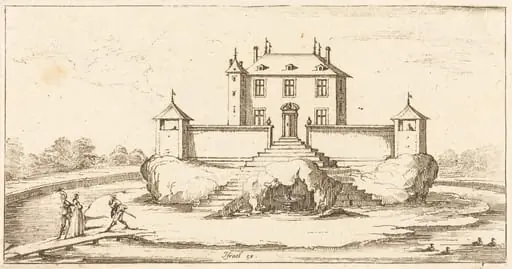 Landscape
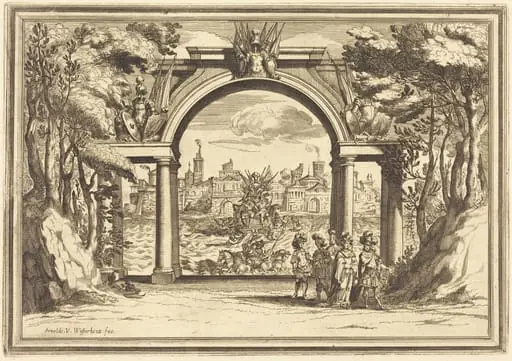 Il Greco in Troia: Plate 1
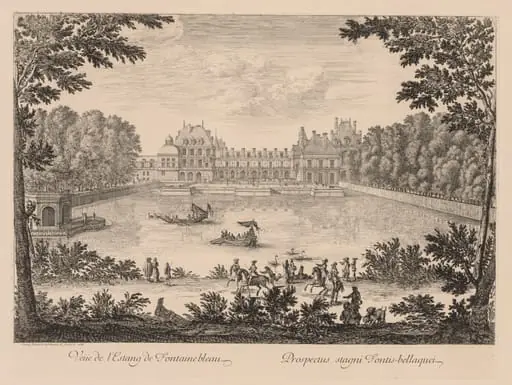 Vue de l'Etang de Fontainebleau
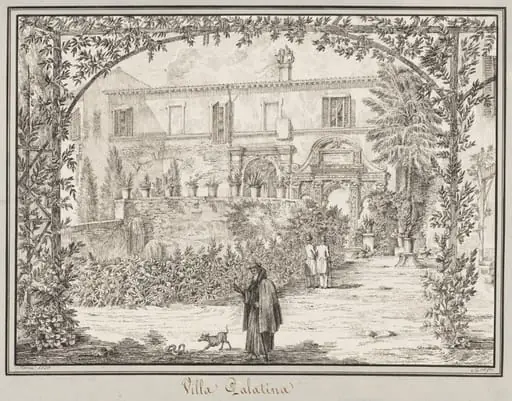 Villa Palatina
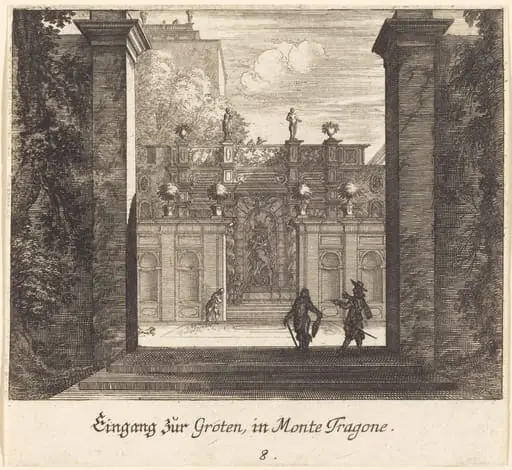 Grotto, Monta Tragone