Artwork
Untitled
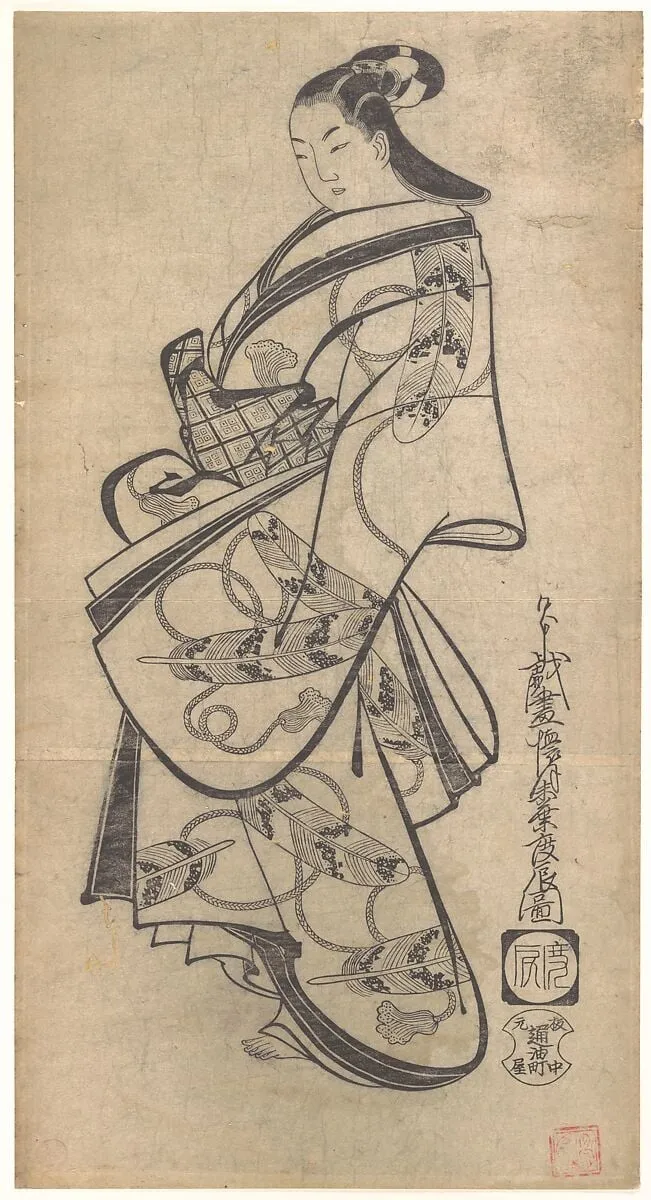
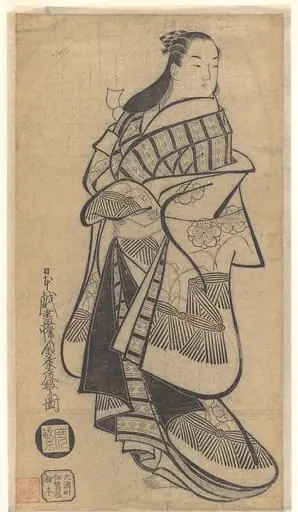
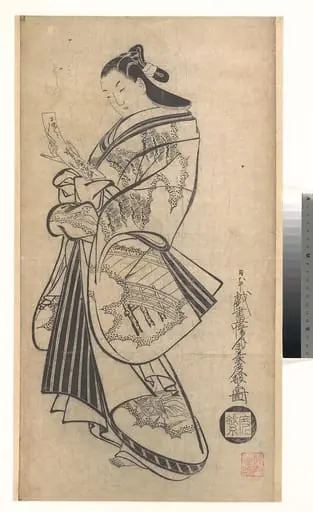
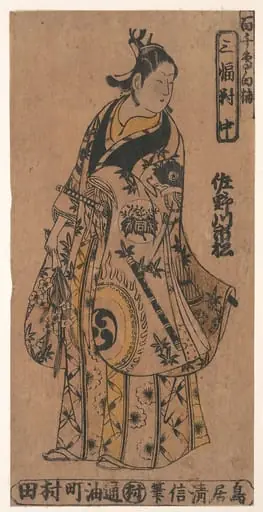
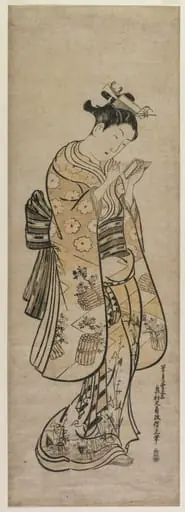
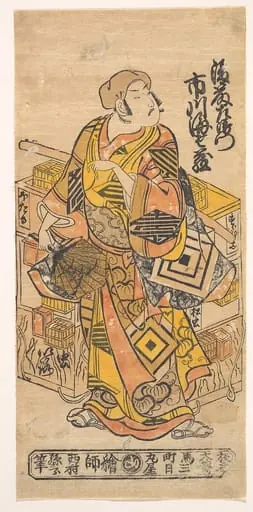
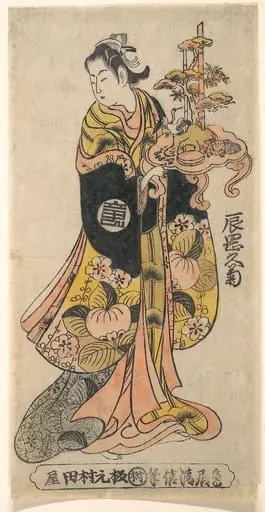
Untitled is an ink print by the Baroque artist Kaigetsudō Doshin. It dates from 1714 and is held in the collection of the Metropolitan Museum of Art.
About this work
Overview
This monochrome woodblock print, dated around 1714, is attributed to Kaigetsudō Doshin and executed in sumizuri-e technique using only ink on paper. It resides in the collection of The Metropolitan Museum of Art. The work exemplifies early 18th-century Japanese printmaking, where artists relied on precise line work and tonal variation to convey form and texture without color.
Subject & Meaning
The restrained expression and elegant drapery evoke quiet dignity, aligning with aesthetic ideals of restraint and grace in Edo-period portraiture.
The figure depicted is seated with composed stillness, one leg crossed, holding a fan. Dressed in an elaborate robe adorned with swirling leaf and wave motifs, the posture and attire suggest a person of refined status, possibly a courtesan or noblewoman. The restrained expression and elegant drapery evoke quiet dignity, aligning with aesthetic ideals of restraint and grace in Edo-period portraiture.
Technique & Style
Executed in sumizuri-e, the print uses only black ink to model form through varied line weight and density. Swirling patterns in the robe are rendered with fluid, continuous strokes, while cross-hatching and fine parallel lines build shadow and fabric texture. The bold contours and minimal detail reflect the ukiyo-e tradition’s emphasis on silhouette and rhythmic line over realism.
History & Provenance
Created circa 1714, the print belongs to the early phase of the Kaigetsudō school, known for its stylized depictions of beauties. It entered The Metropolitan Museum of Art’s collection through documented acquisition, though its earlier ownership history remains largely unrecorded. As a single-ink print, it was likely produced in small numbers for private collectors rather than mass distribution.
Context
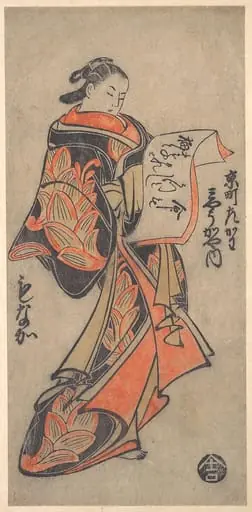
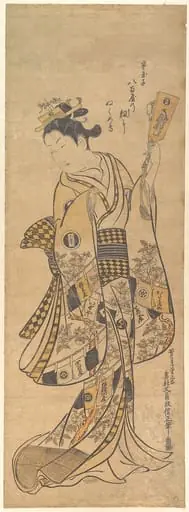
In early 1700s Edo, monochrome prints like this were often made as studies or intimate works, distinct from the colorful multi-block prints popular in urban markets. The Kaigetsudō school, influenced by painting traditions, favored elegant figures and flowing lines, bridging the gap between painted screens and printed imagery in a period of growing print culture.
Legacy
Though less widely known than later ukiyo-e artists, Doshin’s work contributed to the refinement of figure representation in woodblock printing. His use of ink alone to suggest volume and movement influenced subsequent generations who explored tonal subtlety before color became dominant. This print remains a quiet testament to the expressive potential of line in Japanese printmaking.
Artist & collection