Artwork
The Battle of Levenc 1664
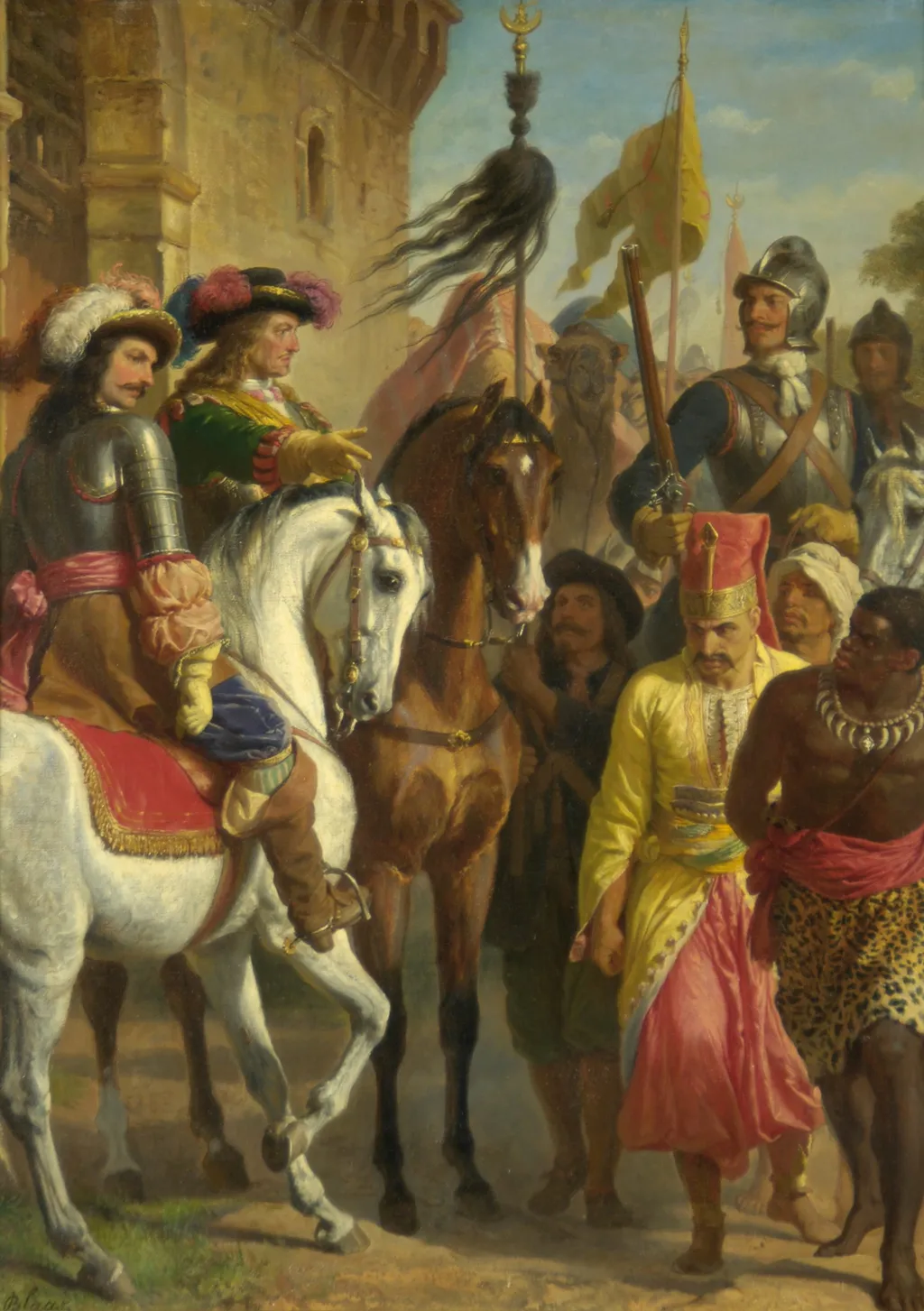
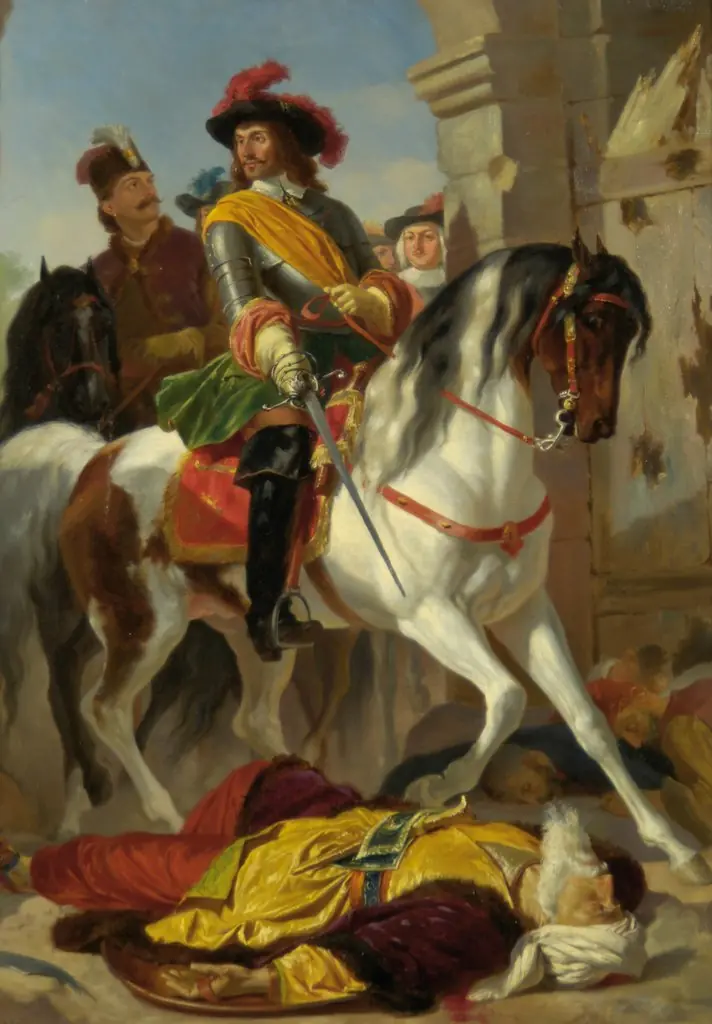
The Battle of Levenc 1664 is an oil painting by Karl von Blaas. It dates from 1865 and is held in the collection of the Kunsthistorisches Museum.
About this work
Overview
Karl von Blaas, an Austrian artist active in the mid‑19th century, completed the oil painting *The Battle of Levenc 1664* in 1865. Executed on a large canvas, the work belongs to the history‑painting genre and is part of the permanent collection of Vienna’s Kunsthistorisches Museum.
Subject & Meaning
The composition portrays a 17th‑century clash set in a courtyard, where mounted troops and foot soldiers confront one another. Figures wearing European plate armor stand opposite combatants dressed in brightly patterned African attire, emphasizing the encounter between distinct cultural groups within the battlefield narrative.
Technique & Style
Von Blaas employs a clear, academic approach typical of mid‑19th‑century history painting, using a restrained palette and careful modeling of forms. The contrast between the reflective metal of the armor and the textured fabrics of the African dress is rendered through subtle shifts of light, recalling chiaroscuro principles to give depth to the scene.
History & Provenance
After its completion in 1865, the painting entered the holdings of the Kunsthistorisches Museum, where it has remained on display. The work reflects von Blaas’s broader oeuvre, which includes religious frescoes and portraiture, yet this piece stands out as a rare example of his engagement with large‑scale historical subjects.
Context
The depiction of a 1664 battle involving both European and African participants reflects 19th‑century European interest in exoticism and the expanding awareness of global conflicts. While the specific historical event is not widely documented, the painting illustrates contemporary artistic attempts to dramatize cross‑cultural military encounters.
Own this work as a print
Artist & collection
Artist
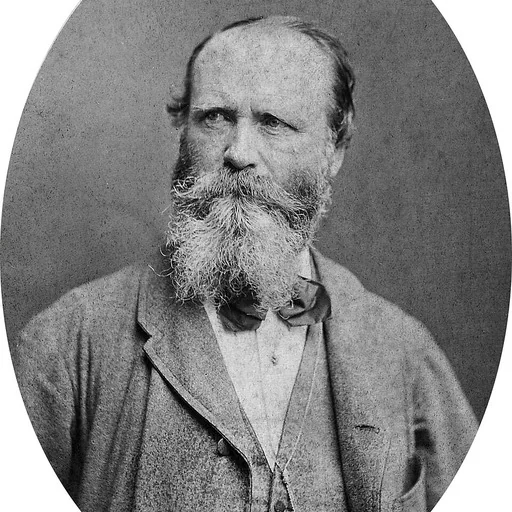
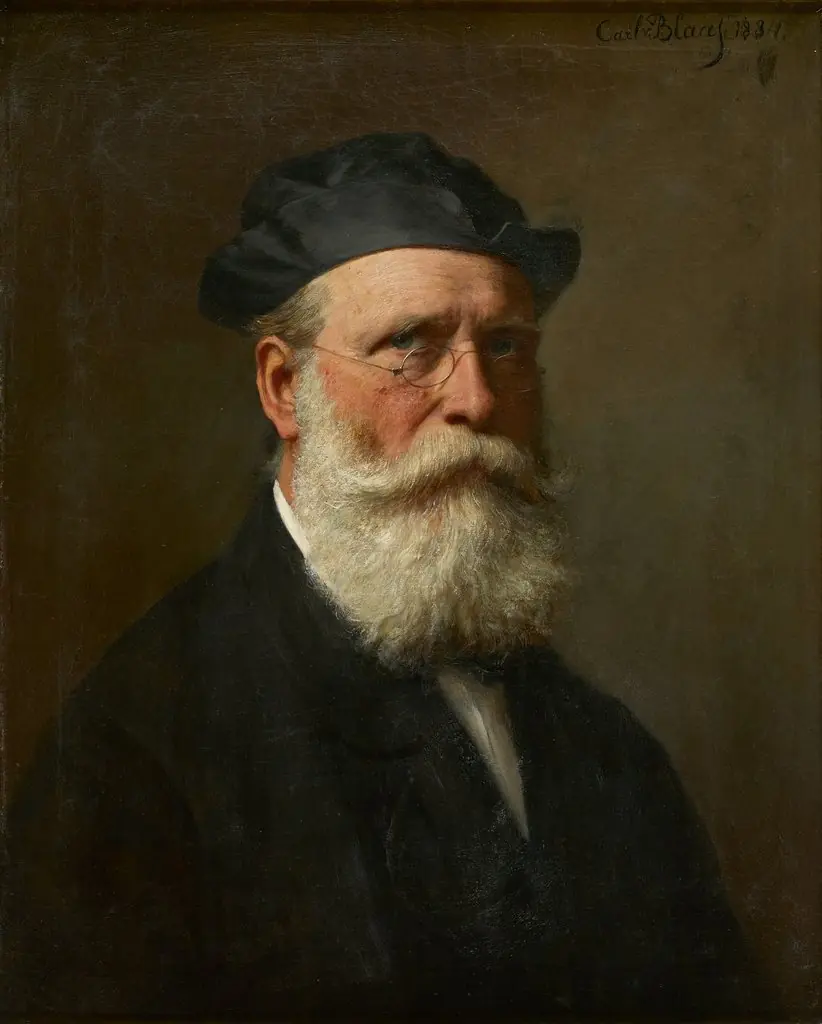
Karl von Blaas (28 April 1815 – 19 March 1894) was an Austrian painter known for his portraits and religious compositions executed on canvas as well as in the form of frescoes.

 The Storming of Ofen 1686
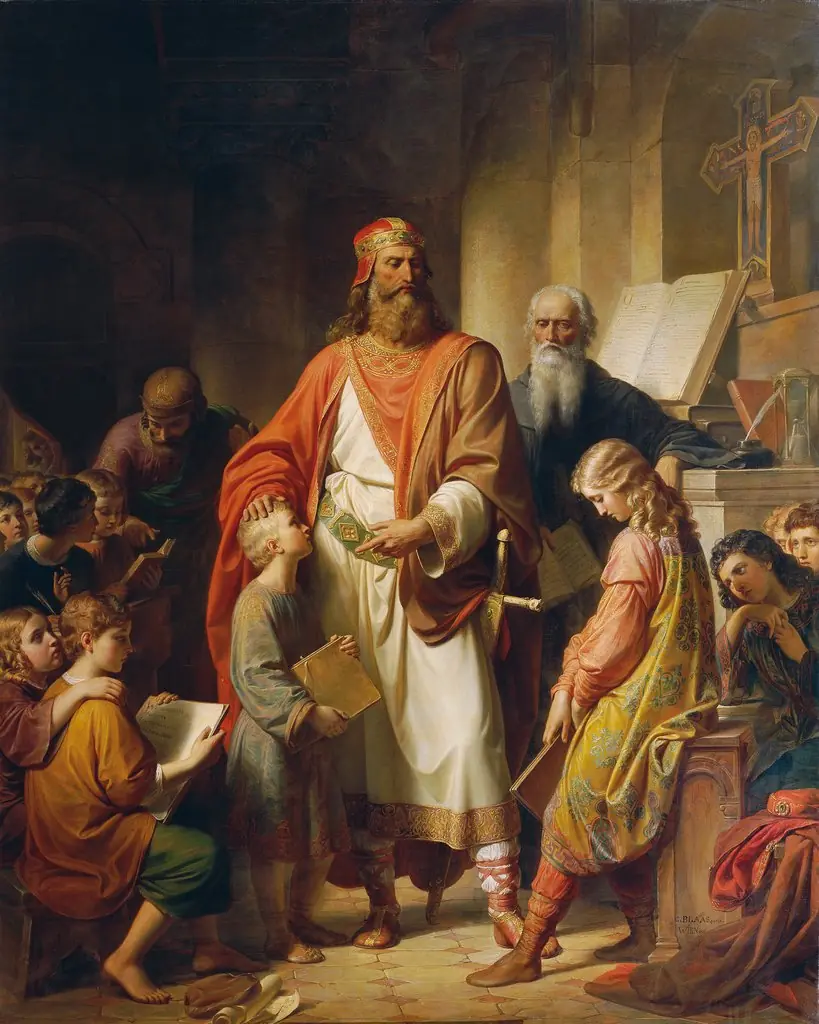
 King Jagiełło and the Teutonic Knights
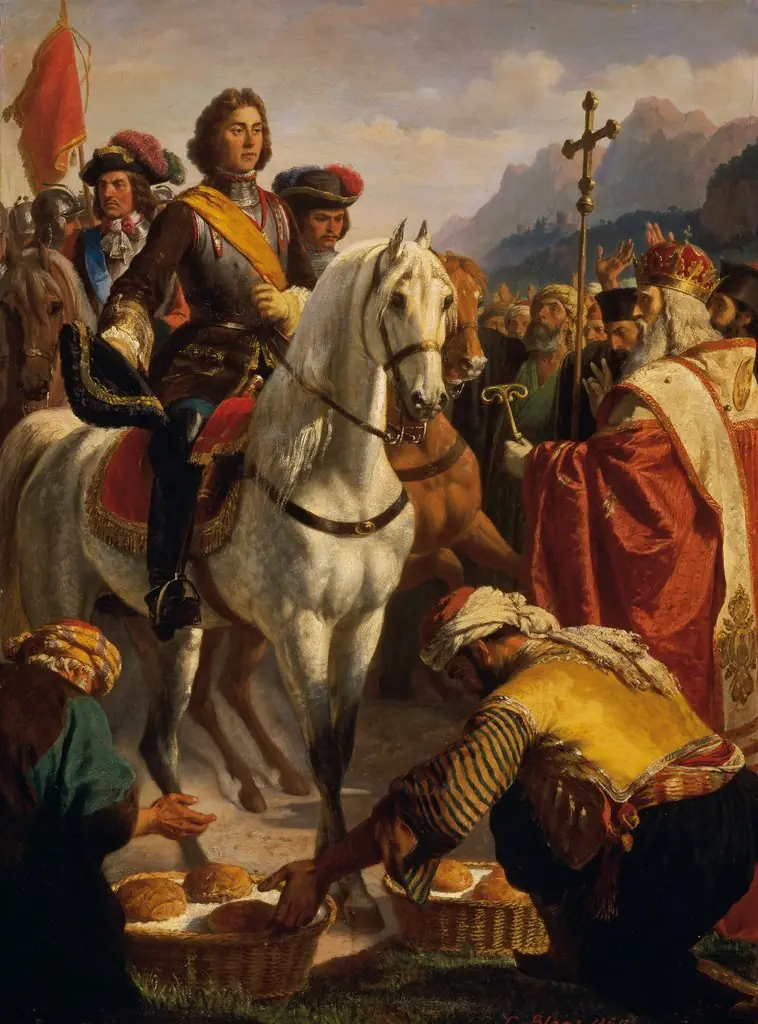 Prince Eugene's march to Bosnia in 1697
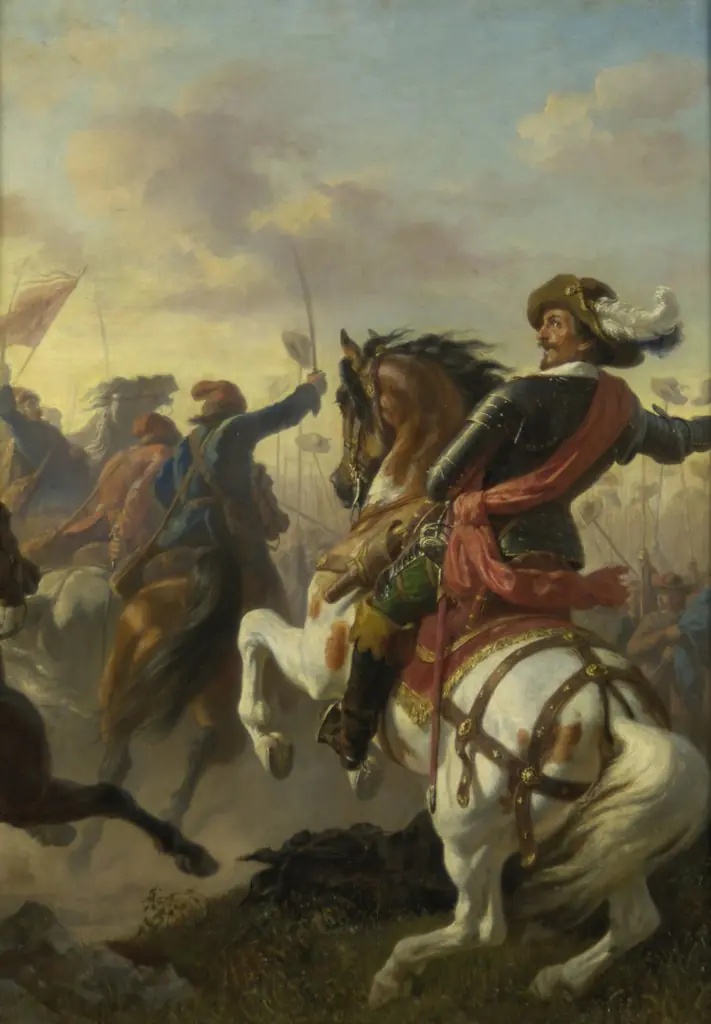 Boucquoi's victory at Zablat (Budweis) 1619
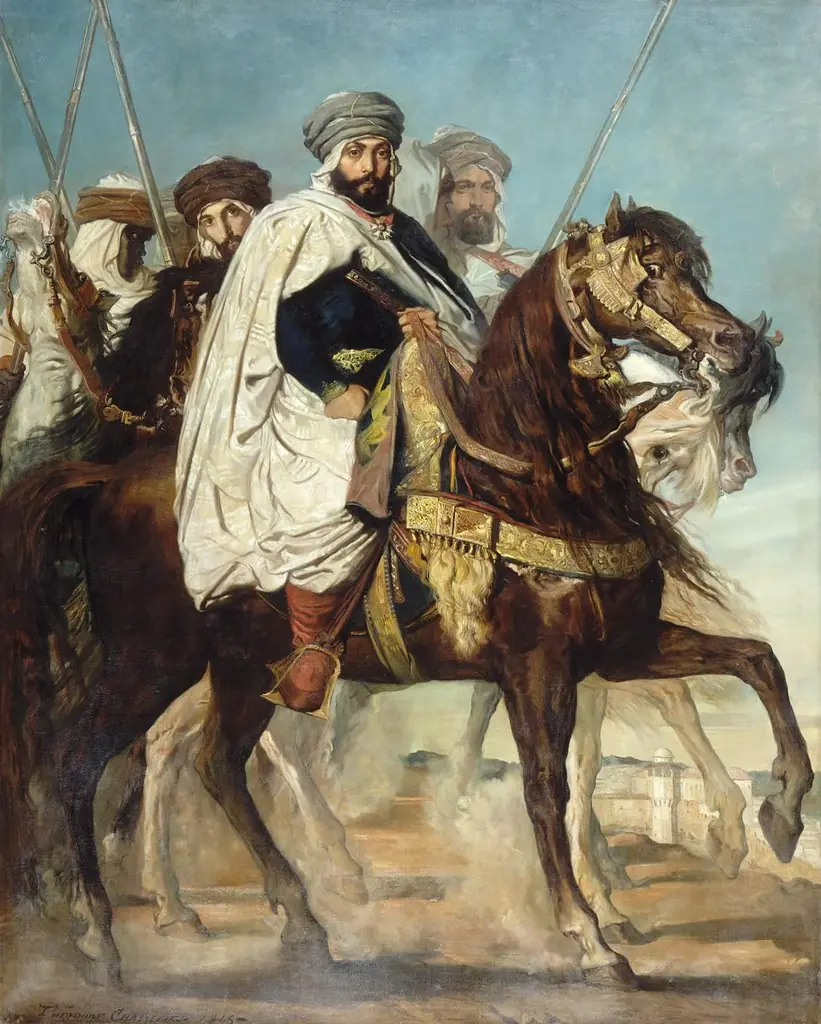 The Caliph of Constantine
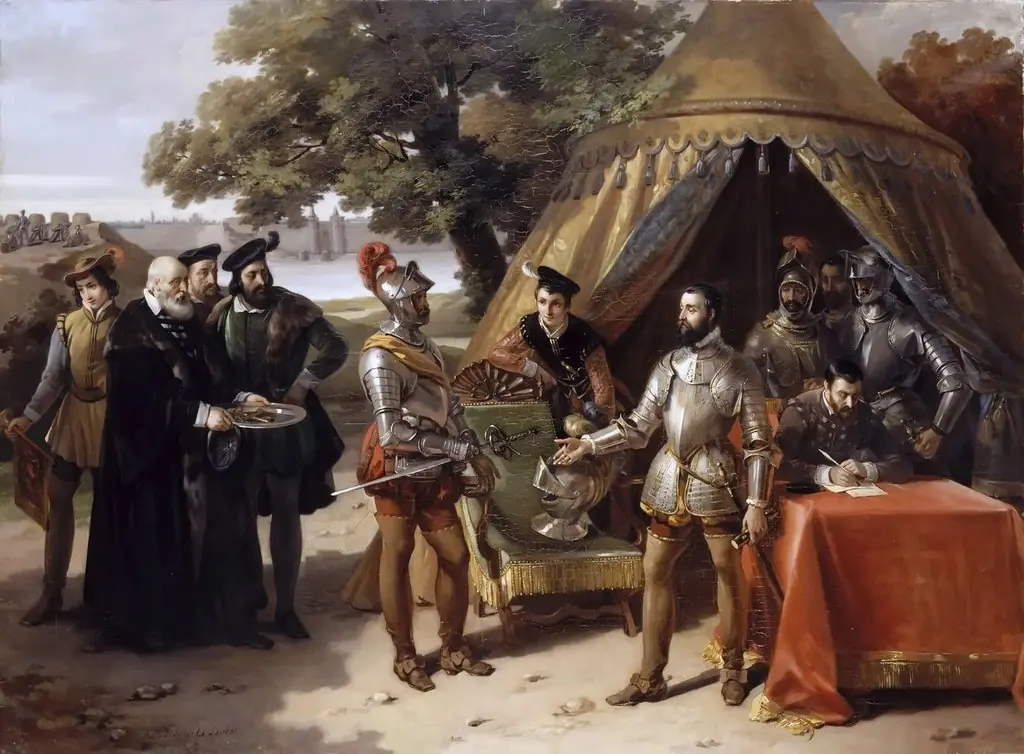 The Siege of Thionville, 23 June 1558
 Mounted Warrior in Jaipur
 Entry of Charles III. in Madrid 1710
 Mihai Viteazul contemplând capul lui Andrei Bathory
 The Combat of the Giaour and Hassan