Artwork
Emperor Maximilian I.
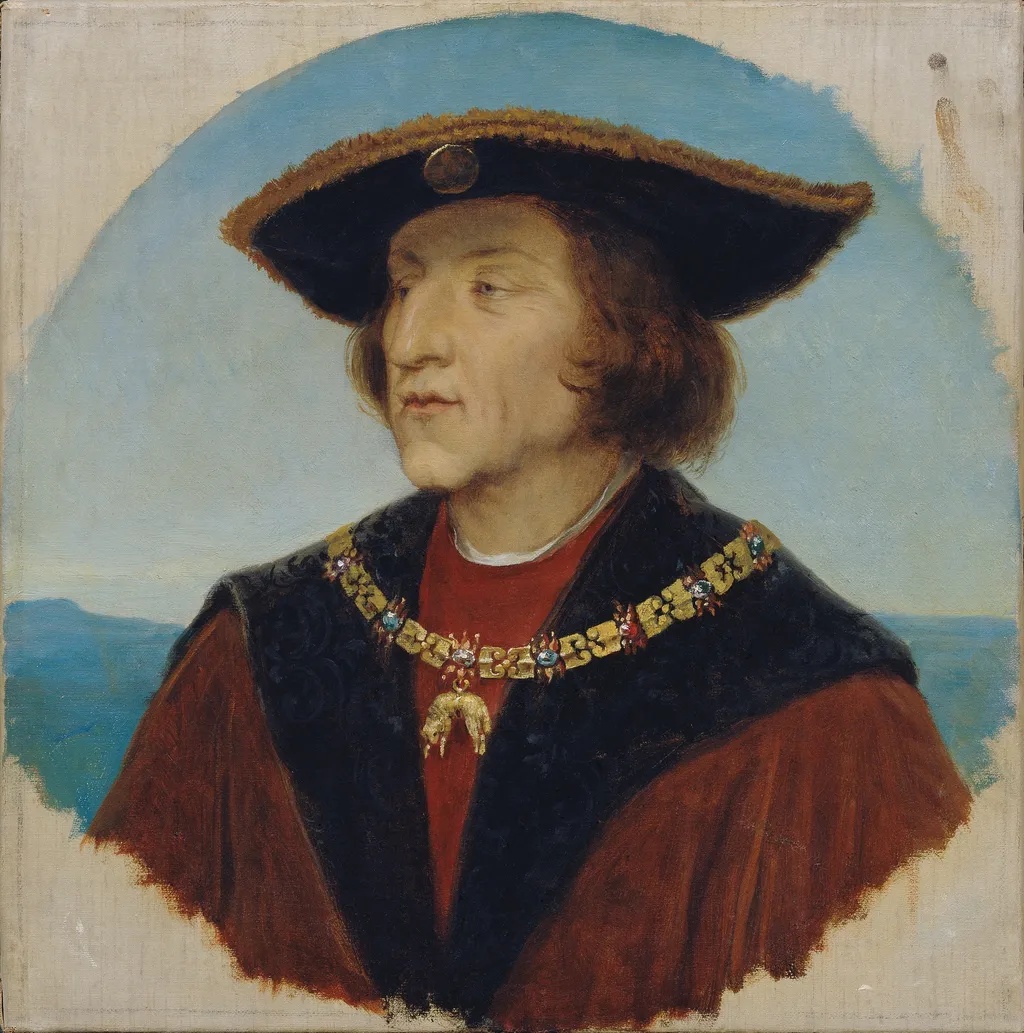
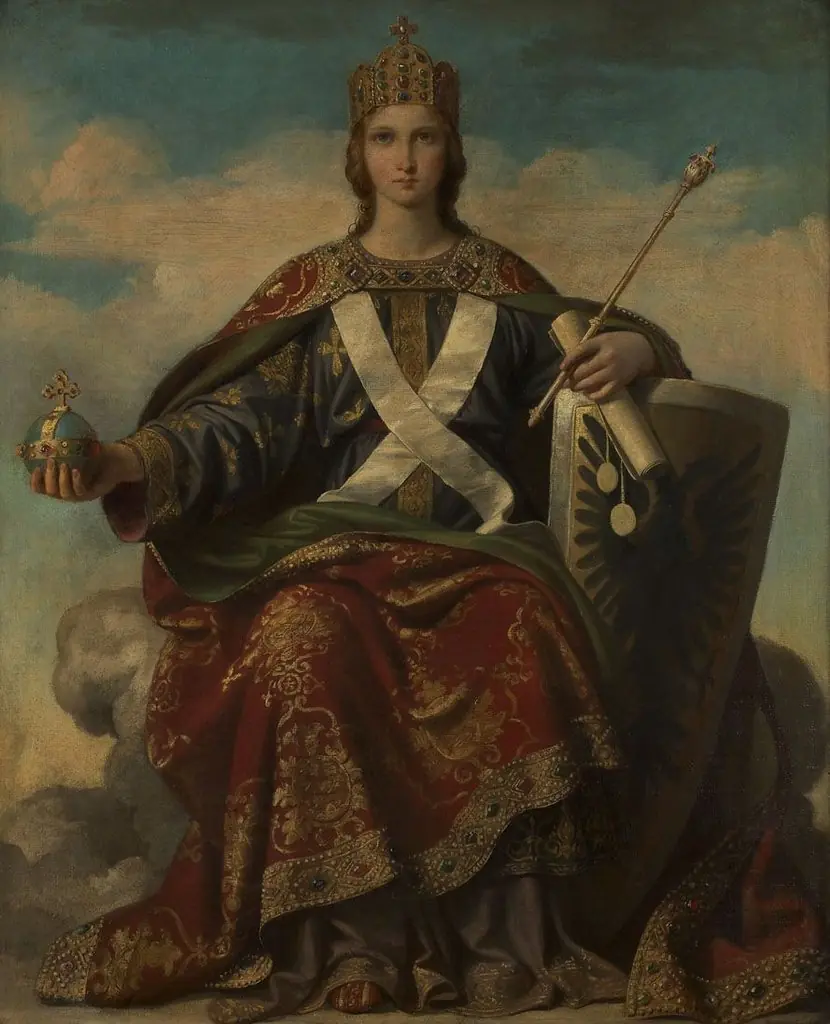
Emperor Maximilian I. is an oil painting by the Biedermeier artist Karl von Blaas. It dates from 1870 and is held in the collection of the Kunsthistorisches Museum.
About this work
The painting is a portrait of Emperor Maximilian I.
It was created by Karl von Blaas in 1870 using oil paint. The artist chose a historical figure as the subject, which is interesting because it shows the artist's focus on important people from the past.
You can learn more about the artist's style by looking up the technique of glazing.
Overview
Karl von Blaas completed an oil portrait of Emperor Maximilian I in 1870. Executed in the Biedermeier style, the work presents the Habsburg ruler with a focus on realistic detail. The painting is part of the collection of Vienna’s Kunsthistorisches Museum, where it remains on display as a representative example of late‑19th‑century Austrian portraiture.
Subject & Meaning
The canvas centers on Maximilian I, Holy Roman Emperor from 1493 to 1519, rendered in a dignified pose that underscores his political stature. By choosing a historic sovereign, von Blaas aligns the work with contemporary interest in national heritage and the commemoration of notable figures from the past.
Technique & Style
Executed in oil, the portrait employs the Biedermeier emphasis on meticulous surface treatment and subtle modeling. Von Blaas likely used layered glazing to achieve depth in the fabrics and flesh tones, a method characteristic of his broader oeuvre of portraits and religious scenes.
History & Provenance
Created toward the end of von Blaas’s career, the painting entered the Kunsthistorisches Museum’s holdings shortly after its completion, reflecting the institution’s commitment to acquiring works that document Austrian historical identity. Its provenance has remained stable, with no recorded transfers beyond the museum’s collection.
Context
The work emerges from a period when Austrian artists revisited historic subjects to reinforce cultural continuity after the upheavals of 1848. Within the Biedermeier movement, such portraits served both decorative and educative purposes, presenting familiar national icons in a domestic, approachable manner.
Own this work as a print
Artist & collection
Artist
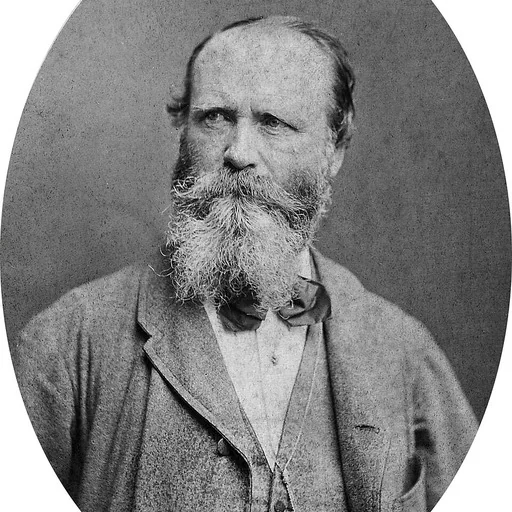
Karl von Blaas (28 April 1815 – 19 March 1894) was an Austrian painter known for his portraits and religious compositions executed on canvas as well as in the form of frescoes.

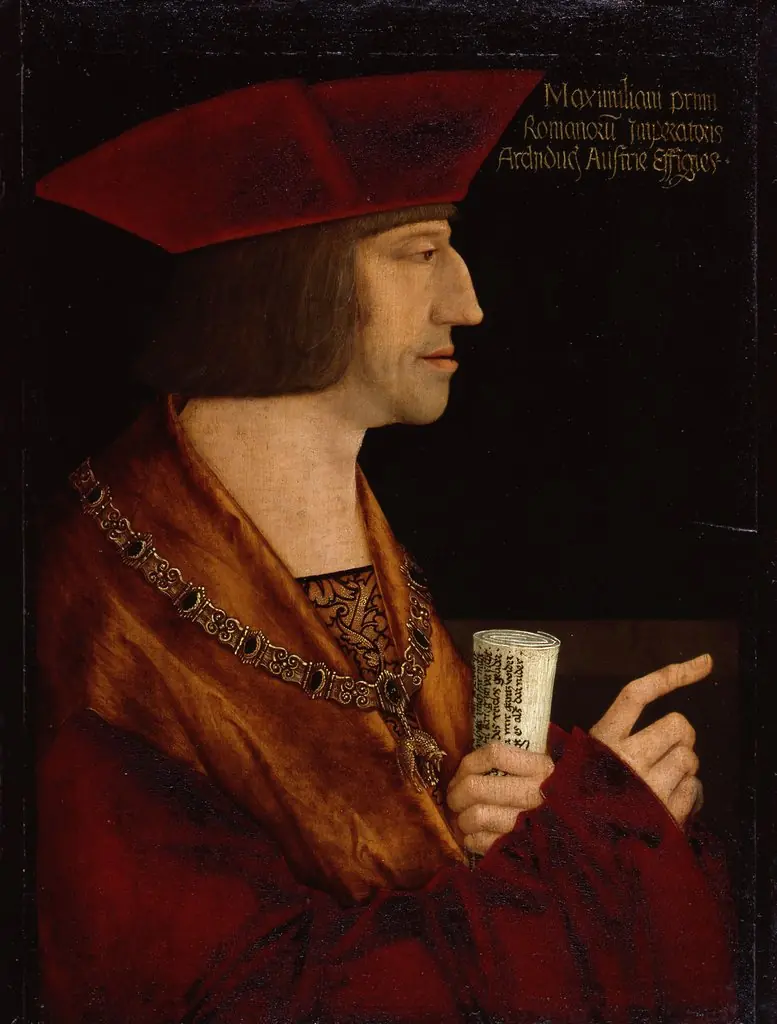 Emperor Maximilan I. (1459-1519) with a Scroll
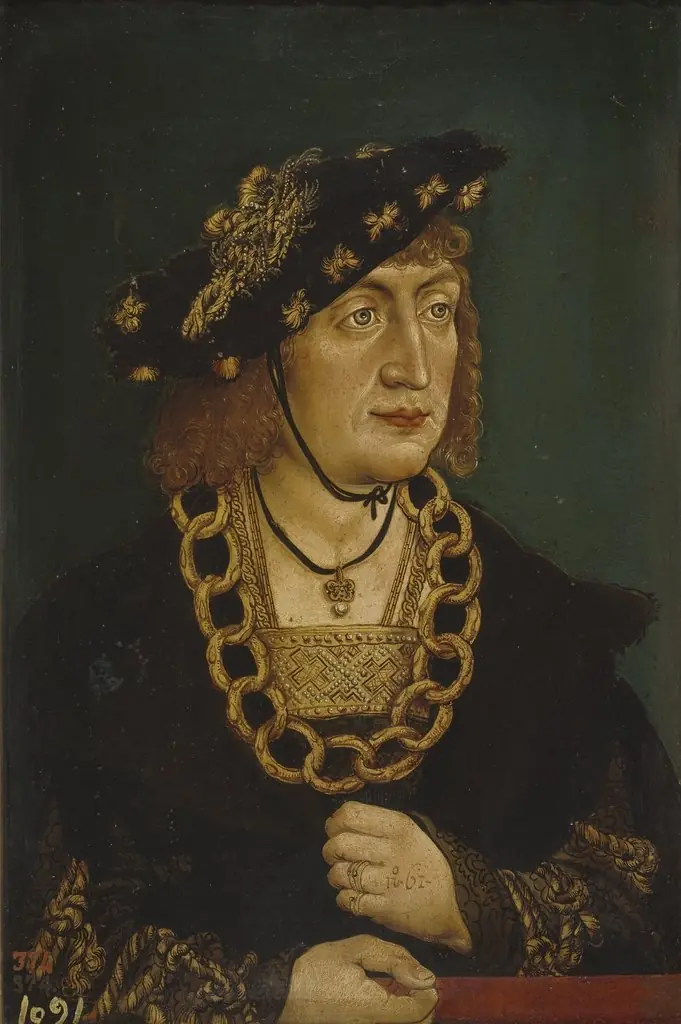 Frederick III
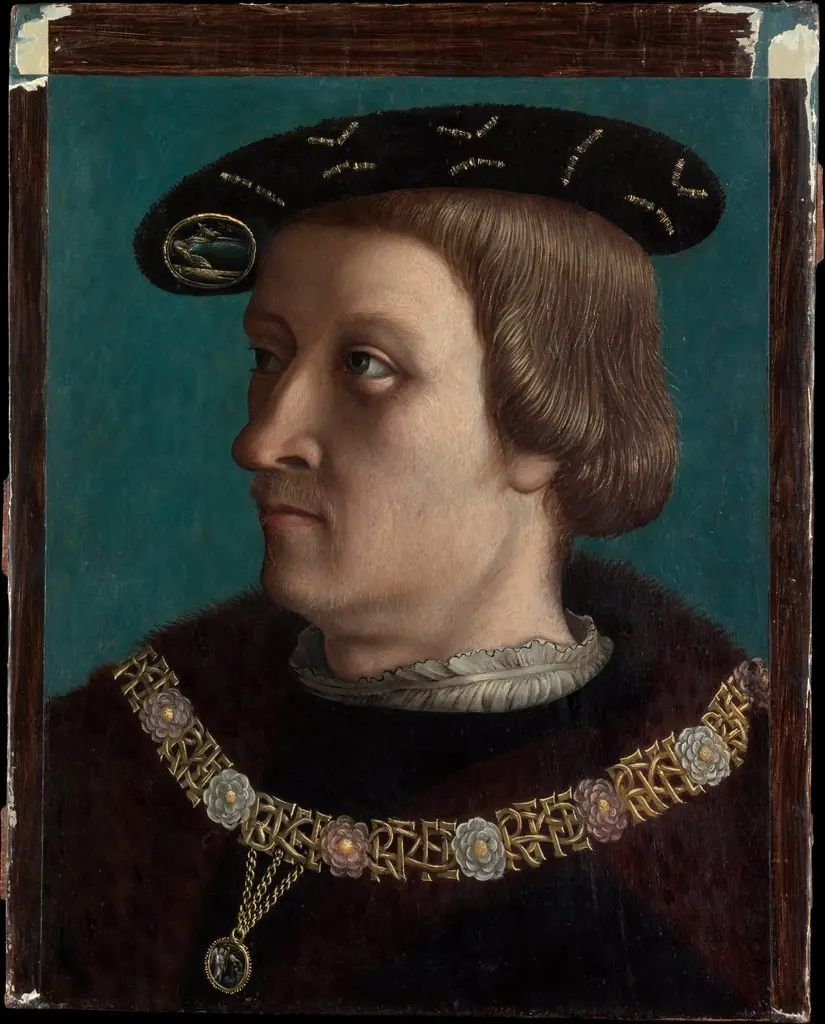 Portrait of a Man Wearing the Order of the Annunziata of Savoy
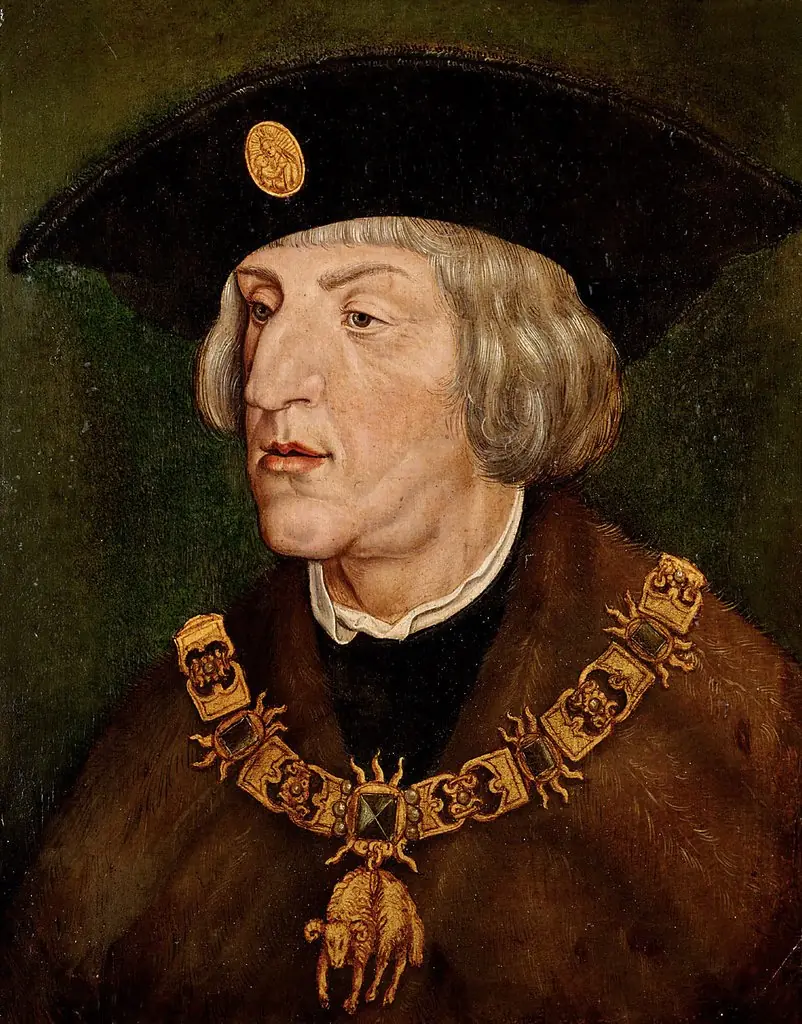 Maximilian I. (1459-1519), Brustbild
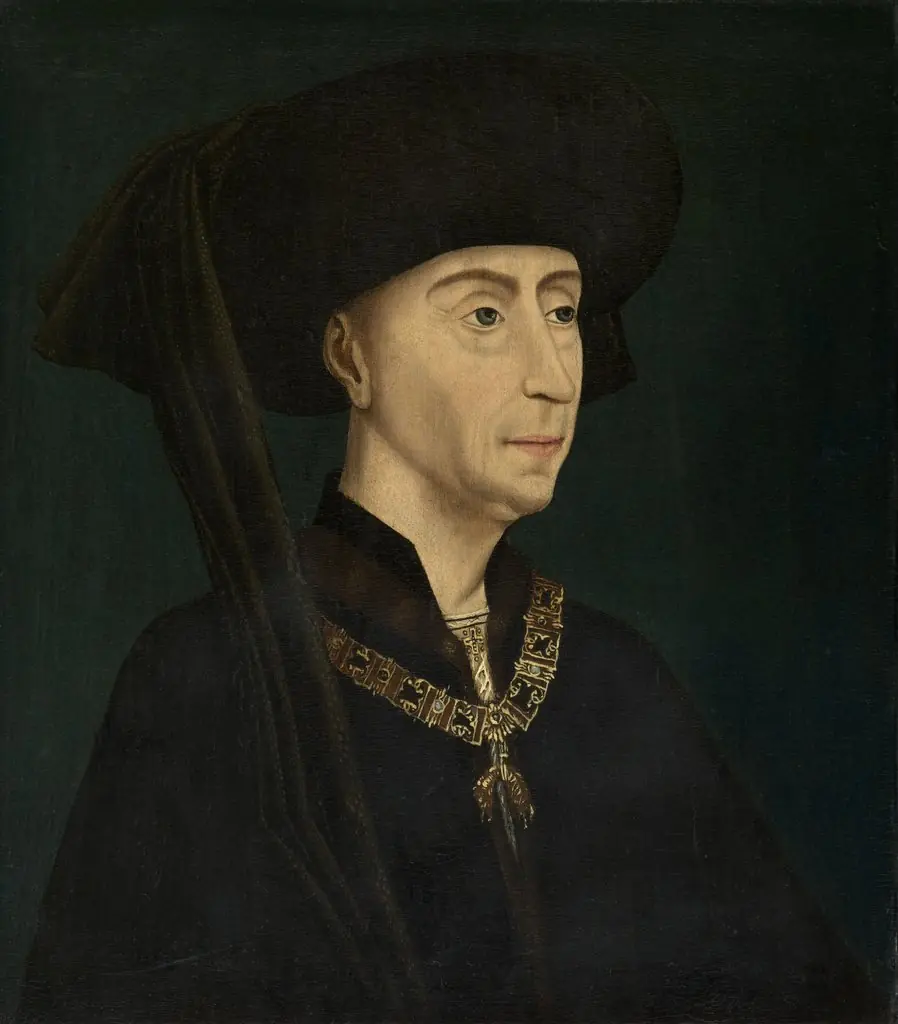 Philip the Good
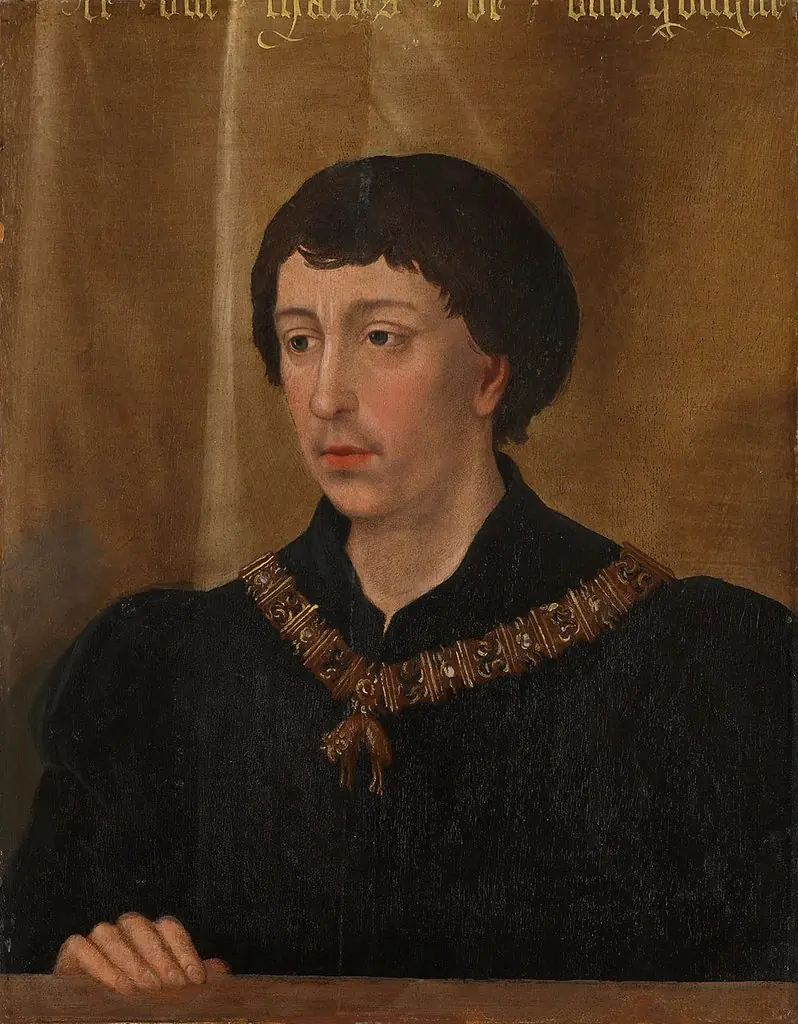 Herzog Karl der Kühne (1433-1477) von Burgund
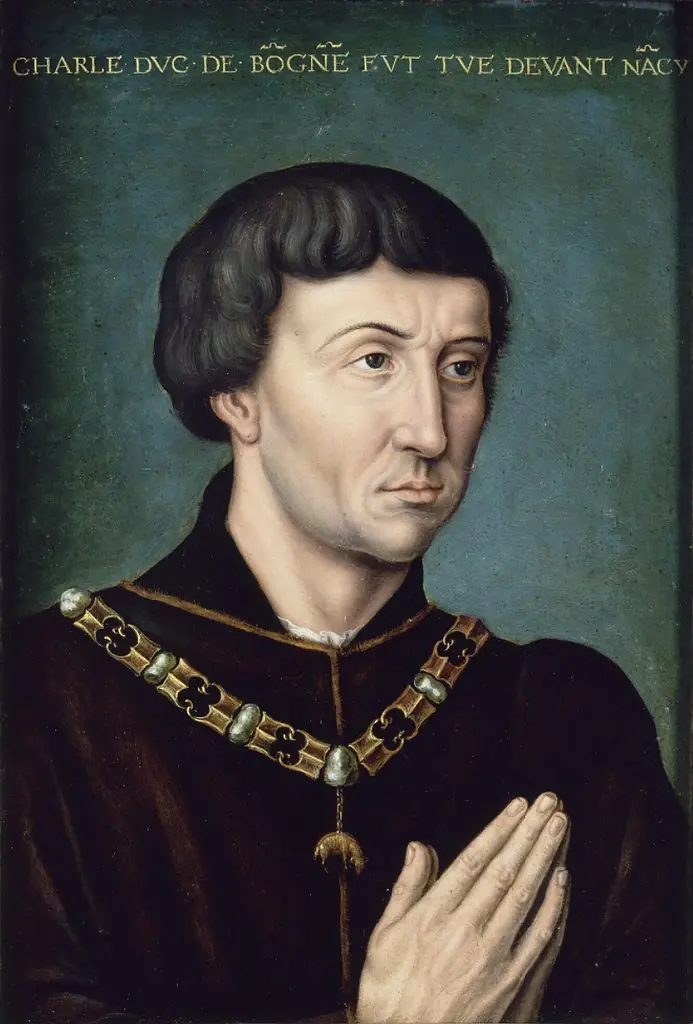 Portrait of Charles the Bold, Duke of Burgundy (1433-1477)
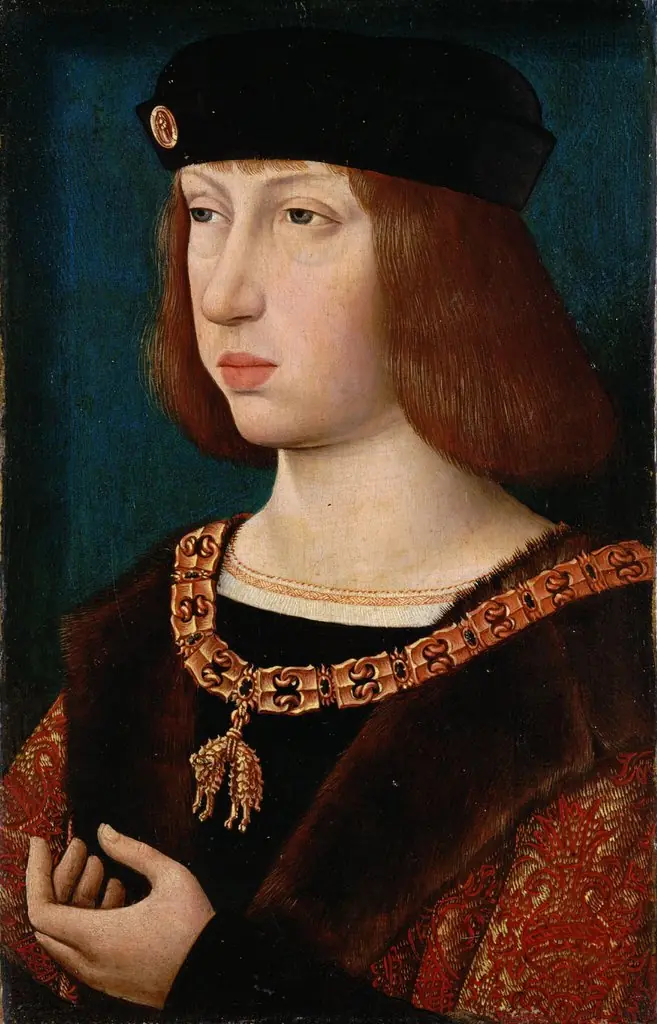 Portrait of Philips 'de Schone' van Habsburg (1478-1506)