Artwork
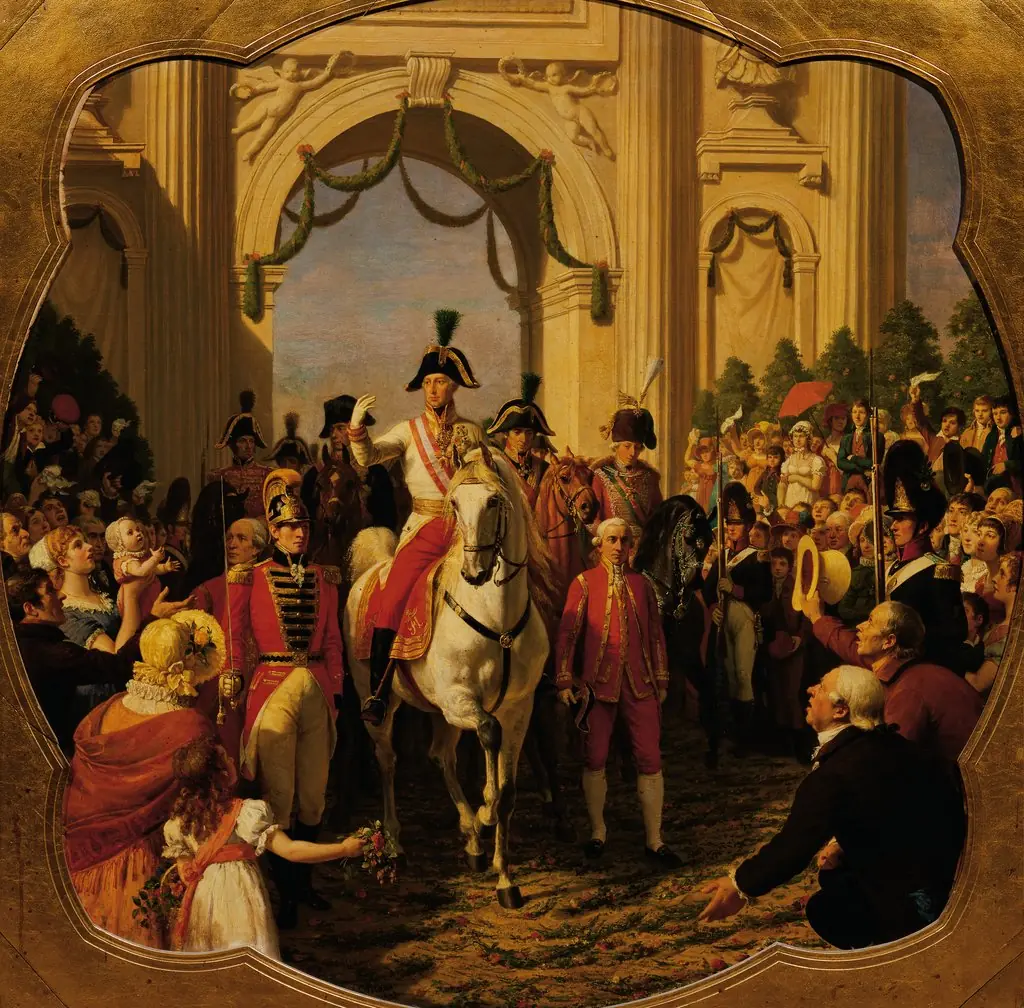
Entry of Charles III. in Madrid 1710
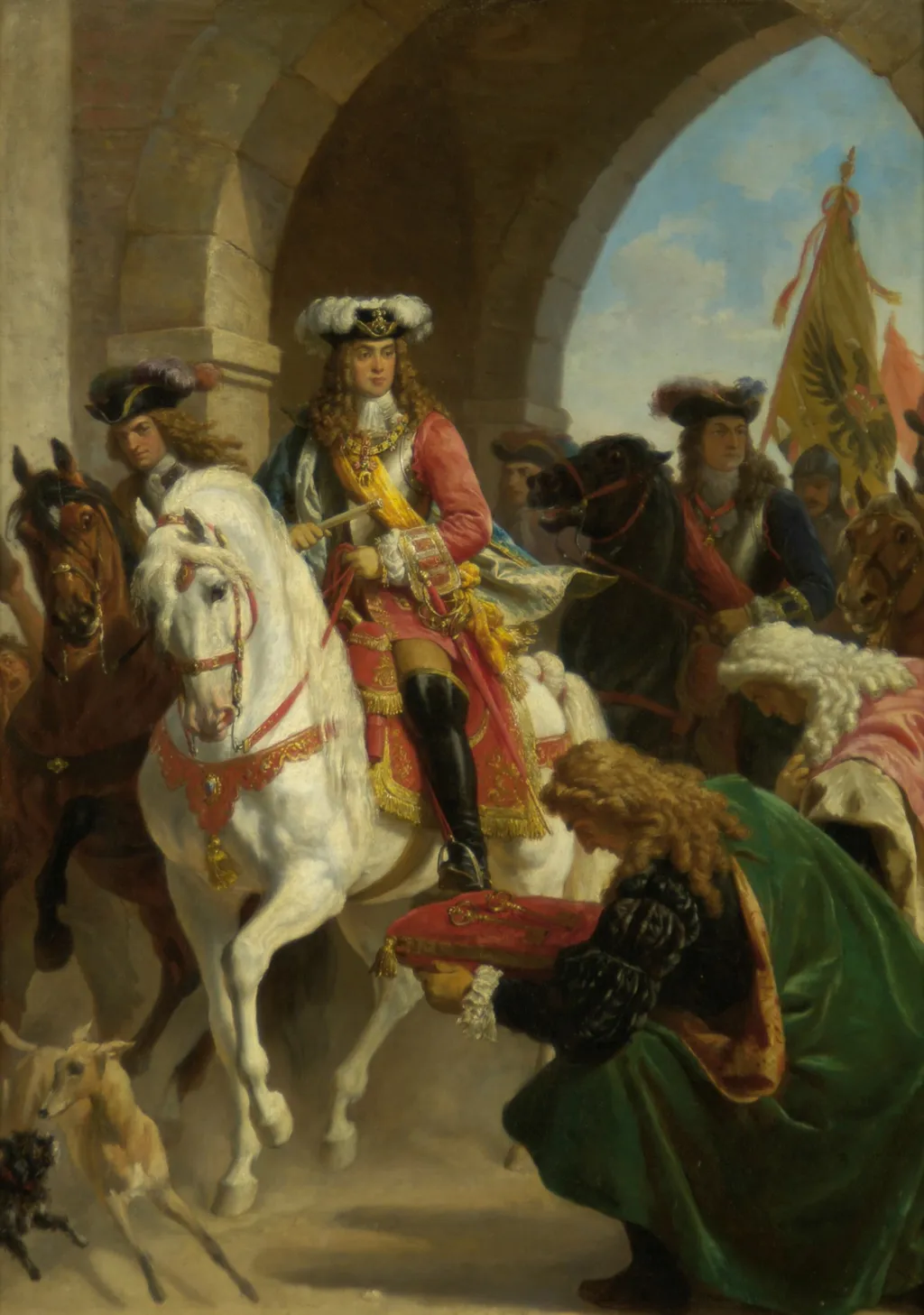
Entry of Charles III. in Madrid 1710 is an oil painting by Karl von Blaas. It dates from 1865 and is held in the collection of the Kunsthistorisches Museum.
About this work
Overview
Painted in 1865 by Austrian artist Karl von Blaas, this oil-on-canvas work captures the ceremonial arrival of Charles III in Madrid.
Painted in 1865 by Austrian artist Karl von Blaas, this oil-on-canvas work captures the ceremonial arrival of Charles III in Madrid. Though the event occurred in 1710, the painting was created over a century later as a historical reconstruction. It resides in the Kunsthistorisches Museum’s collection, where it serves as a visual record of Habsburg-era pageantry, rendered with academic precision and attention to ceremonial detail.
Subject & Meaning
The scene portrays Charles III, then heir to the Spanish throne, entering Madrid during the War of the Spanish Succession. Dressed in a red and gold military coat and mounted on a white horse, he is depicted as a figure of authority. The presence of attendants, banners bearing imperial insignia, and the monumental archway reinforce the political significance of his arrival, symbolizing the consolidation of Habsburg power in Spain.
Technique & Style
Blaas employed a polished, academic style typical of mid-19th-century historical painting. The composition is carefully balanced, with strong linear perspective guiding the eye toward the central figure. Rich textures in fabric and metal are rendered with fine brushwork, while the sky and architecture are softened to emphasize the rider’s prominence. The palette favors regal reds, golds, and deep blues, enhancing the ceremonial tone.
History & Provenance
Commissioned as part of a broader 19th-century interest in historical narrative painting, the work was completed decades after the event it depicts. It entered the Kunsthistorisches Museum’s collection in Vienna, likely through imperial acquisition or donation. Its preservation reflects the Habsburg court’s enduring interest in documenting dynastic legitimacy through art, even long after the original event.
Context
Though Charles III never ruled Spain—his brother Philip V did—the painting reflects 19th-century reinterpretations of Habsburg claims to the Spanish throne. Blaas, trained in Vienna’s academic tradition, drew from archival sources and contemporary accounts to reconstruct the moment. The work aligns with a European trend of using art to reinforce historical continuity and dynastic prestige during a period of political upheaval.
Legacy
The painting remains a reference for understanding how 19th-century artists reimagined early modern events through the lens of contemporary aesthetics. It offers insight into the Habsburgs’ use of visual culture to sustain political memory. While not widely exhibited outside Vienna, it contributes to scholarly discussions on historical representation and the role of art in nation-building narratives.
Artist & collection
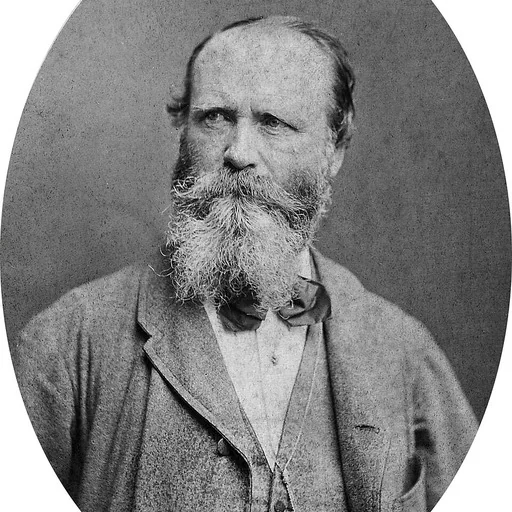
Artist
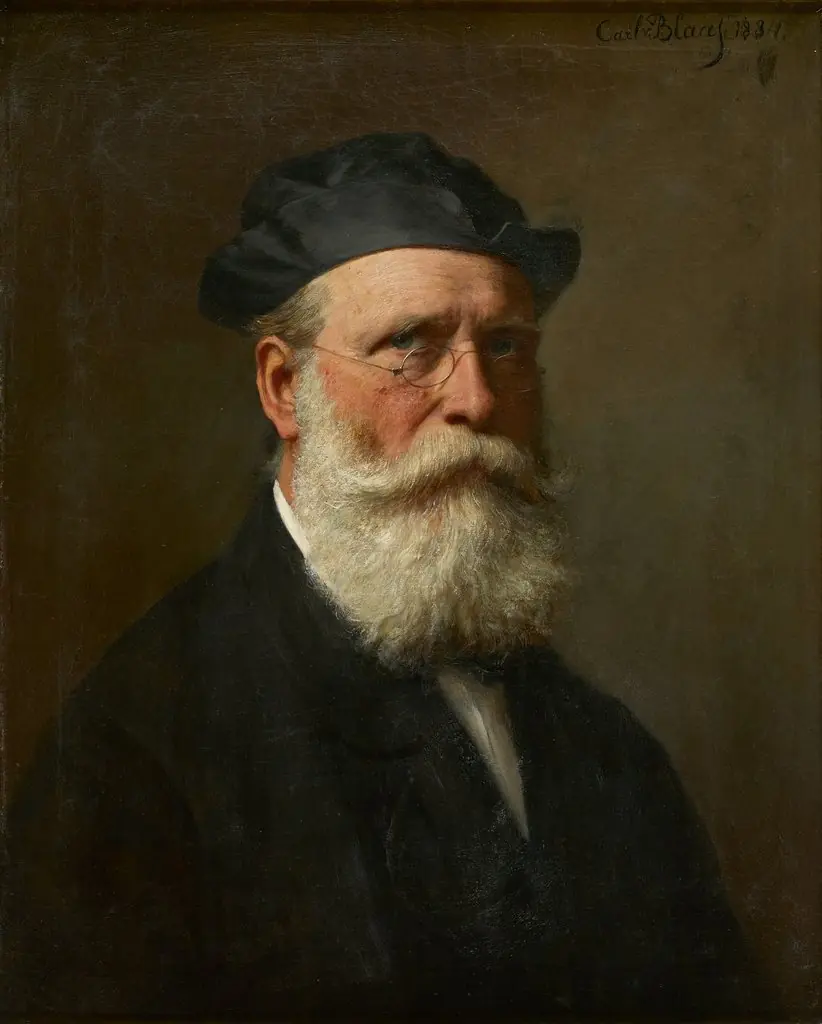
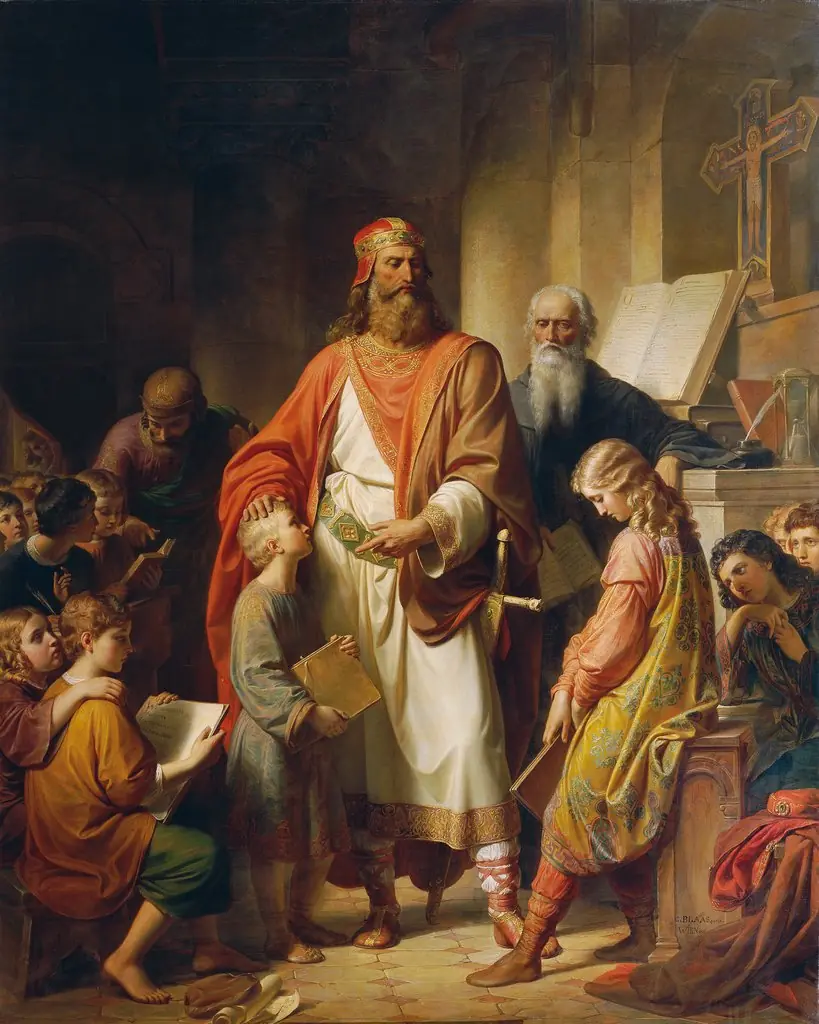
Karl von Blaas (28 April 1815 – 19 March 1894) was an Austrian painter known for his portraits and religious compositions executed on canvas as well as in the form of frescoes.

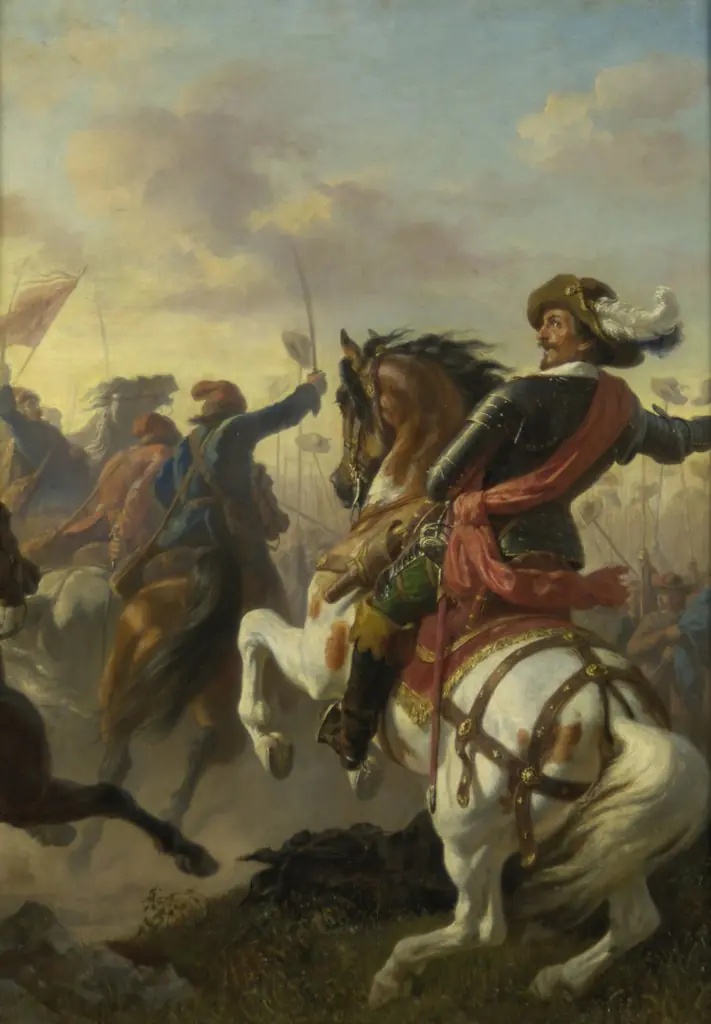 Boucquoi's victory at Zablat (Budweis) 1619
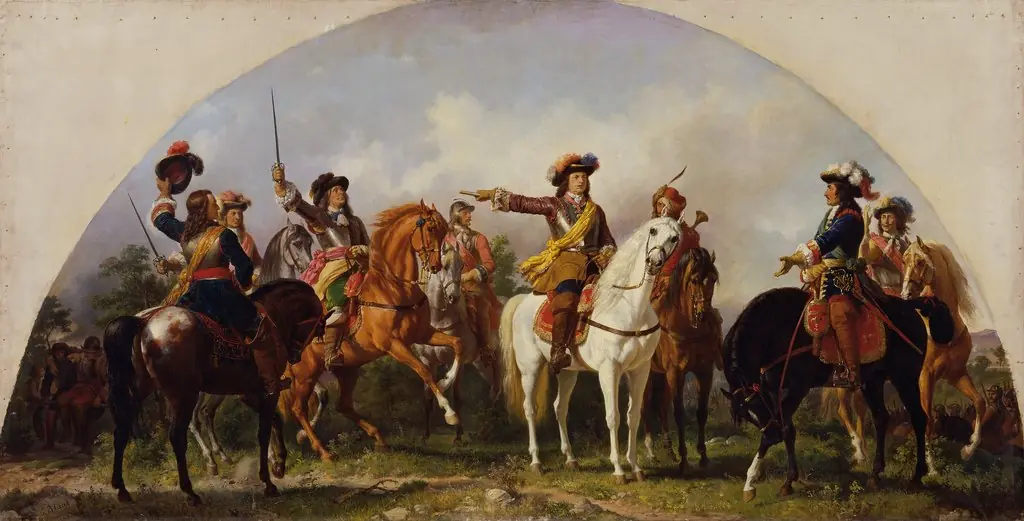 The Battle of St. Gotthard 1664
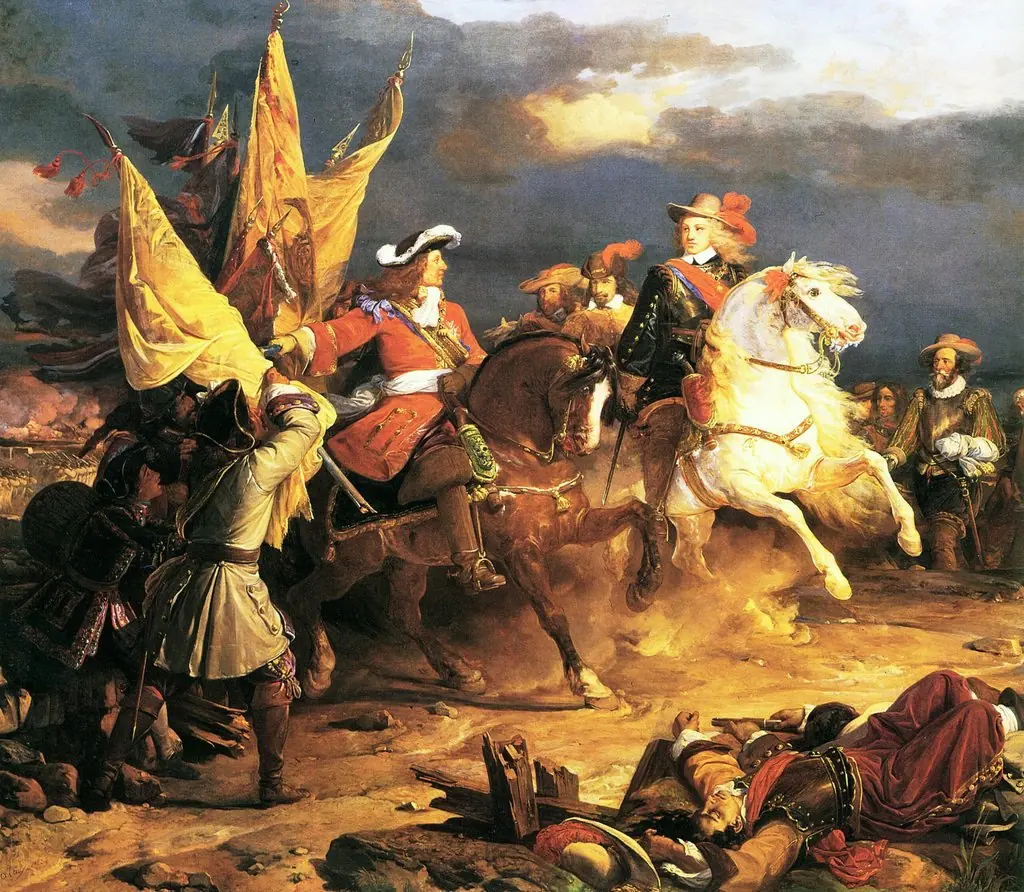 Battle of Villaviciosa, December 10, 1710
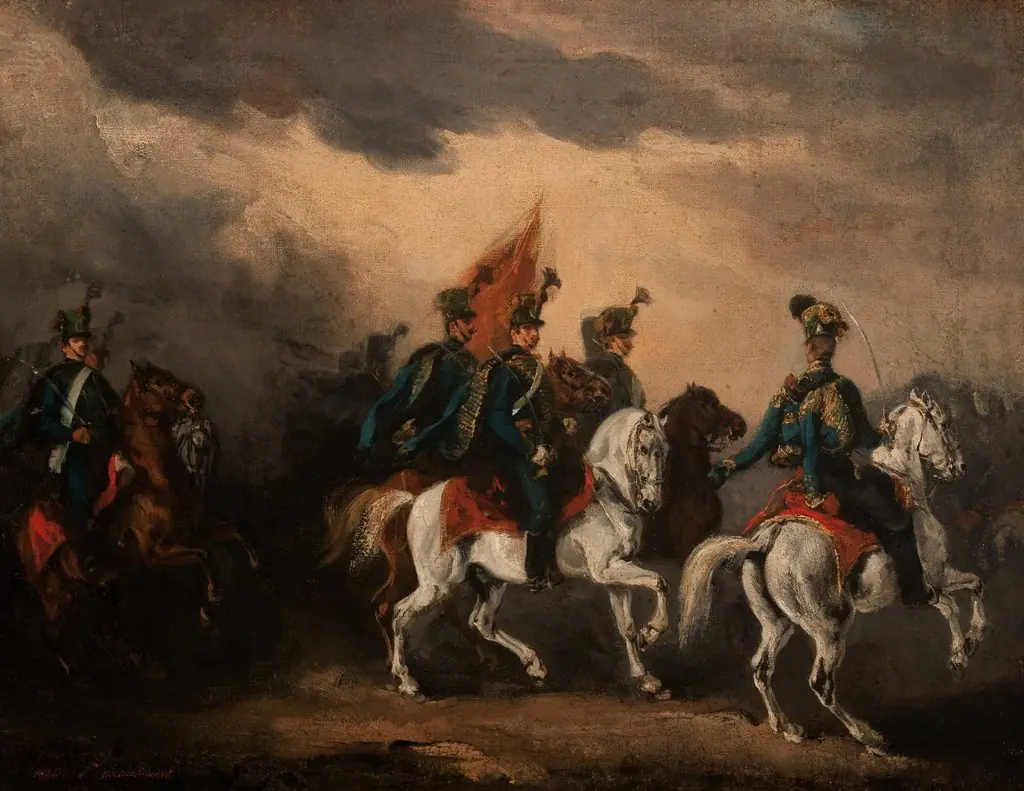 Blue Hussars
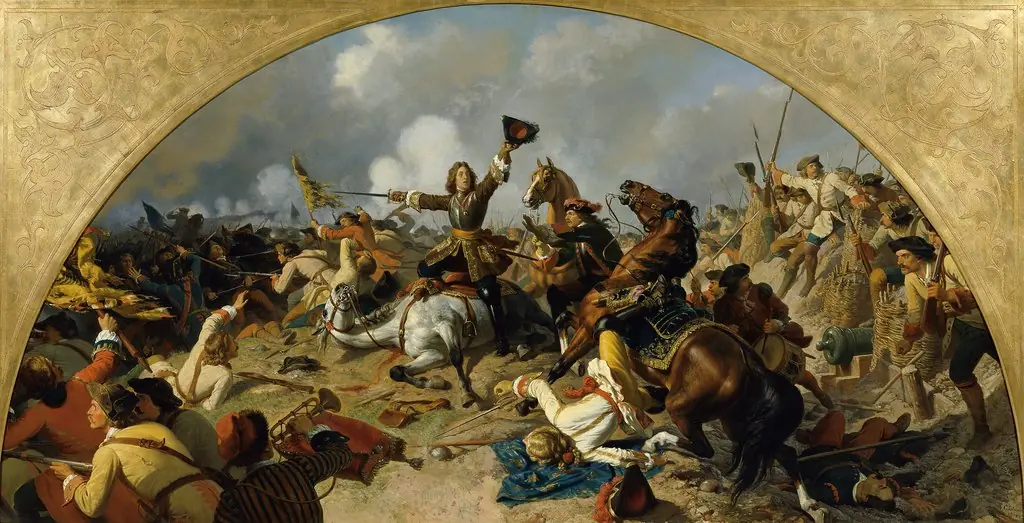 The Battle of Turin 1706
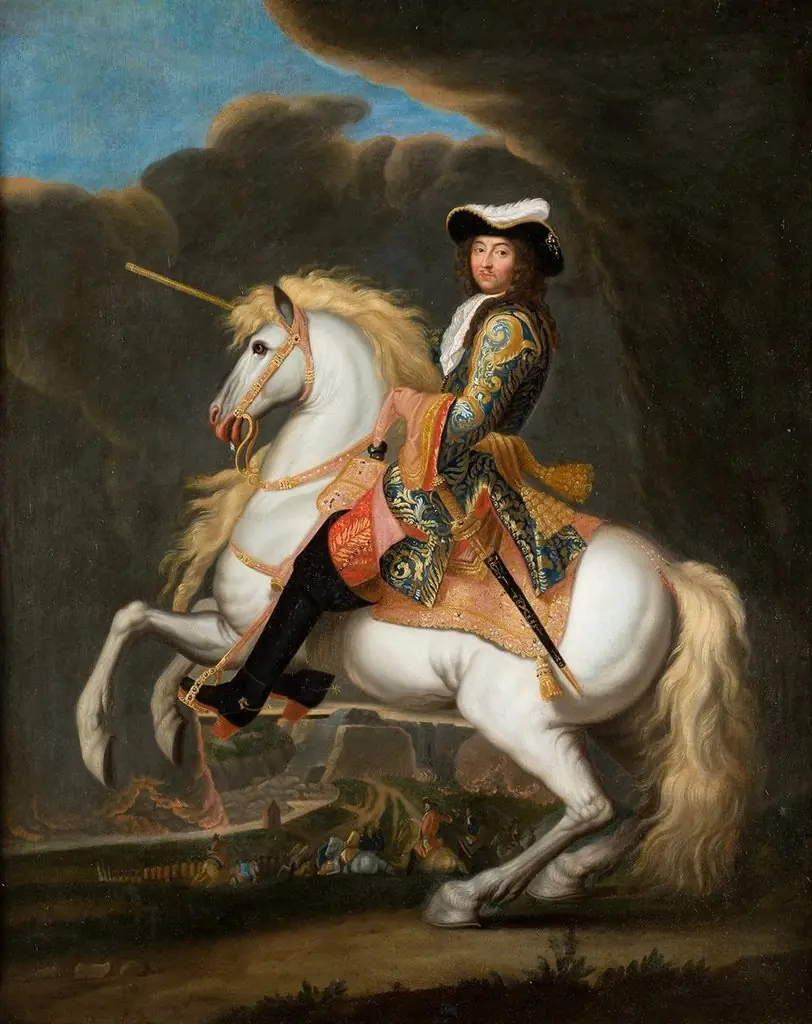 Retrato equestre de Luís XIV
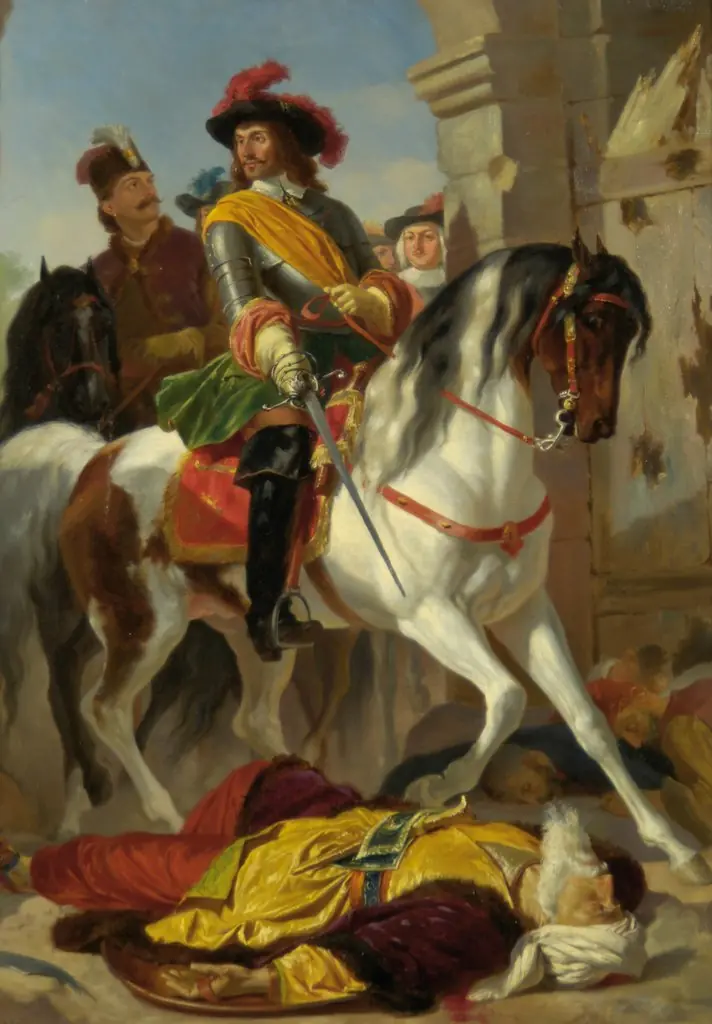 The Storming of Ofen 1686
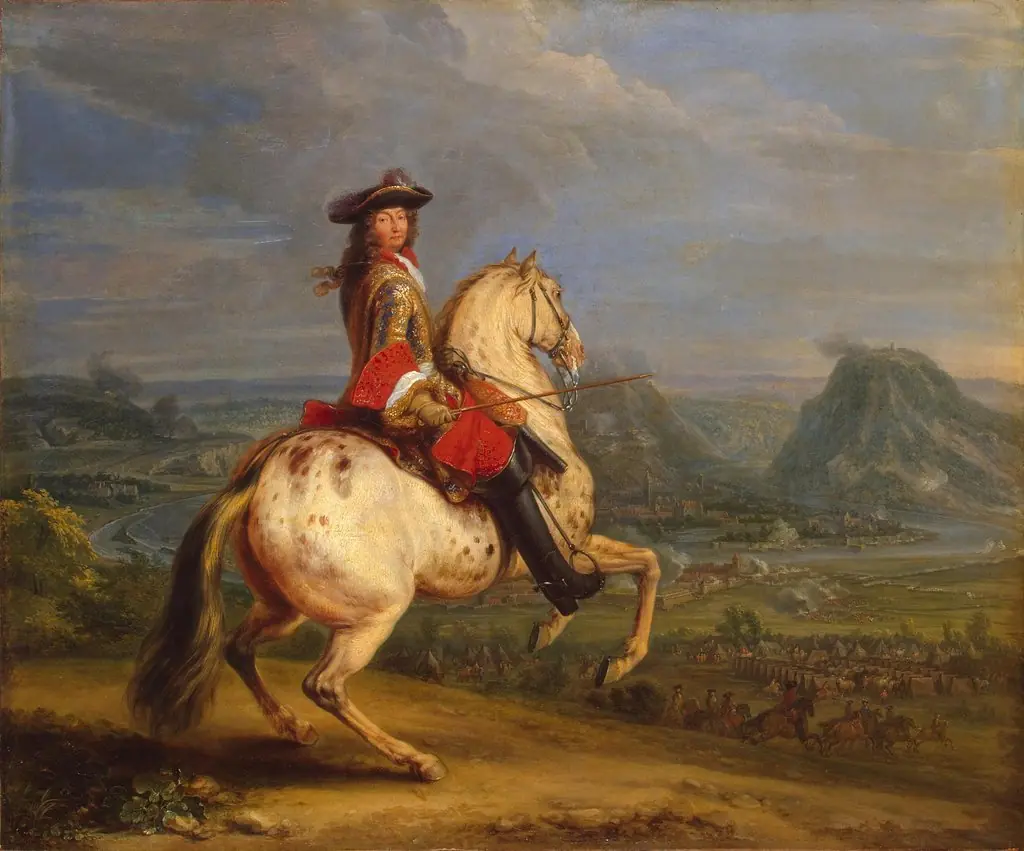 Louis XIV at the Taking of Besancon
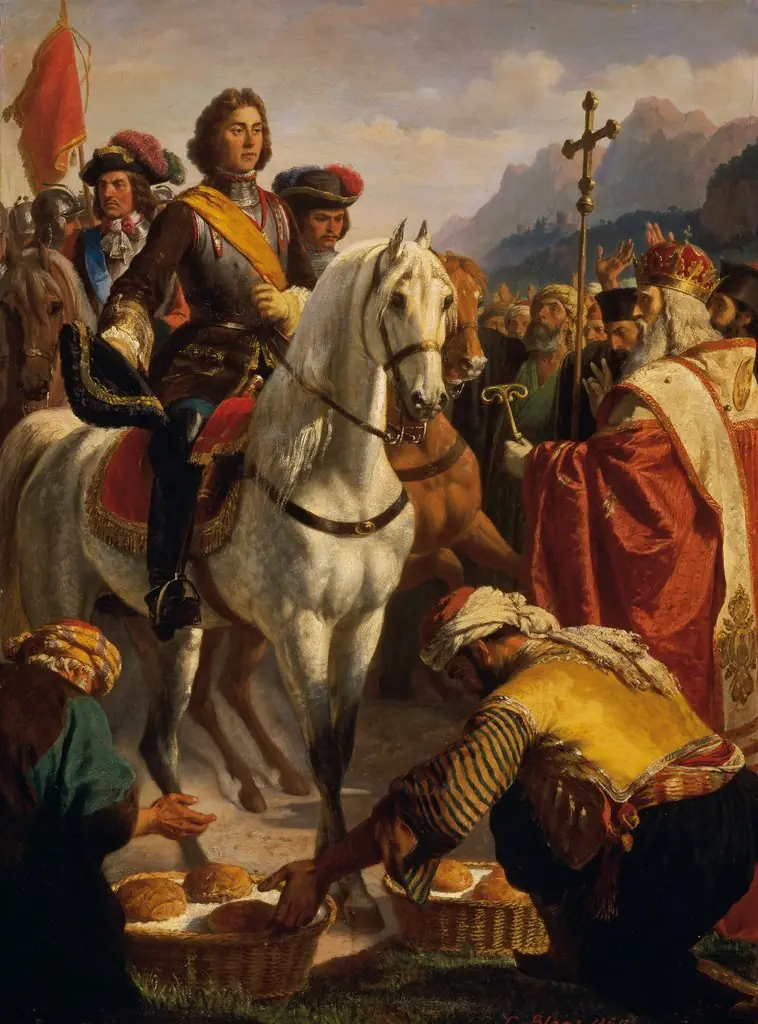 Prince Eugene's march to Bosnia in 1697
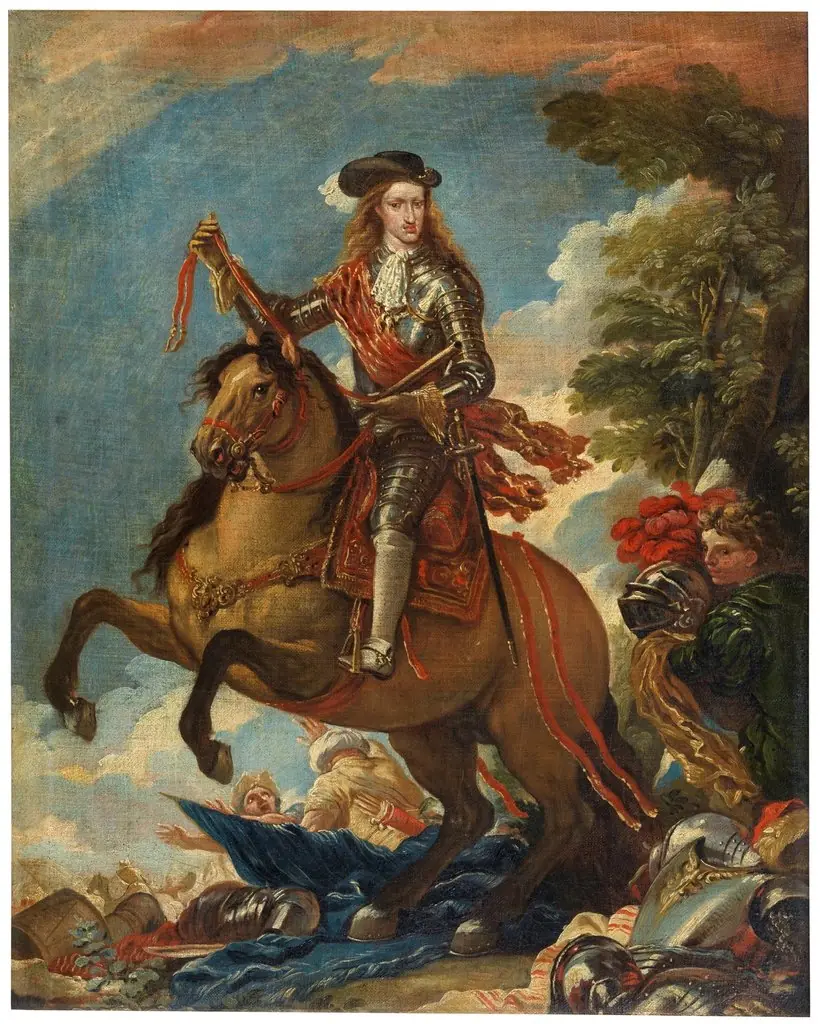 Charles II by horse
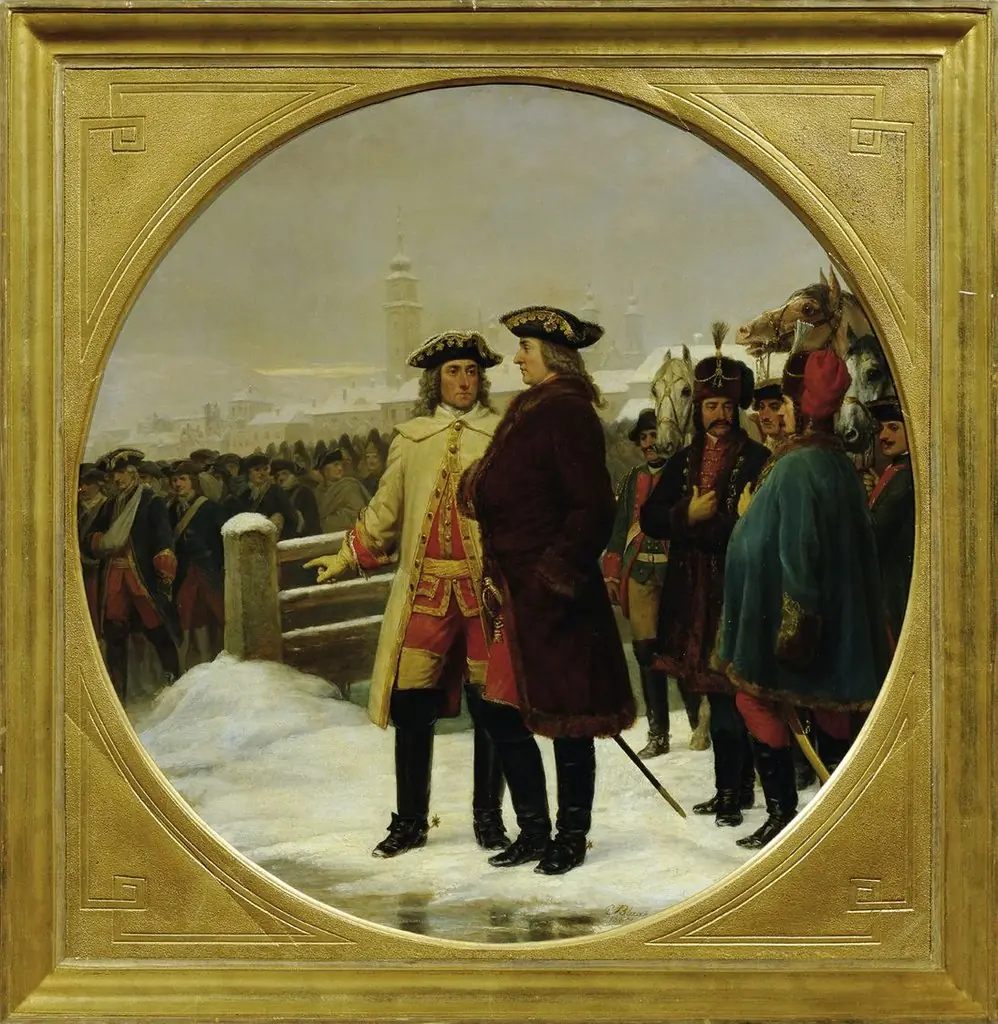 The surrender of Linz in 1742
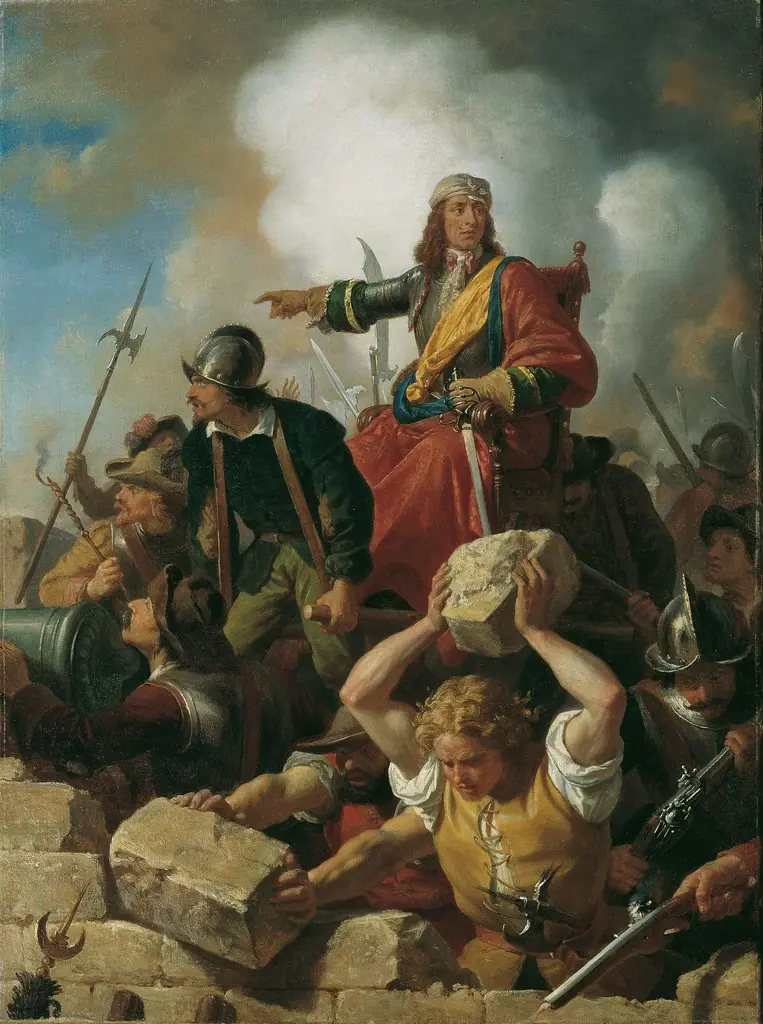 The defense of Vienna against the Turks in 1683