Artwork
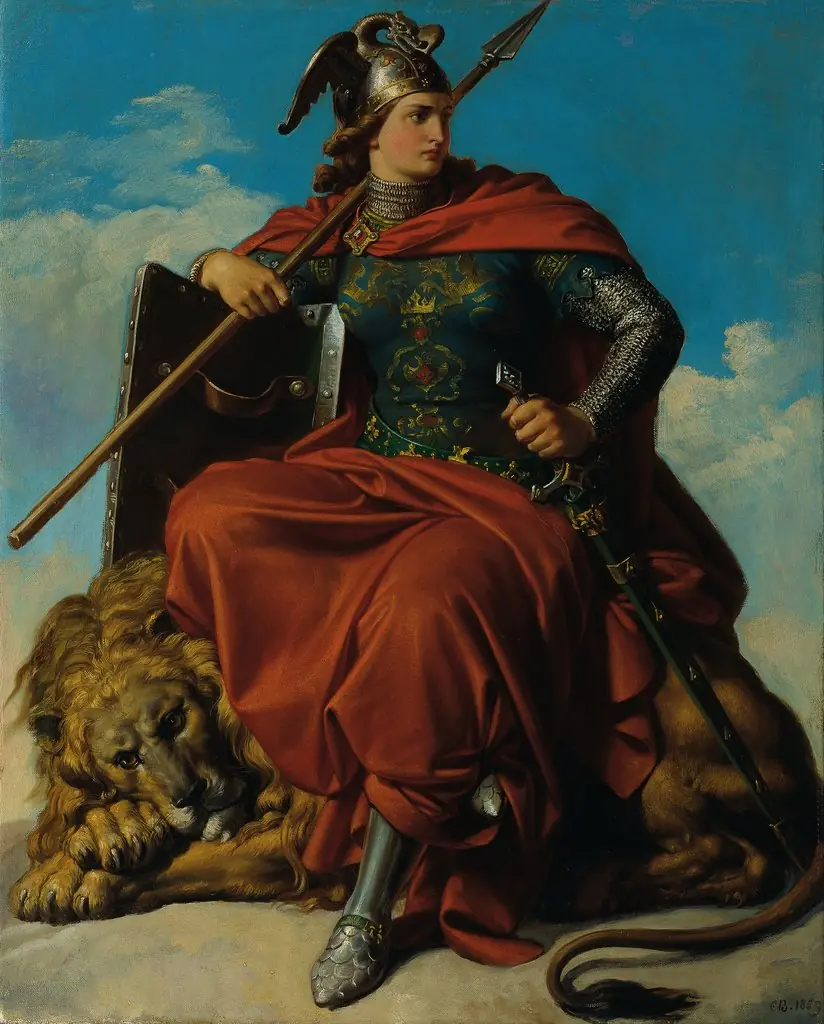
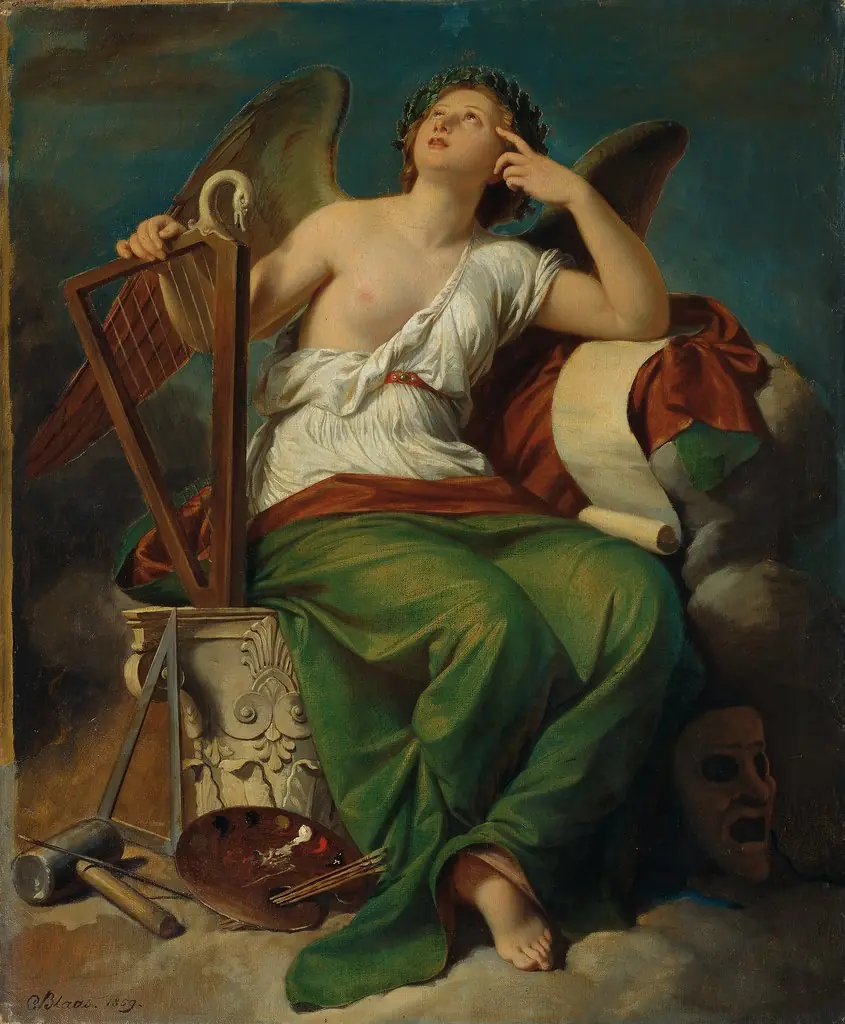
Allegory of Power
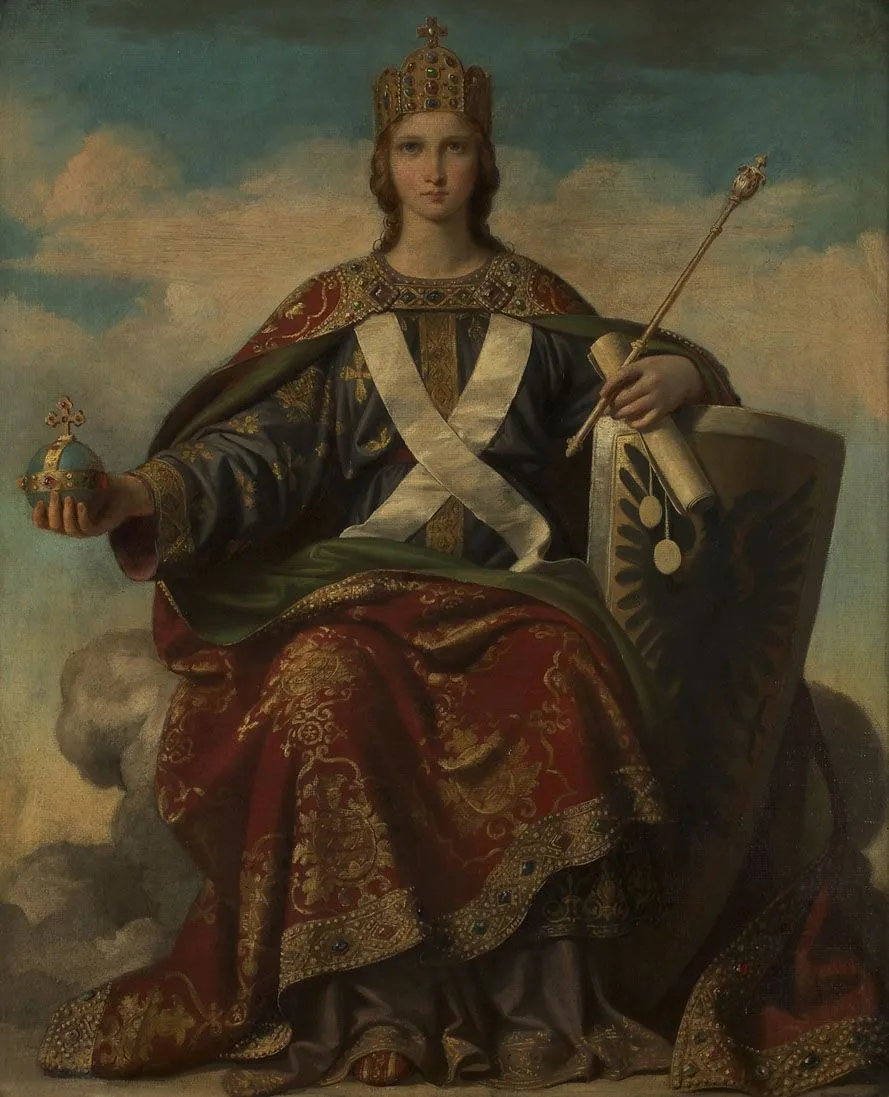
Allegory of Power is an oil painting by the Biedermeier artist Karl von Blaas. It dates from 1859 and is held in the collection of the Kunsthistorisches Museum.
About this work
Overview
Created in 1859 by Austrian artist Karl von Blaas, *Allegory of Power* is an oil painting that exemplifies the Biedermeier aesthetic. The work is part of the permanent collection of Vienna’s Kunsthistorisches Museum and depicts a symbolic representation of authority.
Subject & Meaning
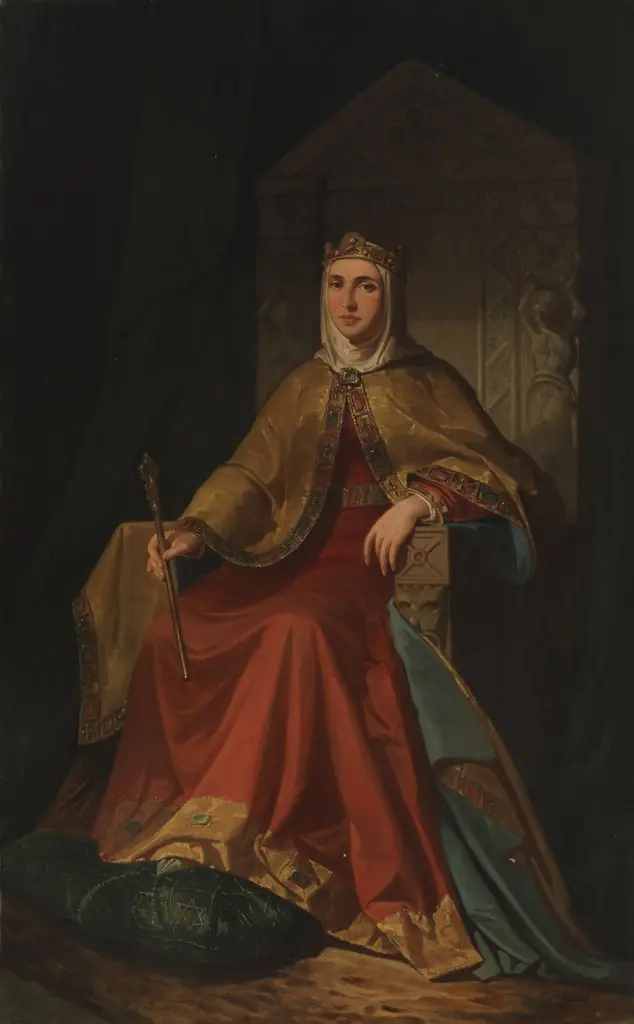
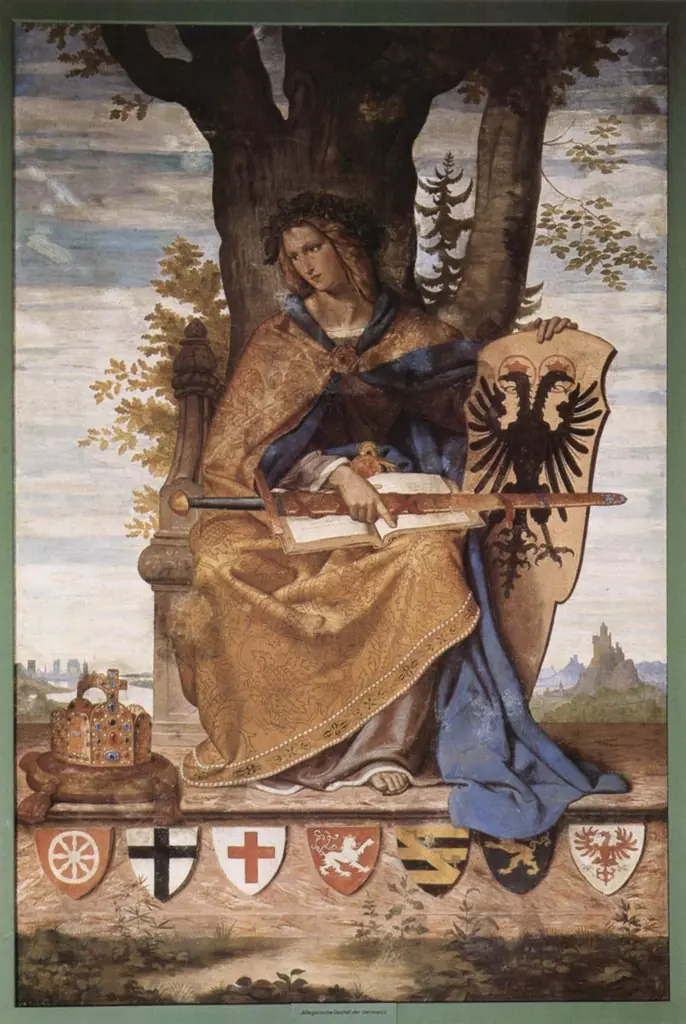
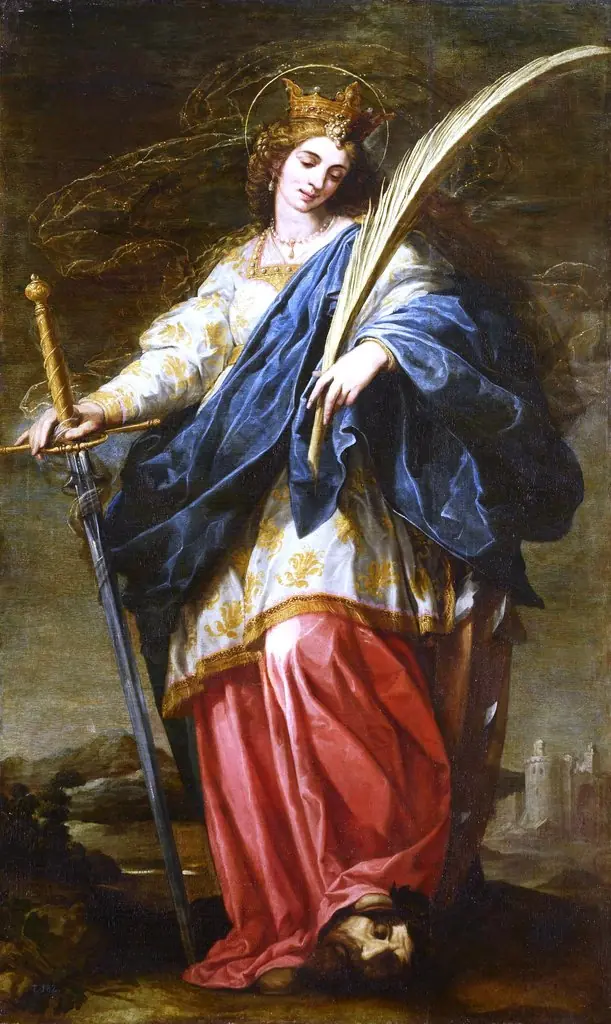
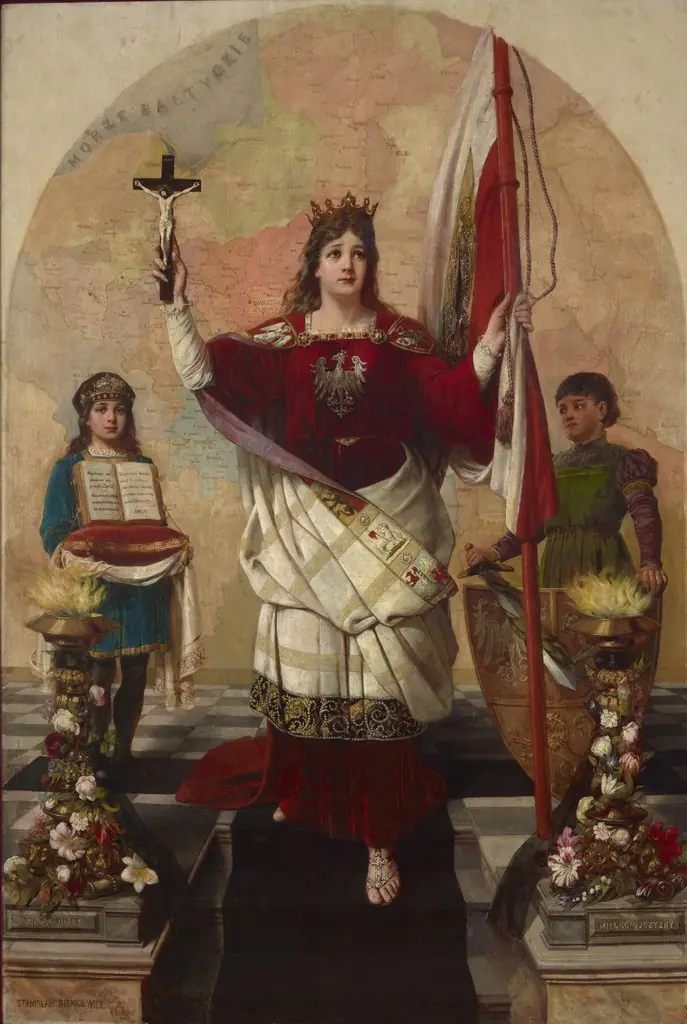
The composition centers on a regal woman seated upon a cloud, clad in a deep red robe edged with gold and crowned with a jeweled diadem. She holds a golden orb topped by a cross in one hand, while the other rests on a scepter and a shield emblazoned with coins, conveying a visual narrative of sovereign power and wealth.
Technique & Style
Executed in oil on canvas, the painting employs a restrained yet vivid palette of red, gold, and blue. Blaas renders the figure with smooth brushwork and careful modeling, while the ethereal sky and fluffy clouds provide a soft atmospheric backdrop characteristic of Biedermeier clarity and detail.
History & Provenance
Since its completion, the canvas has remained in Austrian hands, ultimately entering the Kunsthistorisches Museum’s collection, where it is displayed among other 19th‑century works that illustrate the period’s cultural and artistic currents.
Context
Blaas, known primarily for portraiture and religious frescoes, applied his academic training to an allegorical theme that resonated with mid‑19th‑century interests in moralizing imagery. The painting reflects contemporary notions of governance and divine right, aligning with the Biedermeier focus on order and domestic virtue.
Artist & collection
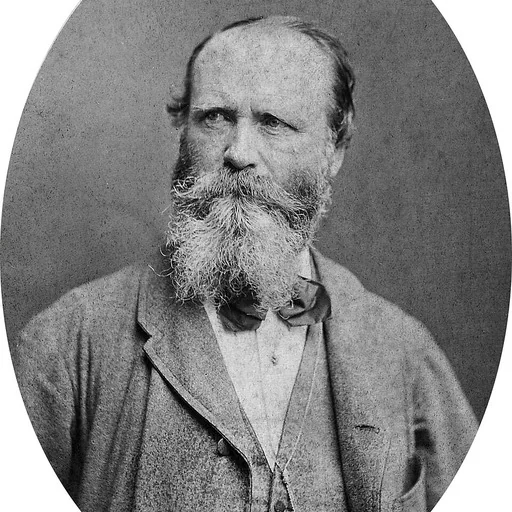
Artist
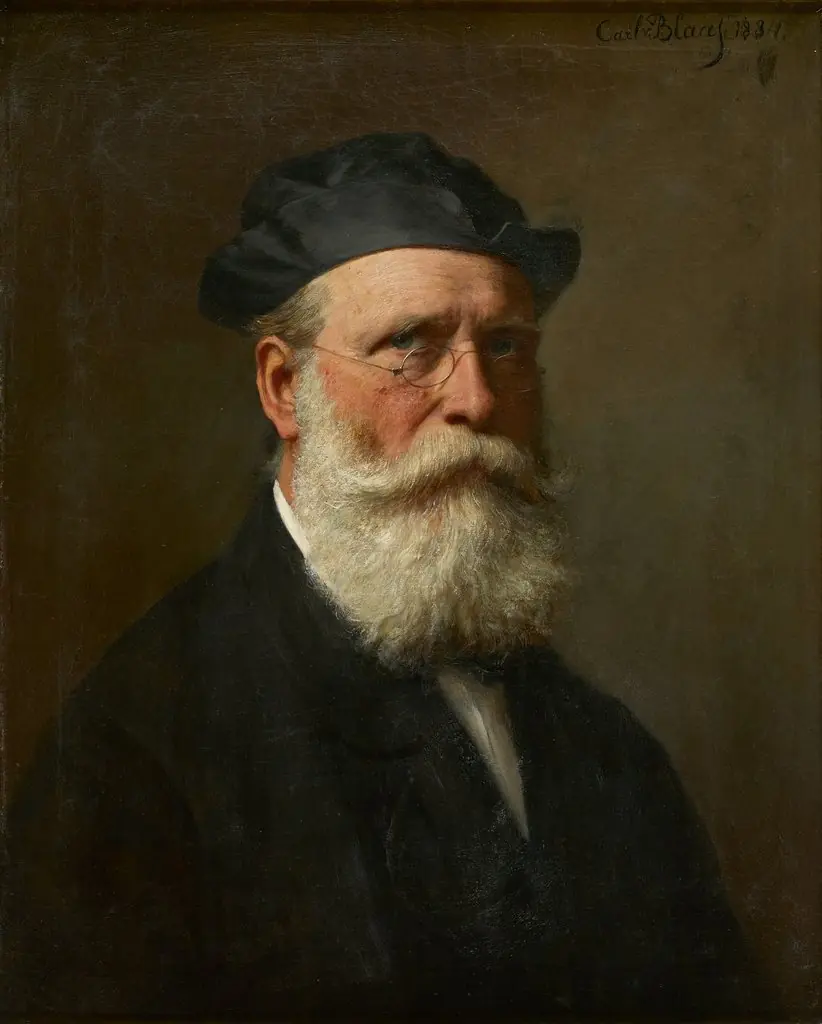
Karl von Blaas (28 April 1815 – 19 March 1894) was an Austrian painter known for his portraits and religious compositions executed on canvas as well as in the form of frescoes.