Artwork
Allegory of Self-Control (Moderation)
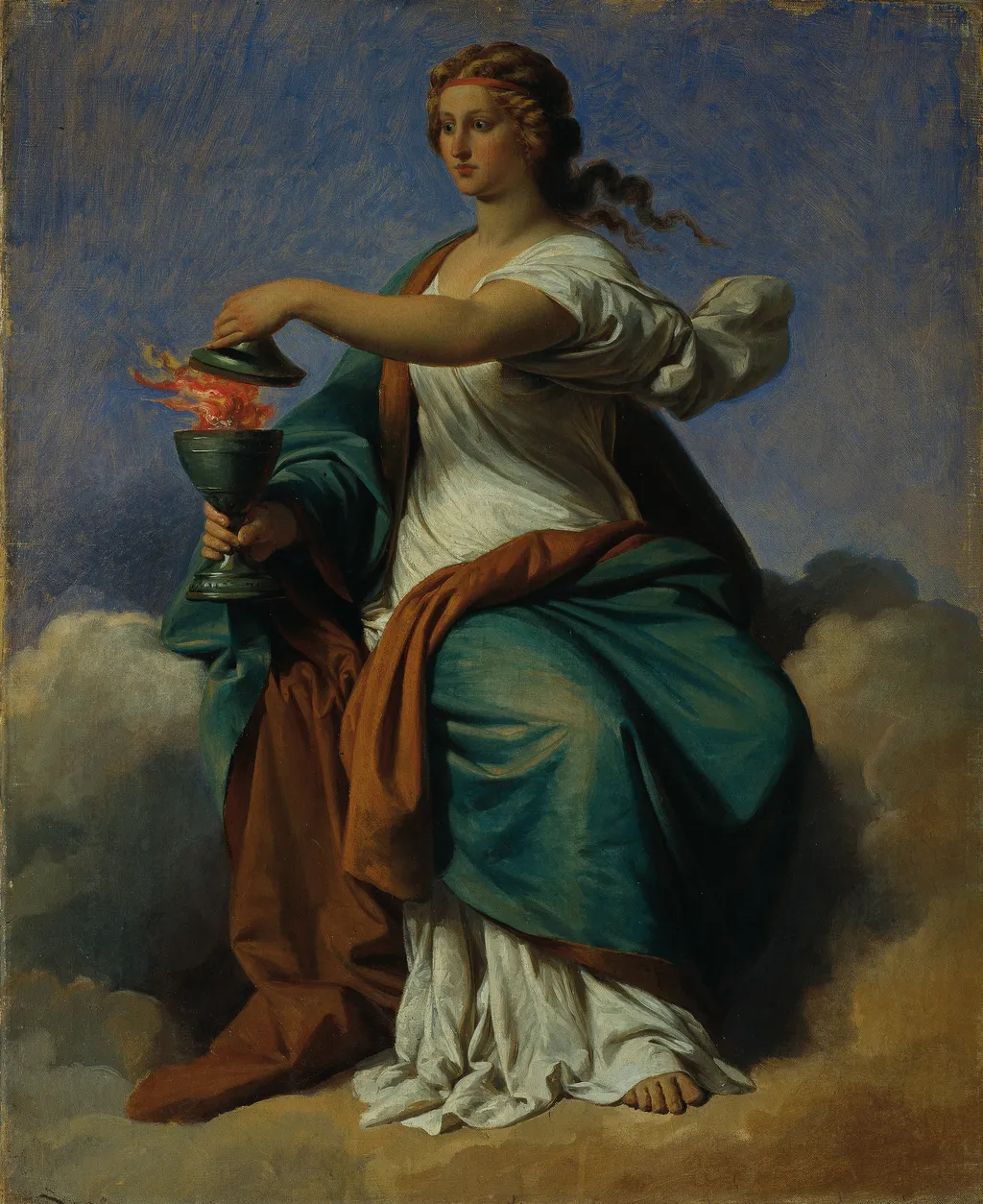
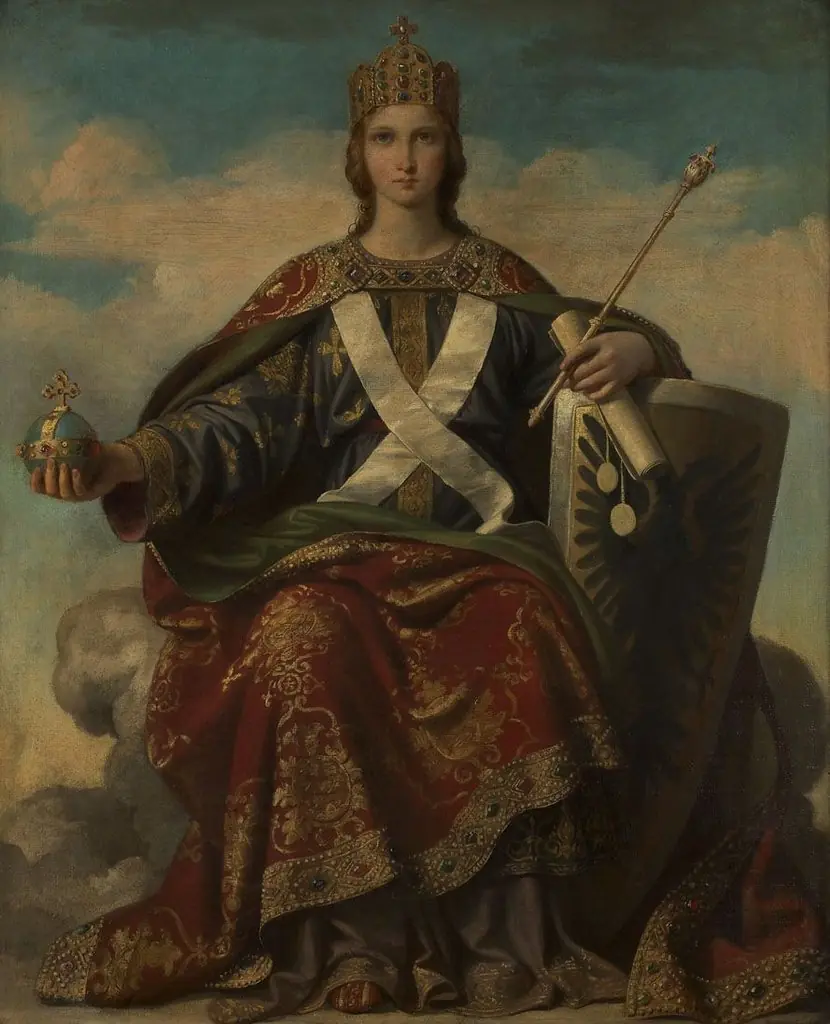
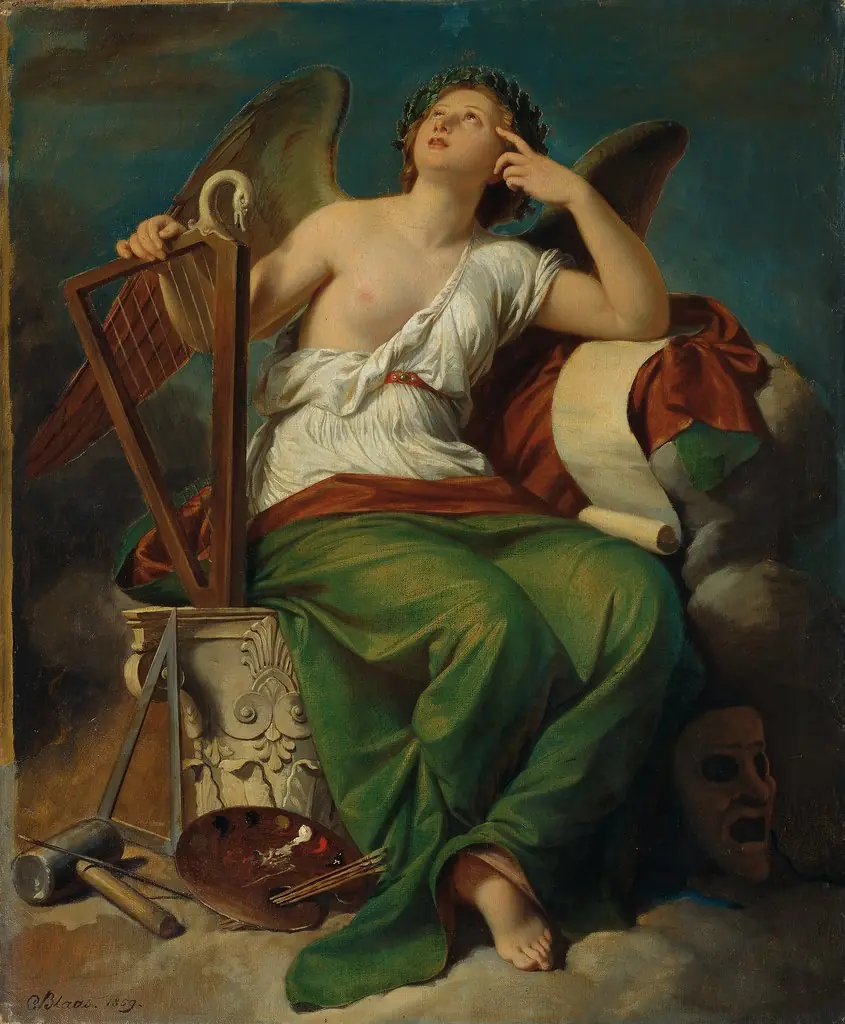
Allegory of Self-Control (Moderation) is an oil painting by the Biedermeier artist Karl von Blaas. It dates from 1859 and is held in the collection of the Kunsthistorisches Museum.
About this work
Overview
Allegory of Self-Control (Moderation) is an 1859 oil painting by Austrian artist Karl von Blaas, associated with the Biedermeier movement. The work is part of the Kunsthistorisches Museum's collection.
Subject & Meaning
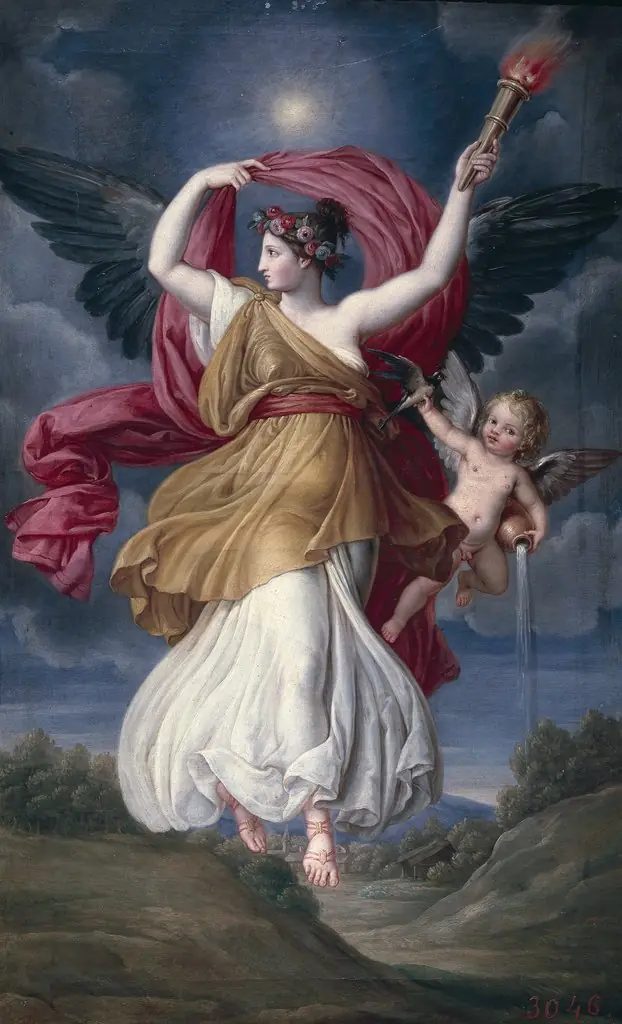
The painting depicts a serene woman embodying self-control, symbolized by her calm demeanor and protective posture over a cup with flickering flames. Her attire—a white dress, blue-green cloak, and red sash—contributes to the allegorical representation of moderation.
Technique & Style
Von Blaas employs chiaroscuro, juxtaposing the bright, fiery glow of the cup's flames with muted tones in the subject's clothing and the dark, cloudy background, emphasizing the woman as the central focus.
History & Provenance
Created in 1859, the painting is now held in the collection of Vienna's Kunsthistorisches Museum, reflecting von Blaas's contribution to Austrian art of the period.
Context
As a Biedermeier piece, the work aligns with the movement's emphasis on middle-class values and introspective themes, though its allegorical subject adds a layer of universal moral reflection.
Legacy
While specific lasting impacts of *Allegory of Self-Control* on broader art historical movements are not prominently documented, it remains a characteristic example of von Blaas's style and the Biedermeier aesthetic.
Own this work as a print
Artist & collection
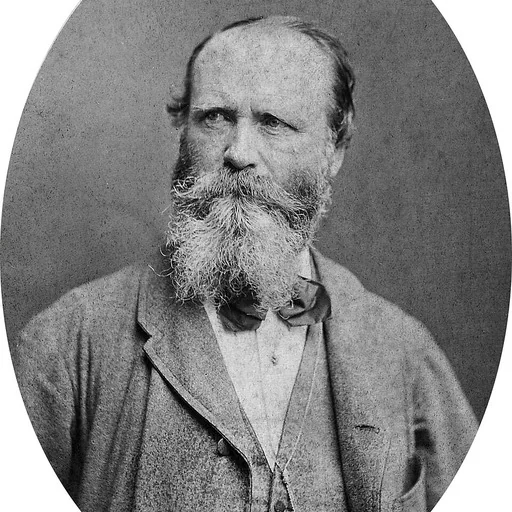
Artist
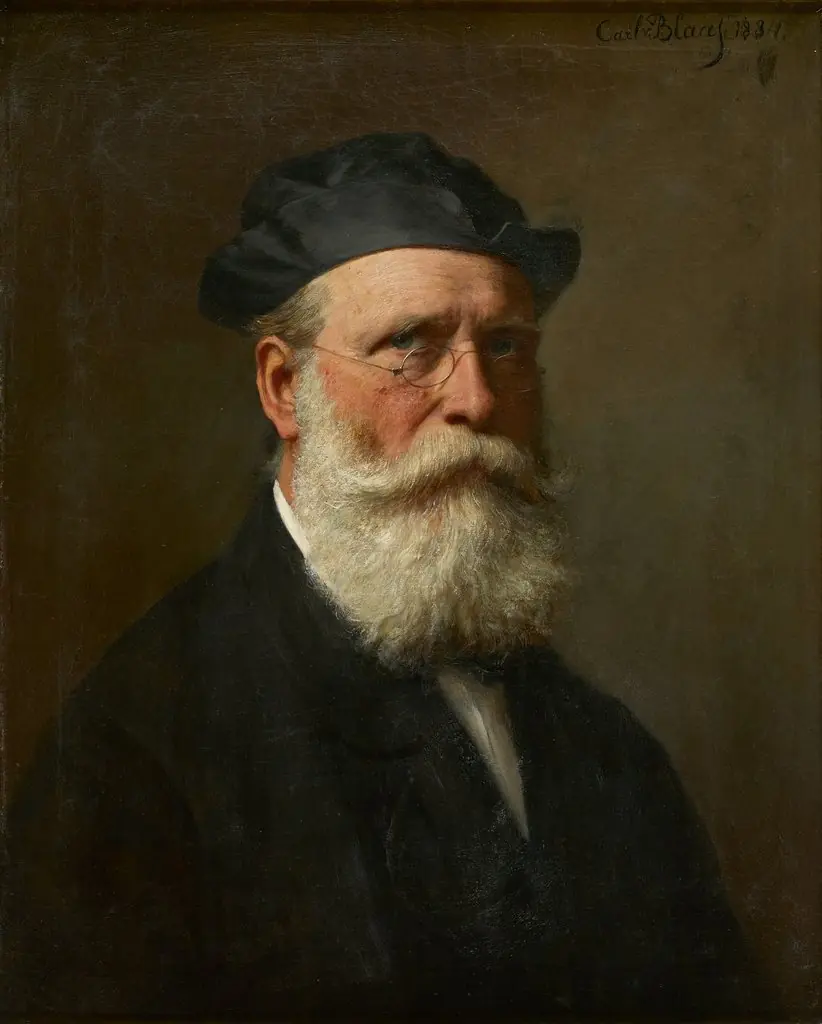
Karl von Blaas (28 April 1815 – 19 March 1894) was an Austrian painter known for his portraits and religious compositions executed on canvas as well as in the form of frescoes.