Artwork
Entry of Emperor Franz I (II) of Austria into Vienna in 1814
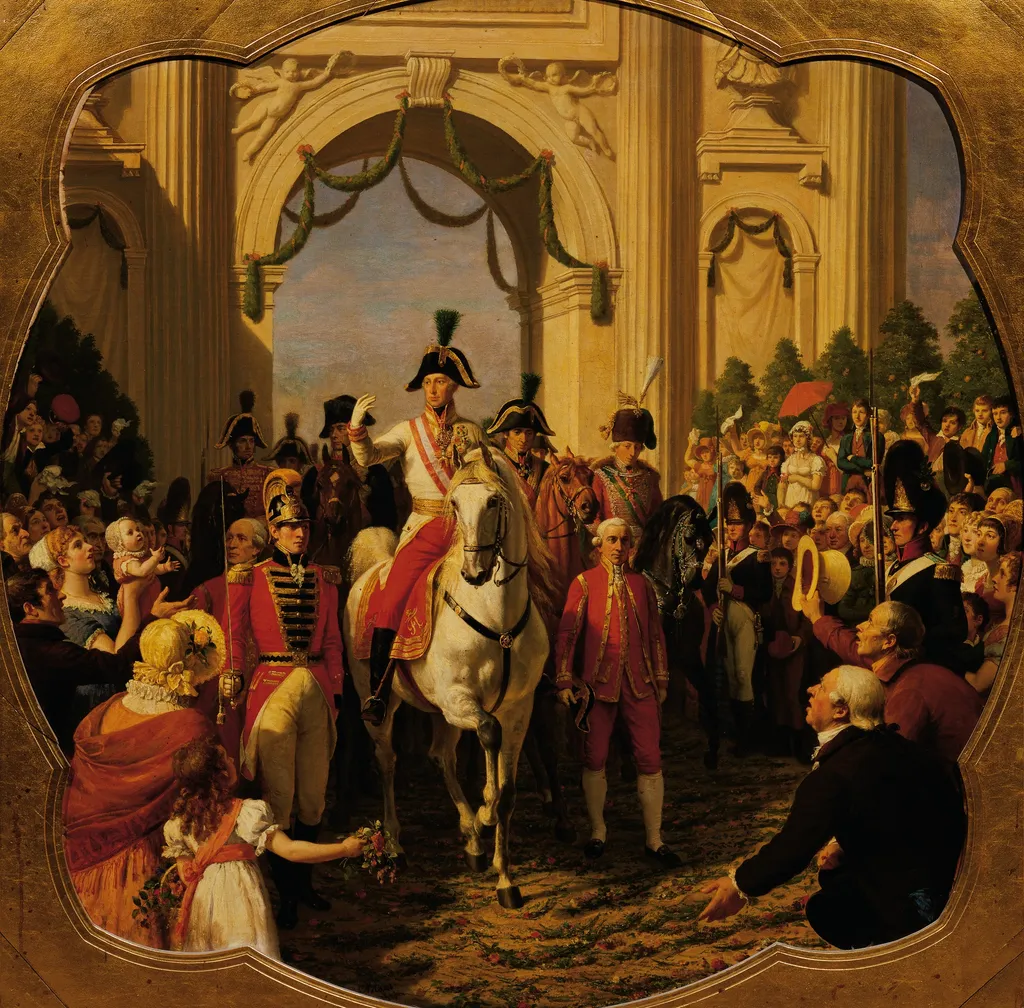
Entry of Emperor Franz I (II) of Austria into Vienna in 1814 is an oil painting by the Biedermeier artist Karl von Blaas. It dates from 1869 and is held in the collection of the Kunsthistorisches Museum.
About this work
The painting is titled Entry of Emperor Franz I (II) of Austria into Vienna in 1814.
It was created by Karl von Blaas in 1869. This painting is interesting because it depicts a historical event, but with a surprising element - George Washington is detected in the image, which is unusual given the event's context.
To learn more about the artist's style and other works, look up Karl von Blaas.
Overview
Karl von Blaas completed the oil canvas Entry of Emperor Franz I (II) of Austria into Vienna in 1814 in 1869. The work records the imperial procession that marked the end of the Napoleonic wars, portraying the emperor’s triumphant arrival in the Austrian capital. It belongs to the Biedermeier period and is presently displayed in Vienna’s Kunsthistorisches Museum.
Subject & Meaning
The painting visualizes the historic moment when Emperor Franz I (II) entered Vienna after the defeat of Napoleon, symbolizing the restoration of Habsburg authority. By concentrating on the ceremonial aspects—crowds, banners, and the emperor’s entourage—the work emphasizes civic pride and the re‑establishment of order in post‑war Austria.
Technique & Style
Executed in oil on canvas, von Blaas employs a clear, polished finish typical of Biedermeier realism. The composition balances detailed figuration with a restrained palette, allowing the central figure of the emperor to stand out against a bustling urban backdrop. Careful modeling of light and shadow gives the scene a dignified, almost documentary quality.
History & Provenance
Created in 1869, the painting entered the collection of the Kunsthistorisches Museum, where it remains part of the museum’s holdings of 19th‑century Austrian art. Its acquisition reflects the institution’s aim to preserve visual records of significant national events and to showcase the work of prominent Austrian painters such as von Blaas.
Context
The work was produced during a period of renewed Austrian nationalism following the Congress of Vienna. Within the Biedermeier aesthetic, artists often turned to historical subjects that reinforced collective identity. Von Blaas’s depiction aligns with contemporary efforts to commemorate the Habsburg dynasty’s resilience after the upheavals of the early 19th century.
Artist & collection
Artist
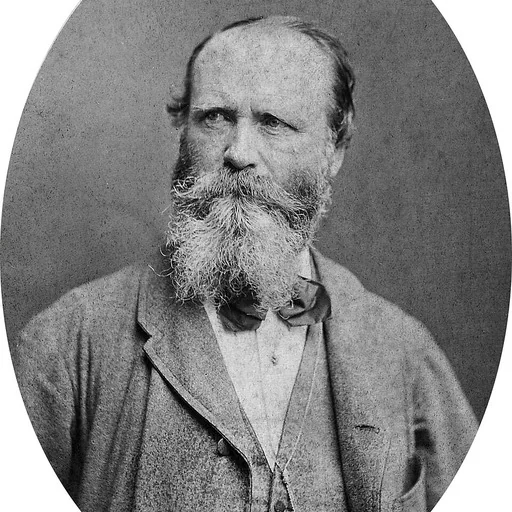
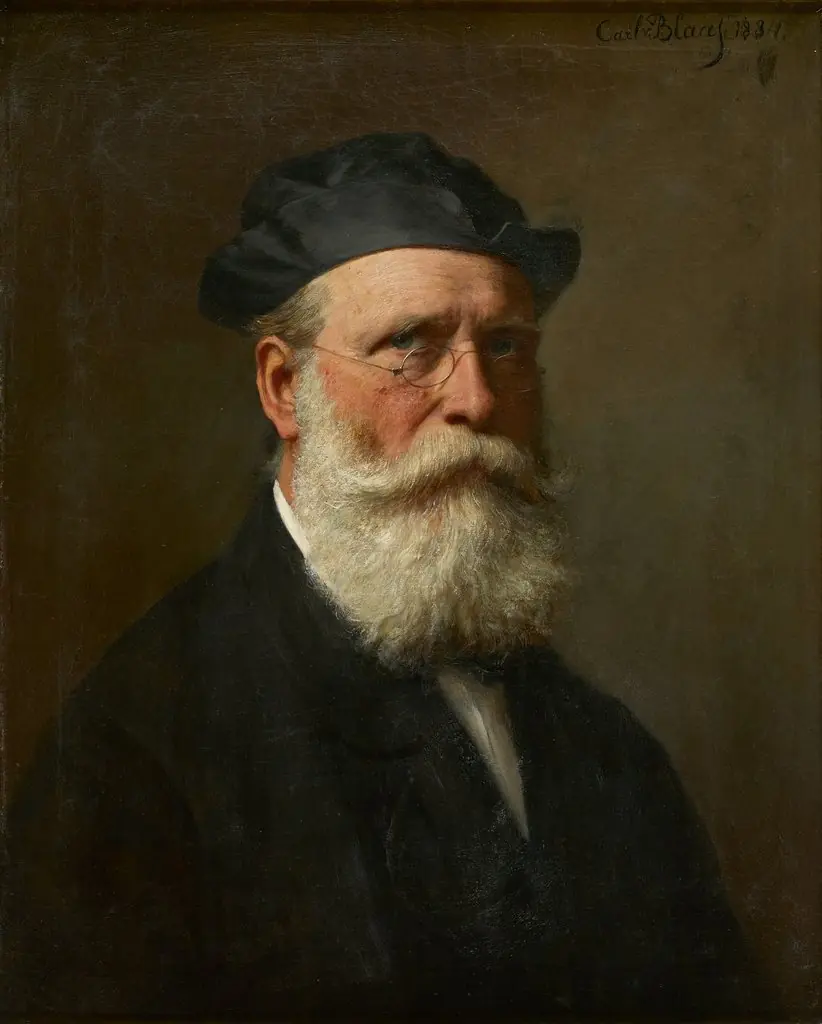
Karl von Blaas (28 April 1815 – 19 March 1894) was an Austrian painter known for his portraits and religious compositions executed on canvas as well as in the form of frescoes.

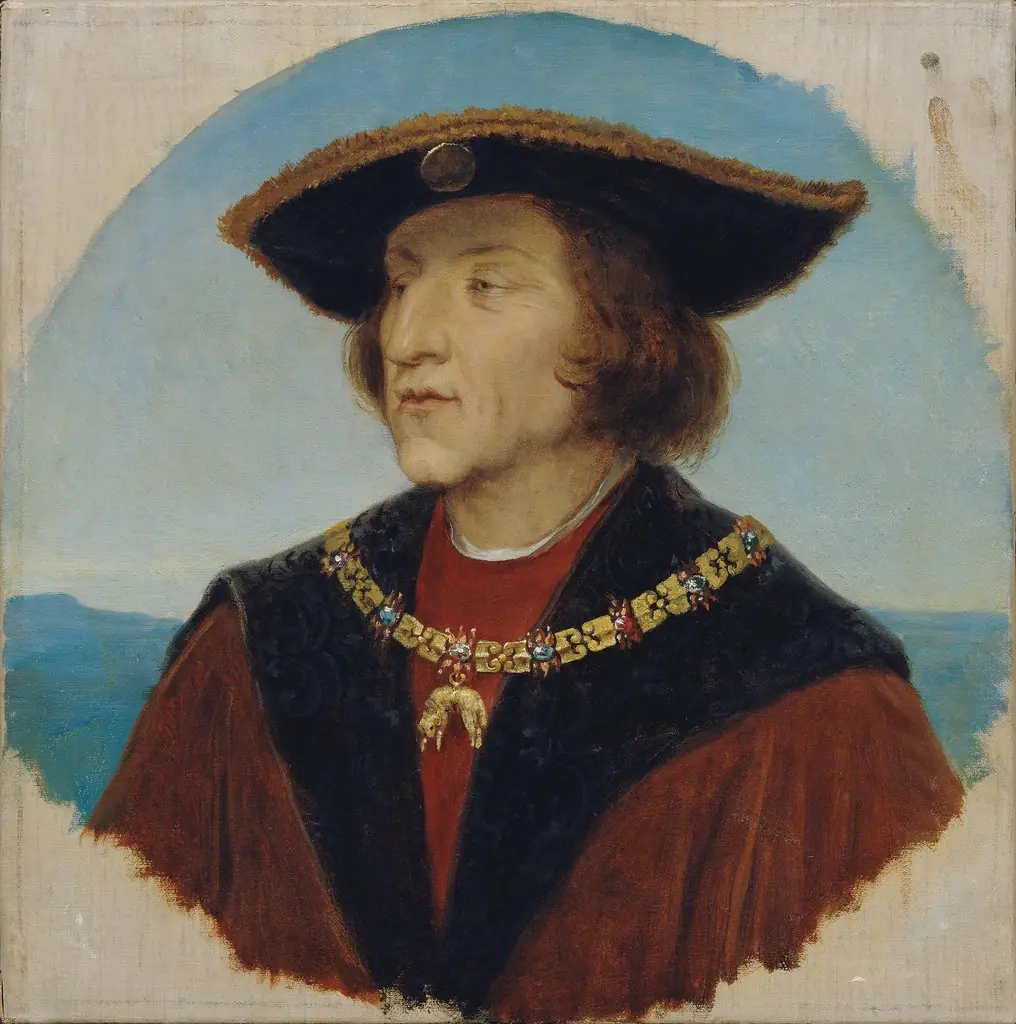
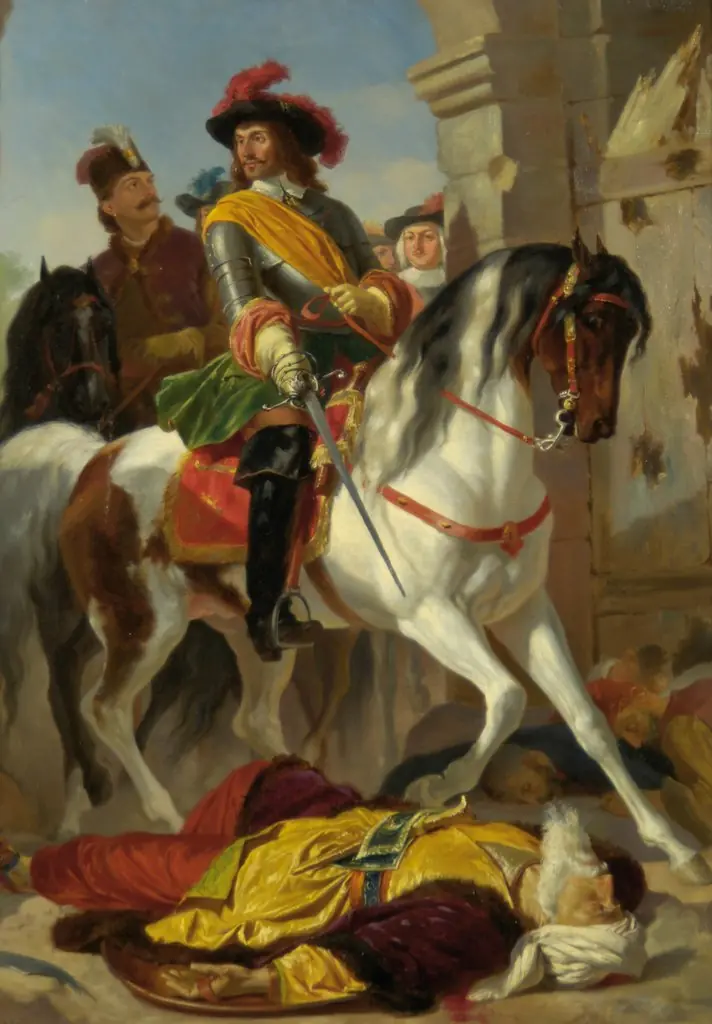
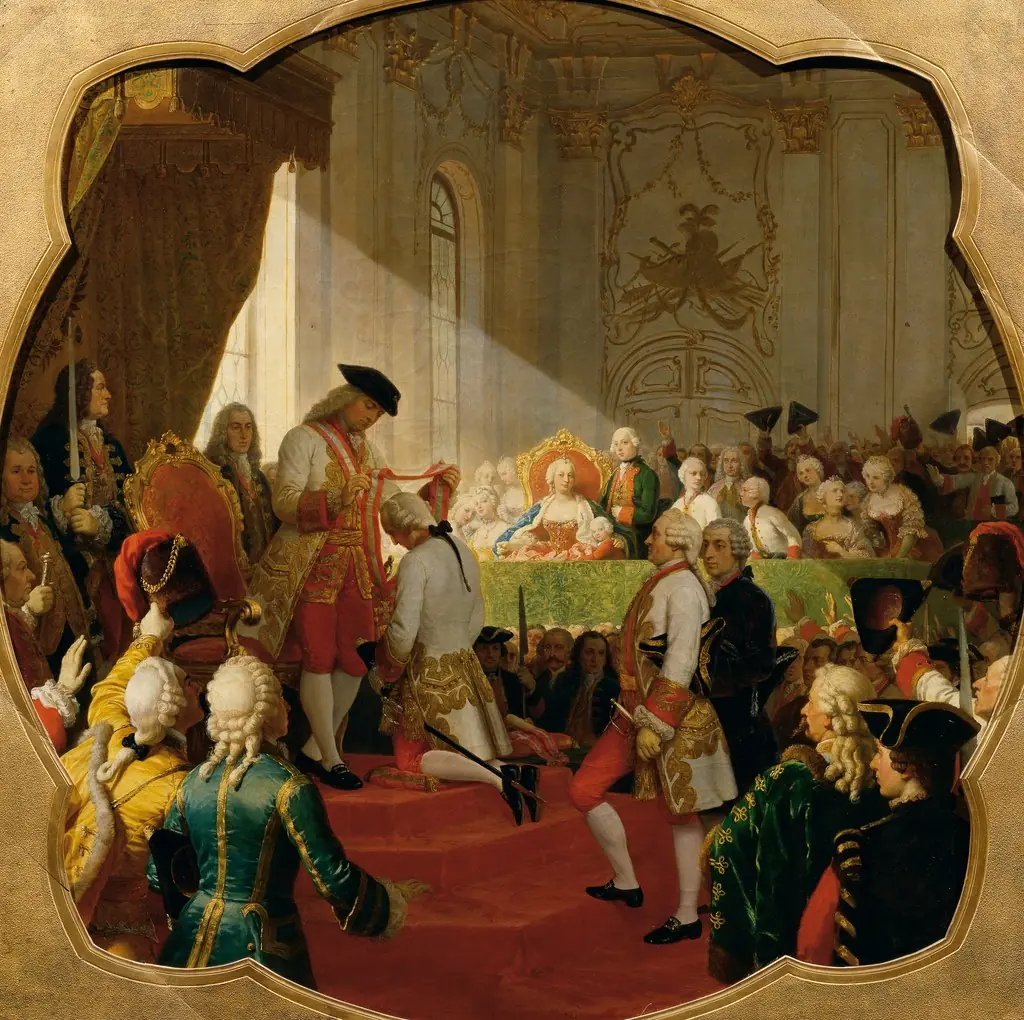 First promotion to the Military Maria Theresa Order in 1758
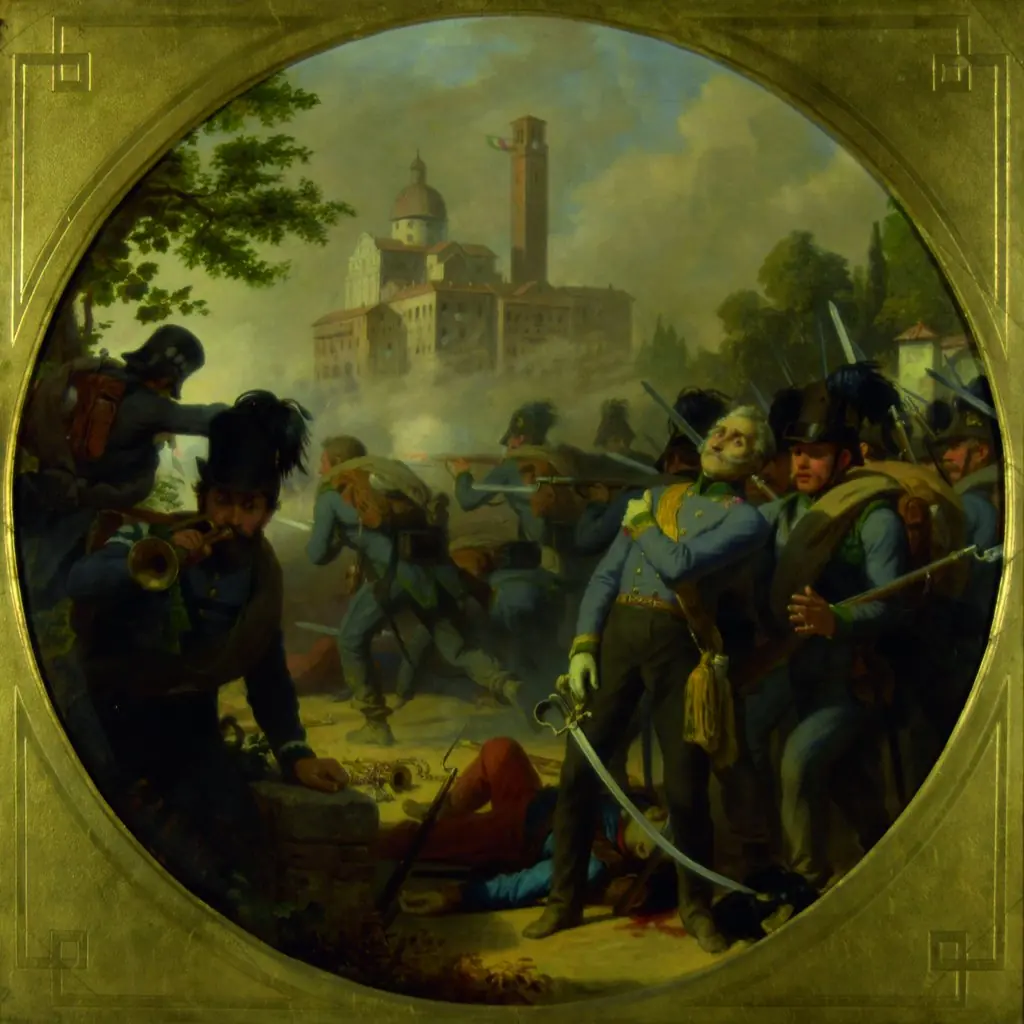 The capture of Vicenza in 1848
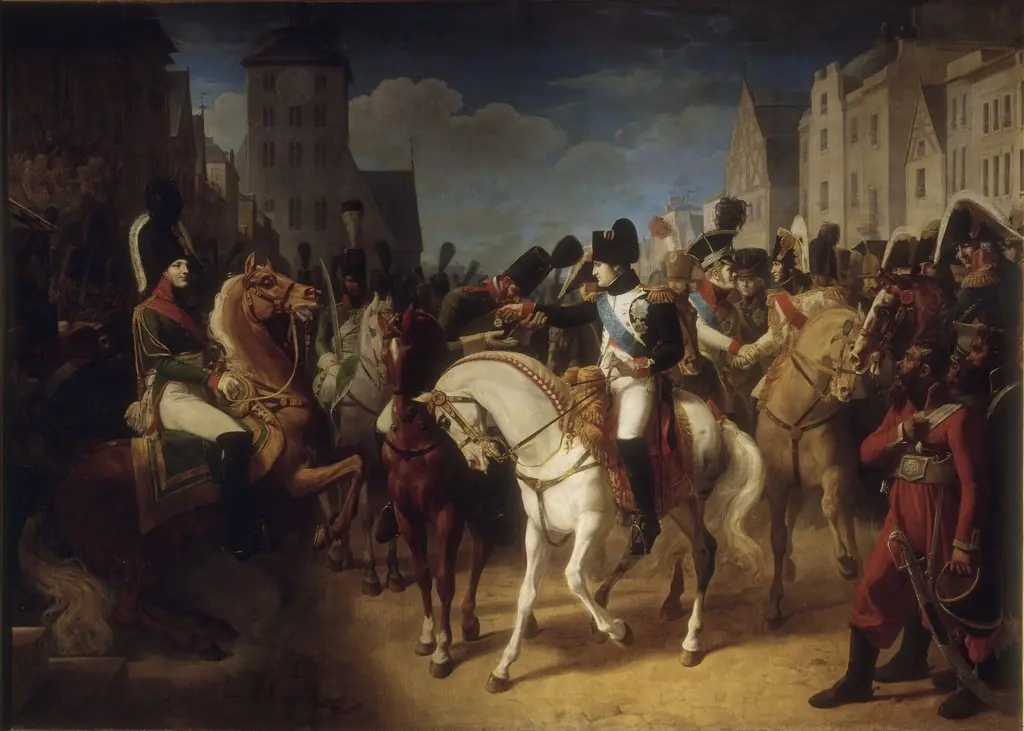 Napoleon I decorated a soldier of the Russian army in Tilsitt with the cross of the Legion of Honor
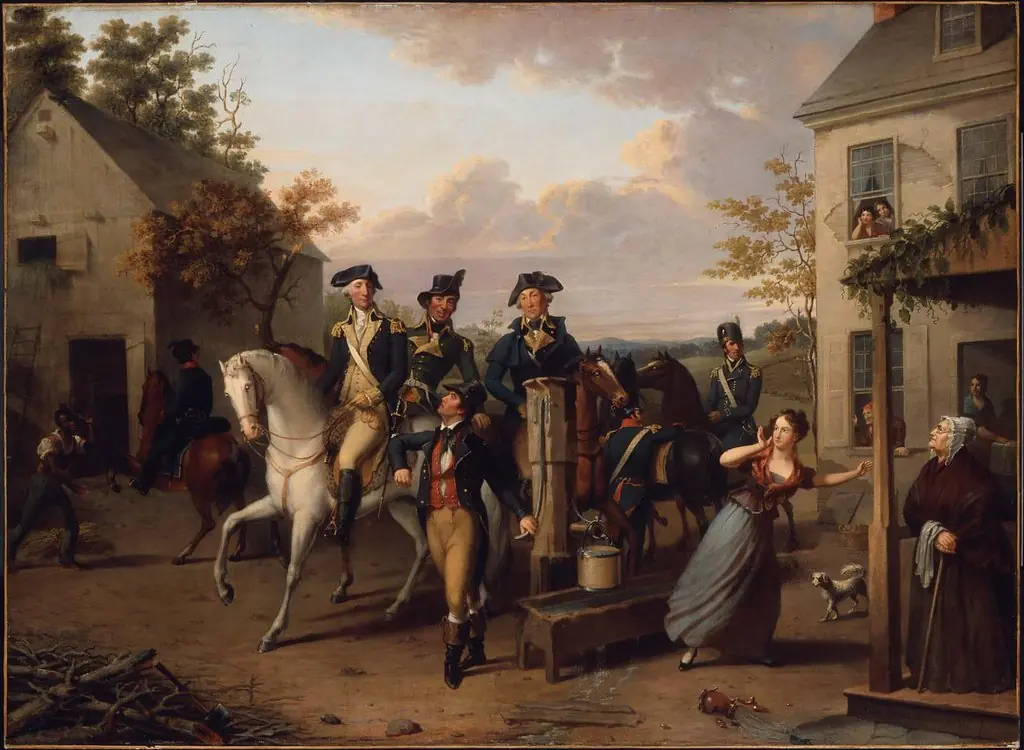 An Incident of the Revolution
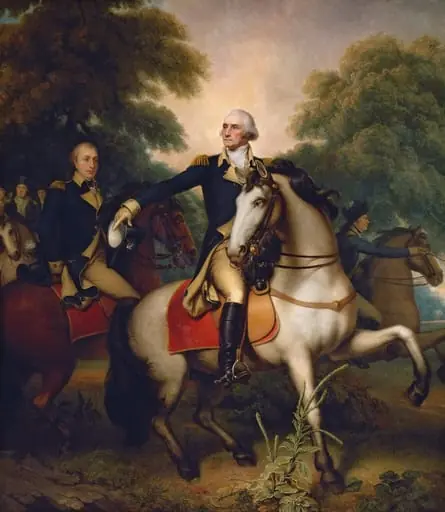 Washington before Yorktown
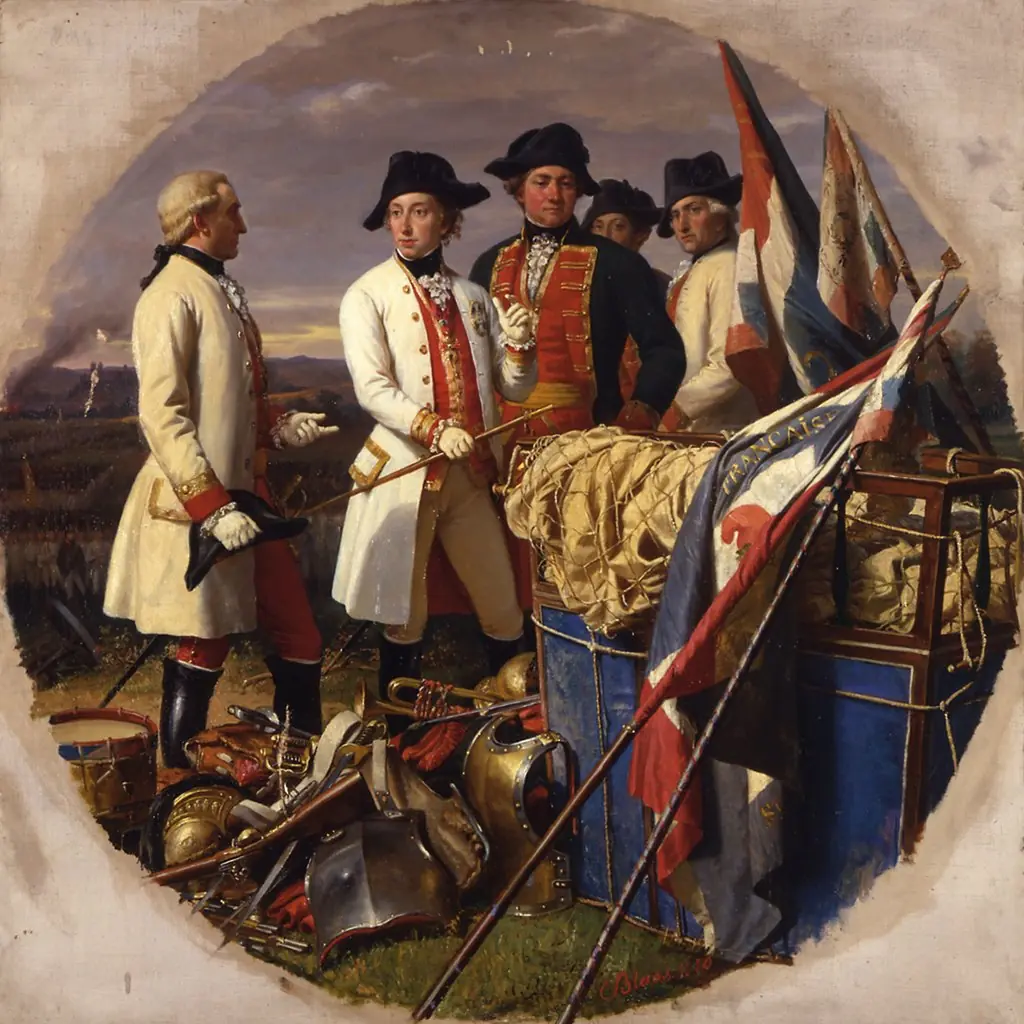 The Battle of Würzburg in 1796
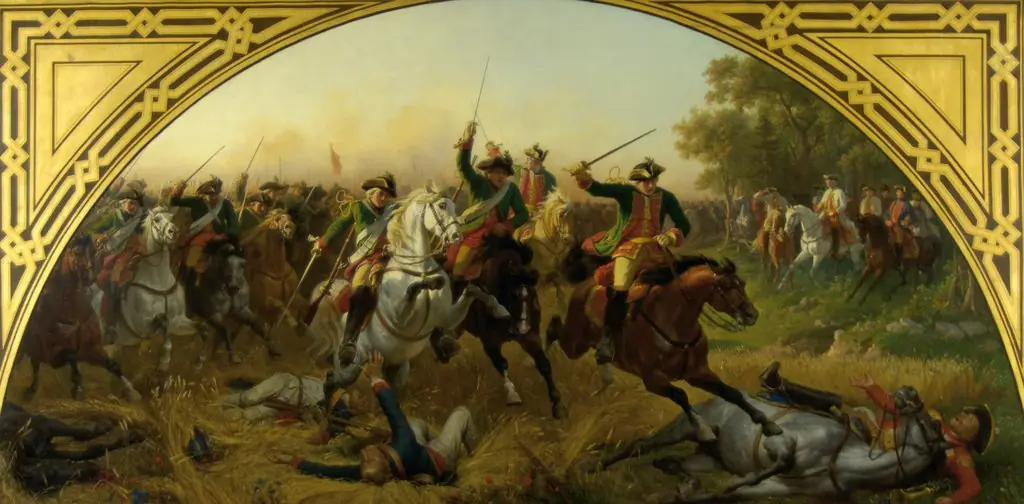 The Battle of Kolin 1757
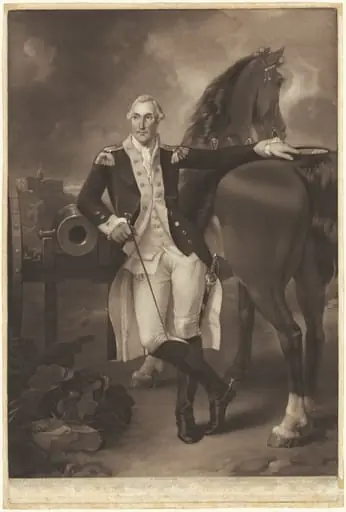 George Washington
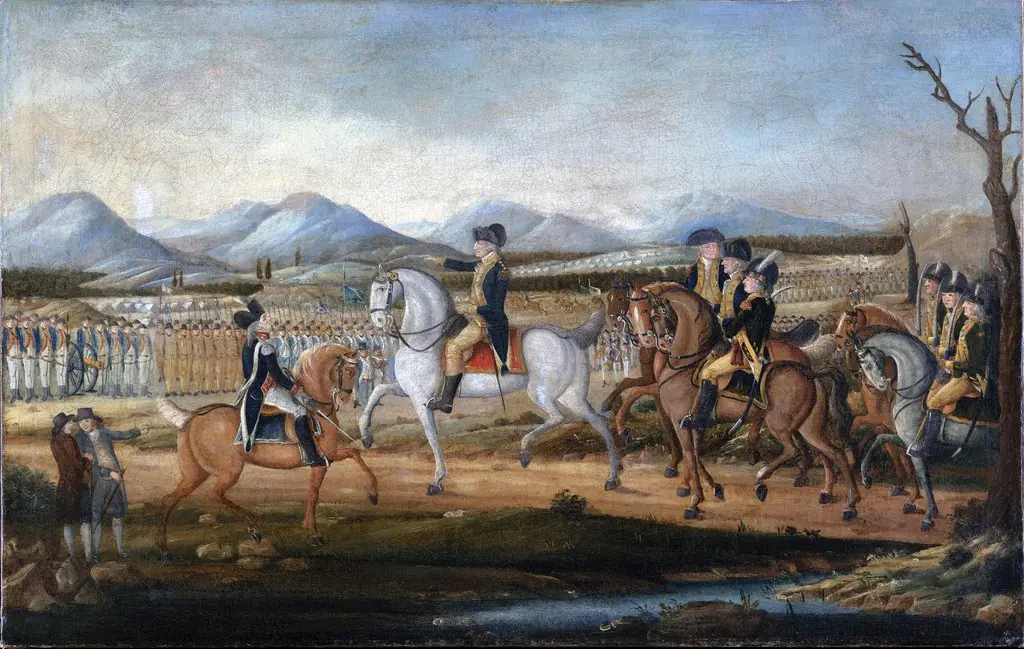 The Whiskey Rebellion
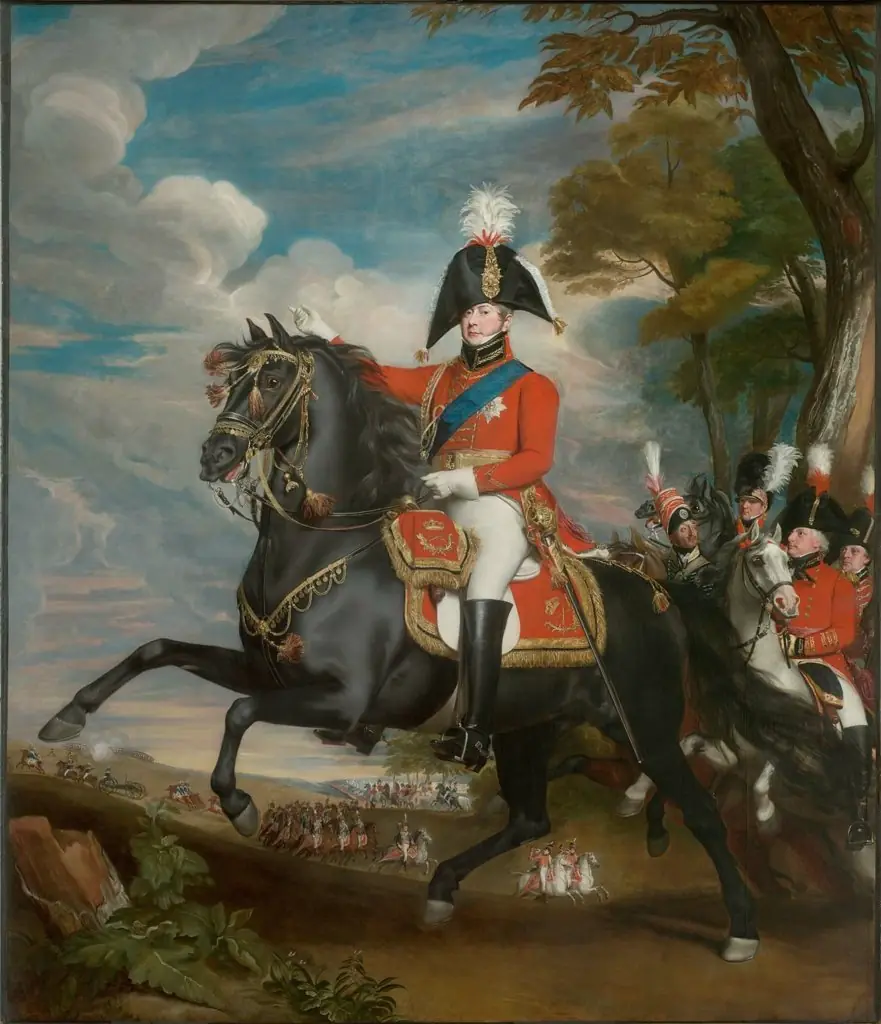 Portrait of H. R. H. the Prince of Wales at a Review, Attended by Lord Heathfield, General Turner, Col. Bloomfield, and Baron Eben; Col. Quinton in the Distance
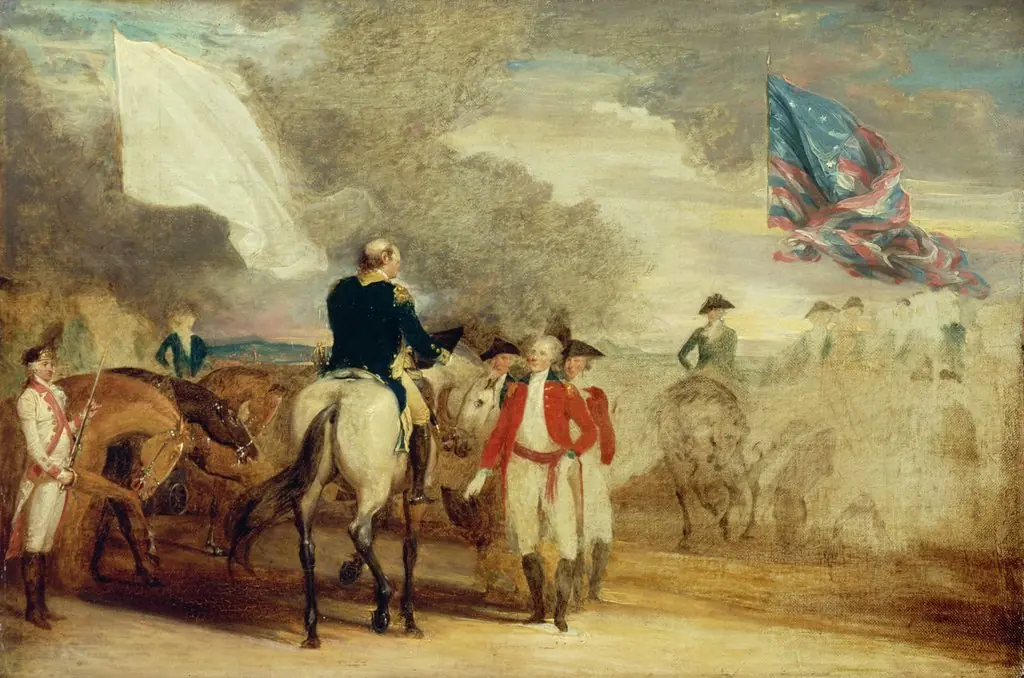 Surrender of Cornwallis at Yorktown
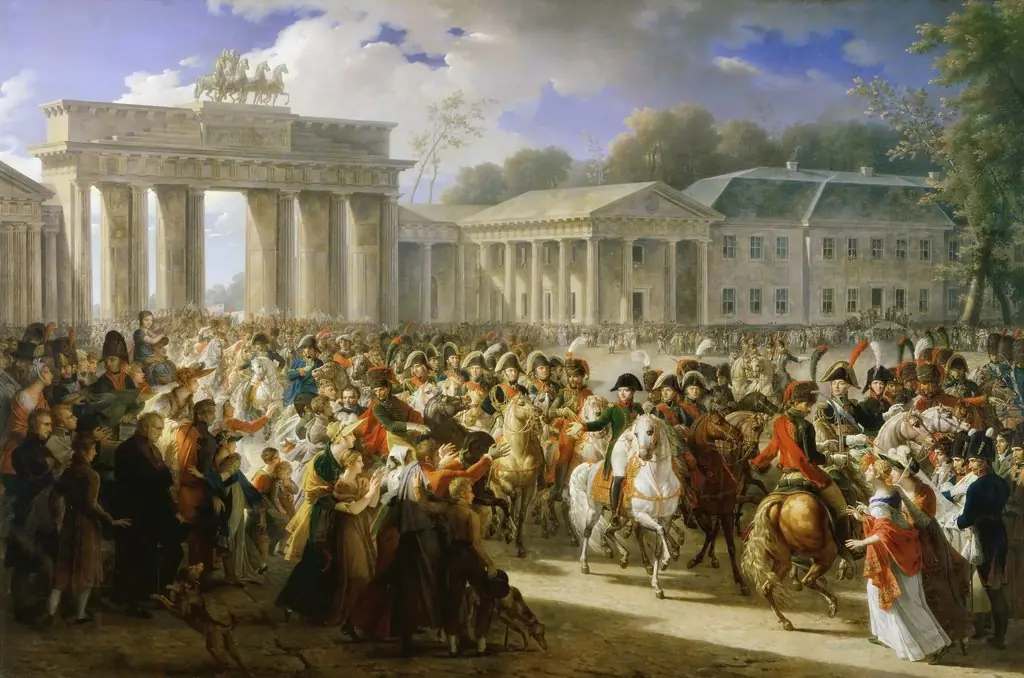 Entry of Napoleon I into Berlin, 27th October 1806