Artwork
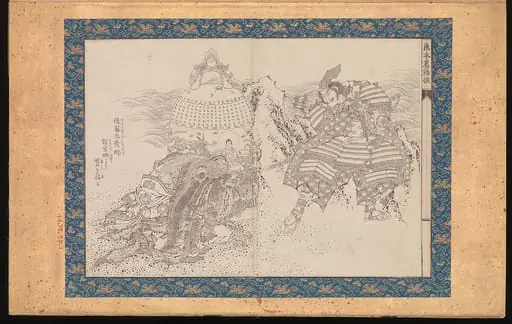
百人一首 うばがゑとき 大納言経信|Poem by Dainagon Tsunenobu (Minamoto no Tsunenobu, Katsura no Dainagon), from the series One Hundred Poems Explained by the Nurse (Hyakunin isshu uba ga etoki)
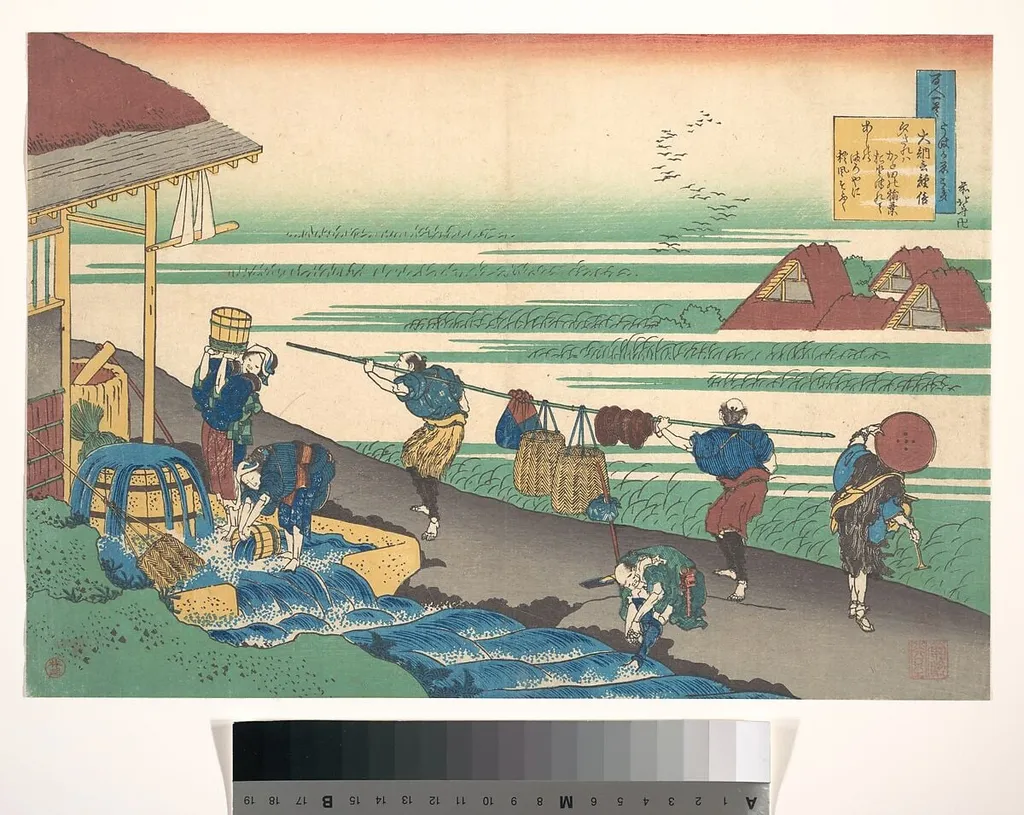
百人一首 うばがゑとき 大納言経信|Poem by Dainagon Tsunenobu (Minamoto no Tsunenobu, Katsura no Dainagon), from the series One Hundred Poems Explained by the Nurse (Hyakunin isshu uba ga etoki) is an ink print by the Japonisme artist Katsushika Hokusai. It dates from 1839 and is held in the collection of the Metropolitan Museum of Art.
About this work
This painting shows a group of people in traditional Japanese clothing, carrying various items like baskets and tools.
This painting shows a group of people in traditional Japanese clothing, carrying various items like baskets and tools. They are walking along a path near a body of water, with a few buildings visible in the background. The scene is depicted in a mix of colors, including blues, greens, and browns.
In the foreground, one person is shown washing something in the water, while others are walking or standing nearby. The painting has a sense of movement and activity, with the people engaged in their daily tasks.
The painting is a woodblock print by Katsushika Hokusai, created in 1839. It is part of the Romanticism movement and is held at The Metropolitan Museum of Art. To learn more about the technique used in this painting, look up cross-hatching.
Overview
This woodblock print is one of a hundred illustrations from Katsushika Hokusai’s 1839 series, One Hundred Poems Explained by the Nurse. It visually interprets a classical waka poem attributed to Minamoto no Tsunenobu, a Heian-period nobleman. The print was produced using ink and color on paper, typical of ukiyo-e techniques. It is part of the Metropolitan Museum of Art’s collection and reflects Hokusai’s late-career interest in literary and cultural themes.
Subject & Meaning
The scene depicts a group of figures engaged in everyday activities near water, including washing and walking. These actions allude to the poem’s imagery of a woman gathering herbs by a stream, a metaphor for fleeting beauty and quiet devotion. The nurse, a recurring figure in the series, serves as a guide to the poem’s emotional core, linking the visual to its literary origin without literal illustration.
Technique & Style
Hokusai employed fine linework and layered color blocks to suggest texture and movement. The palette includes muted blues, greens, and earth tones, creating a calm, naturalistic atmosphere. Figures are rendered with subtle detail, their postures and gestures conveying quiet activity. The composition balances foreground action with distant buildings and water, using perspective to deepen spatial depth without Western realism.
History & Provenance
Created in 1839, the print was part of a commercially published series intended for a broad audience, blending poetry with accessible imagery. The series was printed during Hokusai’s later years, after his fame from Thirty-Six Views of Mount Fuji. The Metropolitan Museum of Art acquired the print as part of its broader collection of Japanese prints, preserving its role in 19th-century popular culture.
Context
The Hyakunin isshu anthology, compiled in the 13th century, was a staple of Japanese literary education. Hokusai’s series reimagined each poem as a genre scene, making classical poetry tangible for common viewers. This approach reflected a broader Edo-period trend of reviving courtly culture through popular media, bridging aristocratic tradition with urban artistic expression.
Legacy
Hokusai’s series helped sustain interest in classical poetry during a time of social change. Though not as widely recognized as his landscapes, these prints demonstrate his versatility and deep engagement with Japan’s literary heritage. The series remains a key example of how visual art could mediate cultural memory, influencing later illustrators and collectors of ukiyo-e.
Artist & collection

Artist
Katsushika Hokusai spent his life in Edo, now Tokyo, where he drew and carved prints for a living.

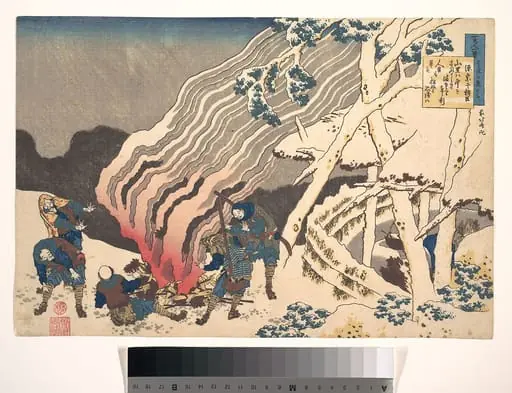 百人一首 うはかゑとき 源宗于朝臣|Poem by Minamoto no Muneyuki Ason, from the series One Hundred poems Explained by the Nurse (Hyakunin isshu uba ga etoki)
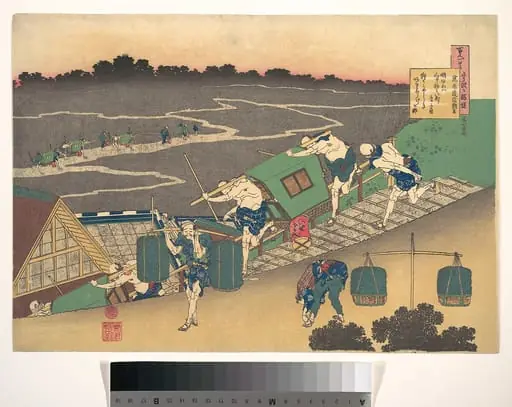 百人一首 宇波か縁説 藤原道信朝臣|Poem by Fujiwara no Michinobu Ason, from the series One Hundred Poems Explained by the Nurse (Hyakunin isshu uba ga etoki)
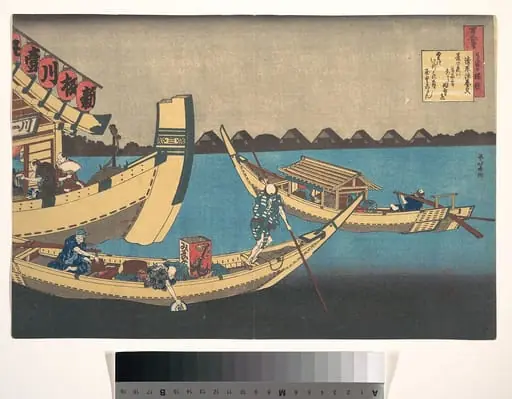 百人一首 うはか縁説 清原深養父|Poem by Kiyohara no Fukayabu, from the series One Hundred Poems Explained by the Nurse (Hyakunin isshu uba ga etoki)
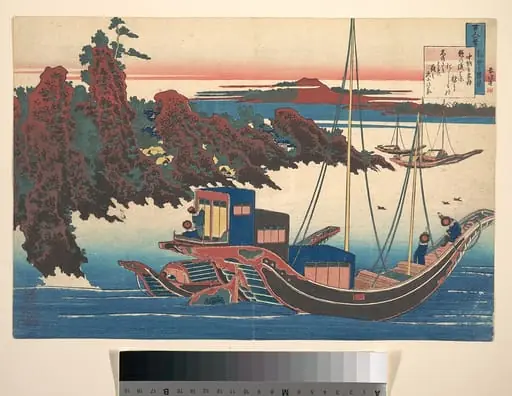 百人一首 乳母か縁説 中納言家持|Poem by Chūnagon Yakamochi (Ōtomo no Yakamochi), from the series One Hundred Poems Explained by the Nurse (Hyakunin isshu uba ga etoki)
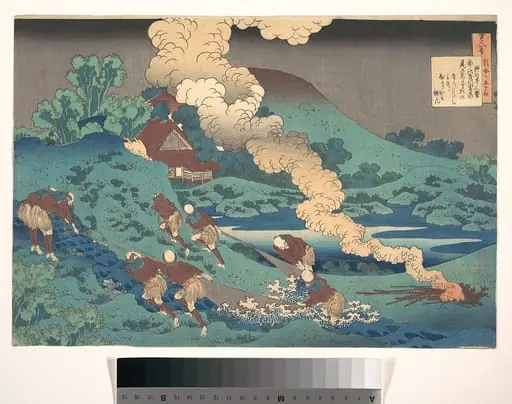 百人一首 乳母かゑとき 柿の本人麿|Poem by Kakinomoto Hitomaro, from the series One Hundred Poems Explained by the Nurse (Hyakunin isshu uba ga etoki)
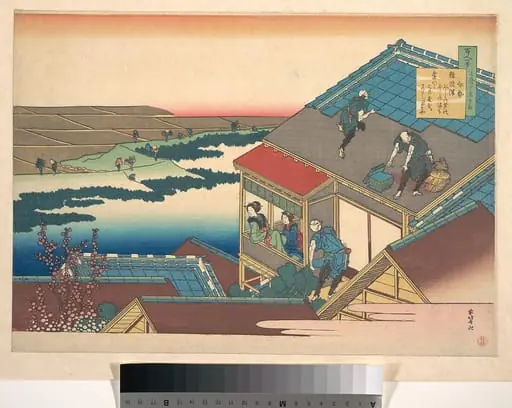 百人一首 うばがゑとき 伊勢|Poem by Ise, from the series One Hundred Poems Explained by the Nurse (Hyakunin isshu uba ga etoki)
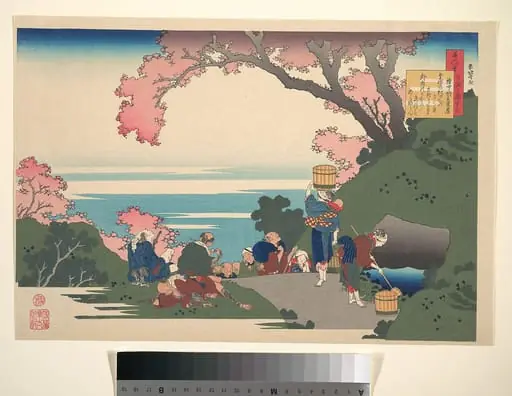 百人一首 うはかゑとき 権中納言匡房|Poem by Gon-chūnagon Masafusa (Ōe no Masafusa), from the series One Hundred Poems Explained by the Nurse (Hyakunin isshu uba ga etoki)
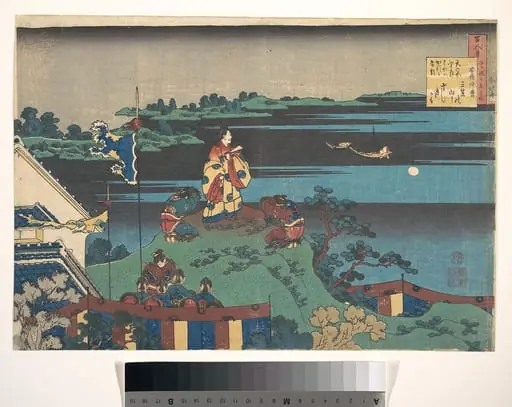 百人一首 宇波かゑとき 安部仲麿|Poem by Abe no Nakamaro, from the series One Hundred Poems Explained by the Nurse (Hyakunin isshu uba ga etoki)
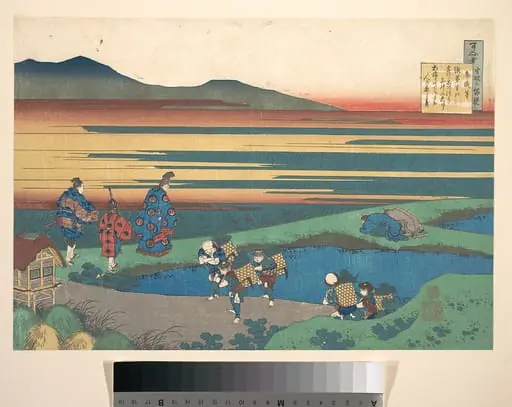 百人一首 宇波か縁説 参儀等|Poem by Sangi Hitoshi (Minamoto no Hitoshi), from the series One Hundred Poems Explained by the Nurse (Hyakunin isshu uba ga etoki)
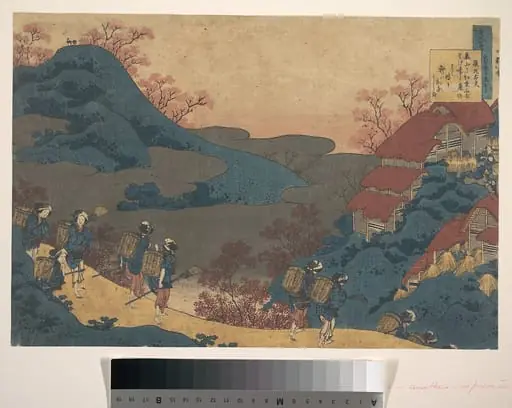 百人一首 乳母かゑとき 猿丸太夫|Poem by Sarumaru Dayū, from the series One Hundred Poems Explained by the Nurse (Hyakunin isshu uba ga etoki)