Artwork
百人一首 うはかゑとき 権中納言匡房|Poem by Gon-chūnagon Masafusa (Ōe no Masafusa), from the series One Hundred Poems Explained by the Nurse (Hyakunin isshu uba ga etoki)
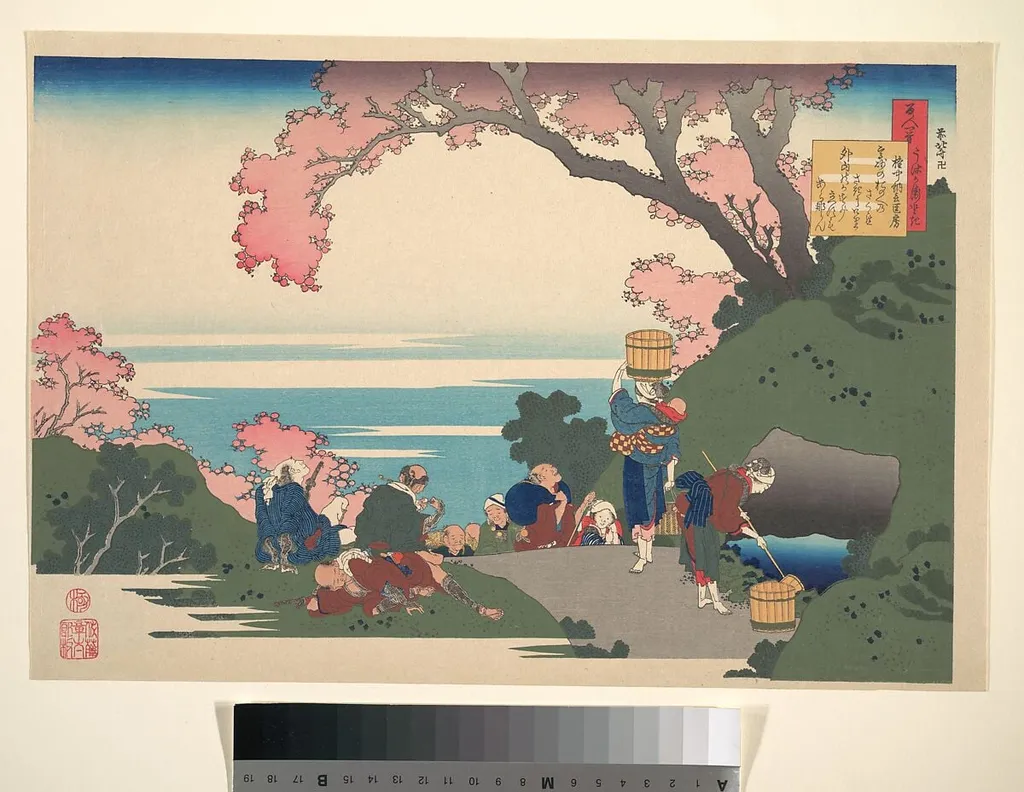
百人一首 うはかゑとき 権中納言匡房|Poem by Gon-chūnagon Masafusa (Ōe no Masafusa), from the series One Hundred Poems Explained by the Nurse (Hyakunin isshu uba ga etoki) is an ink print by the Japonisme artist Katsushika Hokusai. It is held in the collection of the Metropolitan Museum of Art. This woodblock print, part of the series illustrating the classic anthology of one hundred poems, depicts a tranquil riverside scene.
About this work
Overview
This woodblock print, part of the series illustrating the classic anthology of one hundred poems, depicts a tranquil riverside scene. Figures are gathered beneath blossoming trees, some seated on the grass, others standing, while a calm river reflects a soft blue sky. The composition balances human activity with natural beauty, conveying a moment of quiet contemplation.
Subject & Meaning
The image visualizes a poem by the court noble Ōe no Masafusa, celebrating the fleeting beauty of spring. The gathering of people—some holding fans, others carrying a bucket—suggests a communal appreciation of the blooming landscape, echoing the poem’s theme of transience and shared experience.
Technique & Style
Executed in traditional ukiyo‑e woodblock technique, the work employs flat areas of color and precise line work. Hokusai’s use of muted blues for sky and water contrasts with vivid pinks of the blossoms, while the figures are rendered with clean, economical strokes that emphasize form over detail.
History & Provenance
Created in the early nineteenth century, the print belongs to Hokusai’s series that paired visual interpretations with the famous Hyakunin Isshu poems. It entered the collection of the Metropolitan Museum of Art, where it is conserved as part of the museum’s Japanese prints holdings.
Context
The series reflects a broader Edo‑period interest in literary culture, where poetry and visual art were often combined for educational and aesthetic purposes. Hokusai’s illustrations served both as artistic commentary and as a means of making the classic verses accessible to a wider audience.
Legacy
Hokusai’s integration of literary content with his distinctive visual style contributed to the enduring popularity of illustrated poetry books in Japan. The print continues to be studied for its synthesis of text and image, illustrating the collaborative spirit of Edo‑period artistic production.
Artist & collection

Artist
Katsushika Hokusai spent his life in Edo, now Tokyo, where he drew and carved prints for a living.

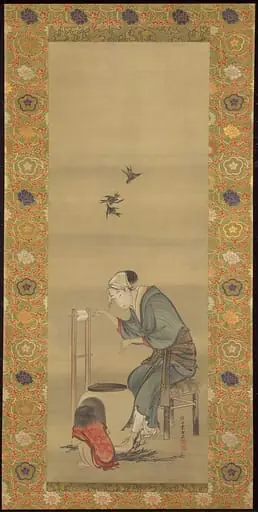
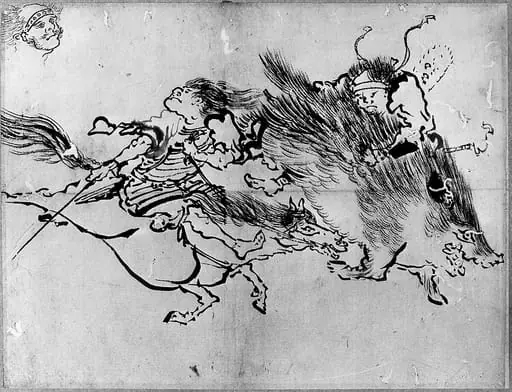
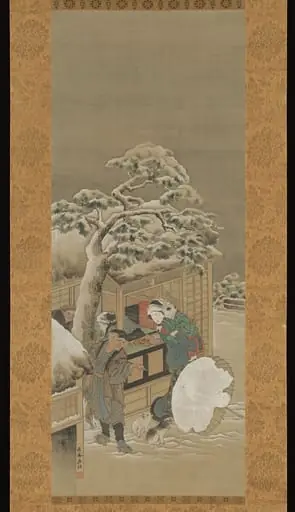
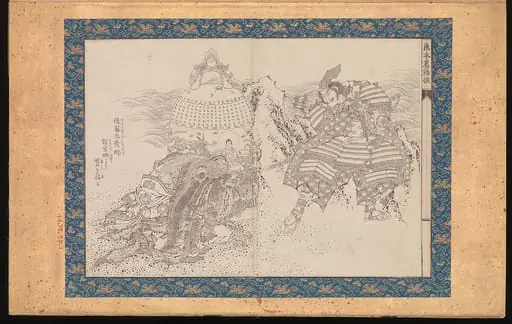
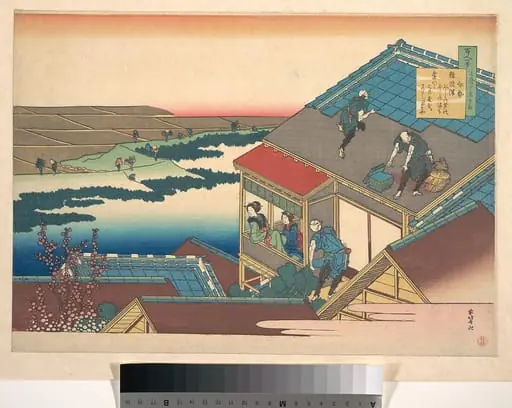 百人一首 うばがゑとき 伊勢|Poem by Ise, from the series One Hundred Poems Explained by the Nurse (Hyakunin isshu uba ga etoki)
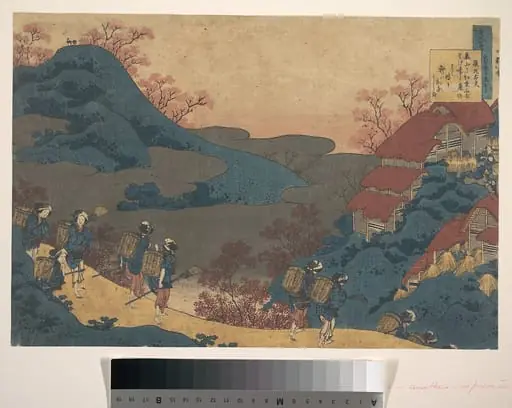 百人一首 乳母かゑとき 猿丸太夫|Poem by Sarumaru Dayū, from the series One Hundred Poems Explained by the Nurse (Hyakunin isshu uba ga etoki)
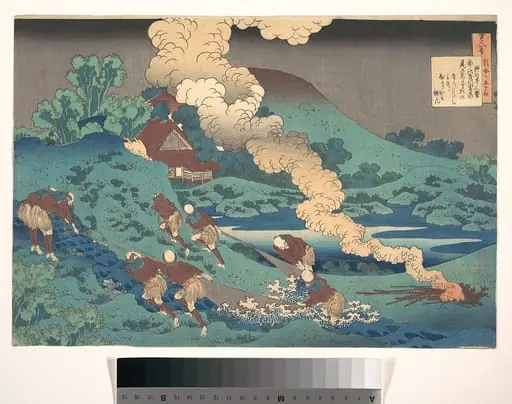 百人一首 乳母かゑとき 柿の本人麿|Poem by Kakinomoto Hitomaro, from the series One Hundred Poems Explained by the Nurse (Hyakunin isshu uba ga etoki)
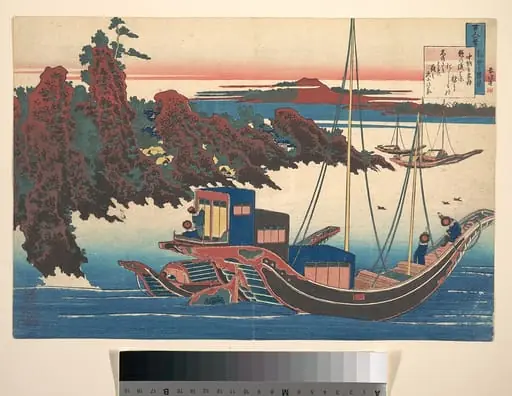 百人一首 乳母か縁説 中納言家持|Poem by Chūnagon Yakamochi (Ōtomo no Yakamochi), from the series One Hundred Poems Explained by the Nurse (Hyakunin isshu uba ga etoki)
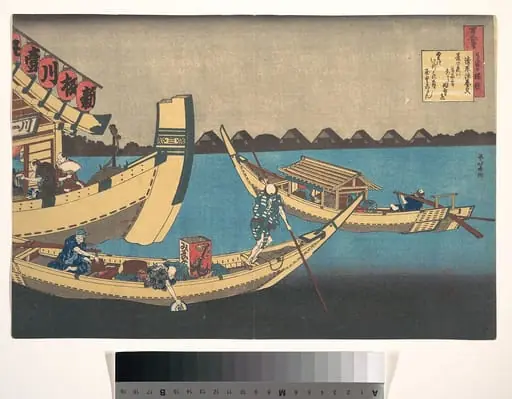 百人一首 うはか縁説 清原深養父|Poem by Kiyohara no Fukayabu, from the series One Hundred Poems Explained by the Nurse (Hyakunin isshu uba ga etoki)
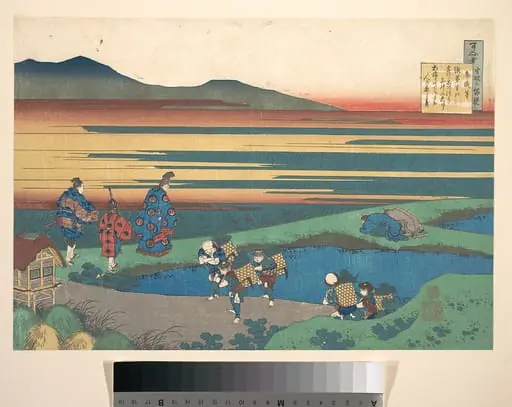 百人一首 宇波か縁説 参儀等|Poem by Sangi Hitoshi (Minamoto no Hitoshi), from the series One Hundred Poems Explained by the Nurse (Hyakunin isshu uba ga etoki)
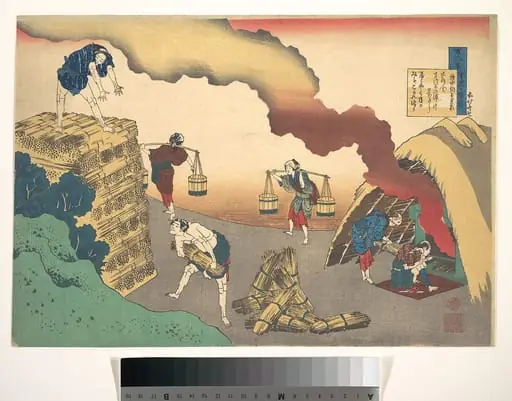 百人一首 宇波か縁説 権中納言定家|Poem by Gon-Chūnagon Sadaie, from the series One Hundred Poems Explained by the Nurse (Hyakunin isshu uba ga etoki)
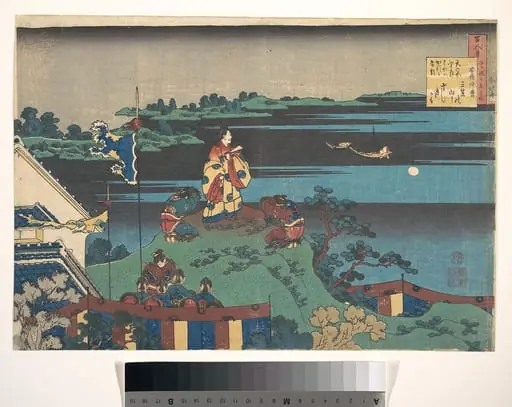 百人一首 宇波かゑとき 安部仲麿|Poem by Abe no Nakamaro, from the series One Hundred Poems Explained by the Nurse (Hyakunin isshu uba ga etoki)
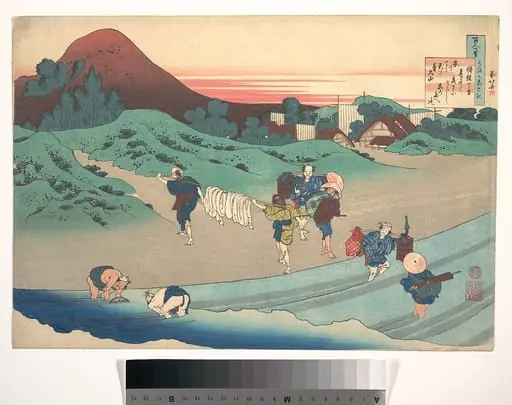 百人一首 うはかゑとき 持統天皇|Poem by Jitō Tenno (Empress Jitō), from the series One Hundred Poems Explained by the Nurse (Hyakunin isshu uba ga etoki)
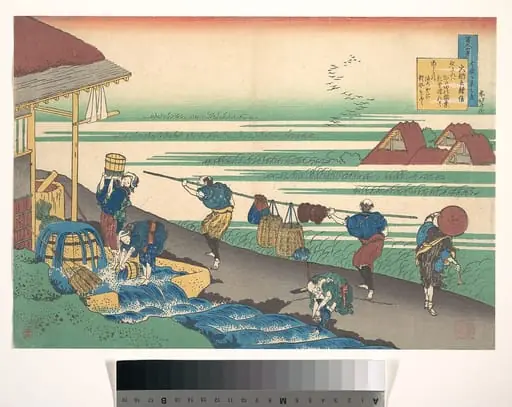 百人一首 うばがゑとき 大納言経信|Poem by Dainagon Tsunenobu (Minamoto no Tsunenobu, Katsura no Dainagon), from the series One Hundred Poems Explained by the Nurse (Hyakunin isshu uba ga etoki)
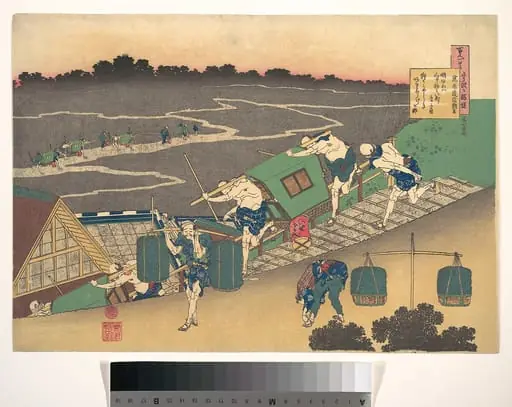 百人一首 宇波か縁説 藤原道信朝臣|Poem by Fujiwara no Michinobu Ason, from the series One Hundred Poems Explained by the Nurse (Hyakunin isshu uba ga etoki)