Artwork
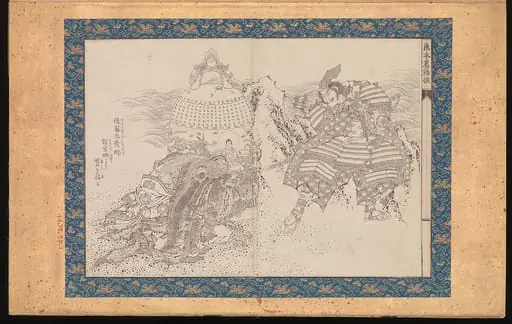
百人一首 うはかゑとき 源宗于朝臣|Poem by Minamoto no Muneyuki Ason, from the series One Hundred poems Explained by the Nurse (Hyakunin isshu uba ga etoki)
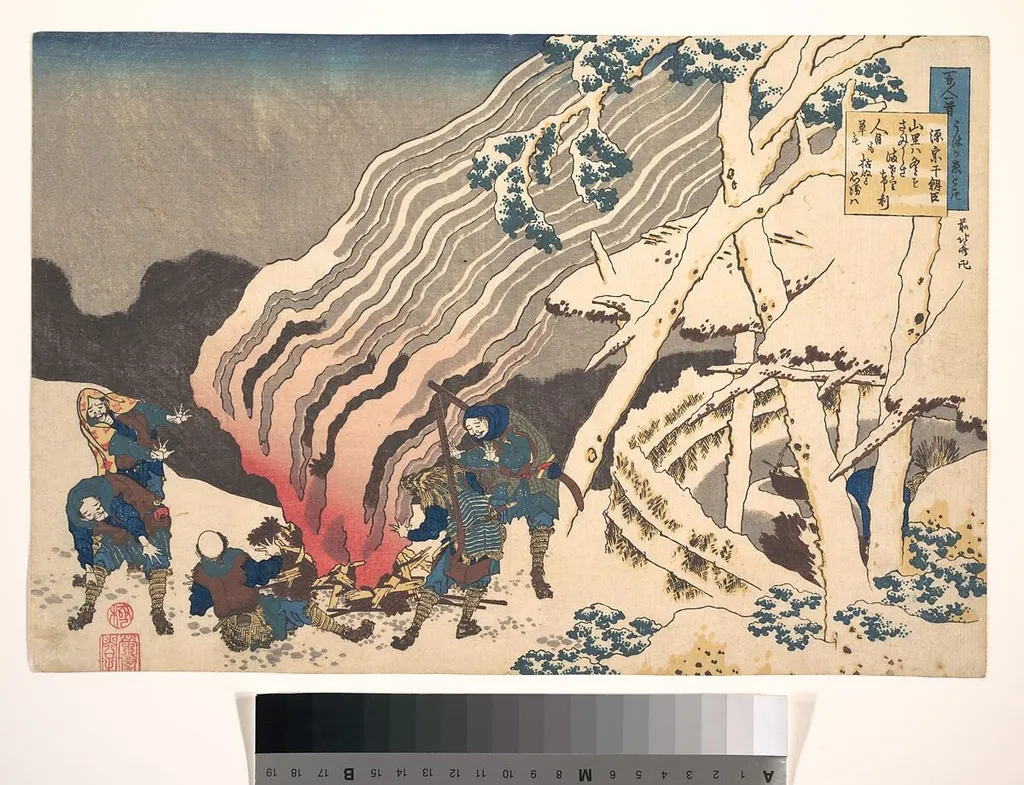
百人一首 うはかゑとき 源宗于朝臣|Poem by Minamoto no Muneyuki Ason, from the series One Hundred poems Explained by the Nurse (Hyakunin isshu uba ga etoki) is an ink print by the Japonisme artist Katsushika Hokusai. It dates from 1835 and is held in the collection of the Metropolitan Museum of Art.
About this work
Overview
Created around 1835, this woodblock print by Katsushika Hokusai forms part of the series that illustrates the classic anthology of one hundred poems, known as Hyakunin Isshu. The work is currently in the collection of the Metropolitan Museum of Art and depicts a winter landscape that serves as a visual commentary on a poem attributed to the courtier Minamoto no Muneyuki Ason.
Subject & Meaning
The scene presents a snow‑laden mountain where three figures contend with the cold: two individuals in thick winter garments clutch a staff and a fire, while a third, swaddled in a blanket, sits nearby. The stark environment underscores the poem’s evocation of hardship and the fleeting warmth of human companionship amid harsh weather.
Technique & Style
Hokusai employs the woodblock medium with ink and color on paper, using brisk, sketch‑like lines to suggest falling snow and the texture of trees. Layered cross‑hatching creates depth in the cliffs and clouds, while a subtle red hue near the fire provides a focal point that breaks the monochrome winter palette.
History & Provenance
The print was produced during the late Edo period, a time when illustrated poetry books were popular among literate audiences. It entered the Metropolitan Museum of Art’s collection through acquisition in the early twentieth century, reflecting the museum’s early interest in Japanese ukiyo‑e prints.
Context
Hyakunin Isshu, a medieval anthology of one hundred poems, was frequently illustrated in the Edo era to make the verses accessible to a broader public. Hokusai’s contribution to the series demonstrates how visual art was employed to interpret and amplify the emotional tone of classical Japanese poetry.
Artist & collection

Artist
Katsushika Hokusai spent his life in Edo, now Tokyo, where he drew and carved prints for a living.

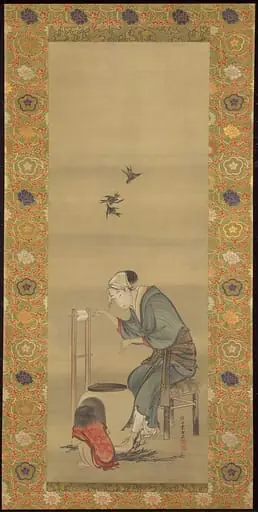
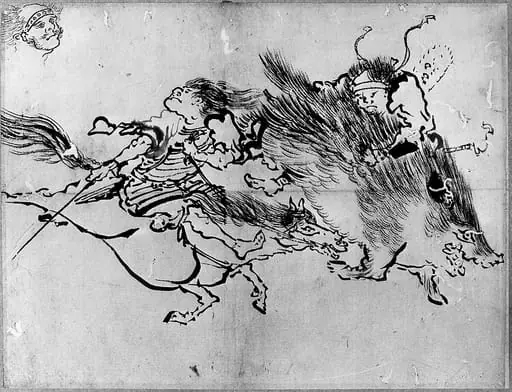
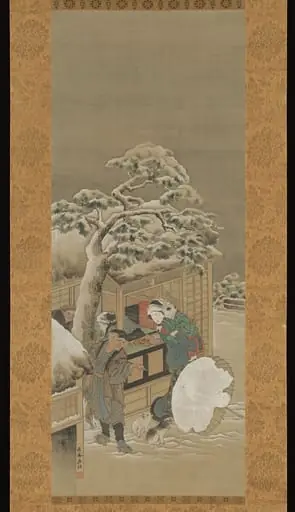
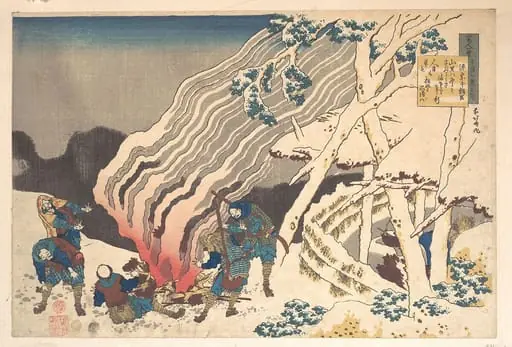 百人一首 うはかゑとき 源宗于朝臣|Poem by Minamoto no Muneyuki Ason, from the series One Hundred Poems Explained by the Nurse (Hyakunin isshu uba ga etoki)
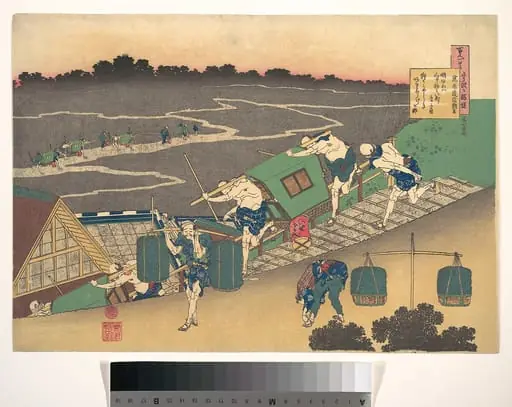 百人一首 宇波か縁説 藤原道信朝臣|Poem by Fujiwara no Michinobu Ason, from the series One Hundred Poems Explained by the Nurse (Hyakunin isshu uba ga etoki)
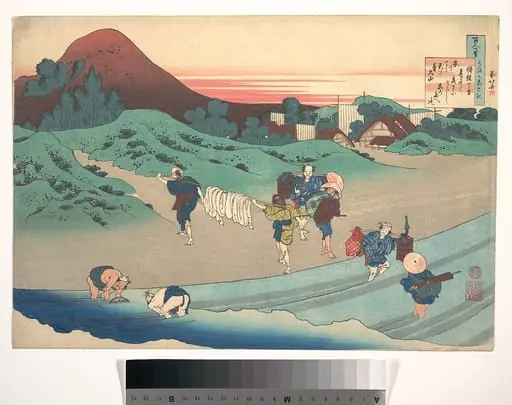 百人一首 うはかゑとき 持統天皇|Poem by Jitō Tenno (Empress Jitō), from the series One Hundred Poems Explained by the Nurse (Hyakunin isshu uba ga etoki)
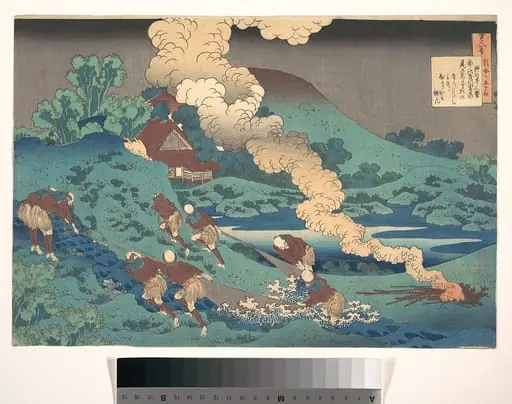 百人一首 乳母かゑとき 柿の本人麿|Poem by Kakinomoto Hitomaro, from the series One Hundred Poems Explained by the Nurse (Hyakunin isshu uba ga etoki)
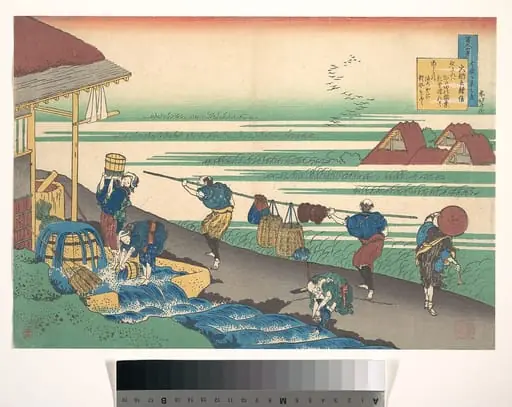 百人一首 うばがゑとき 大納言経信|Poem by Dainagon Tsunenobu (Minamoto no Tsunenobu, Katsura no Dainagon), from the series One Hundred Poems Explained by the Nurse (Hyakunin isshu uba ga etoki)
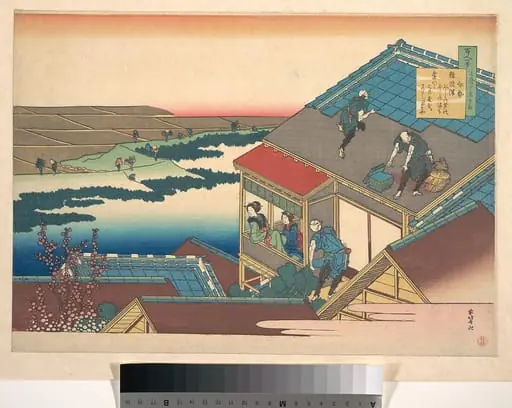 百人一首 うばがゑとき 伊勢|Poem by Ise, from the series One Hundred Poems Explained by the Nurse (Hyakunin isshu uba ga etoki)
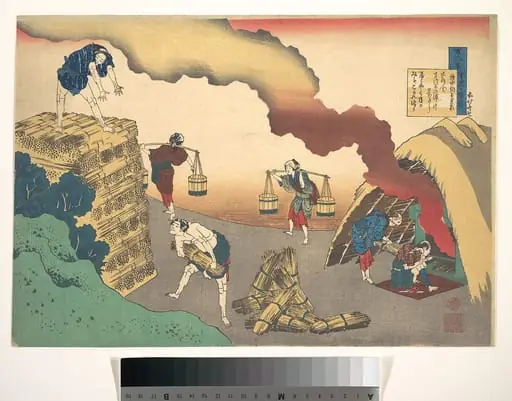 百人一首 宇波か縁説 権中納言定家|Poem by Gon-Chūnagon Sadaie, from the series One Hundred Poems Explained by the Nurse (Hyakunin isshu uba ga etoki)
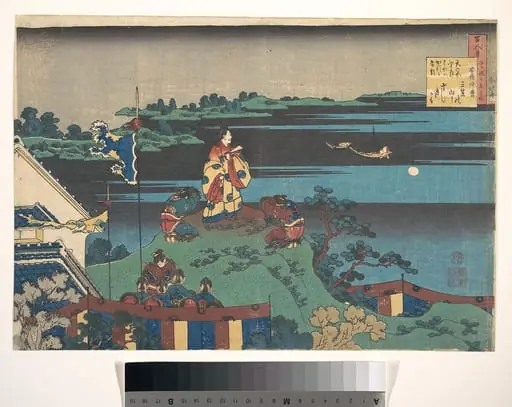 百人一首 宇波かゑとき 安部仲麿|Poem by Abe no Nakamaro, from the series One Hundred Poems Explained by the Nurse (Hyakunin isshu uba ga etoki)
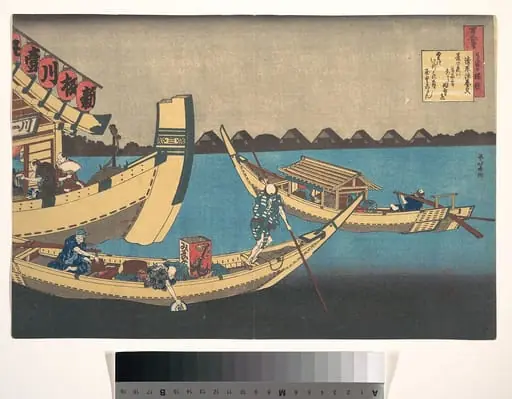 百人一首 うはか縁説 清原深養父|Poem by Kiyohara no Fukayabu, from the series One Hundred Poems Explained by the Nurse (Hyakunin isshu uba ga etoki)
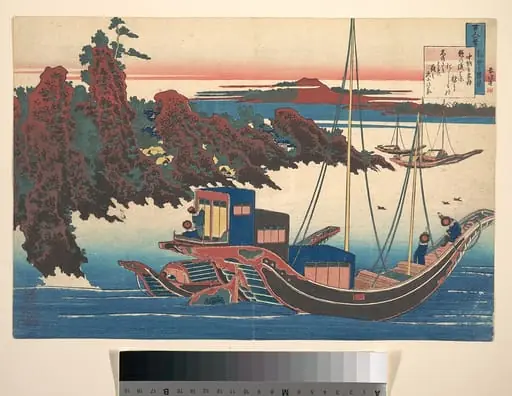 百人一首 乳母か縁説 中納言家持|Poem by Chūnagon Yakamochi (Ōtomo no Yakamochi), from the series One Hundred Poems Explained by the Nurse (Hyakunin isshu uba ga etoki)
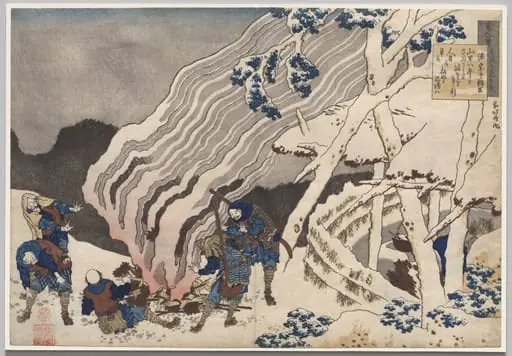 Poem by Minamoto no Muneyuki from the series One Hundred Poems by One Hundred Poets Explained by the Nurse