Artwork
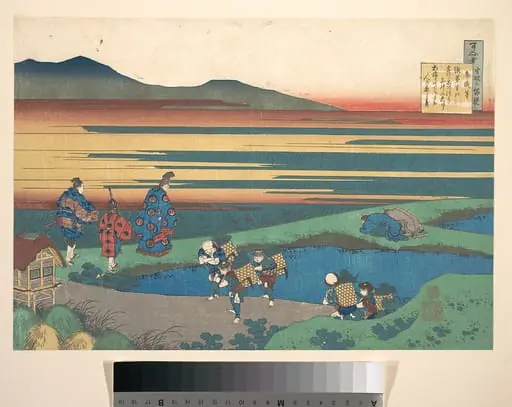
百人一首 宇波か縁説 権中納言定家|Poem by Gon-Chūnagon Sadaie, from the series One Hundred Poems Explained by the Nurse (Hyakunin isshu uba ga etoki)
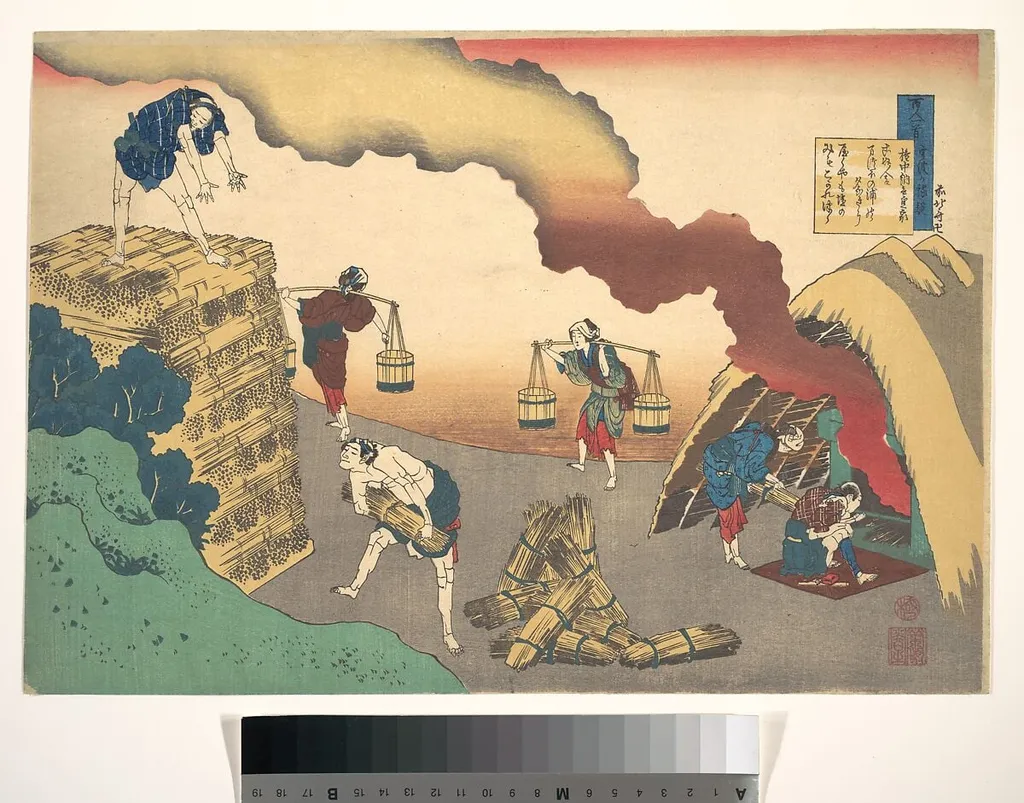
百人一首 宇波か縁説 権中納言定家|Poem by Gon-Chūnagon Sadaie, from the series One Hundred Poems Explained by the Nurse (Hyakunin isshu uba ga etoki) is an ink print by the Japonisme artist Katsushika Hokusai. It dates from 1804 and is held in the collection of the Metropolitan Museum of Art.
About this work
Overview
This woodblock print is part of Katsushika Hokusai’s series One Hundred Poems Explained by the Nurse, produced around 1804.
This woodblock print is part of Katsushika Hokusai’s series One Hundred Poems Explained by the Nurse, produced around 1804. It illustrates a scene inspired by a classical waka poem attributed to Gon-Chūnagon Sadaie. Unlike typical poetic illustrations, the image emphasizes physical labor rather than lyrical sentiment, depicting rural workers engaged in manual tasks amid a turbulent sky. The composition balances human effort with natural forces, reflecting Hokusai’s interest in everyday life.
Subject & Meaning
The scene portrays laborers preparing materials—stacking baskets, carrying bundles, tying sticks—suggesting preparation for storage or transport. The poem’s theme of fleeting connections is rendered not through emotion but through collective toil. The dark form in the sky may allude to impermanence, aligning with the poem’s contemplative tone. Hokusai shifts focus from the poet’s inner world to the visible, unglamorous work sustaining daily existence.
Technique & Style
Hokusai employs bold outlines, flat planes of color, and dynamic composition to convey movement and texture. The swirling clouds and exaggerated scale of the basket stacks heighten visual tension. Ink and mineral pigments are applied with precision, typical of ukiyo-e printing. The figures are rendered with simplified anatomy, emphasizing posture and action over individual identity, reinforcing the theme of communal labor.
History & Provenance
Created in 1804 during Hokusai’s early mature period, this print belongs to a series commissioned to pair classical poetry with contemporary scenes. It was likely distributed as a printed booklet for popular consumption. The Metropolitan Museum of Art acquired it as part of a broader collection of Japanese prints, preserving its role as a cultural artifact bridging literary tradition and Edo-period visual culture.
Context
During the Edo period, woodblock prints often depicted urban pleasures, but Hokusai increasingly turned to rural and laboring subjects. This print reflects a growing interest in the lives of common people, influenced by Confucian ideals of diligence and the rise of a literate merchant class. The series itself sought to make classical poetry accessible by grounding it in observable reality rather than idealized imagery.
Legacy
Hokusai’s depiction of labor in this print contributed to a broader shift in Japanese art toward documenting everyday life with dignity. It influenced later ukiyo-e artists and, through Western exposure, helped redefine perceptions of Japanese aesthetics beyond decorative motifs. The print remains a quiet testament to the value of unseen work in sustaining cultural and social structures.
Artist & collection

Artist
Katsushika Hokusai spent his life in Edo, now Tokyo, where he drew and carved prints for a living.

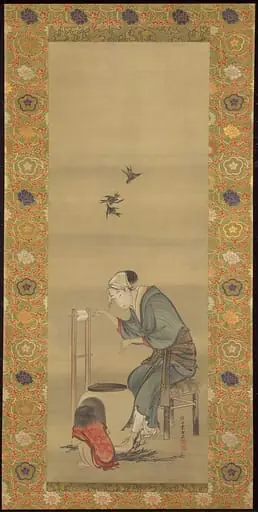
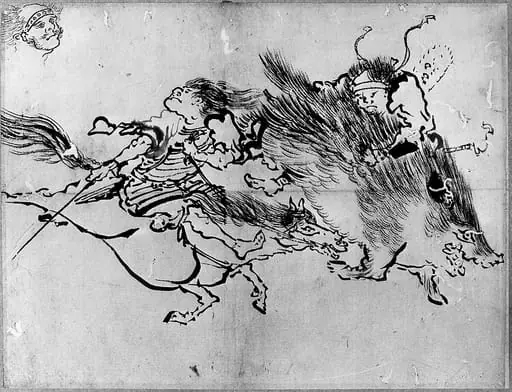
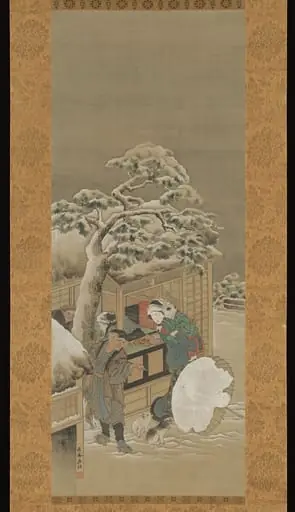
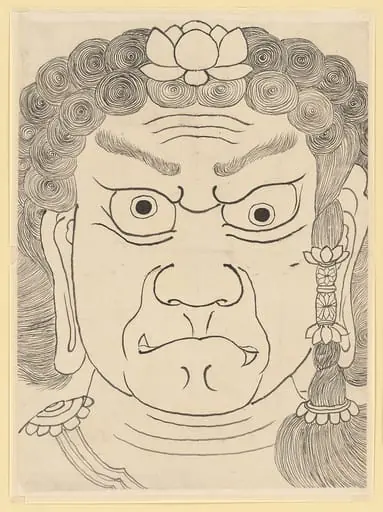
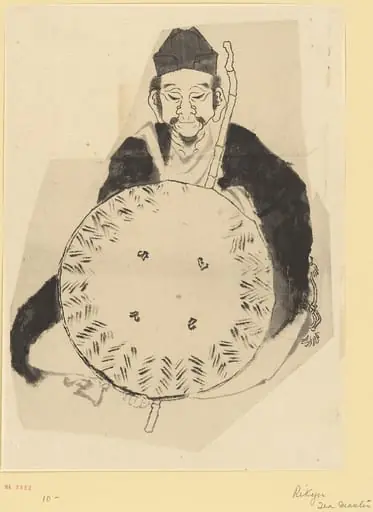
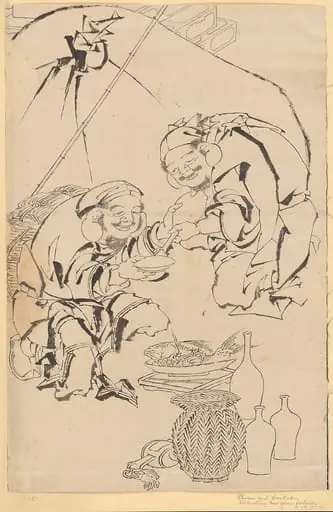
 百人一首 宇波か縁説 参儀等|Poem by Sangi Hitoshi (Minamoto no Hitoshi), from the series One Hundred Poems Explained by the Nurse (Hyakunin isshu uba ga etoki)
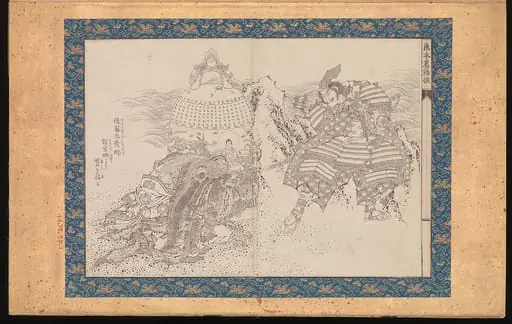
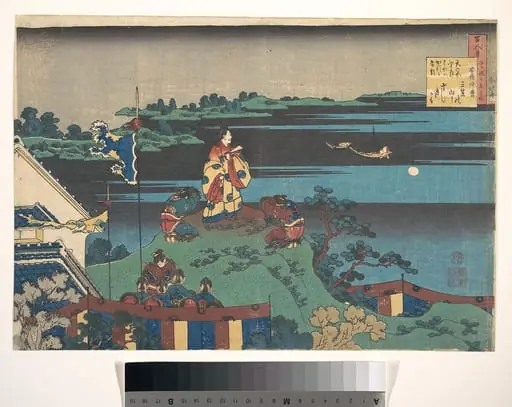 百人一首 宇波かゑとき 安部仲麿|Poem by Abe no Nakamaro, from the series One Hundred Poems Explained by the Nurse (Hyakunin isshu uba ga etoki)
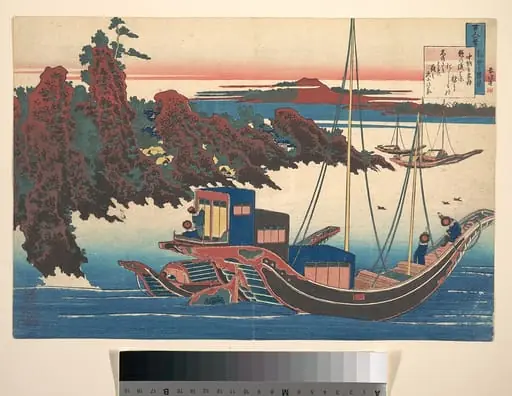 百人一首 乳母か縁説 中納言家持|Poem by Chūnagon Yakamochi (Ōtomo no Yakamochi), from the series One Hundred Poems Explained by the Nurse (Hyakunin isshu uba ga etoki)
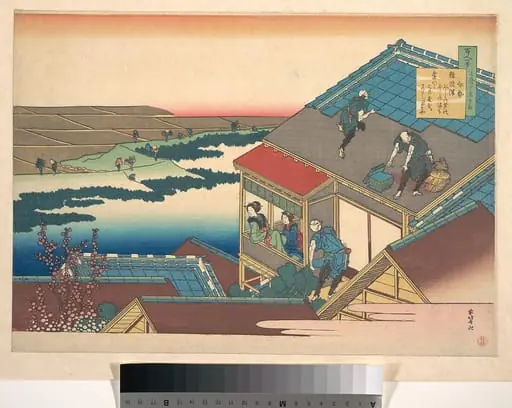 百人一首 うばがゑとき 伊勢|Poem by Ise, from the series One Hundred Poems Explained by the Nurse (Hyakunin isshu uba ga etoki)
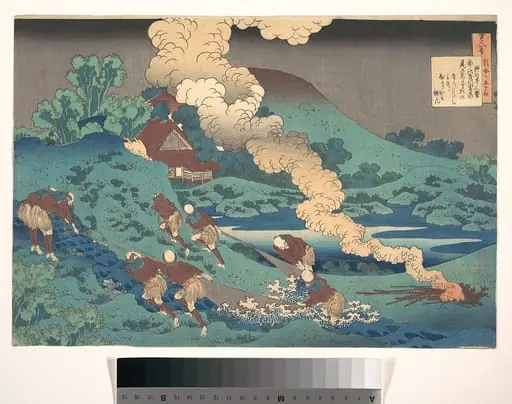 百人一首 乳母かゑとき 柿の本人麿|Poem by Kakinomoto Hitomaro, from the series One Hundred Poems Explained by the Nurse (Hyakunin isshu uba ga etoki)
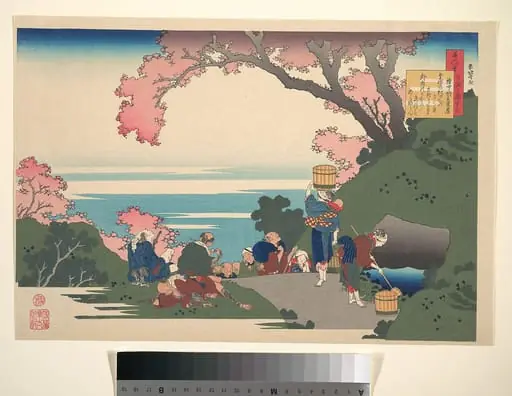 百人一首 うはかゑとき 権中納言匡房|Poem by Gon-chūnagon Masafusa (Ōe no Masafusa), from the series One Hundred Poems Explained by the Nurse (Hyakunin isshu uba ga etoki)
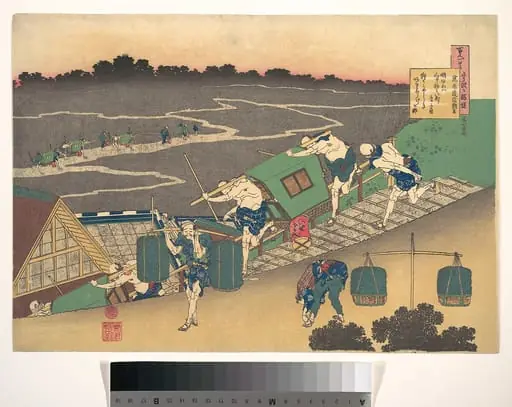 百人一首 宇波か縁説 藤原道信朝臣|Poem by Fujiwara no Michinobu Ason, from the series One Hundred Poems Explained by the Nurse (Hyakunin isshu uba ga etoki)
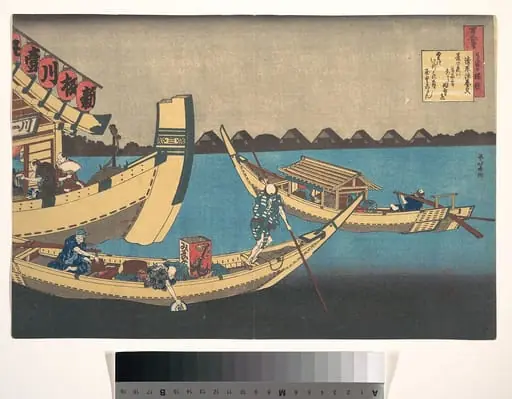 百人一首 うはか縁説 清原深養父|Poem by Kiyohara no Fukayabu, from the series One Hundred Poems Explained by the Nurse (Hyakunin isshu uba ga etoki)
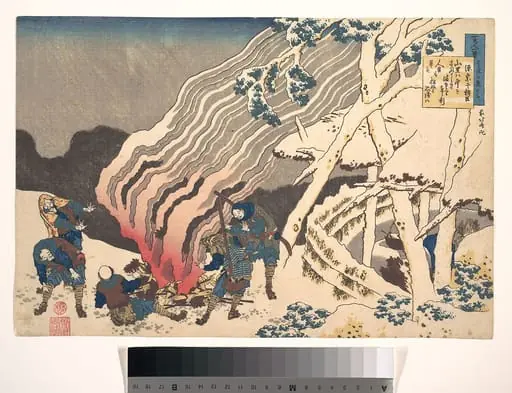 百人一首 うはかゑとき 源宗于朝臣|Poem by Minamoto no Muneyuki Ason, from the series One Hundred poems Explained by the Nurse (Hyakunin isshu uba ga etoki)
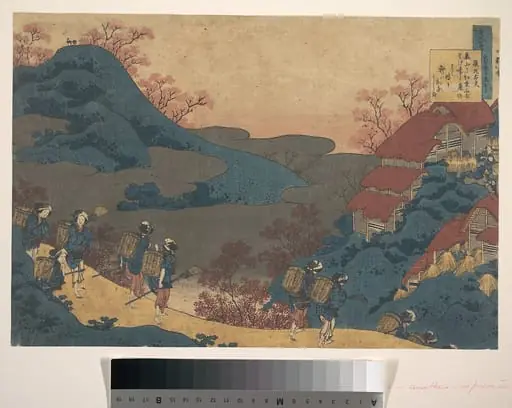 百人一首 乳母かゑとき 猿丸太夫|Poem by Sarumaru Dayū, from the series One Hundred Poems Explained by the Nurse (Hyakunin isshu uba ga etoki)