Artwork
Women Meeting in the Shade
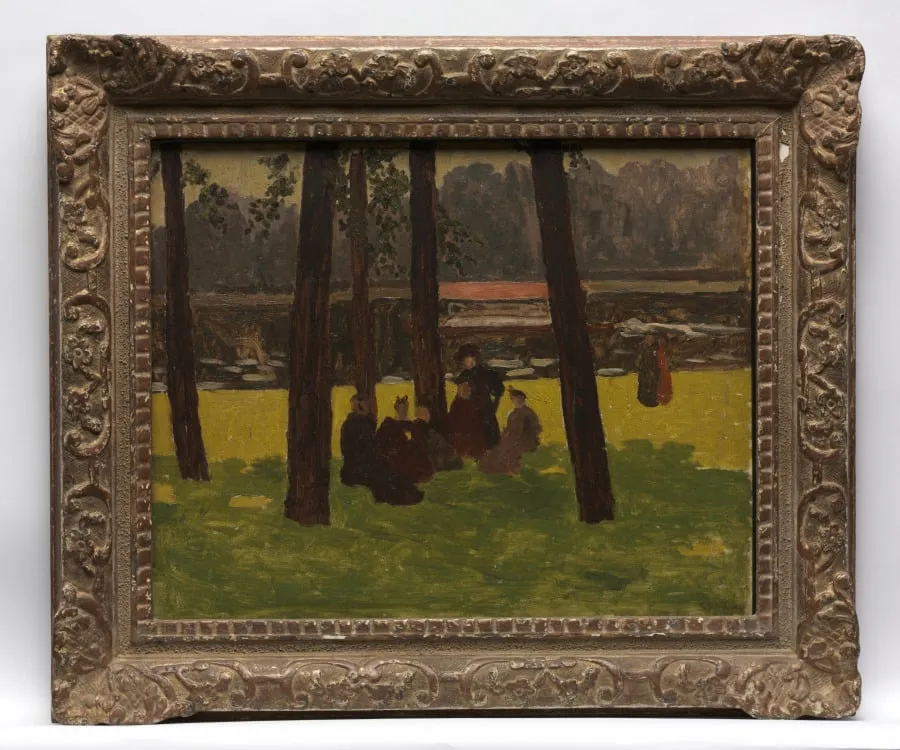
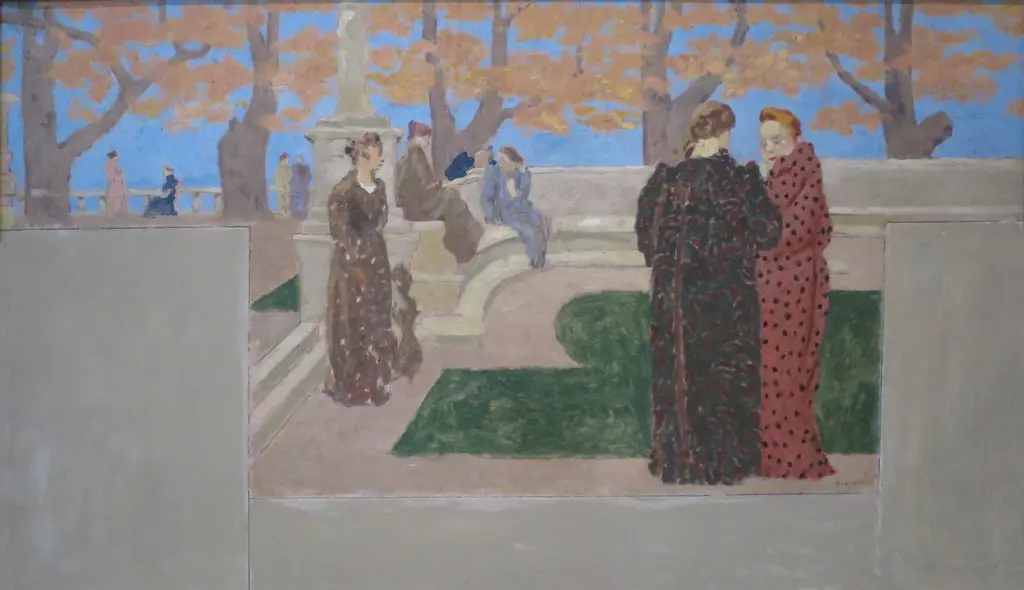
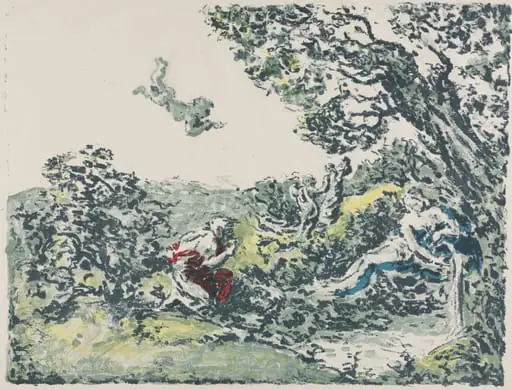
Women Meeting in the Shade is an unspecified painting by the Impressionist artist Ker-Xavier Roussel. It dates from 1890 and is held in the collection of the Cleveland Museum of Art.
About this work
To see how other artists used flat colors and patterns, look up the subject: france, 19th century, mod euro.
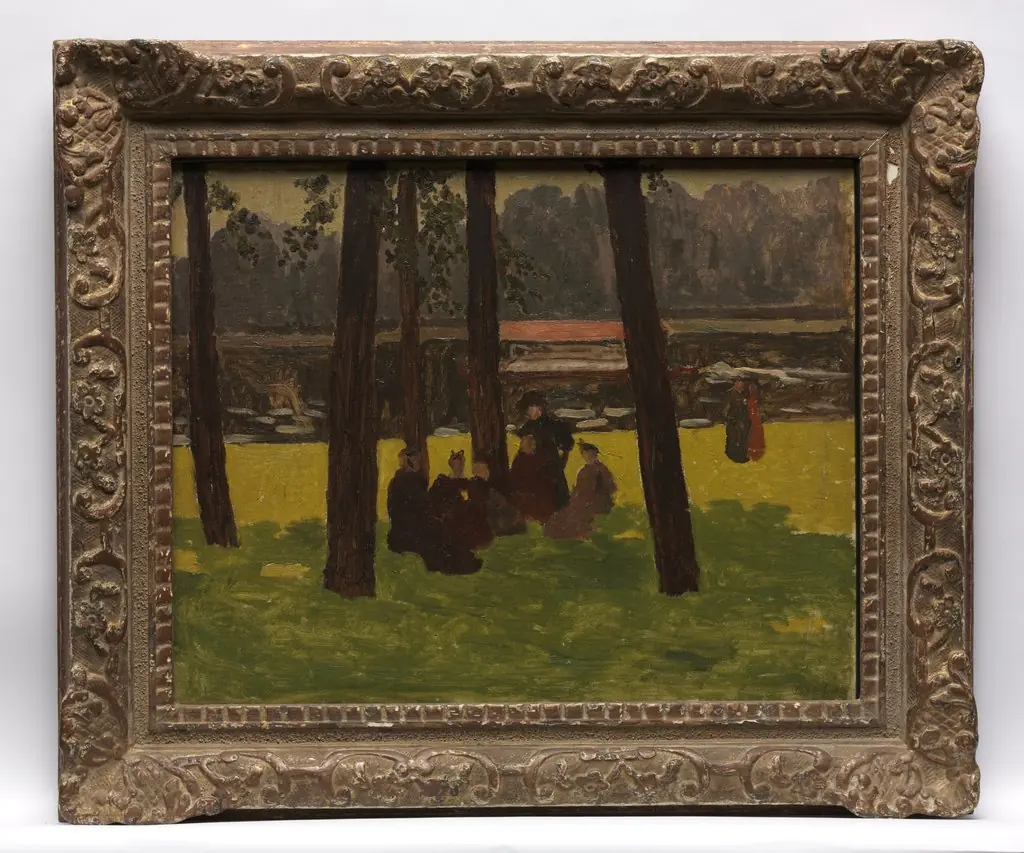
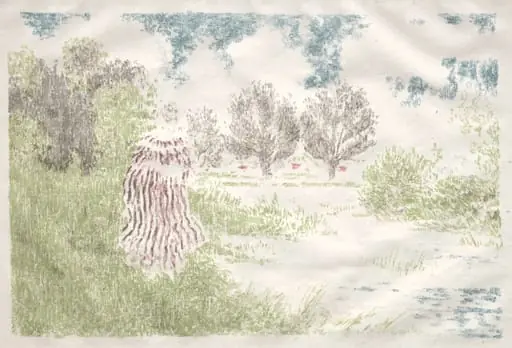
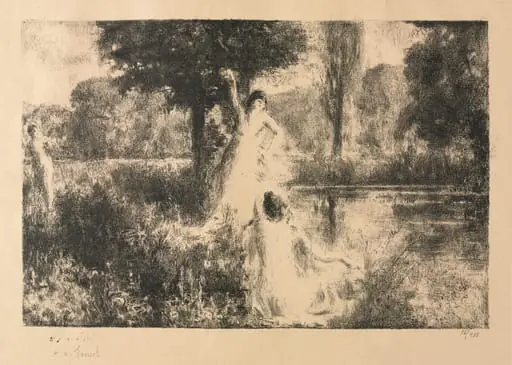
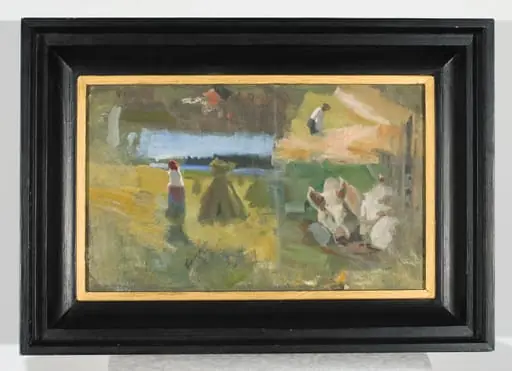
Two women and four children sit under a tree in soft green light. The scene feels quiet, like a lazy afternoon.
Roussel painted this around 1890, when he was part of a group called the Nabis. They loved bold colors and simple shapes, inspired by Japanese prints. Here, the figures almost melt into the background—no dramatic poses, just a moment of rest.
To see how other artists used flat colors and patterns, look up the subject: france, 19th century, mod euro.
Overview
Painted around 1890, 'Women Meeting in the Shade' is a quiet interior scene by Pierre Bonnard’s associate and fellow Nabi, Félix Roussel. The work reflects the group’s departure from naturalism, favoring flattened forms and heightened color to evoke mood over narrative. Set beneath a canopy of trees, the painting captures an uneventful moment of rest, aligning with the Nabis’ interest in the poetic potential of everyday life.
Subject & Meaning
The painting shows two women and four children seated in dappled shade, while distant figures move along a riverbank. No action is emphasized; instead, the focus lies in stillness and proximity. The figures blend into the surrounding foliage, suggesting a harmony between people and environment. The absence of narrative detail invites contemplation rather than interpretation, reinforcing the Nabis’ preference for emotional resonance over storytelling.
Technique & Style
Roussel employs simplified contours and areas of unmodulated color, influenced by Japanese woodblock prints. The green tones of the foliage and the soft light are rendered with minimal gradation, creating a decorative surface. Figures are rendered with little anatomical detail, their forms merging with the background. This flattening of space and emphasis on pattern over realism defines the Nabi aesthetic and distinguishes the work from academic traditions of the time.
History & Provenance
Created during Roussel’s active years with the Nabis, the painting reflects his close association with artists like Vuillard and Bonnard. Though less documented than his peers’ works, it belongs to a body of intimate domestic scenes he produced in the early 1890s. Its survival and continued presence in public collections suggest it was valued within artistic circles for its quiet originality, even if it never achieved widespread fame.
Context
In late 19th-century France, artists were redefining painting beyond realism and impressionism. The Nabis, influenced by Symbolism and Japanese art, sought to express inner experience through color and form. Roussel’s work, like that of his peers, rejected theatricality in favor of subdued, personal moments. This painting exemplifies how a generation of painters turned away from public spectacle toward the quiet rhythms of private life.
Legacy
Though Roussel did not achieve the same recognition as Bonnard or Vuillard, his contributions helped shape the Nabi movement’s visual language. 'Women Meeting in the Shade' remains a quiet testament to the group’s pursuit of harmony between subject and surface. Its restrained palette and meditative tone prefigure later developments in modernist interior scenes, influencing artists who valued atmosphere over drama.
Artist & collection