Artwork
Birds of Philippines
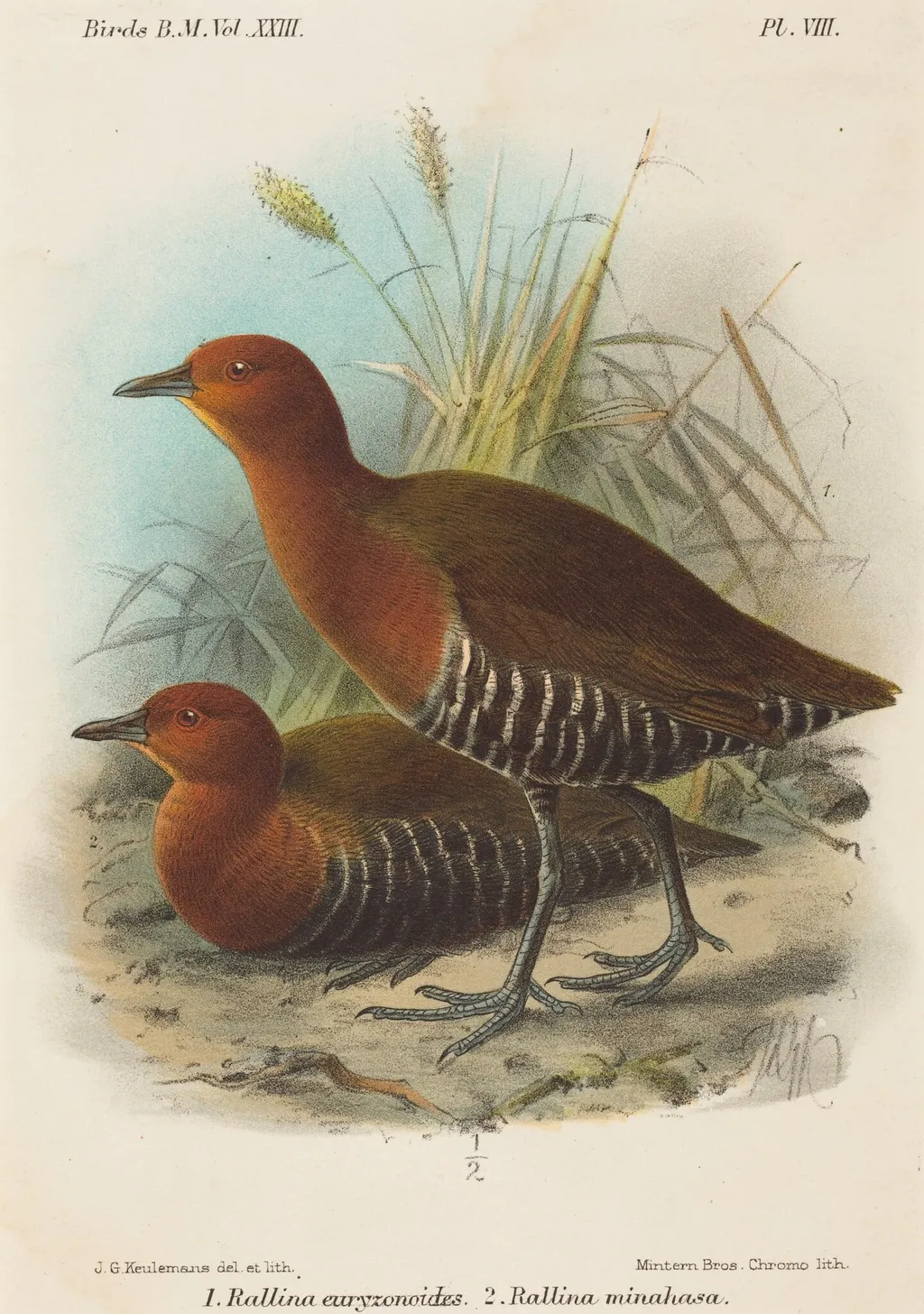
Birds of Philippines is an ink print by the Romanticist artist John Gerrard Keulemans. It dates from 1840 and is held in the collection of the National Gallery of Art. Created in 1840, this color lithograph by Dutch artist Johannes Gerardus Keulemans depicts avian species native to the Philippines.
About this work
Overview
Created in 1840, this color lithograph by Dutch artist Johannes Gerardus Keulemans depicts avian species native to the Philippines.
Created in 1840, this color lithograph by Dutch artist Johannes Gerardus Keulemans depicts avian species native to the Philippines. Though Keulemans spent much of his career in England, his work was deeply rooted in scientific documentation. The print belongs to a broader tradition of natural history illustration, where visual accuracy supported biological study. Lithography allowed for detailed reproduction, making such images accessible to scholars and collectors.
Subject & Meaning
The image portrays two bird species found in Philippine wetlands, rendered with attention to anatomical distinction. One bird, larger and elongated, displays a striped belly and extended neck; the other is more compact, with shorter limbs. Their placement among reeds suggests a natural habitat, not a staged composition. The intent was not decorative but taxonomic—to aid identification and classification within emerging ornithological science.
Technique & Style
Keulemans employed color lithography to achieve fine detail and tonal gradation. Feathers, reed textures, and subtle background hues were carefully layered to mimic natural light and environment. The soft blue-green backdrop evokes a marshy landscape without distracting from the subjects. This method balanced scientific precision with aesthetic clarity, reflecting the era’s demand for reliable visual records in natural history.
History & Provenance
Keulemans produced this print during his early years as a professional illustrator, before his later contributions to major ornithological publications. Though dated 1840, the work likely circulated in limited scientific circles, possibly as a standalone plate or part of an unpublished collection. Its survival suggests it was valued for its accuracy, though no known institutional provenance is documented prior to modern archives.
Context
In the mid-nineteenth century, European naturalists increasingly sought visual records of colonial biodiversity. The Philippines, under Spanish rule, was a region of growing interest for its endemic species. Keulemans’ work aligned with this trend, translating field observations into standardized illustrations for use in European scientific texts, even when the artist had never visited the region.
Legacy
This lithograph exemplifies the role of illustration in pre-photographic science. Keulemans’ method influenced later natural history artists through its disciplined attention to form and texture. While not widely known today, such works formed the foundation for modern ornithological field guides, bridging art and biology in an age when visual evidence was essential to understanding the natural world.
Artist & collection
Artist
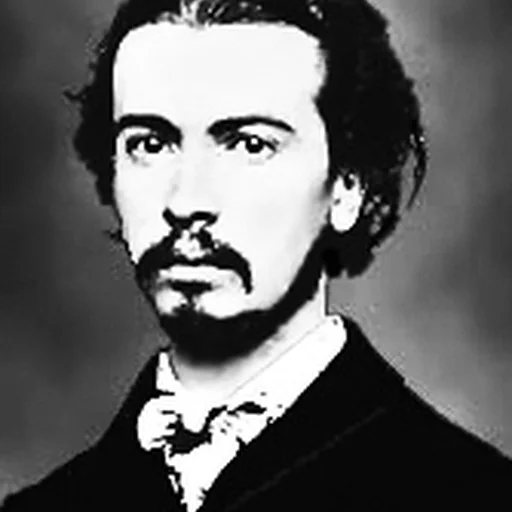
Johannes Gerardus Keulemans (8 June 1842 – 29 March 1912) was a Dutch bird illustrator. For most of his life he lived and worked in England, illustrating many of the best-known ornithology books of the nineteenth century.

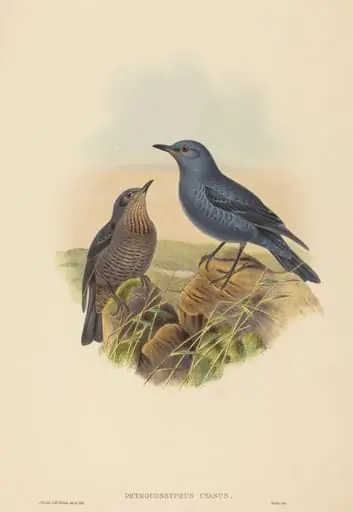 Petrocossyphus cyanus (Blue Rockthrush)
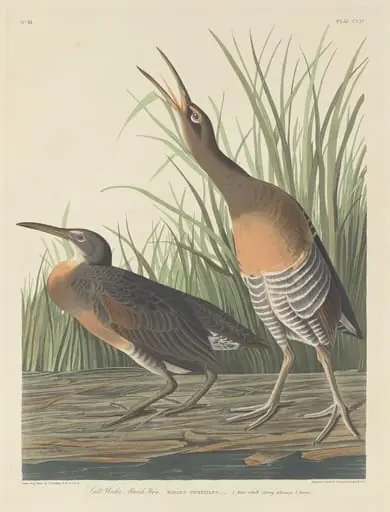 Salt Water Marsh Hen
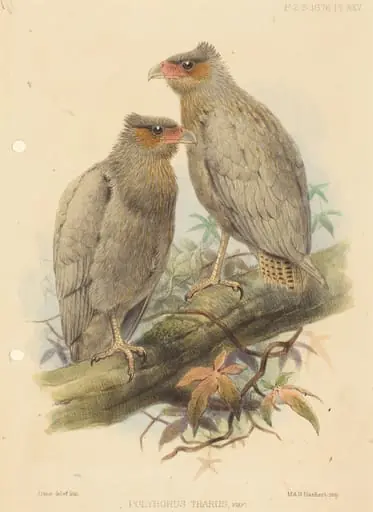 Polyborus Tharus, Var.
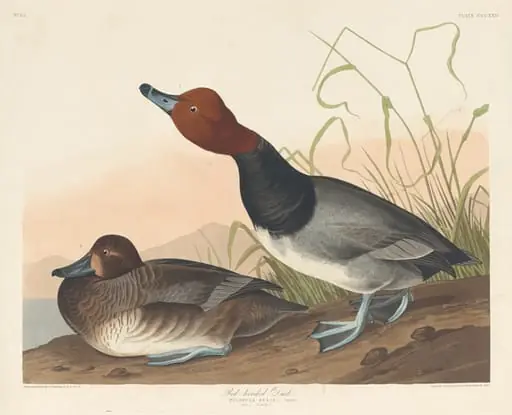 Red-Headed Duck
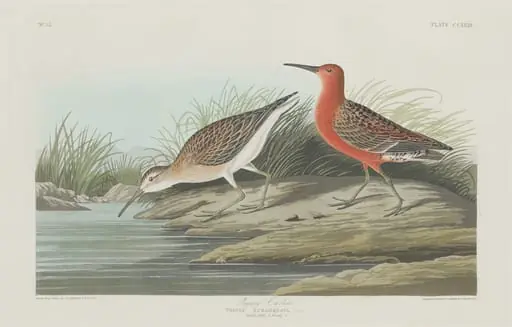 Pigmy Curlew
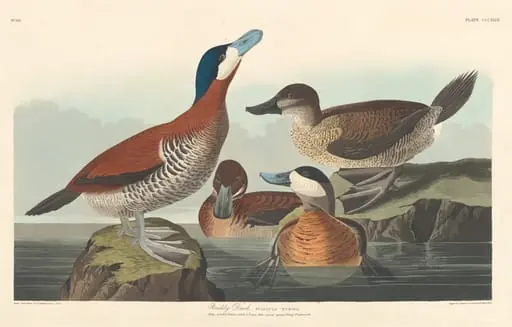 Ruddy Duck
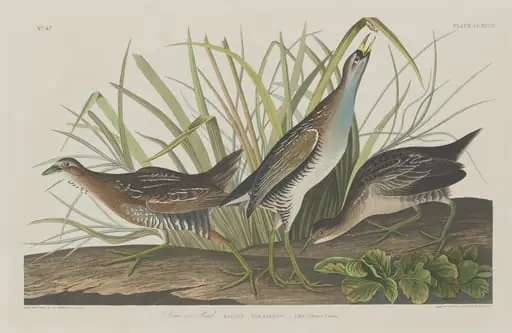 Sora or Rail
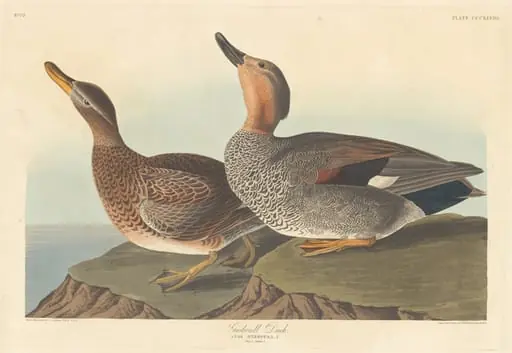 Gadwall Duck
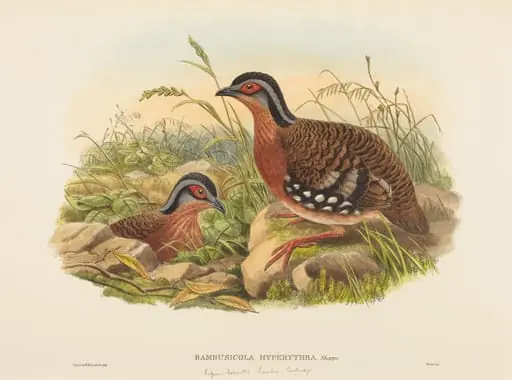 Rufous-breasted Bamboo Partridge (Bambusicola Hyperythra)
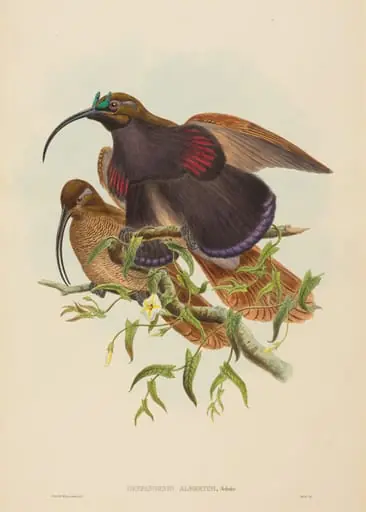 Drepanornis albertisi (Black-billed Sicklebill Bird of Paradise)
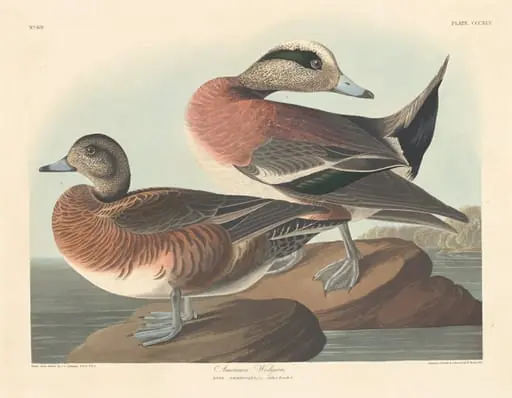 American Widgeon
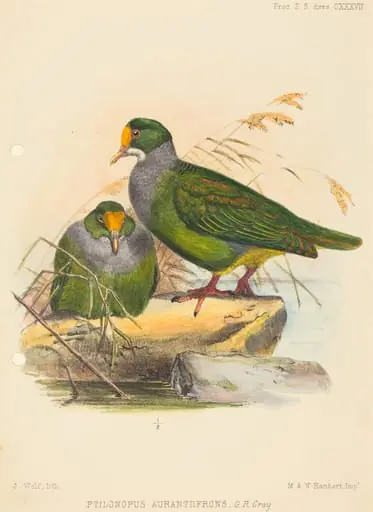 Two Birds (Ptilonopus Auranthfrons)