Artwork
Christopher Schwaiger
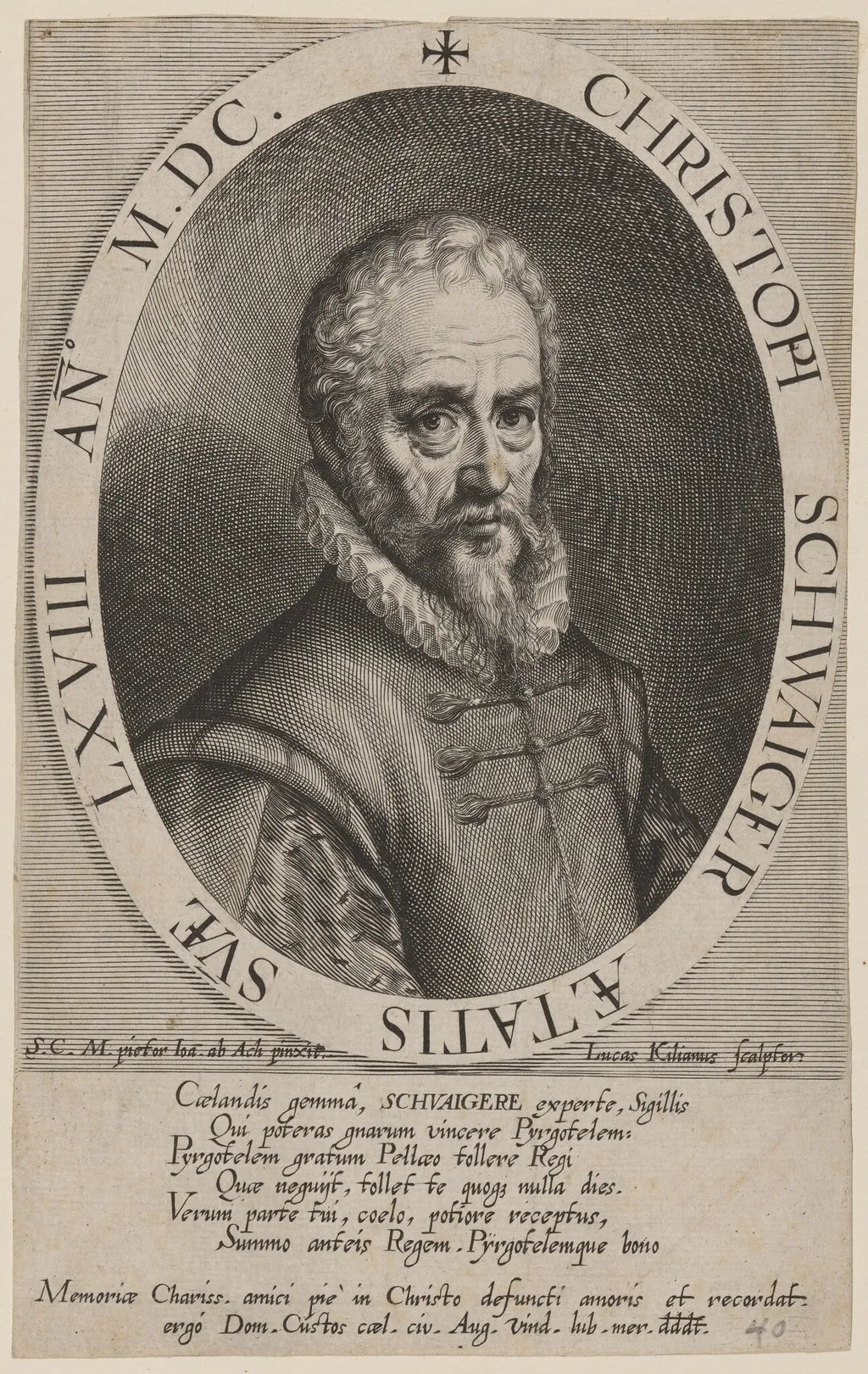
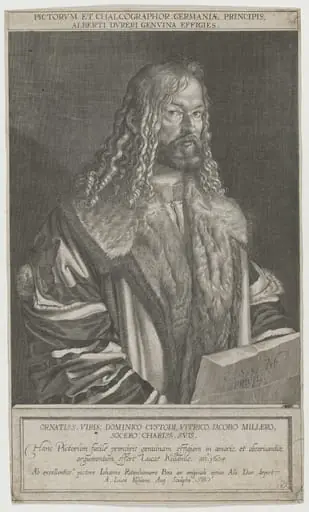
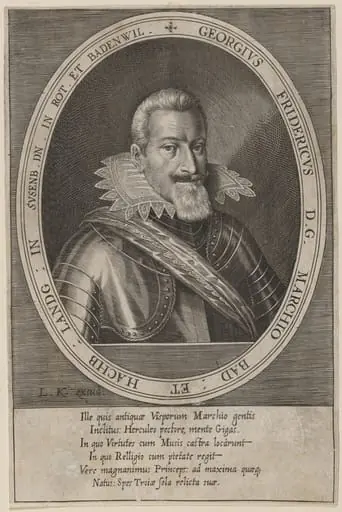
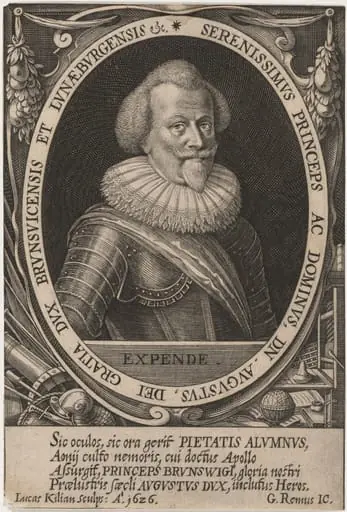
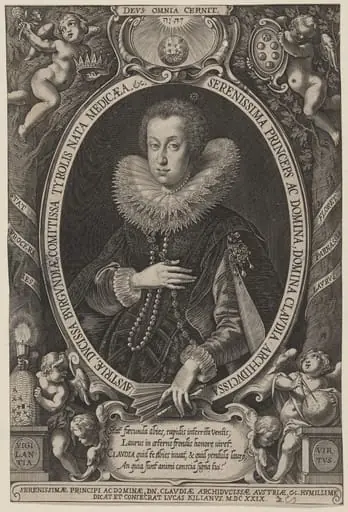
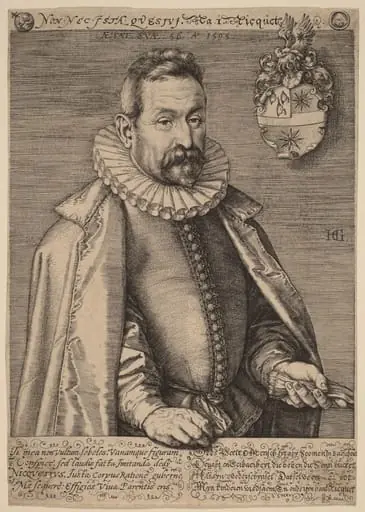
Christopher Schwaiger is an ink print by the Renaissance artist Lucas Kilian. It dates from 1608 and is held in the collection of the National Gallery of Art.
About this work
Overview
Kilian, trained within a family of engravers, specialized in portraiture and used fine-line techniques to render likeness with precision.
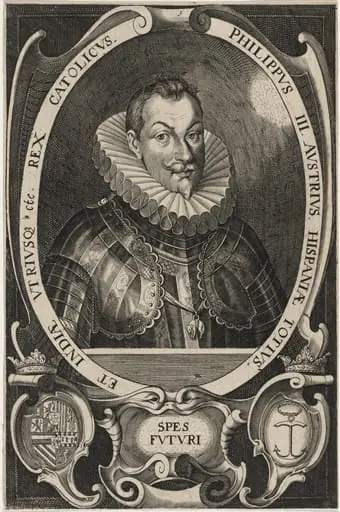
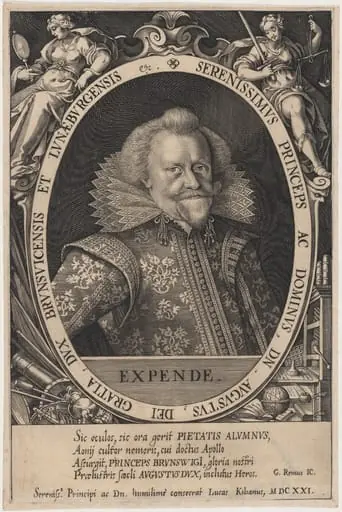
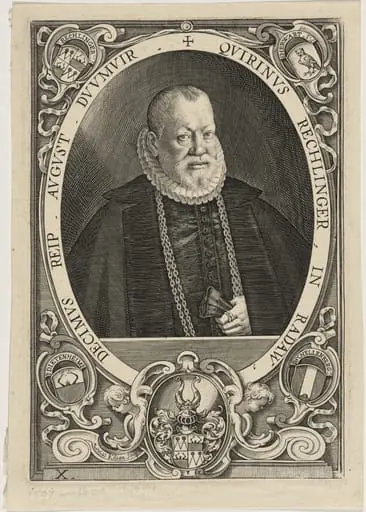
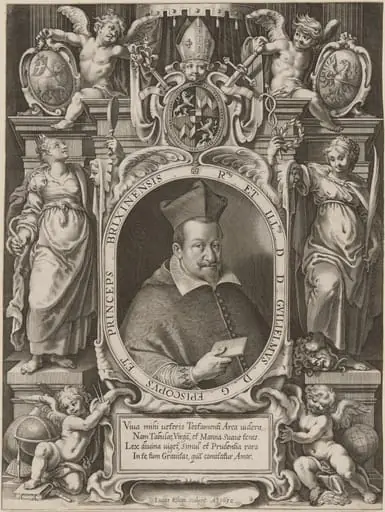
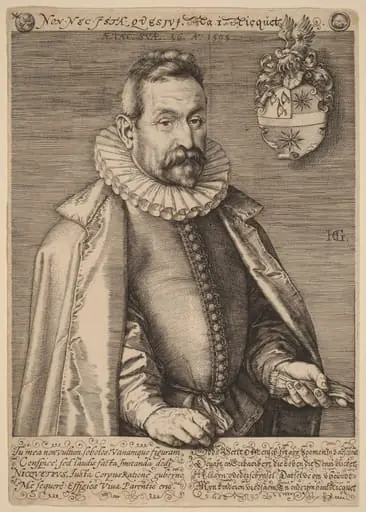
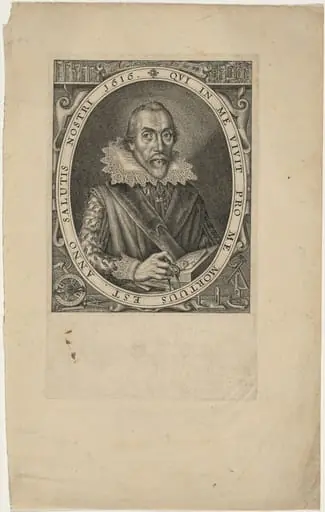
This 1608 engraving by Lucas Kilian portrays Christopher Schwaiger, a figure likely known in Augsburg’s civic or professional circles. Executed in the reproductive print tradition, the work reflects the city’s thriving print culture centered around the Custos workshop. Kilian, trained within a family of engravers, specialized in portraiture and used fine-line techniques to render likeness with precision. The oval format and restrained background emphasize the sitter’s presence.
Subject & Meaning
Christopher Schwaiger is depicted with solemn dignity, his direct gaze and formal attire suggesting status or professional role. The ruffled collar and cross-shaped clasp hint at attire associated with civic or religious authority. His curly hair and full beard conform to contemporary ideals of mature masculinity. The portrait serves less as a personal likeness than as a record of individual identity within a network of patrons and artisans in early 17th-century Augsburg.
Technique & Style
Kilian employed fine, controlled lines and dense cross-hatching to model the sitter’s face and clothing, creating subtle gradations of light and shadow. The texture of the beard, collar, and fabric is rendered through meticulous line work, demonstrating mastery of the burin. The solid, unmodulated background isolates the figure, enhancing focus on facial expression and costume. The oval composition reflects conventions of portrait engraving favored in German workshops of the period.
History & Provenance
Created in Augsburg, the engraving emerged from the Custos workshop, established by Kilian’s stepfather and central to the city’s print industry. Lucas Kilian, part of a multi-generational family of engravers, produced portraits for local elites and scholarly circles. While specific ownership records are sparse, the work’s survival suggests it circulated among collectors or institutions interested in civic portraiture during the early Baroque era.
Context
In early 17th-century Augsburg, engraving served both artistic and documentary functions. Portraits like this one were used to affirm social standing and preserve likenesses before photography. The city’s print workshops, including Custos, supplied images for academic, religious, and civic use. Kilian’s work aligns with broader European trends in reproductive printmaking, where technical precision and clarity were valued over expressive flourish.
Legacy
Kilian’s portrait of Schwaiger exemplifies the quiet precision of German reproductive engraving at its peak. Though not widely reproduced in modern scholarship, it remains a representative example of how local artisans documented individuals within their communities. The work contributes to understanding the role of print in shaping public identity and preserving the visual culture of provincial German cities during the Renaissance-Baroque transition.
Artist & collection
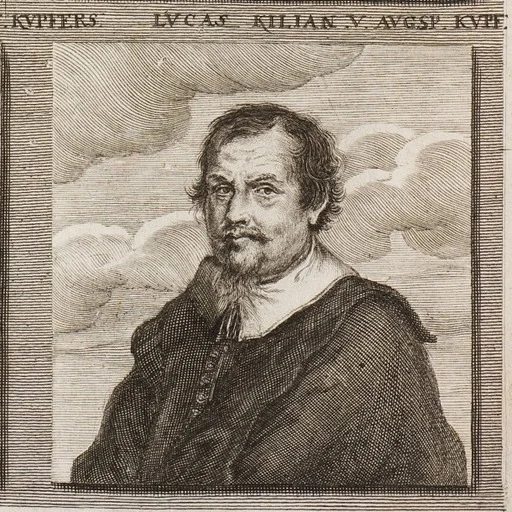
Artist
Lucas Kilian (Lucas Kilianus Augustanus; 1579–1637) was a German engraver and etcher from the Kilian family of engravers in Augsburg.