Artwork
Untitled
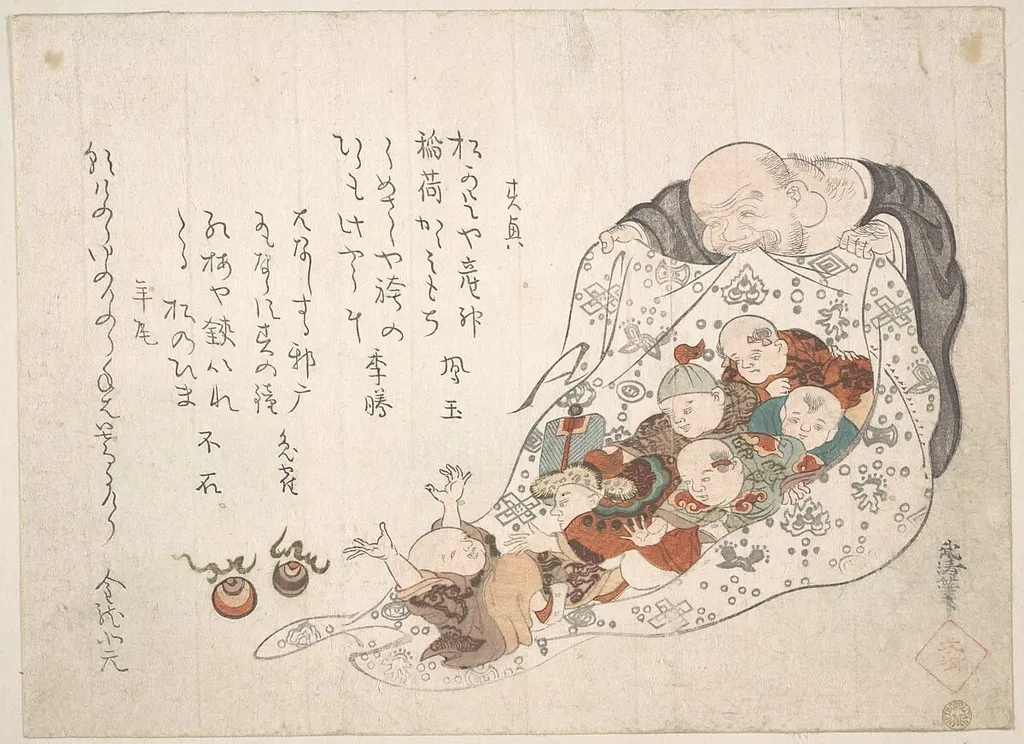
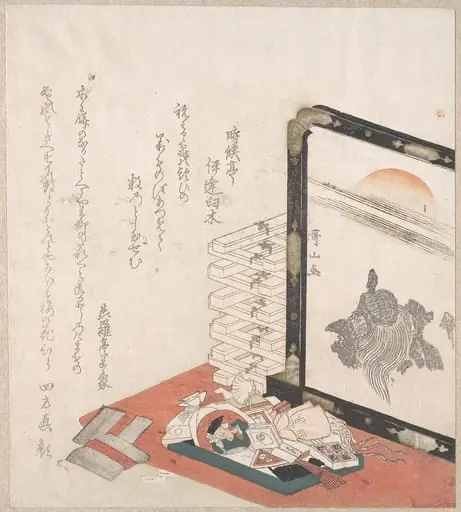
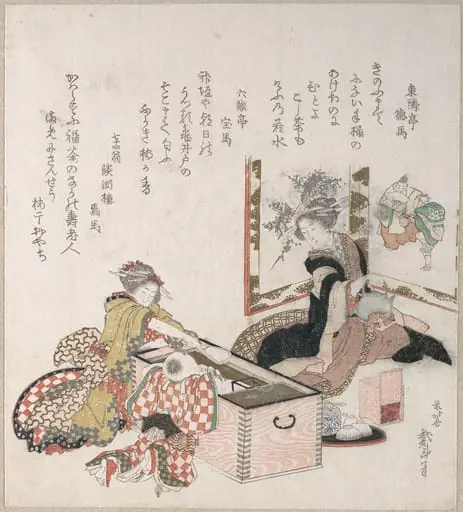
Untitled is an ink print by the Romanticist artist Kita Busei. It dates from 1816 and is held in the collection of the Metropolitan Museum of Art.
About this work
Overview
This woodblock print, dated 1816, is the work of Kita Busei and belongs to the surimono tradition—a luxury print genre often commissioned for special occasions.
This woodblock print, dated 1816, is the work of Kita Busei and belongs to the surimono tradition—a luxury print genre often commissioned for special occasions. Executed in ink and color on paper, it exemplifies the precision and delicate tonal variation characteristic of Japanese printmaking. The composition centers on a large, bald figure whose robe contains an unexpected proliferation of smaller forms, creating a visual puzzle that invites closer inspection.
Subject & Meaning
The central figure, draped in a loose robe, cradles a cluster of diminutive, elaborately dressed individuals within its folds. Their presence suggests a narrative or jest, possibly referencing a folk tale, poetic allusion, or seasonal greeting common in surimono. The inclusion of a stretching cat and two ceramic vessels—likely tea containers—adds domestic detail, grounding the whimsy in everyday life while leaving the exact story deliberately ambiguous.
Technique & Style
The print employs traditional woodblock techniques, with fine lines and subtle color gradations achieved through multiple carved blocks. Shading is rendered through controlled cross-hatching and layered washes, demonstrating the printer’s command over texture and depth. The contrast between the expansive, simplified form of the central figure and the intricate detailing of the miniature figures highlights the artist’s skill in balancing scale and complexity within a single plane.
History & Provenance
Created in 1816 during the late Edo period, this surimono was likely produced for a private patron or literary circle rather than mass distribution. It entered the collection of The Metropolitan Museum of Art through documented acquisition, preserving its original condition and context. Surimono like this were often exchanged among poets and artists, making such works rare and culturally significant artifacts of intimate artistic exchange.
Context
Surimono prints emerged in the early 19th century as exclusive, hand-printed works, often commissioned to celebrate events like New Year’s or poetry gatherings. Unlike commercial ukiyo-e, they prioritized artistic experimentation and personal symbolism. This print reflects the era’s fascination with layered meaning, humor, and the interplay between the mundane and the fantastical, aligning with broader literary and aesthetic trends of the time.
Legacy
Though Kita Busei is not among the most widely recognized printmakers, this work exemplifies the quiet ingenuity of surimono artists who operated outside mainstream markets. Its preservation in a major museum underscores the value placed on these intimate prints as vehicles of wit, craftsmanship, and cultural nuance. The piece continues to inform scholarly understanding of Edo-period visual humor and the boundaries of print as a personal art form.
Artist & collection


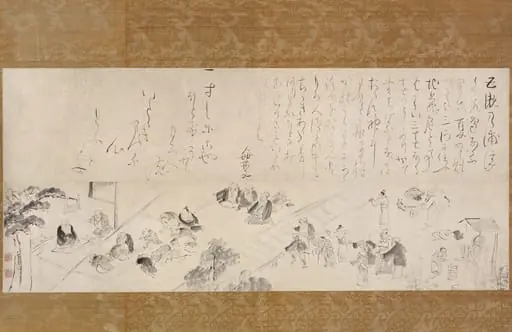 Group Pilgrimage to the Jizo Nun
 Untitled
 Untitled
 Untitled
 Untitled
 Untitled
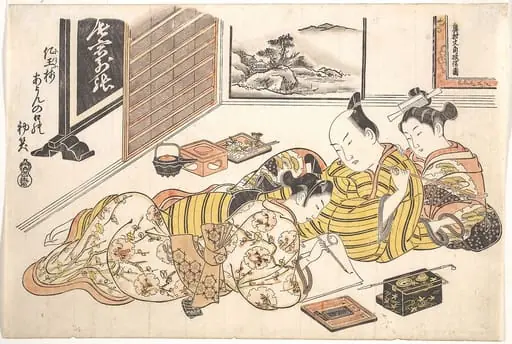 『閨の雛形』 正月|Plate from the Erotic Book Mounds of Dyed Colors: A Pattern Book for the Boudoir (Someiro no yama neya no hinagata), First Month
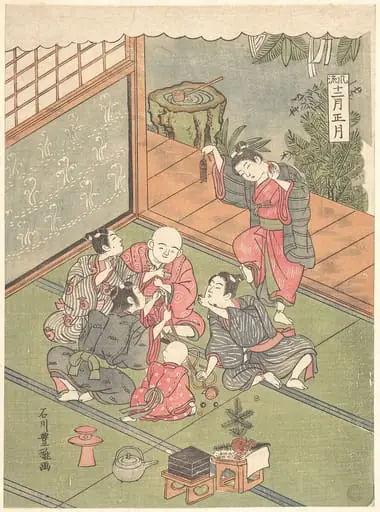 Shō gatsu|The First Month
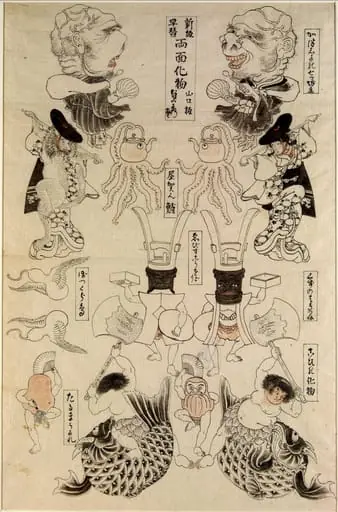 Mendicant Monk in Katsushika and Others
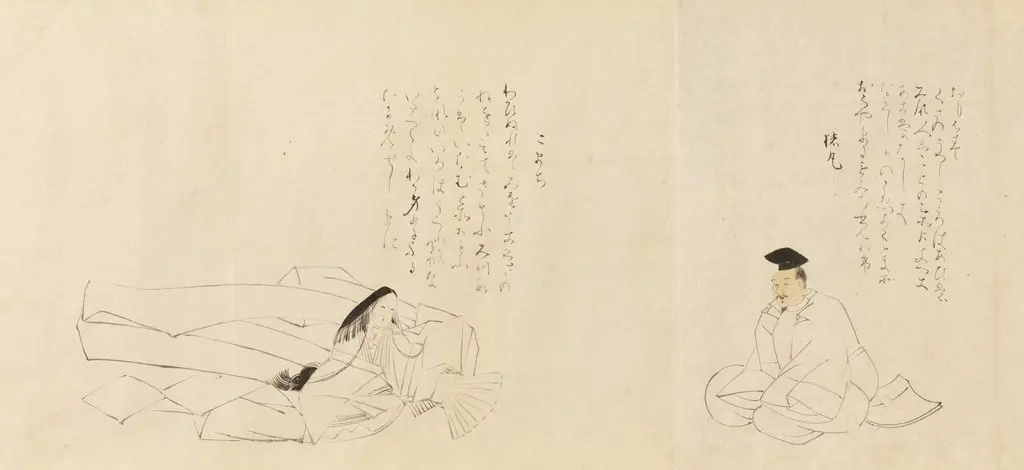 The Thirty-Six Poetic Immortals (Sanjūrokkasen)
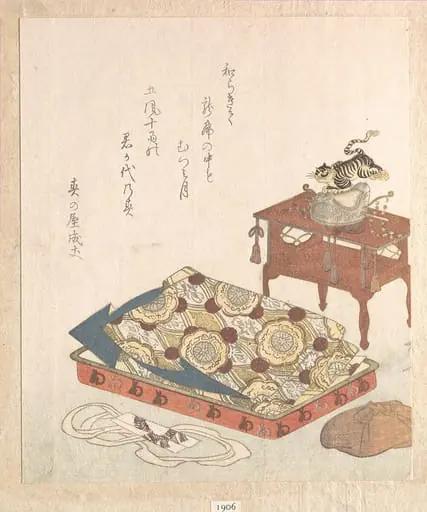 舞楽衣装『春雨集』 摺物帖|Costume for Bugaku Court DanceFrom the Spring Rain Collection (Harusame shū), vol. 1
 Untitled