Artwork
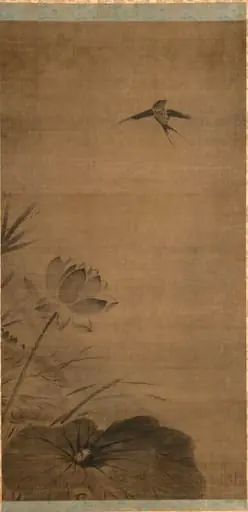
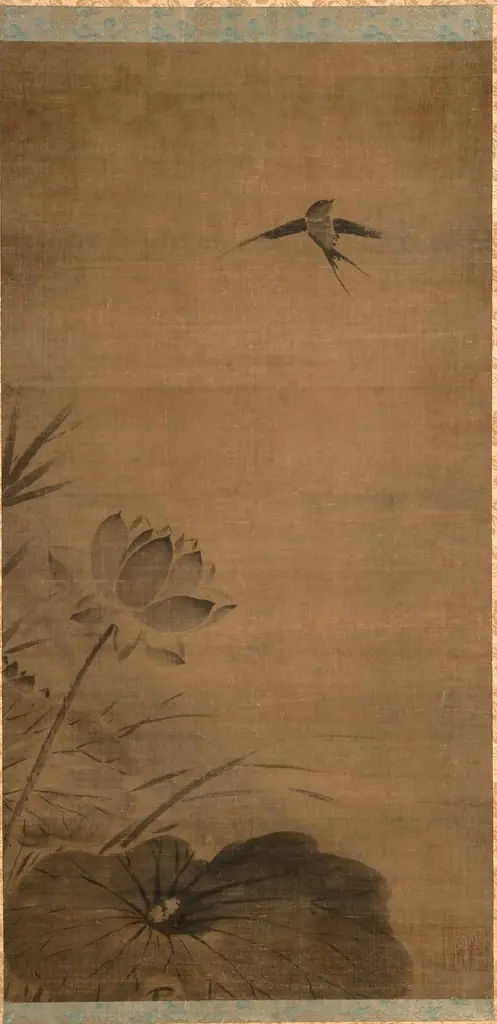
明呂紀荷渚睡鳧 軸
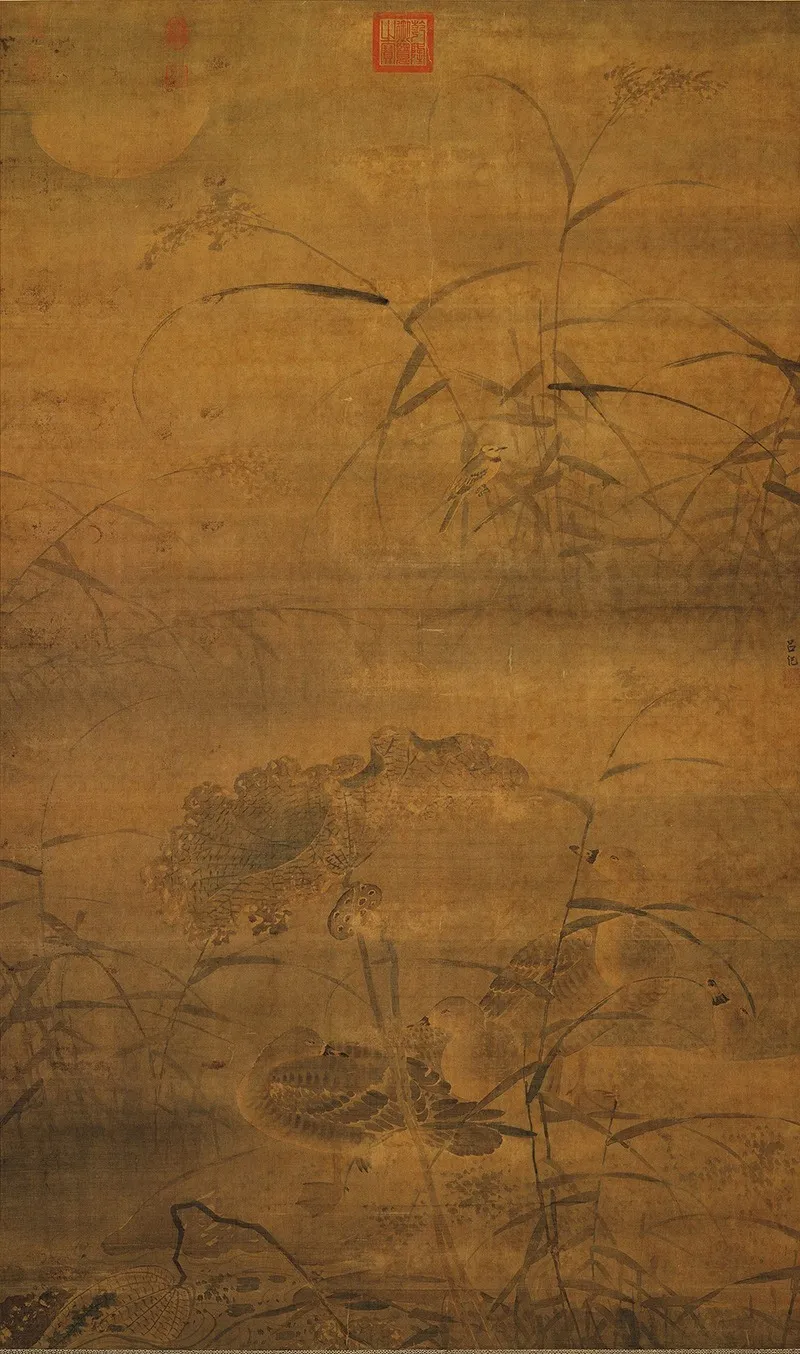
明呂紀荷渚睡鳧 軸 is an unspecified painting by Lü Ji. It is held in the collection of the National Palace Museum.
About this work
Overview
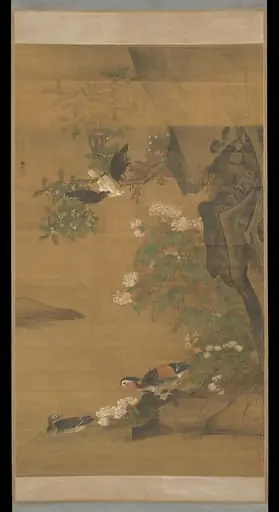
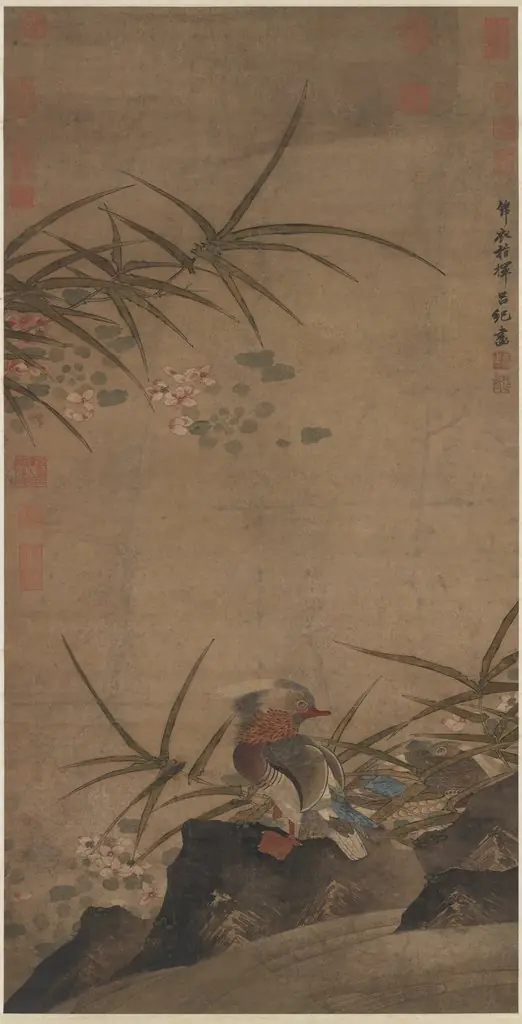
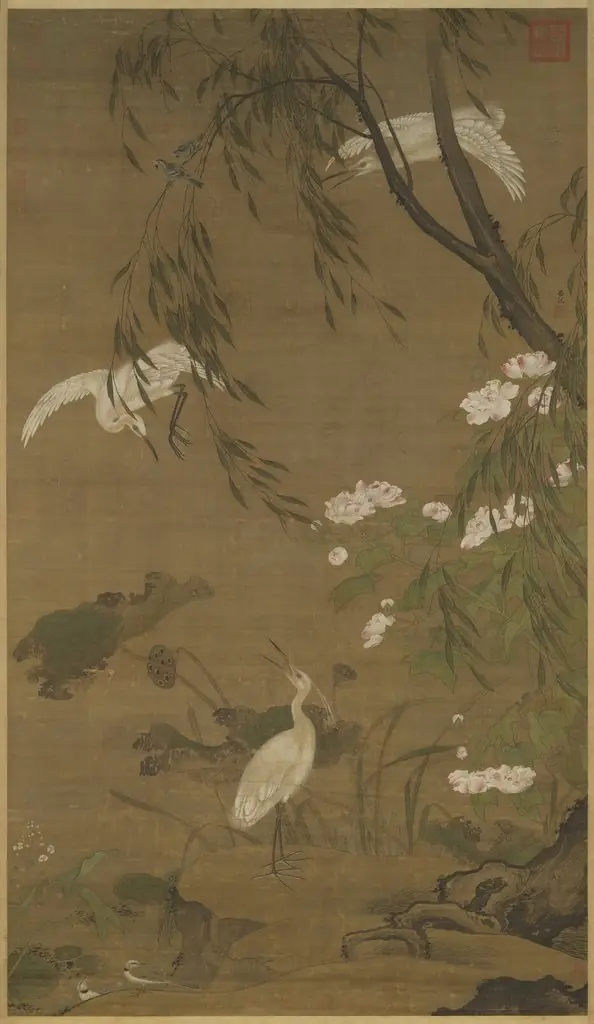
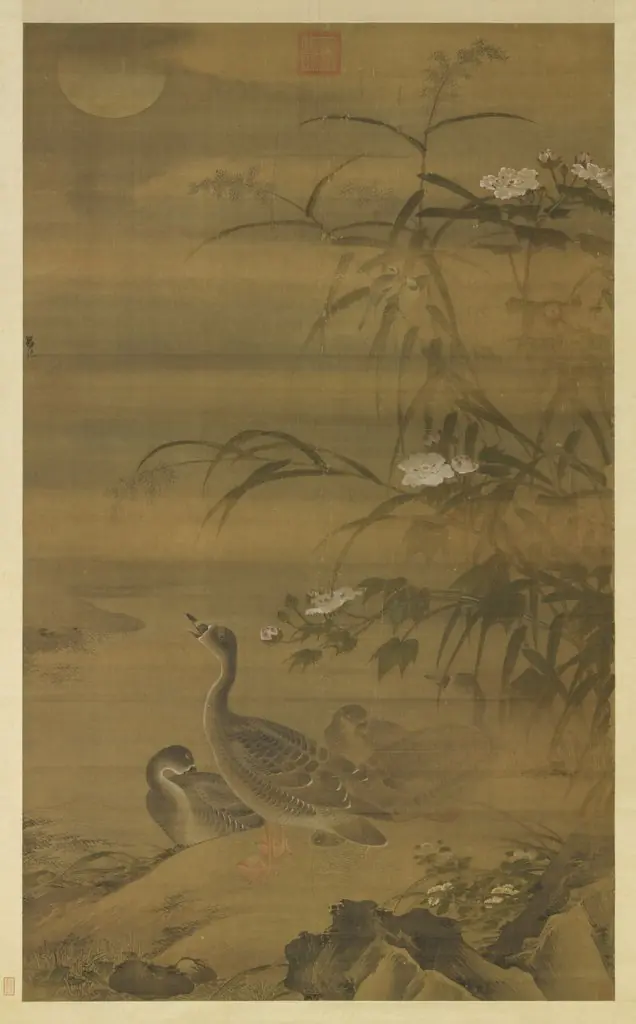
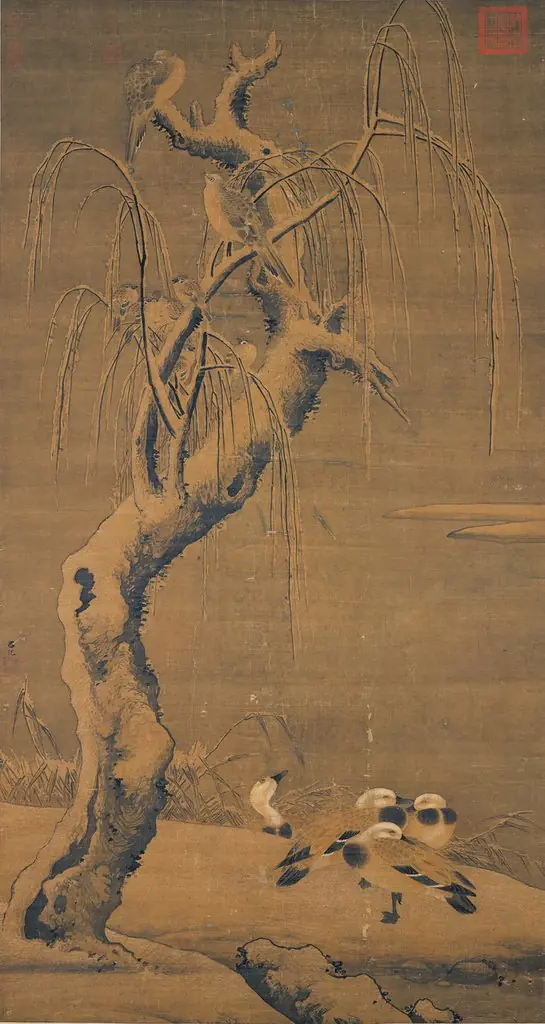
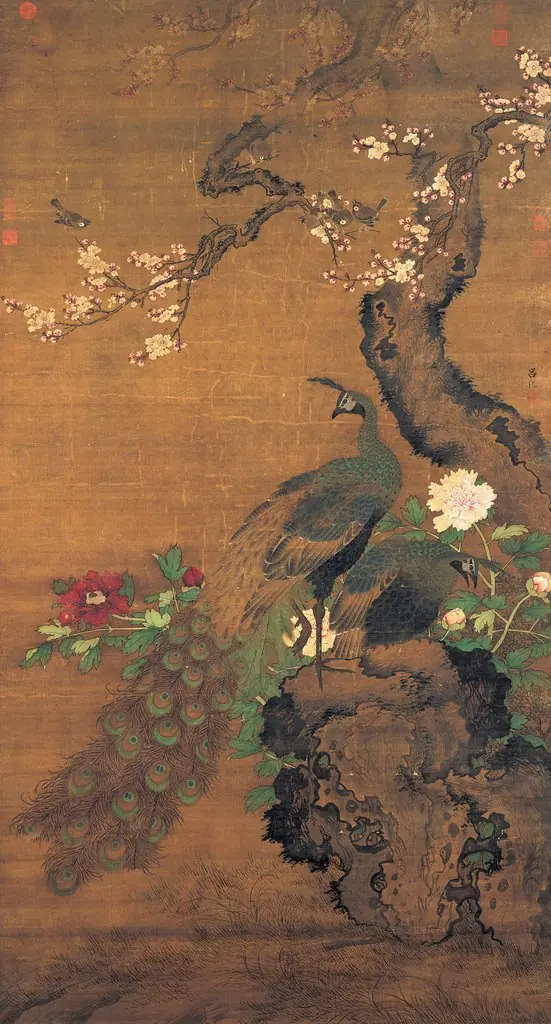
This hanging scroll, painted on silk by the Ming dynasty artist Lü Ji, depicts a tranquil natural scene centered on waterfowl resting among dense vegetation.
This hanging scroll, painted on silk by the Ming dynasty artist Lü Ji, depicts a tranquil natural scene centered on waterfowl resting among dense vegetation. The choice of silk as a support enhances the delicacy of the brushwork, allowing fine details to emerge with subtle texture. The composition avoids dramatic action, instead cultivating a mood of stillness and quiet observation, characteristic of courtly naturalist painting in 15th-century China.
Subject & Meaning
The painting portrays a pair of ducks nestled on a branch above a quiet water surface, surrounded by leaves and reeds. Rather than symbolizing specific allegories, the scene reflects a broader Ming ideal of harmony between creatures and their environment. The birds’ relaxed posture and the absence of predators suggest an untroubled natural order, aligning with Confucian and Daoist values of balance and serenity.
Technique & Style
Lü Ji employed fine, controlled brushstrokes to render individual feathers and leaf veins with precision, using ink and light color washes on silk. The delicate layering of pigments creates a soft luminosity on the foliage, while the birds’ forms are rendered with anatomical accuracy. The composition is asymmetrical yet balanced, with negative space suggesting depth and still water without explicit depiction.
History & Provenance
Created during the early Ming court period, the work likely originated in the imperial painting academy where Lü Ji was an official artist. Such scrolls were often commissioned for palace decoration or as gifts among elites. Its survival in good condition suggests careful preservation, possibly within imperial or aristocratic collections before entering modern institutional holdings.
Context
Lü Ji worked alongside other court painters who specialized in bird-and-flower subjects, a genre valued for its technical rigor and moral undertones. His style bridged the detailed realism of Southern Song traditions with the refined elegance favored by Ming emperors. This painting exemplifies how nature was studied not merely as observation but as an expression of cosmic order and imperial virtue.
Legacy
Lü Ji’s approach influenced later generations of Chinese naturalist painters, particularly in the meticulous rendering of avian anatomy and botanical detail. While not widely known outside specialist circles today, his works remain important references for understanding the evolution of court painting in the Ming dynasty and the enduring appeal of quiet, observed nature in Chinese art.
Artist & collection