Artwork
Letter D
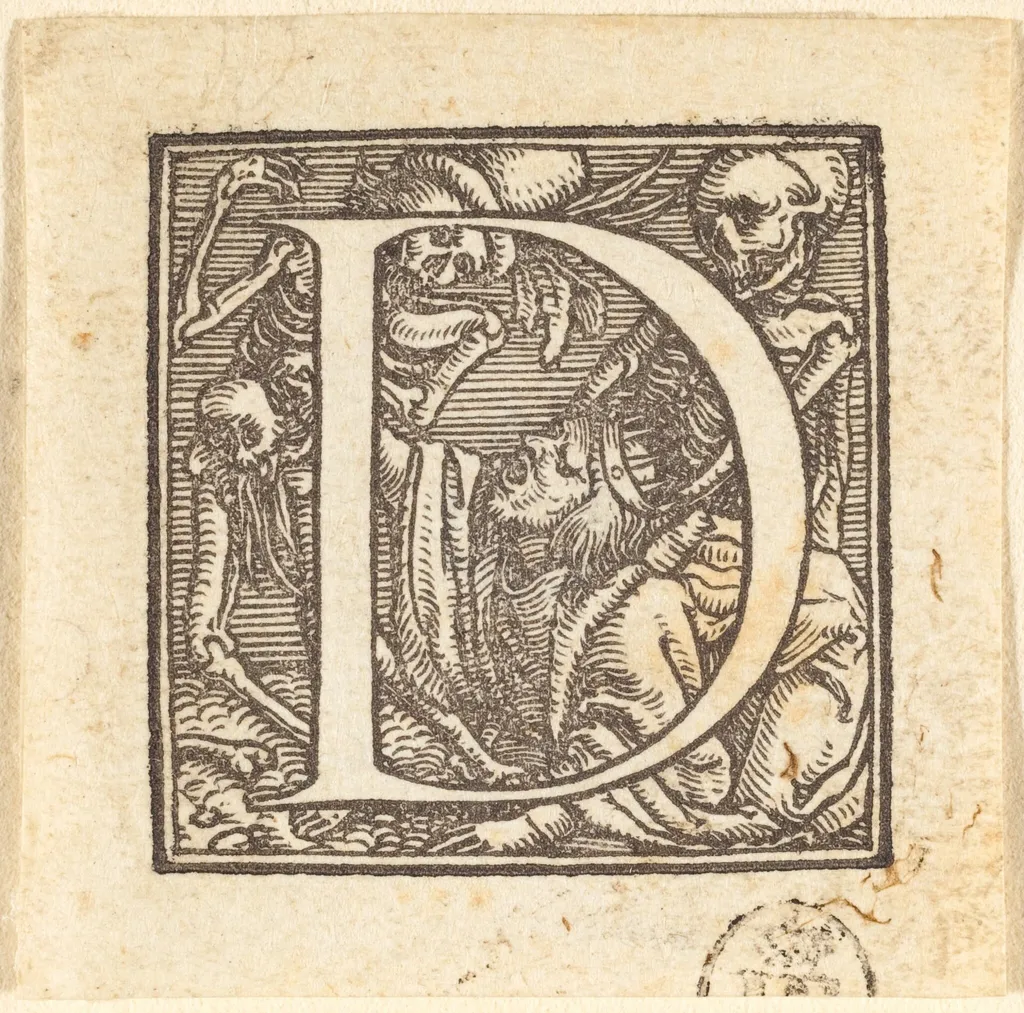
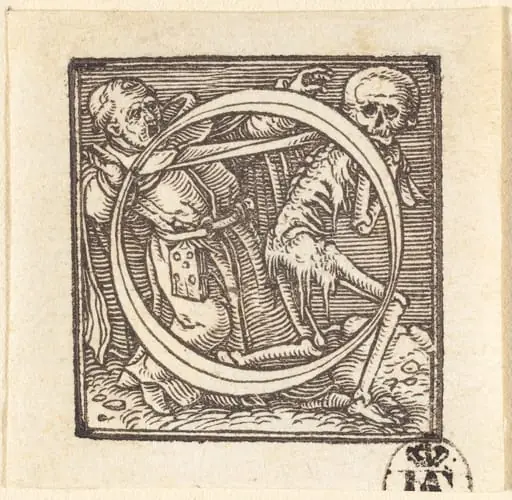
Letter D is an ink print by the Renaissance artist Hans Lützelburger. It dates from 1523 and is held in the collection of the National Gallery of Art.
About this work
Overview
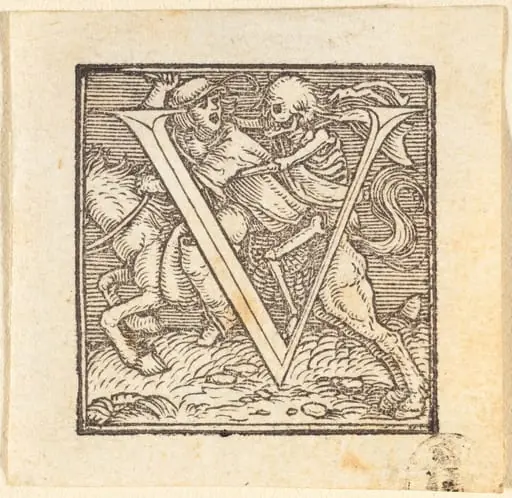
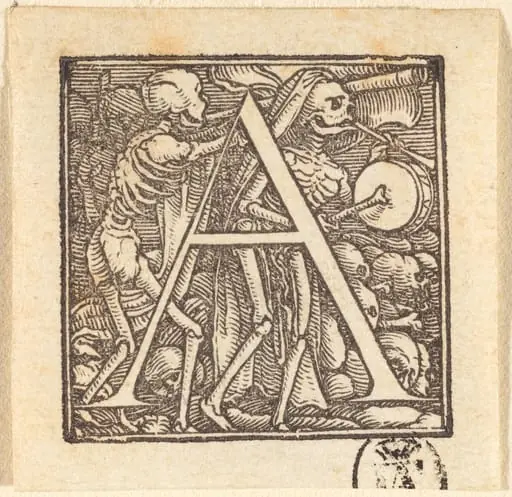
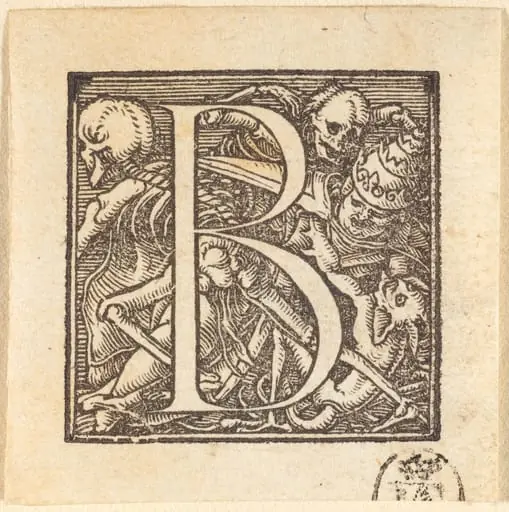
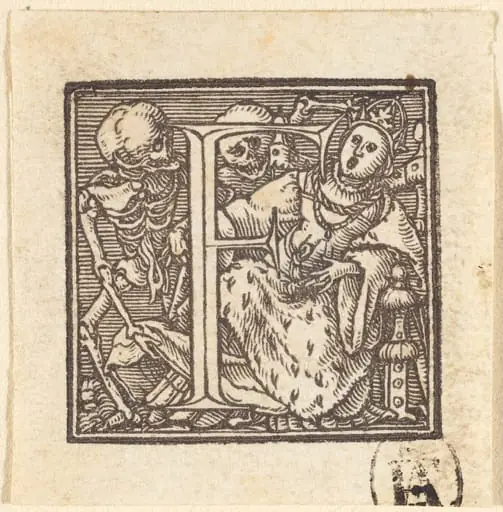
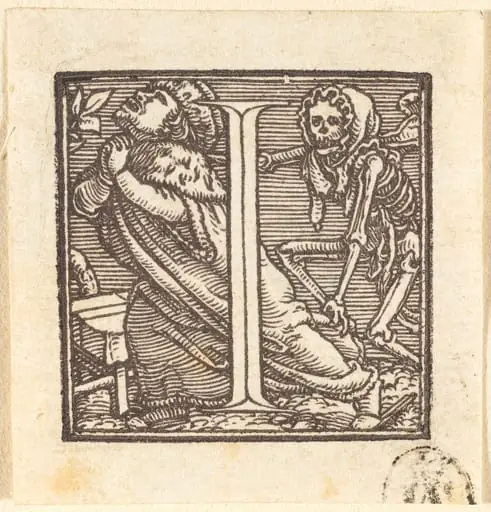
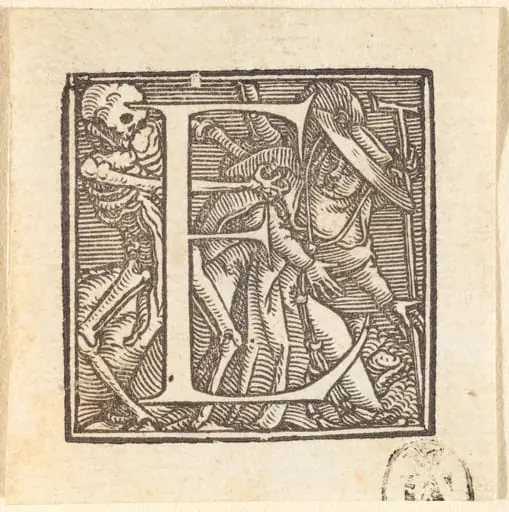
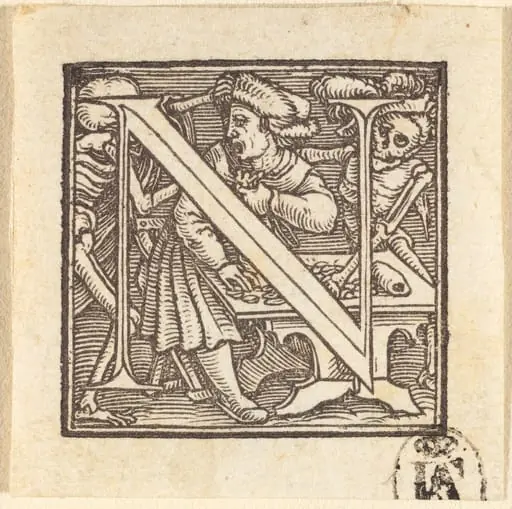
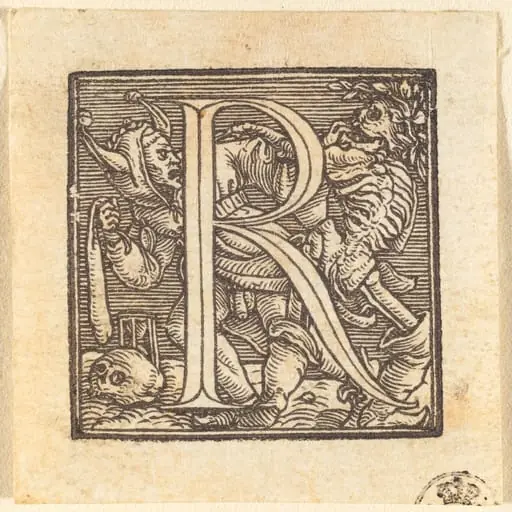
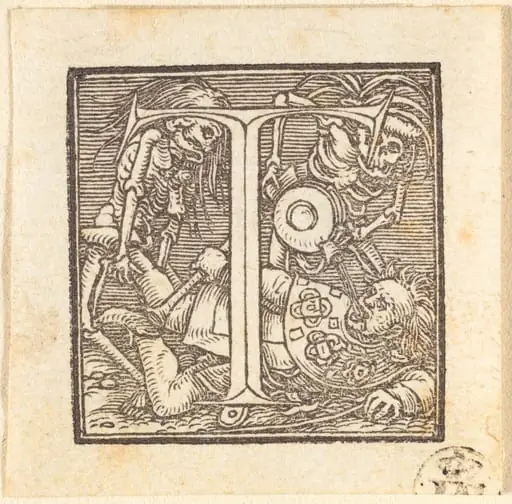
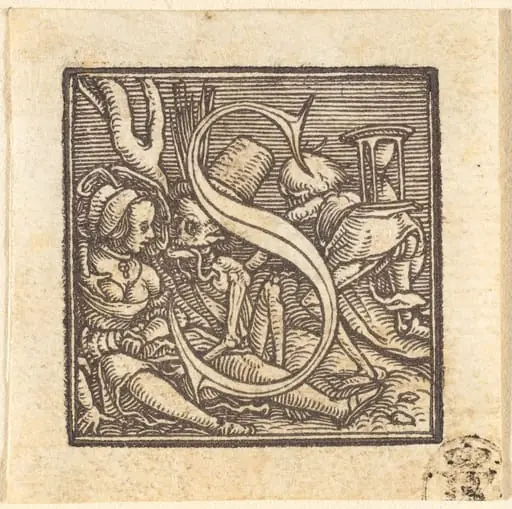
The work is a woodcut print dating from around 1523, depicting the capital letter D within a richly ornamented square border. The central glyph dominates the composition, while the surrounding frame is filled with intricate motifs and figurative elements, including a figure bearing a weapon.
Technique & Style
Created by the German blockcutter Hans Lützelburger, the piece exemplifies the high level of precision for which he was renowned. Lützelburger, primarily a cutter rather than a designer, executed the image by carving a single wood block, a method typical of early 16th‑century printmaking in Augsburg.
Subject & Meaning
Beyond its function as an alphabetic character, the decorative border reflects the Renaissance fascination with elaborate allegorical and ornamental designs. The inclusion of a sword‑wielding figure suggests a possible reference to martial virtues or heraldic symbolism associated with the letter.
Context
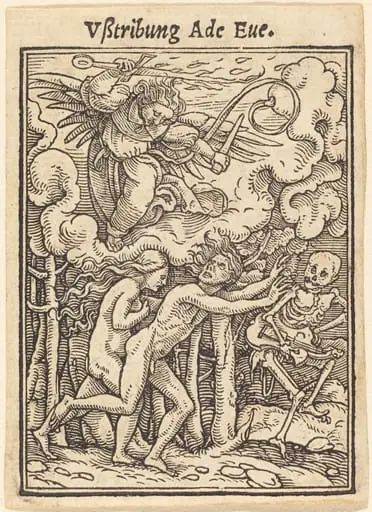
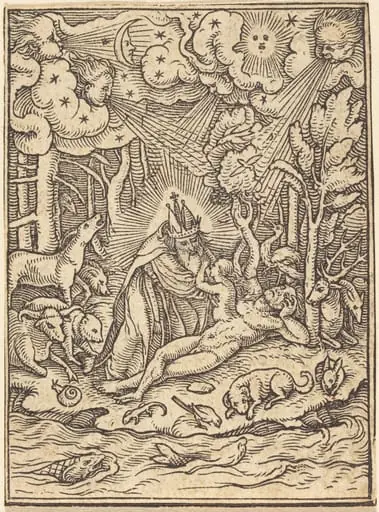
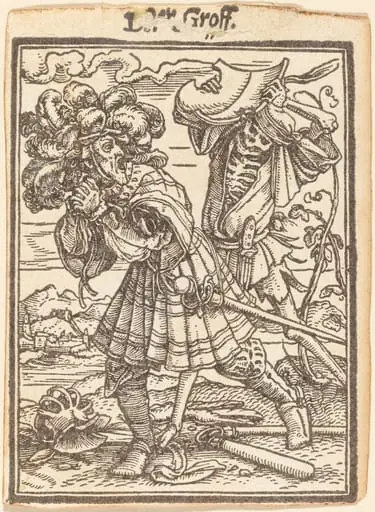
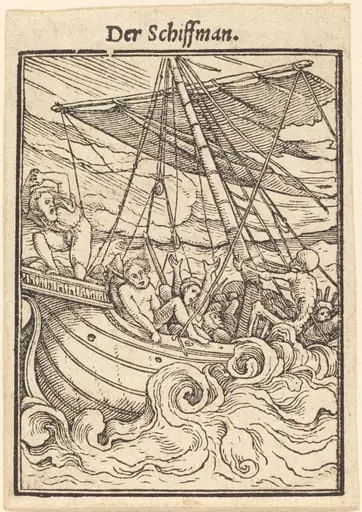
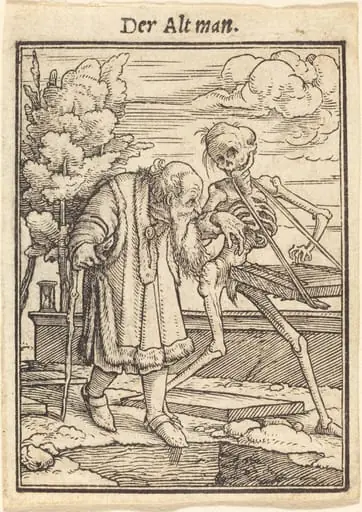
Lützelburger was active in Augsburg from roughly 1516, working under the publisher Jost de Negker and signing the reverse side of his blocks. His career is most noted for cutting the tiny woodcuts of Hans Holbein the Younger’s *Dance of Death* series, a project he left unfinished at his death in 1526.
Legacy
The *Letter D* woodcut illustrates the collaborative nature of early Renaissance print production, where specialist cutters like Lützelburger translated designs into reproducible images. It remains a representative example of the period’s typographic ornamentation and the technical skill of German woodcut artisans.
Artist & collection

Artist
Hans Lützelburger (died June 1526), also known as Hans Franck, was a German blockcutter ("formschneider") for woodcuts, regarded as one of the finest of his day.