Artwork
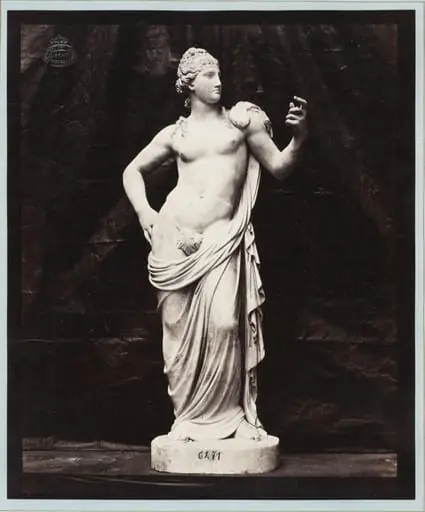
Bronze statuette
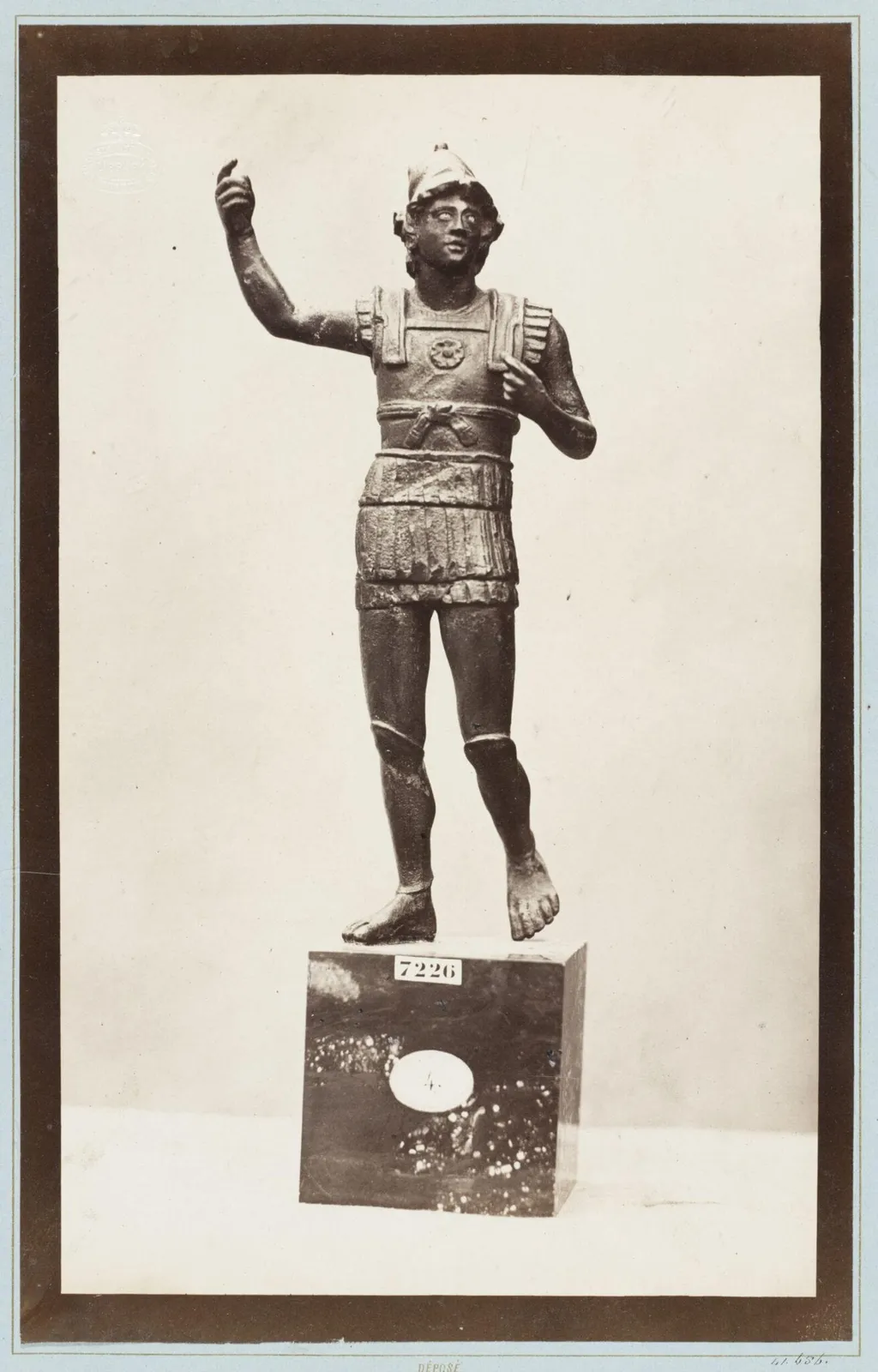
Bronze statuette is a photographic photography by the Impressionist artist Louise Laffon. It dates from 1864 and is held in the collection of the Victoria and Albert Museum.
About this work
The Victoria and Albert Museum collected early photos to help artists learn.
Louise Laffon made a bronze statuette in 1863-1864.
Photographs were brand new then—this piece shows that moment.
The Victoria and Albert Museum collected early photos to help artists learn.
Laffon was overlooked for years, but now we see her work again.
The museum started buying photos in the 1850s to teach drawing.
It was the first to show photos as art, not just tools.
Check out the Victoria and Albert Museum next.
Overview
This photograph, taken by Louise Laffon, captures a bronze statuette. It represents an early example of photography's application in documenting art objects.
Subject & Meaning
The subject of the photograph is a bronze statuette, likely from the Campana Collection. Laffon's work demonstrates the use of photography to record and study artworks.
History & Provenance
The Victoria and Albert Museum acquired 500 photographs from Laffon's series in 1864. The museum had been collecting photographs since 1852 to aid artists and students, and was the first to exhibit them in 1858.
Context
Laffon's photograph reflects the early adoption of photography in art documentation. As a member of Le Société Française de la Photographie, she contributed to the growing field.
Legacy
Laffon's work was overlooked for years, but is now recognized as part of the V&A's early photographic collection, highlighting the museum's pioneering role in using photography for educational purposes.
Artist & collection
Artist
Louise Laffon (1828–1885), was a French photographer and painter. She was one of the first female professional photographers in France. She had a studio in Paris between 1859 and 1876.

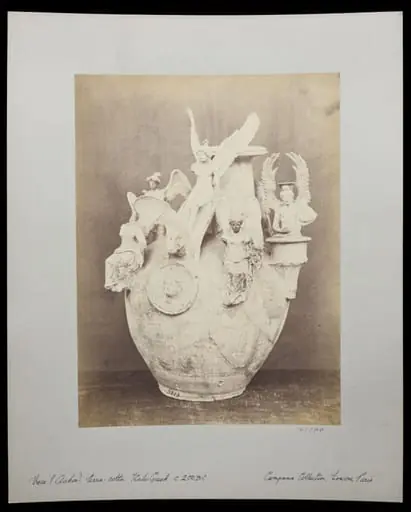 Perfume Burner in terra cotta
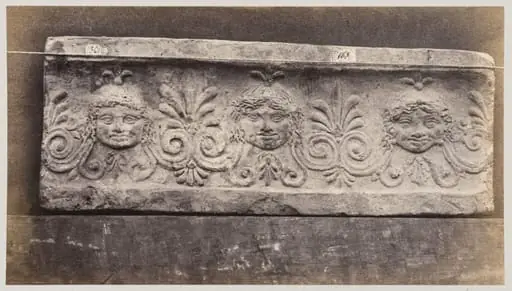 Three masques of gorgons in terra cotta
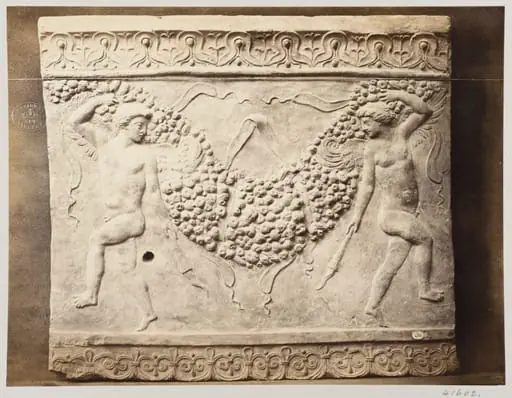 Bas-relief of portion of frieze of dancing figures with torches bearing festoon of fruit in terra cotta
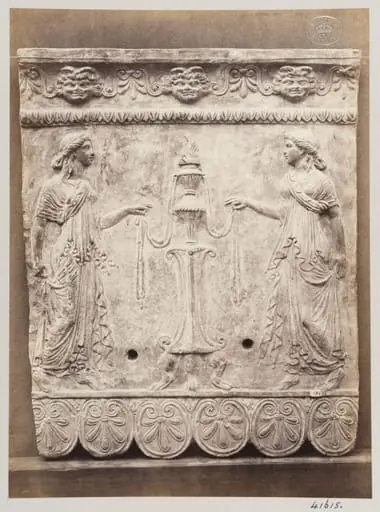 Bas-relief portion of a frieze of two draped females and an altar in terra cotta
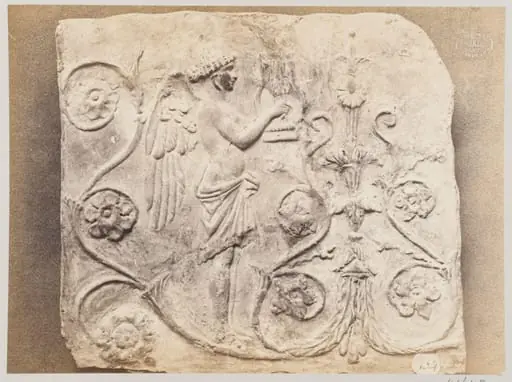 Bas-relief of a geni and a lyre in terra cotta
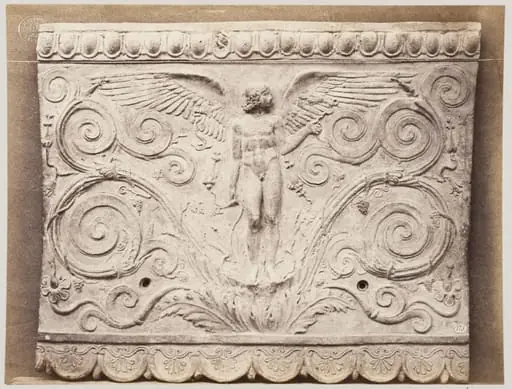 Bas-relief of a portion of frieze of Eros with scrollwork in terra cotta
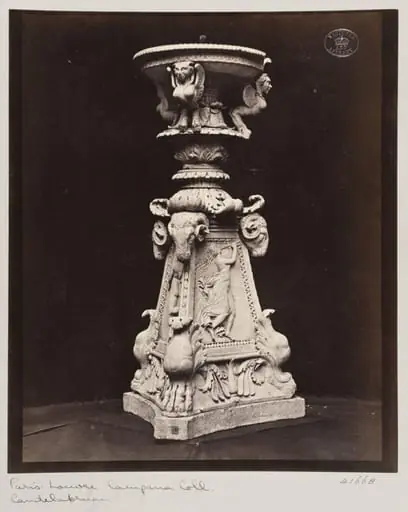 Marble sculptured fountain
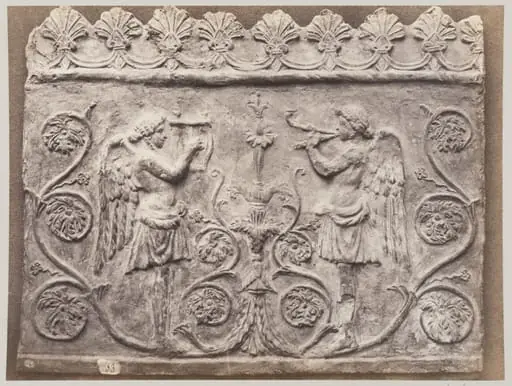 Bas-relief portion of frieze of Genii with double flutes and lyre
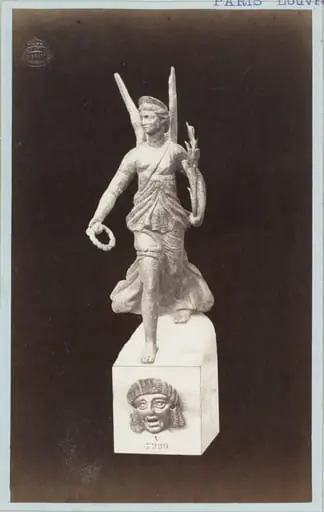 Bronze statuette (possibly of Victory?)
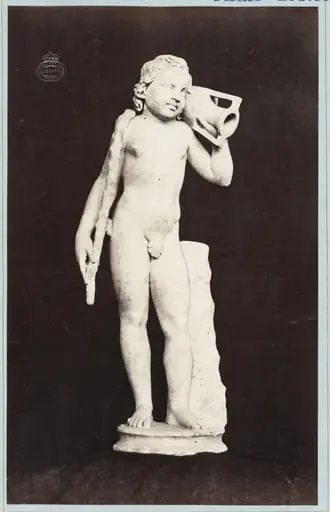 Infant Hercules statuette in marble
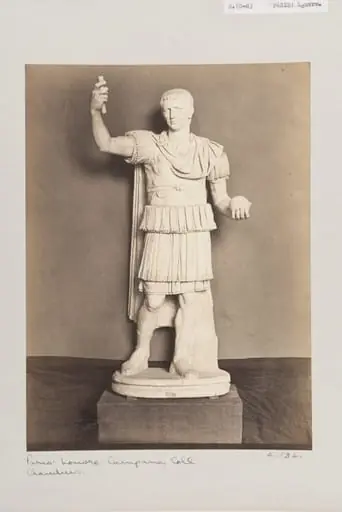 Marble Statue of Emperor Claudius
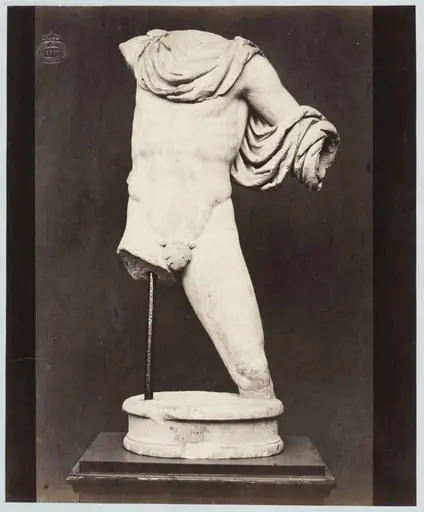 Fragment of a small marble statue
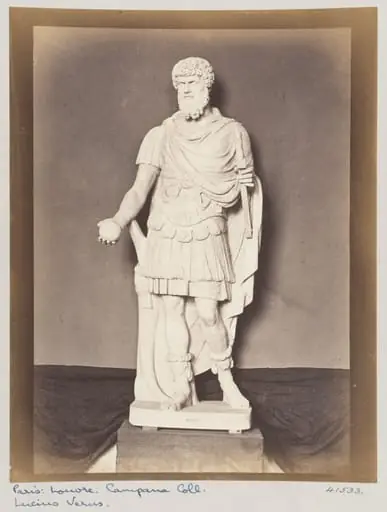 Marble Statue of Lucius Verus
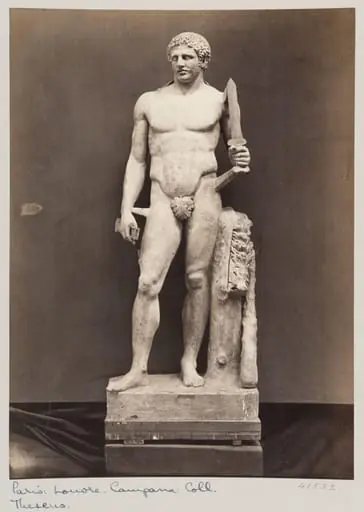 Marble Statue of Theseus
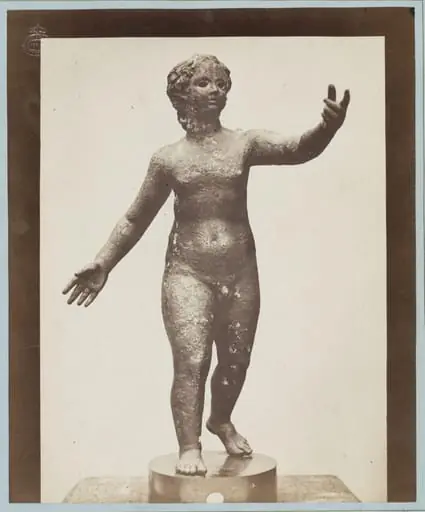 Bronze statuette of a child
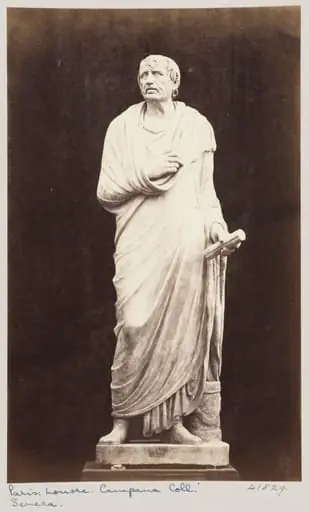 Marble Statue of Seneca
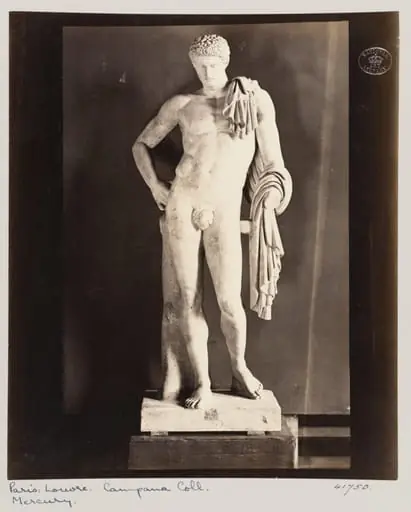 Marble statue of Theseus or Hercules
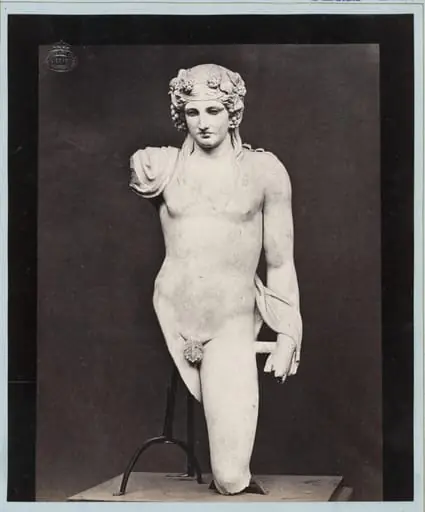 Fragment of a marble statue of Baccus
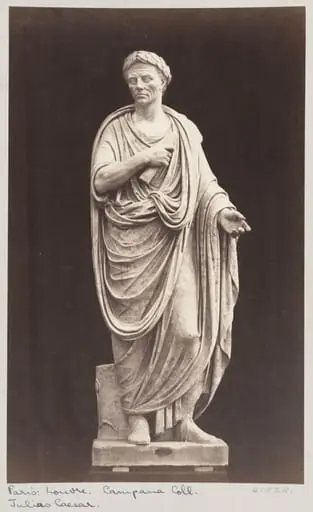 Marble Statue of Julius Caesar
 Unidentified marble statue