Artwork
Fort Attock with Bridge of Boats and Khairabad
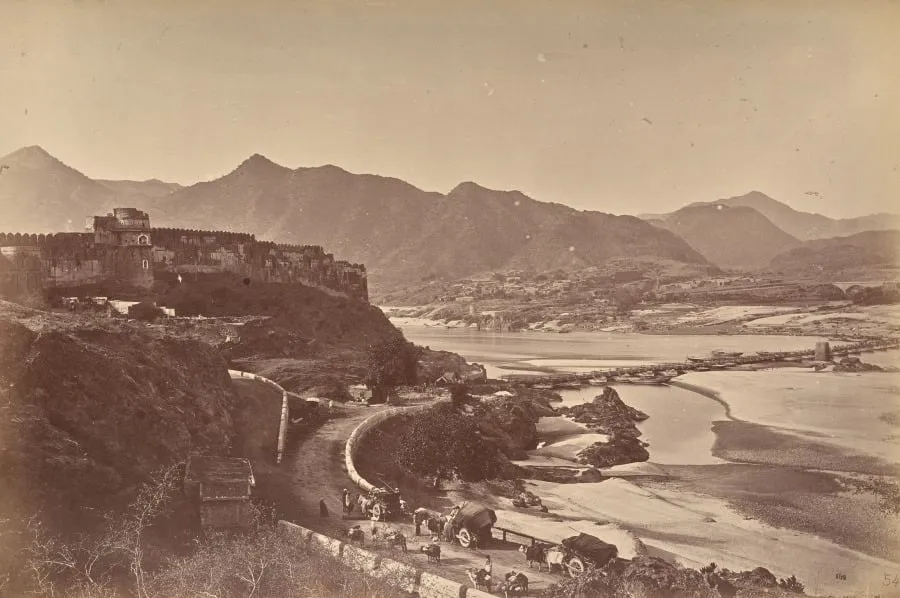
Fort Attock with Bridge of Boats and Khairabad is a photography by the Impressionist artist John Burke. It dates from 1879 and is held in the collection of the Cleveland Museum of Art.
About this work
Look up more of John Burke (Irish, 1845–1915) to see how early war photos shaped what we know about history.
You see a quiet river, a wooden bridge on boats, and a stone fort under a pale sky. Soldiers in red coats stand near tents and cannons.
This wasn’t painted—it’s one of the first photos taken during a war. Cameras then were too slow for battle, so Burke shot the places where fighting happened. The photo feels still, but the war was loud and messy.
Look up more of John Burke (Irish, 1845–1915) to see how early war photos shaped what we know about history.
Overview
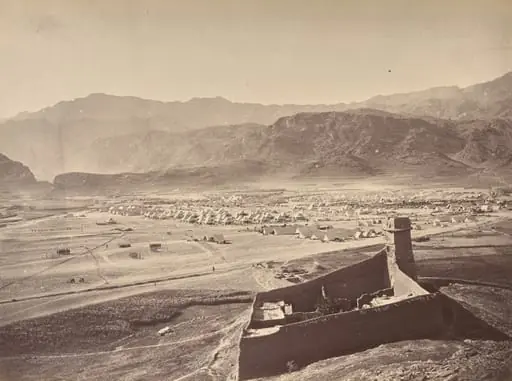
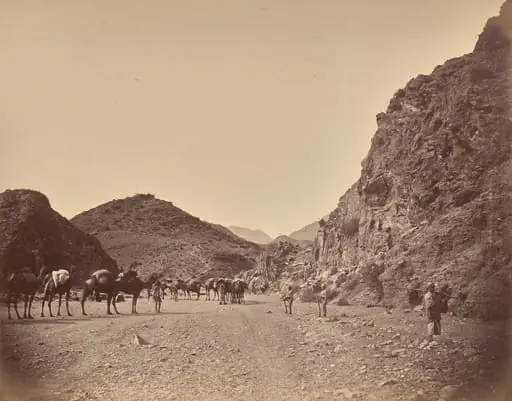
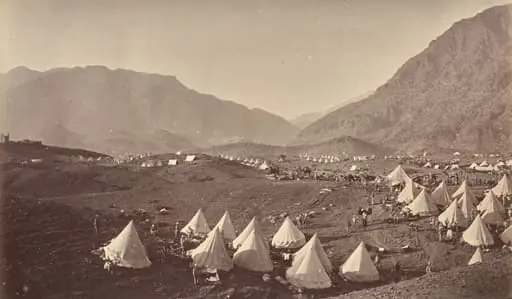
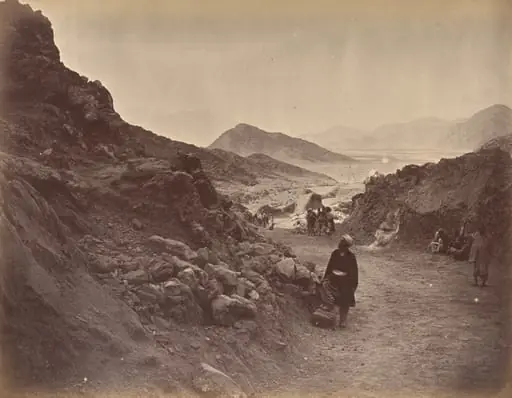
This photograph, taken during the Second Anglo-Afghan War (1878–1880), captures Fort Attock with a floating wooden bridge and the nearby settlement of Khairabad. It is one of many images by John Burke, who documented British military operations across Afghanistan. Due to technical limitations, the camera could not record motion, so Burke focused on static scenes: terrain, structures, and encampments that framed the war’s presence without depicting combat.
Subject & Meaning
The image presents a quiet, almost serene landscape—stone fortifications, a river, and tents—yet it implicitly conveys military occupation. The presence of soldiers in red coats and artillery near the bridge signals British control over strategic points. The absence of battle scenes does not diminish its significance; rather, it reflects how early war photography conveyed power through infrastructure and presence rather than action.
Technique & Style
Burke used large-format glass plate negatives and wet-collodion processes, requiring long exposures and cumbersome equipment. The resulting image has sharp detail in architecture and figures, but motion is frozen, giving the scene a stillness that contrasts with the war’s chaos. Composition emphasizes horizontal lines—the river, bridge, and horizon—anchoring the fort as a stable, enduring structure amid fluid terrain.
History & Provenance
John Burke, an Irish photographer based in India, was commissioned by the British government to document the campaign. His photographs were widely circulated in albums and illustrated press, forming a visual record for audiences in Britain. This image likely originated from one of his published collections, preserved in institutional archives and private holdings as part of early colonial visual documentation.
Context
The Second Anglo-Afghan War arose from British fears of Russian influence in Central Asia. Fort Attock, guarding a key crossing on the Indus River, was a vital logistical node. Burke’s photographs served both strategic and propagandistic purposes, offering the British public a controlled view of imperial reach. The absence of Afghan combatants in the frame reflects the perspective of the occupying force.
Legacy
Burke’s work established a visual language for war photography that prioritized geography and infrastructure over violence. His images became foundational references for later historical accounts, shaping perceptions of colonial conflict. Though static, they remain among the earliest photographic records of military campaigns in South Asia, influencing how war’s physical footprint is documented and remembered.
Artist & collection

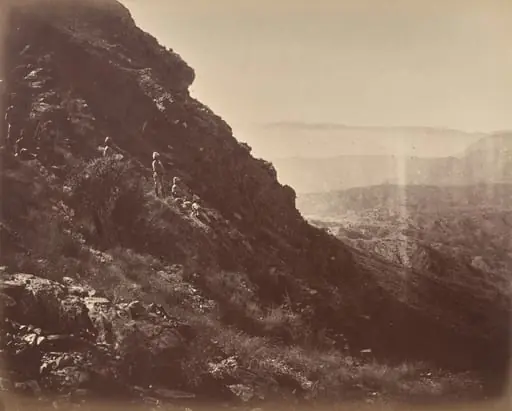
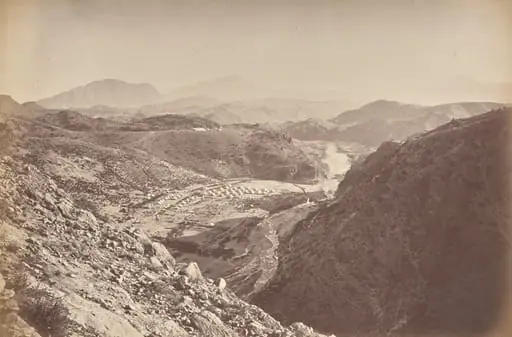 General View from Ali Musjid
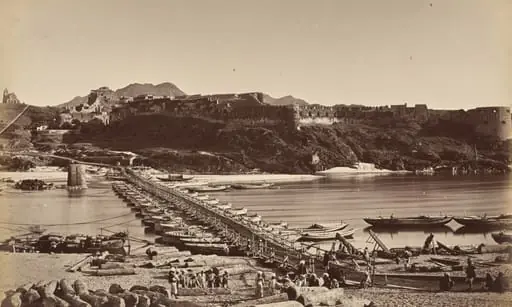 The Bridge of Boats and Fort from Khairabad
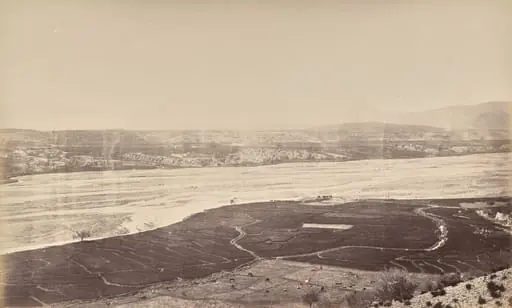
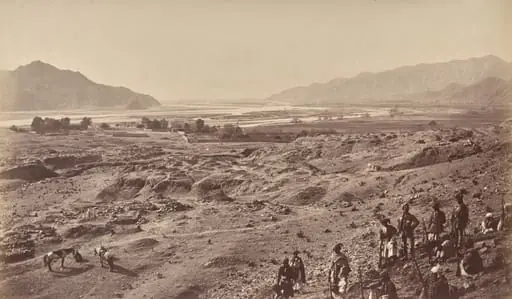 River Gorge Above Lalpura
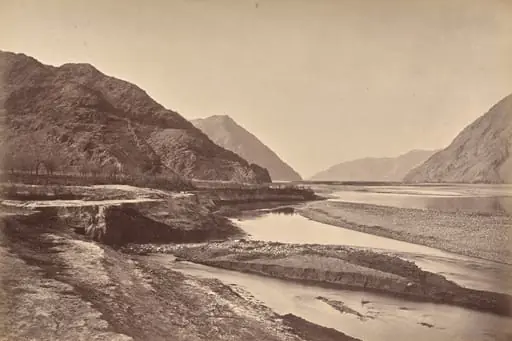 The River Gorge
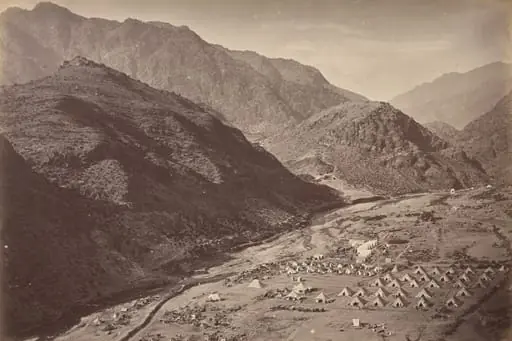 Ali Musjid and Camp from Sultan Tarra
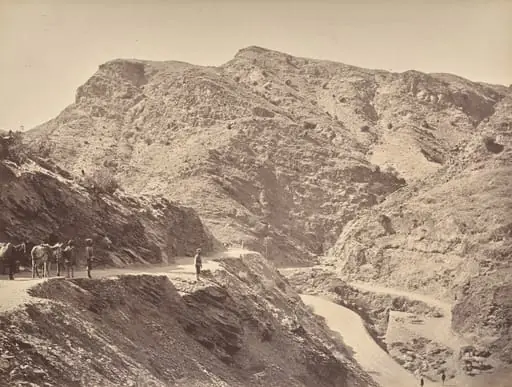 Landi Kotal Pass
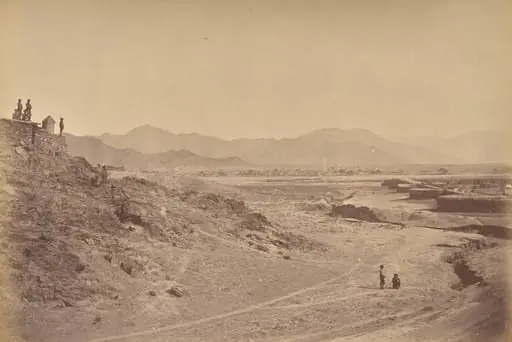 Dakka Fort and Lalpura
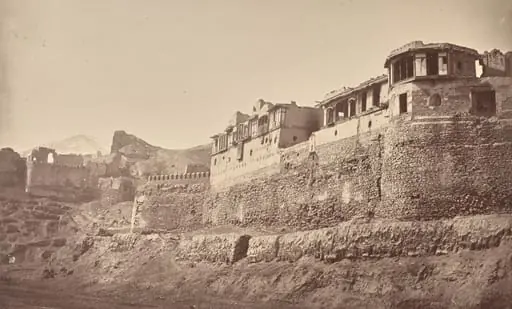 South Wall, Bala Hissar & Residency
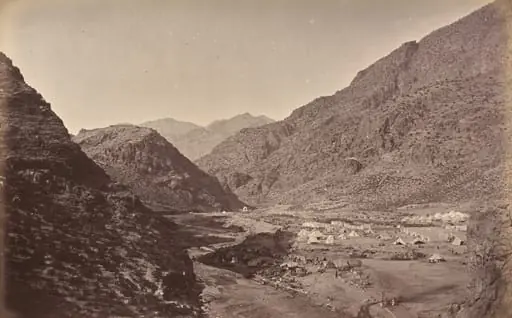 Ali Musjid and Camp
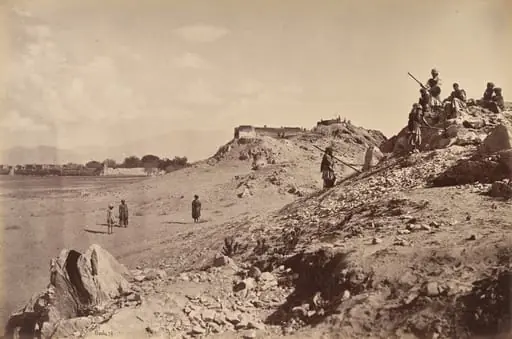 Jellalabad, Pipers Hill
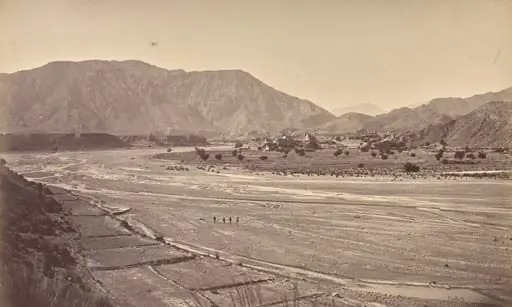 Kadm Villages and Pass, Left of Jumrood