Artwork
The Look-Out (The Office of Victor Hugo)
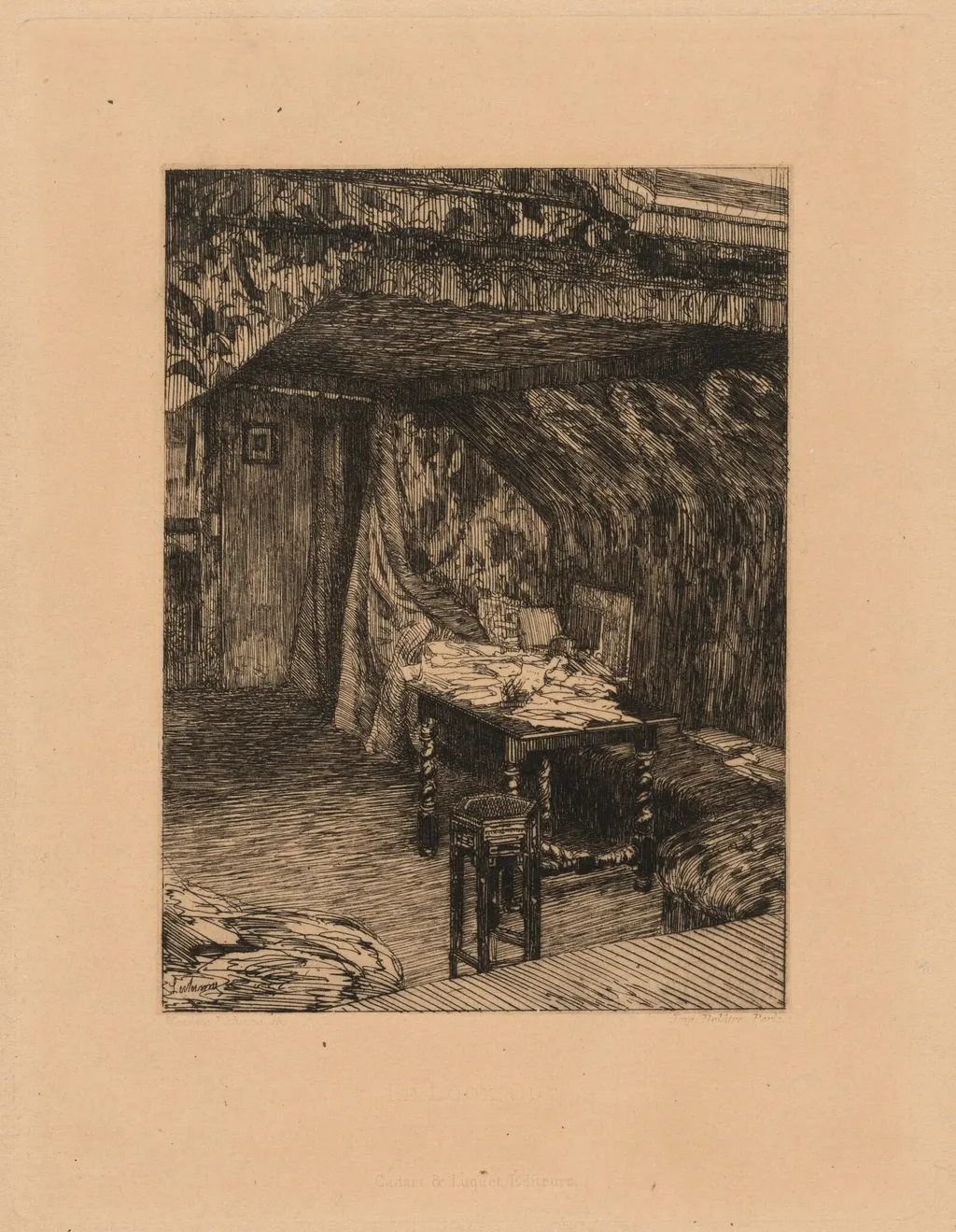
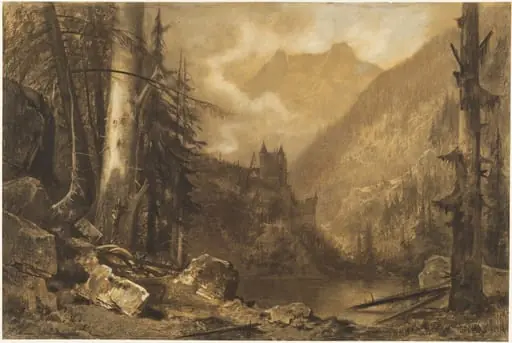
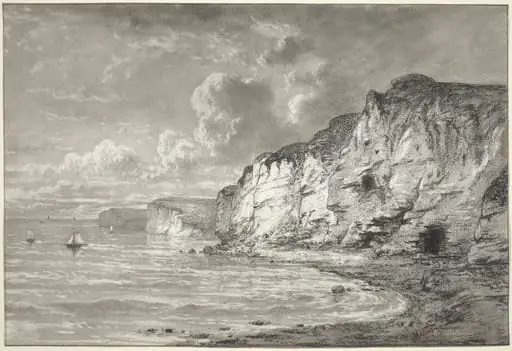
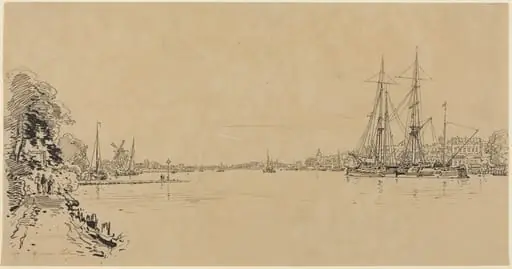
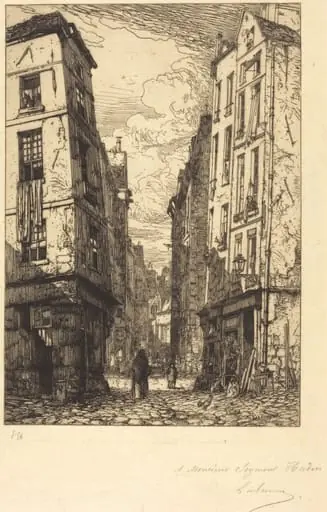
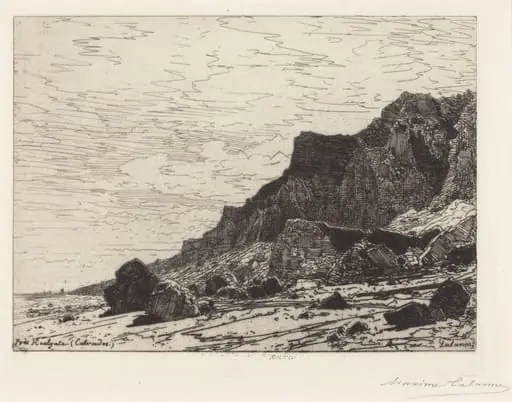
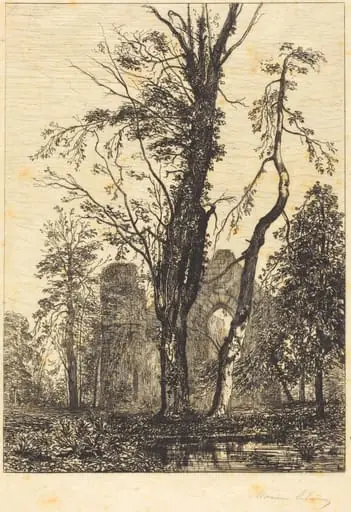
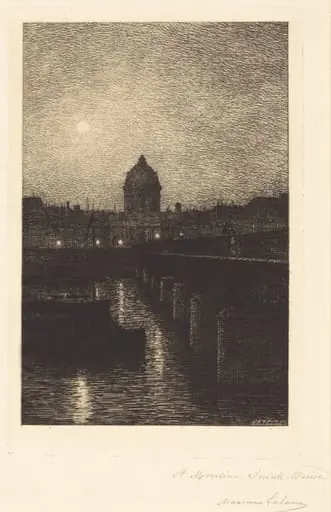
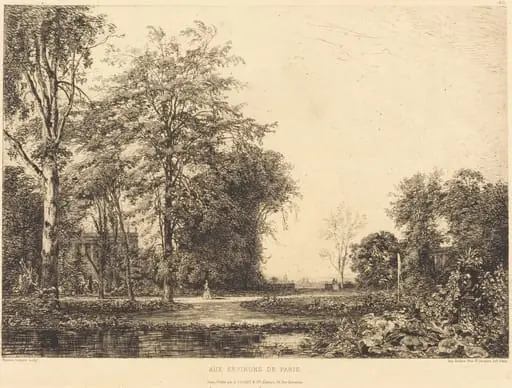
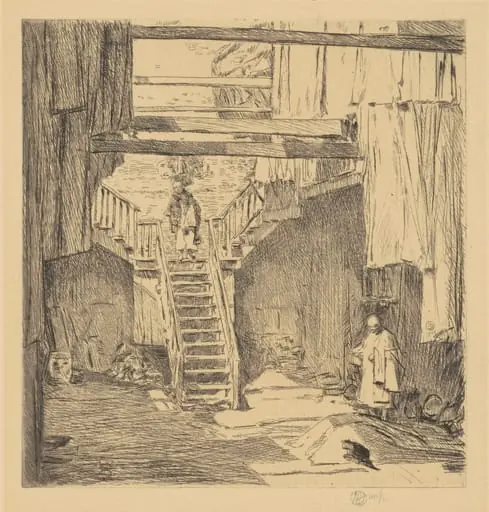
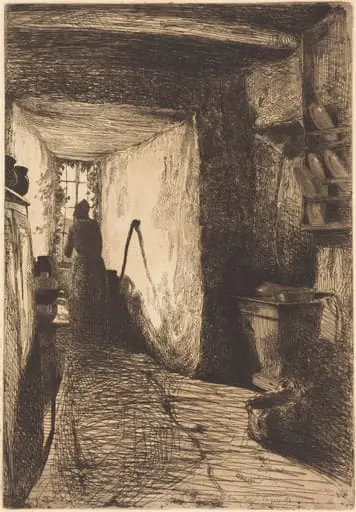
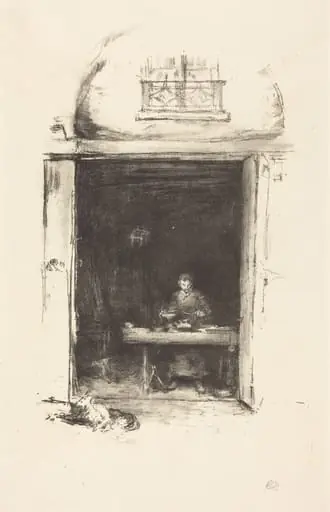
The Look-Out (The Office of Victor Hugo) is an ink print by the Impressionist artist Maxime Lalanne. It dates from 1864 and is held in the collection of the National Gallery of Art.
About this work
Overview
Executed in etching and drypoint on beige laid paper, the work captures a quiet, intimate space with meticulous line work.
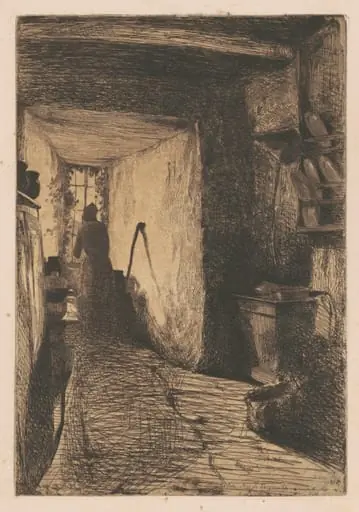
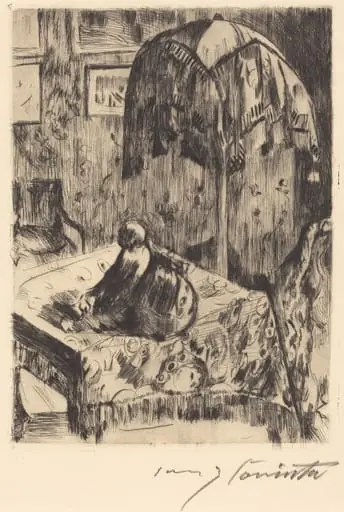
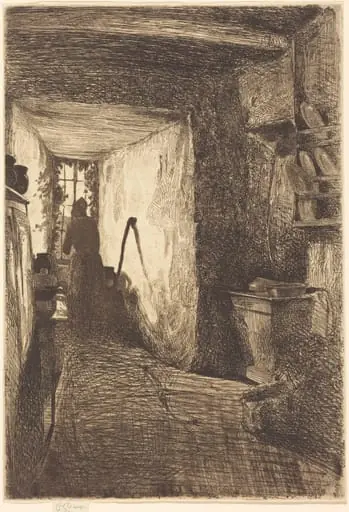
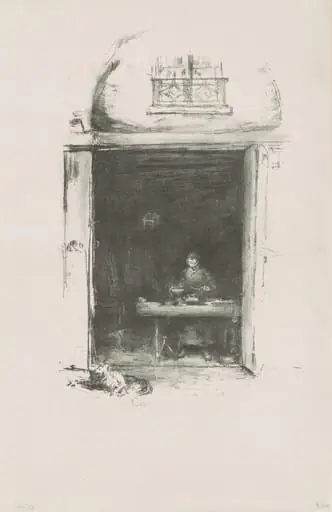
Created in 1864 by French artist François Antoine Maxime Lalanne, this print depicts the interior of Victor Hugo’s study. Executed in etching and drypoint on beige laid paper, the work captures a quiet, intimate space with meticulous line work. It is part of the National Gallery of Art’s collection in Washington, D.C., and exemplifies Lalanne’s skill in rendering atmospheric interiors through tonal precision.
Subject & Meaning
The scene portrays Hugo’s study as a sanctuary of thought, filled with books, a single lamp, and an abandoned chair. The presence of a sleeping dog and scattered papers suggests a momentary stillness after intellectual labor. The dim lighting and clutter imply a life devoted to writing, where personal space becomes a mirror of the mind—unadorned, functional, and deeply inhabited.
Technique & Style
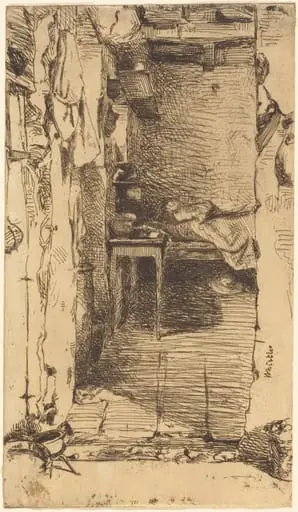
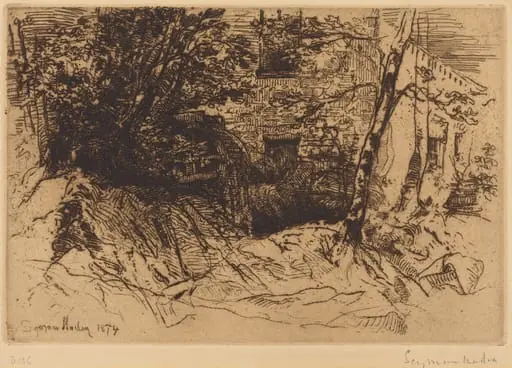
Lalanne employed etching and drypoint to achieve fine, varied lines that model light and shadow with subtlety. The drypoint’s burr adds richness to dark areas, while the etched lines define textures—book spines, wood grain, fabric folds. The beige paper enhances the muted tonality, reinforcing the quietude of the scene. This method was typical of 19th-century printmakers seeking depth without color.
History & Provenance
The print was made in 1864, during Lalanne’s active period as a topographical and interior draftsman. It entered the National Gallery of Art’s collection through established acquisition channels, likely as part of a broader interest in French graphic arts of the period. No earlier provenance is documented beyond its creation and subsequent institutional acquisition.
Context
In mid-19th-century France, artists frequently turned to the private spaces of literary figures as subjects, blending documentary observation with symbolic resonance. Lalanne’s depiction aligns with a trend of portraying writers’ studios as sacred, cluttered realms of creativity—distinct from grand historical narratives, yet rich in cultural meaning.
Legacy
Though not widely reproduced, the print remains a quiet testament to Lalanne’s ability to convey atmosphere through line. It contributes to the understanding of how artists of the time engaged with literary culture, offering a visual counterpart to the written word. Its preservation in a major institution ensures continued access for study and reflection.
Artist & collection
Artist
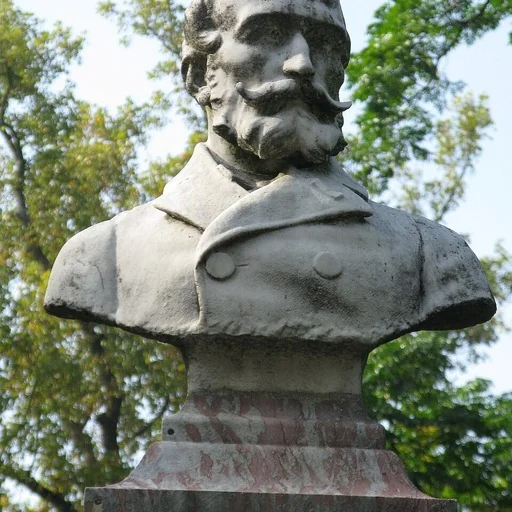
François Antoine Maxime Lalanne (November 27, 1827 – July 29, 1886) was a French artist known for his etchings and charcoal drawings (fusain).