Artwork
Landscape with classical ruins and women bathing
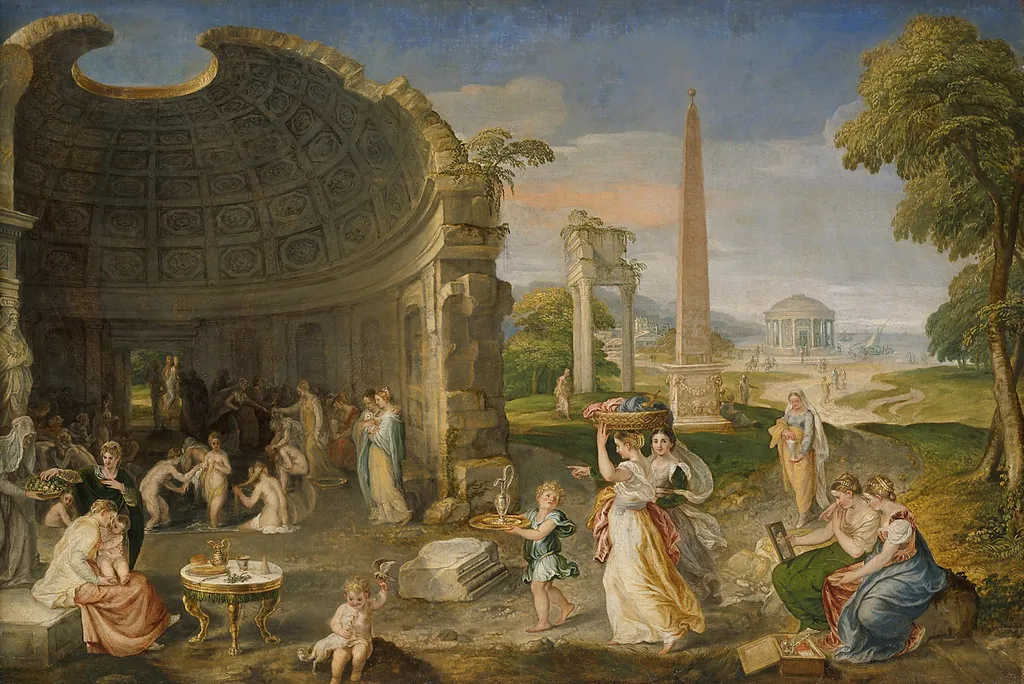
Landscape with classical ruins and women bathing is an oil painting by the Mannerist artist Lambert Sustris. It dates from 1552 and is held in the collection of the Kunsthistorisches Museum.
About this work
Overview
Painted in 1552 by Lambert Sustris, a Dutch artist working in Venice, this oil-on-canvas landscape blends natural scenery with classical architecture.
Painted in 1552 by Lambert Sustris, a Dutch artist working in Venice, this oil-on-canvas landscape blends natural scenery with classical architecture. Sustris, trained in the Venetian milieu and influenced by Titian’s workshop, synthesized Italianate elements into a composition that reflects the Mannerist fascination with idealized nature and antiquity. The scene unfolds in a cultivated garden, where human activity is subtly integrated into the ruins.
Subject & Meaning
The painting portrays a group of women and children engaged in leisurely activities amid ancient stone structures—bathing, resting, and gathering fruit. Rather than depicting mythological narratives, it evokes a quiet, timeless pastoral ideal. The ruins suggest the passage of time and the endurance of classical culture, while the figures’ relaxed demeanor implies harmony between humanity and the remnants of a bygone civilization.
Technique & Style
Sustris employed soft, muted tones—greens, blues, and creamy whites—to create a serene atmosphere. Delicate modeling and graduated lighting, characteristic of chiaroscuro, lend spatial depth and volume to the figures and architecture. The brushwork is refined but not overly detailed, favoring atmospheric cohesion over precision. This approach aligns with Mannerist tendencies to prioritize mood and elegance over naturalistic fidelity.
History & Provenance
Sustris, active in Venice from the 1540s onward, absorbed local artistic currents during his years there, including the stylized forms of Parmigianino and the landscape traditions of Titian’s circle. This painting likely originated as a private commission, reflecting the tastes of Venetian patrons interested in classical themes. Its early documentation is sparse, but its style firmly anchors it within mid-16th-century Venetian painting practices.
Context
In mid-16th-century Italy, depictions of classical ruins alongside contemporary figures were common among artists exploring humanism and antiquity. Sustris’s work fits within a broader trend of Venetian painters who merged landscape with mythic or idyllic scenes, responding to humanist scholarship and the renewed interest in Roman architecture. Unlike Northern European landscapes, this one emphasizes cultivated beauty over wild nature.
Legacy
Sustris’s synthesis of Northern European draftsmanship and Italianate composition influenced later Venetian landscape traditions. While not widely celebrated in his time, his work contributed to the evolution of the poetic landscape in Venetian art, bridging Mannerist elegance and the emerging Baroque interest in atmospheric depth. His approach to integrating figures within ruins became a recurring motif in 17th-century Italian painting.
Artist & collection
Artist
Lambert Sustris (c. 1515/1520 – c. 1584) was a Dutch painter active mainly in Venice. The works Sustris completed in Italy exhibit either a Mannerist style or qualities that may be deemed proto-Baroque. He is also…

 Reclining Venus
 Landscape with Jupiter and Io
 Portrait of a Man
 Nessus and Deianira
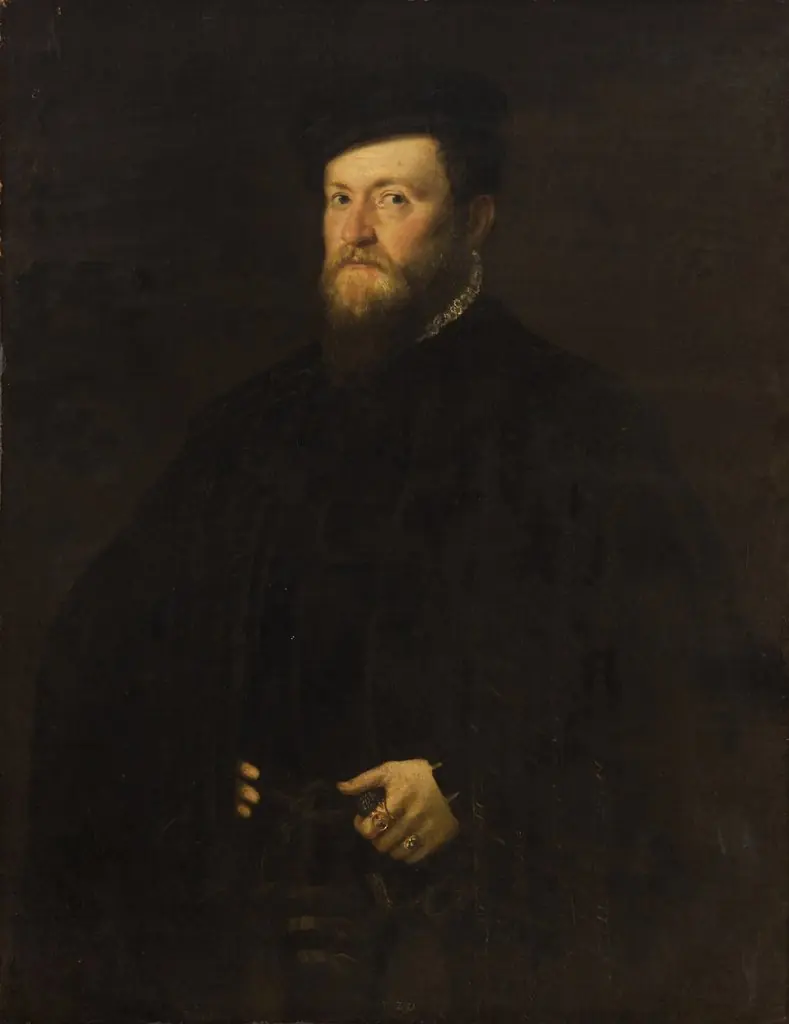 Portrait of a Man in a Cape
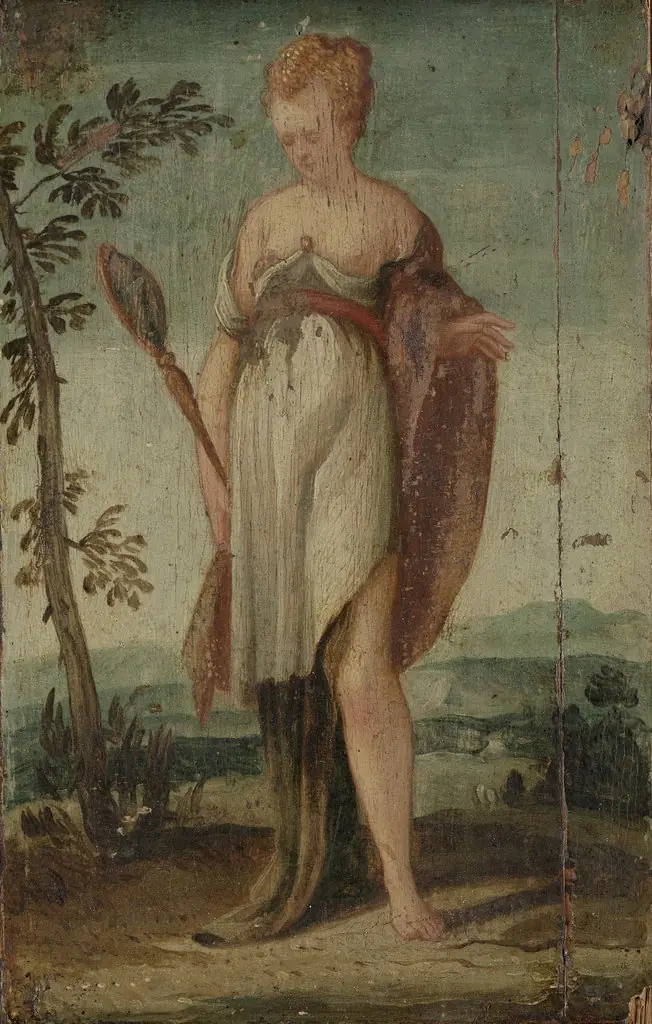 Woman with Mirror
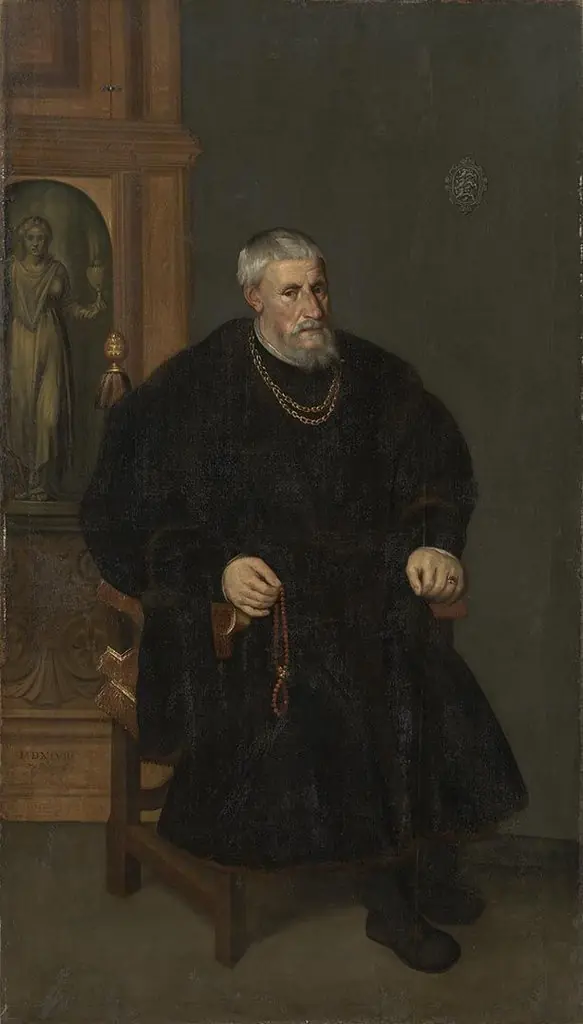 Bildnis des Wilhelm der Ältere, Reichserbtruchsess, Freiherr zu Waldburg, Herr zu Scheer und Trauchburg (1469-1557)
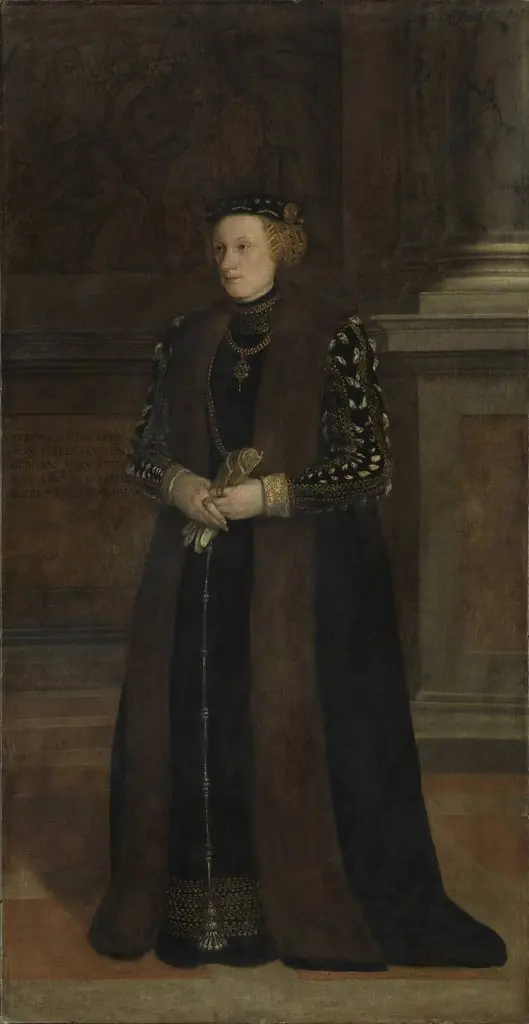 Veronika Vöhlin, geb. von Freyberg zum Eisenberg, Hallenwang und Neidlingen (1523-1582)
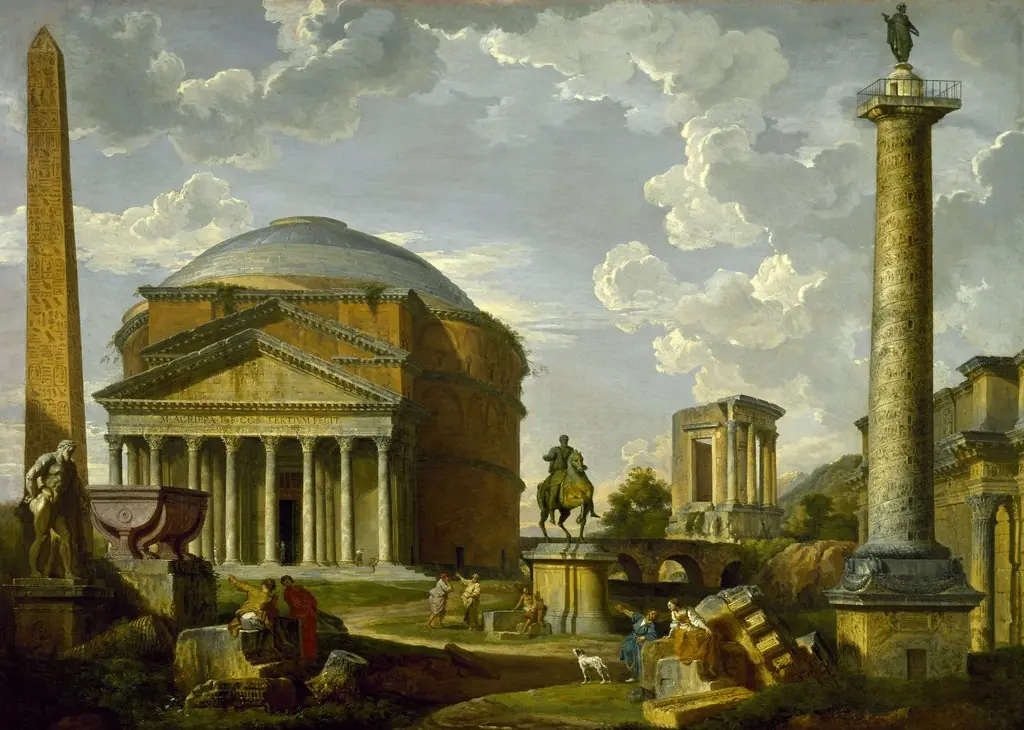 Fantasy View with the Pantheon and other Monuments of Ancient Rome
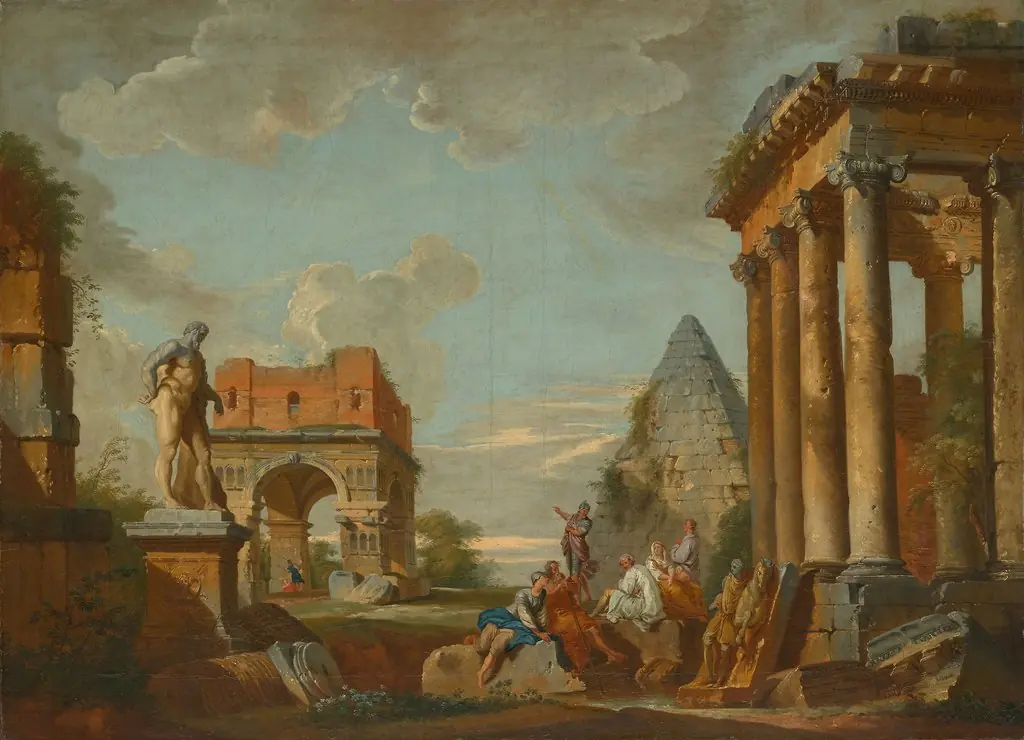 Classical Landscape
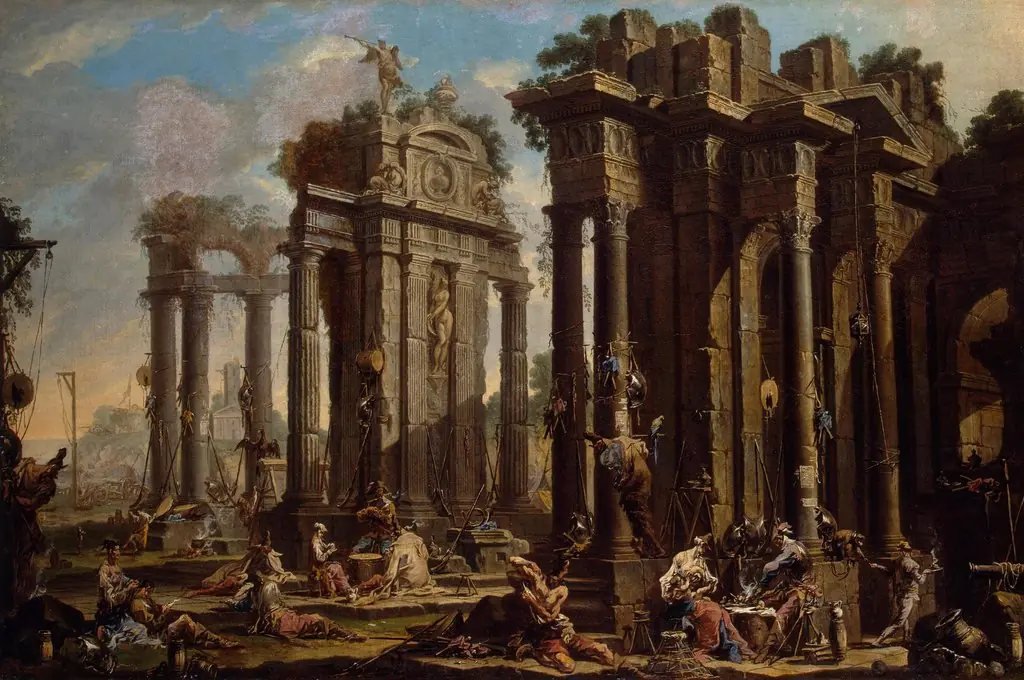 Halt of the Brigands
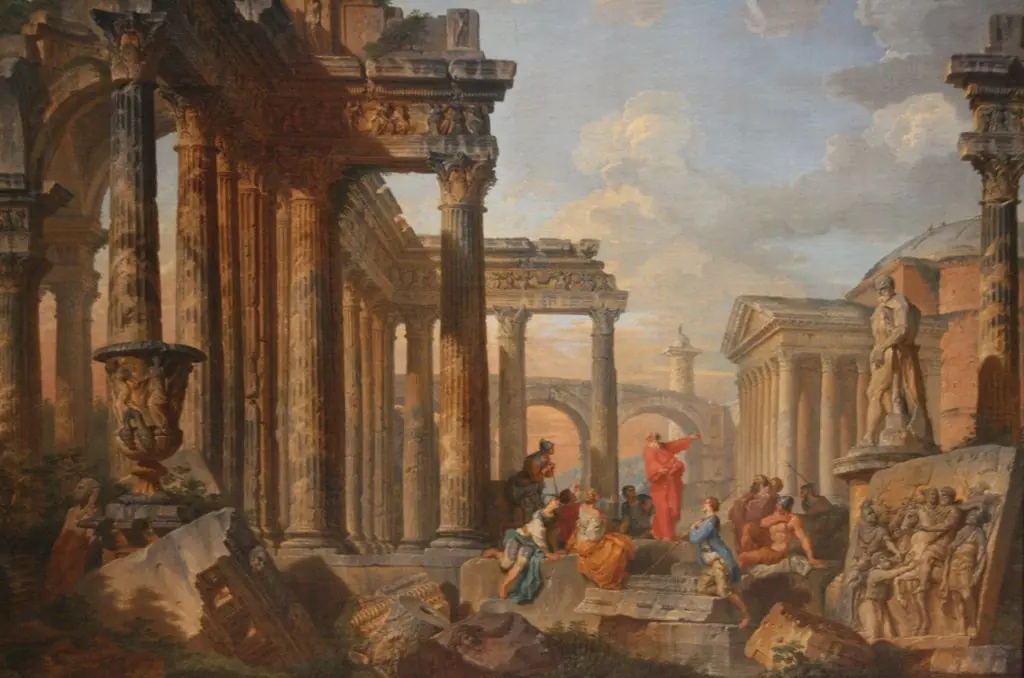 Roman Ruins with a Preacher
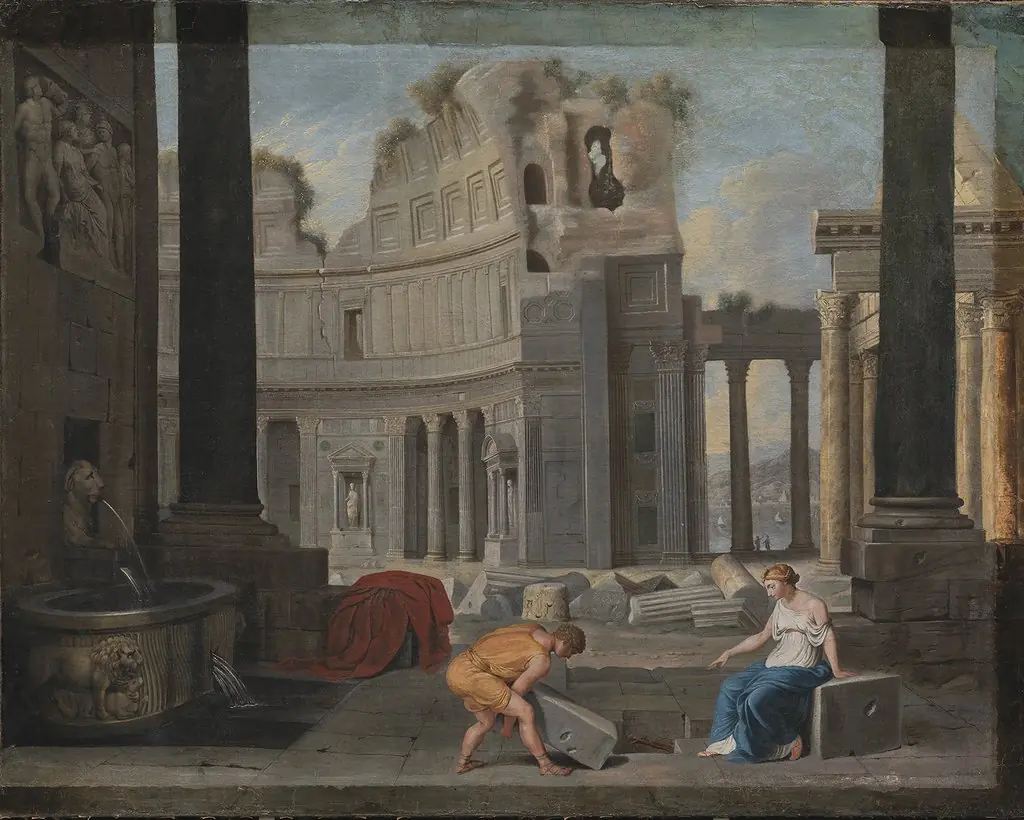 Theseus finding his Father's Sword and Sandals
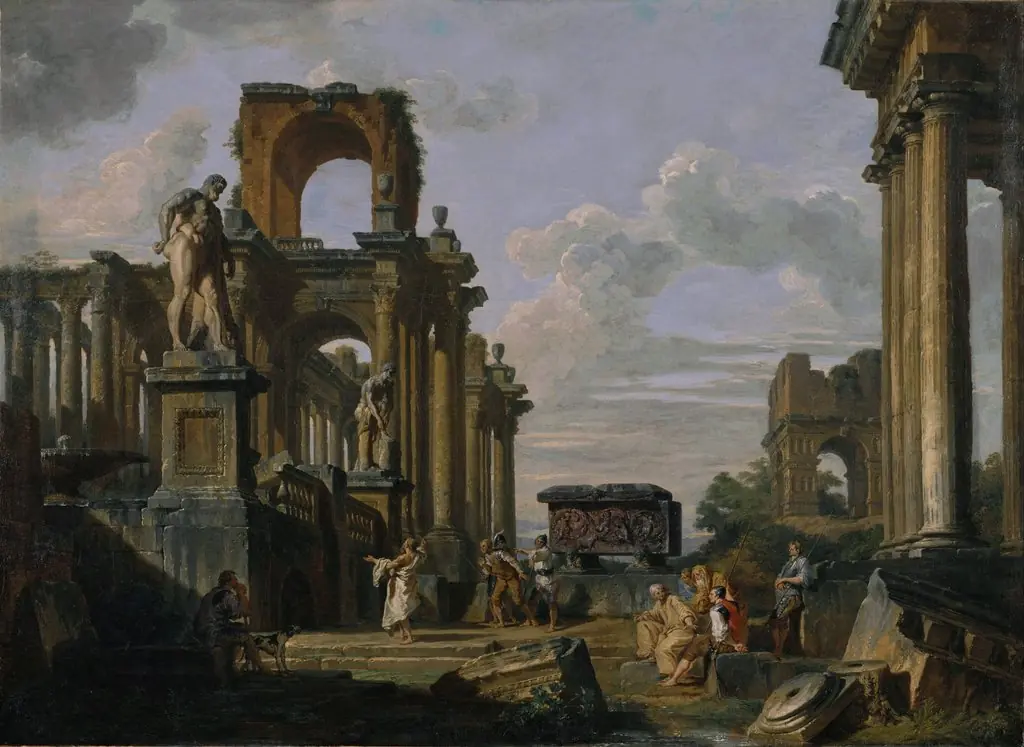 An Architectural Capriccio of the Roman Forum with Philosophers and Soldiers among Ancient Ruins, including the Arch of Janus Quadrifrons, the Sarcophagus of Santa Constanza, the Farnese Hercules and the Cincinnatus
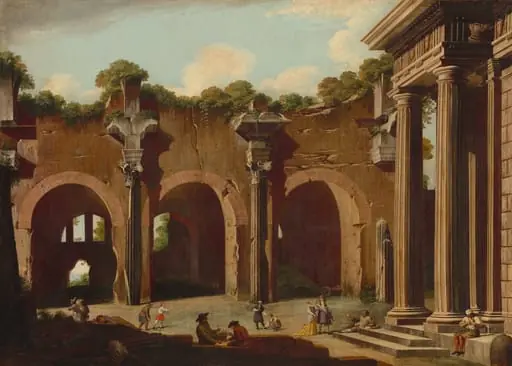 The Basilica of Constantine with a Doric Colonnade
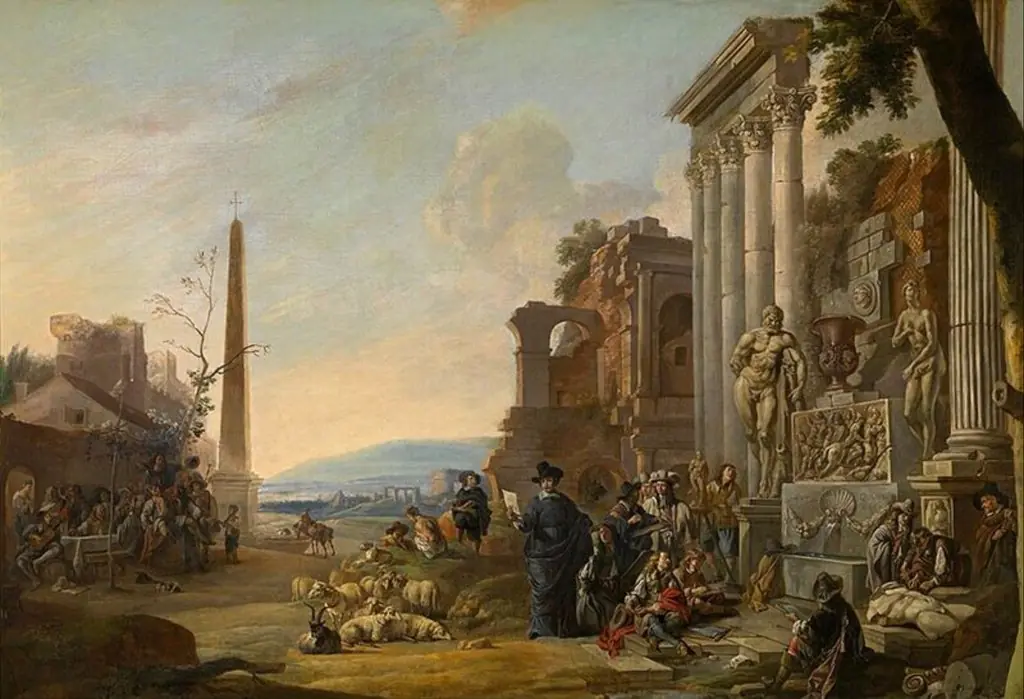 The Study of Art in Rome
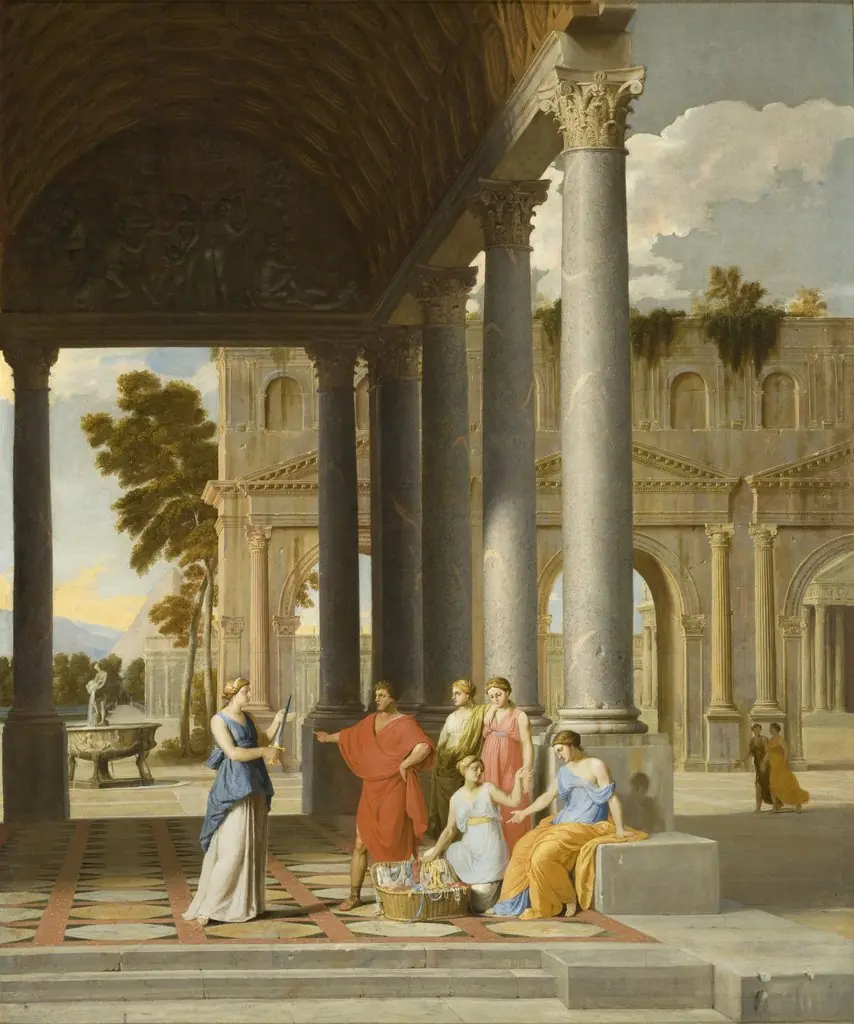 Achilles Discovered Among the Daughters of Lycomedes
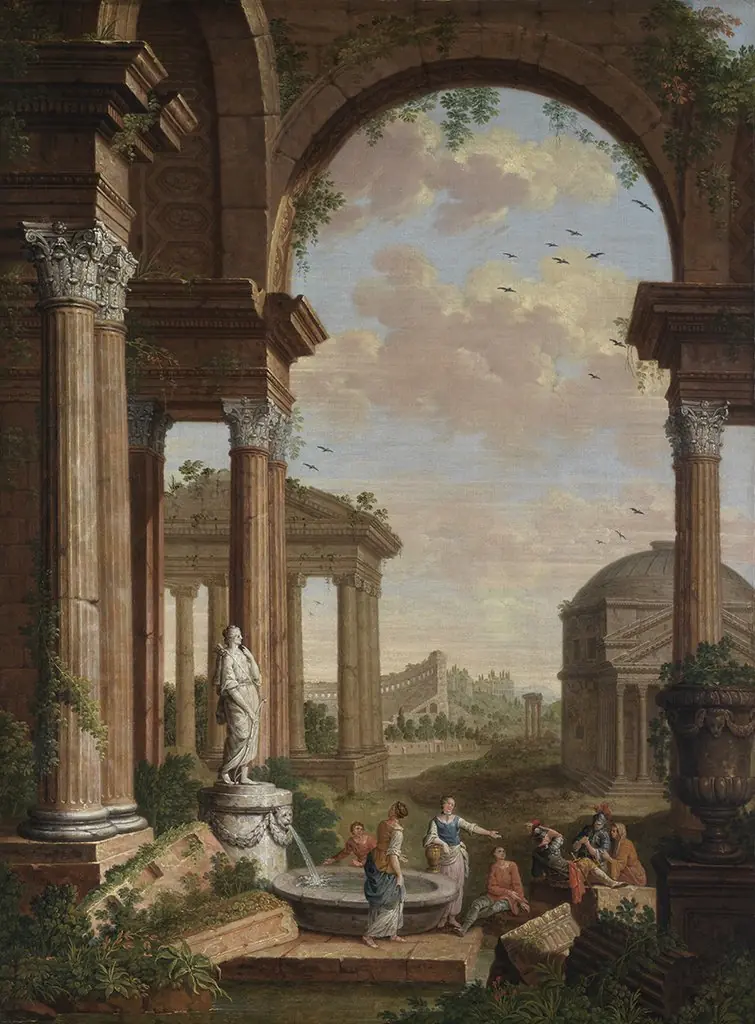 Landscape with Roman Ruins
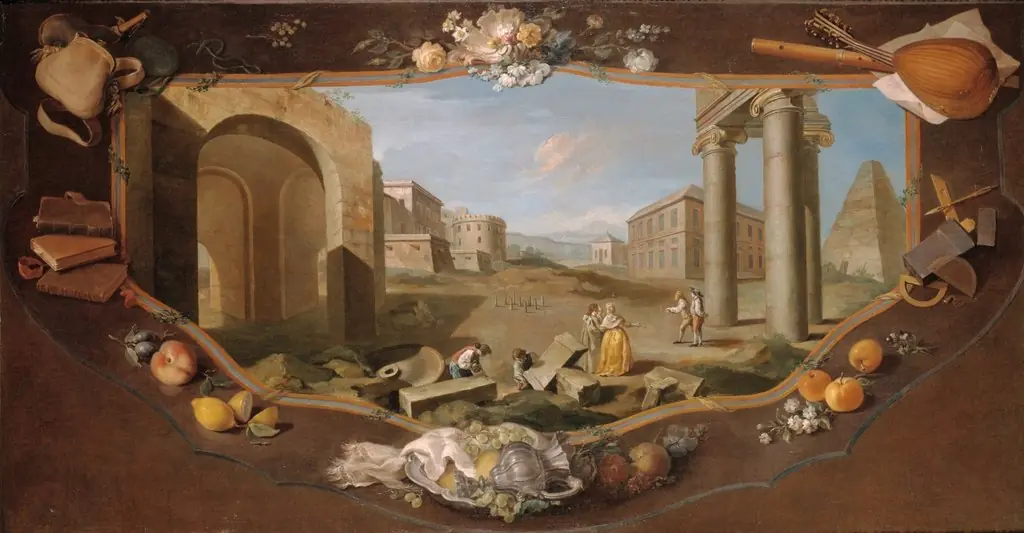 Landscape with an Architectural View
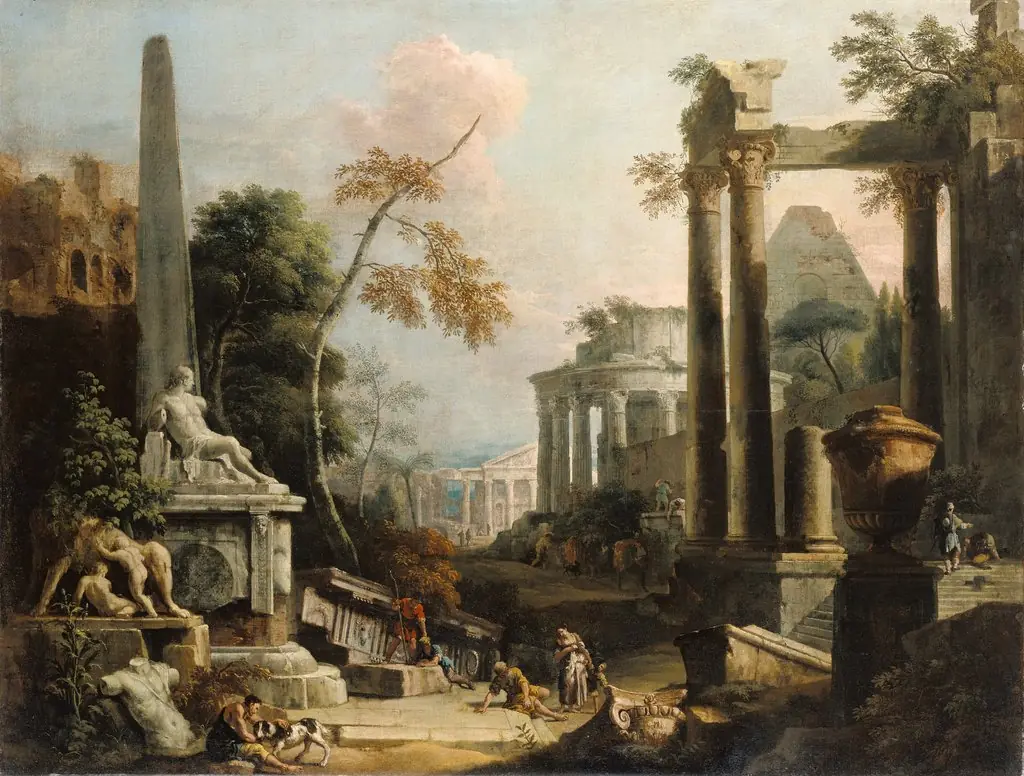 Landscape with Classical Ruins and Figures