Artwork
Andrea Alciati
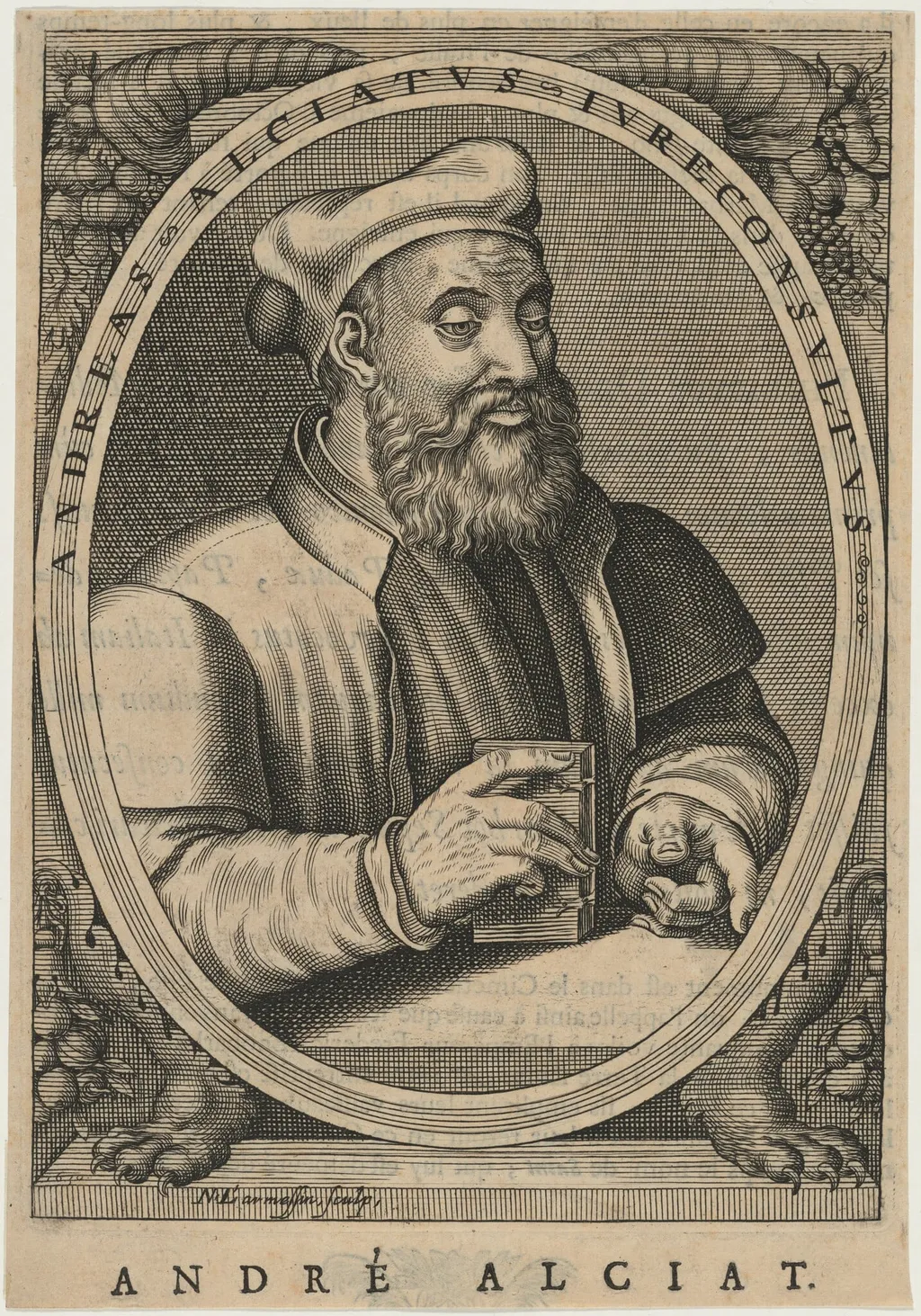
Andrea Alciati is an ink print by the Baroque artist Nicolas de Larmessin IV. It dates from 1720 and is held in the collection of the National Gallery of Art.
About this work
Overview
Created in 1720, this copper engraving is attributed to Nicolas de Larmessin IV. The print presents a solitary figure, rendered with precise line work that emphasizes texture and depth. It exemplifies the meticulous craftsmanship typical of early‑18th‑century French printmaking.
Subject & Meaning
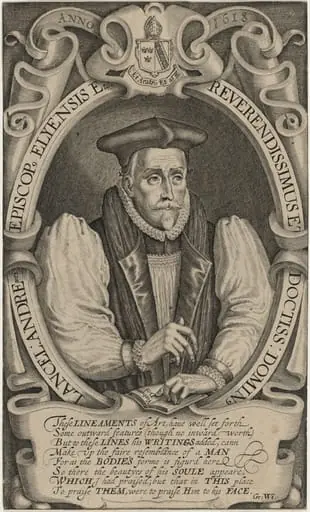
The central figure is a bearded man wearing a hat and a dark robe over a lighter shirt, his sleeves rolled up. He holds an open book and gazes to the right with a solemn expression, suggesting scholarly or contemplative activity, though no explicit narrative accompanies the image.
Technique & Style
Larmessin employs fine cross‑hatching to model the folds of the robe, the sheen of the hat, and the pages of the book. The dense network of lines creates subtle gradations of tone, while the crisp outlines define the figure’s features and attire with clarity.
History & Provenance
The engraving bears the signature of Nicolas de Larmessin IV, a member of a family of French engravers active in the late Baroque period. It was produced in Paris, where the Larmessin workshop supplied prints for both private collectors and the broader market.
Context
During the early 1700s, portrait engravings served as a means of disseminating images of intellectuals, patrons, or allegorical types. This work aligns with that tradition, offering a stylized representation of a learned individual that could be reproduced and circulated widely.
Legacy
While not as widely known as larger oil portraits, the print illustrates the high level of technical skill achieved in French engraving before the rise of lithography. It remains a reference point for scholars studying the Larmessin family’s contribution to print culture.
Artist & collection


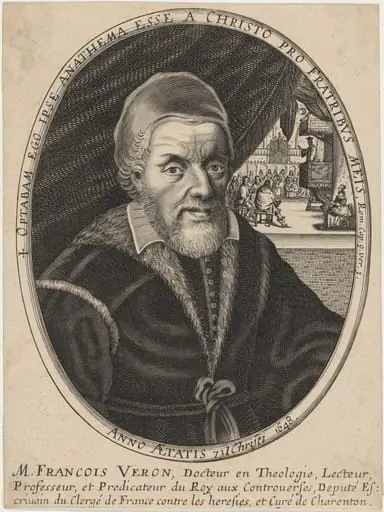 M. Francois Veron, Doctor of Theology, Lecturer, Professor, under Louis XIV
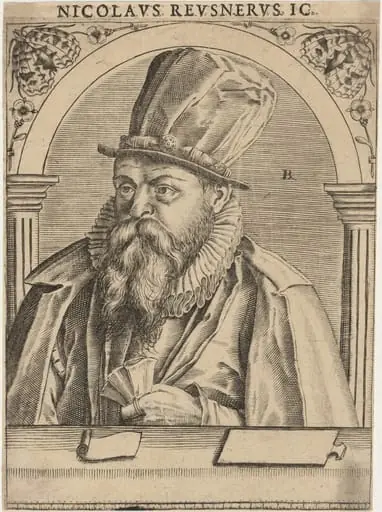 Nicolas Reusner
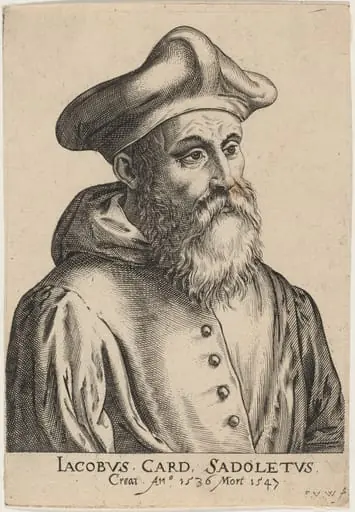 Cardinal Jacopo Sadoleto
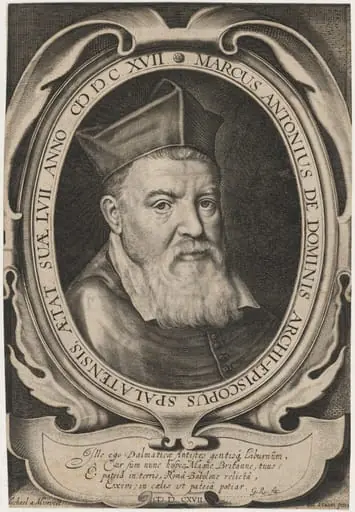 Marc Antonio de Dominis
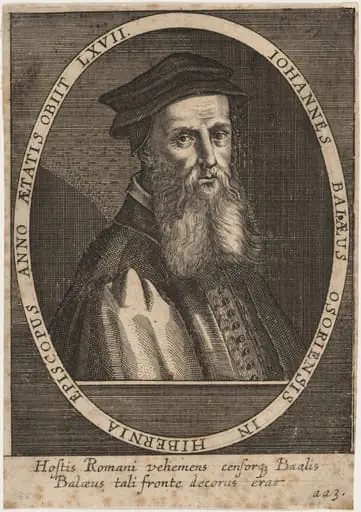 John Bale, Bishop of Ossory
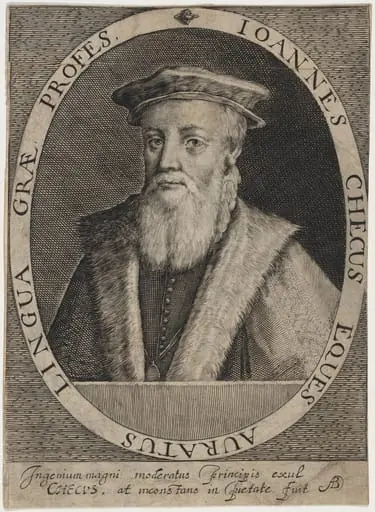 Sir John Cheke, Tutor to Edward VI
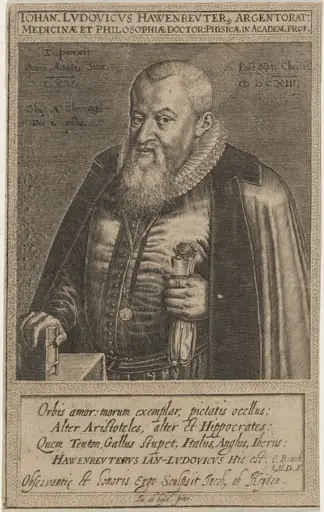 Johan Ludovicus Hawenrenter
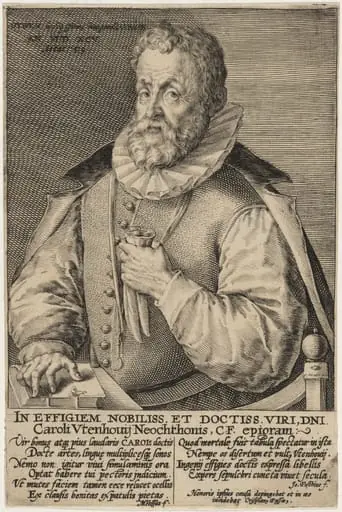 Carolus van Utenhoven
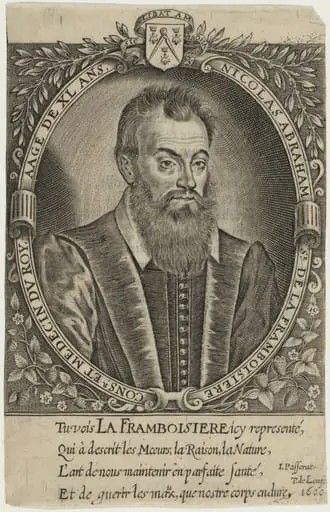 Nicolas Abraham de la Framboisiere
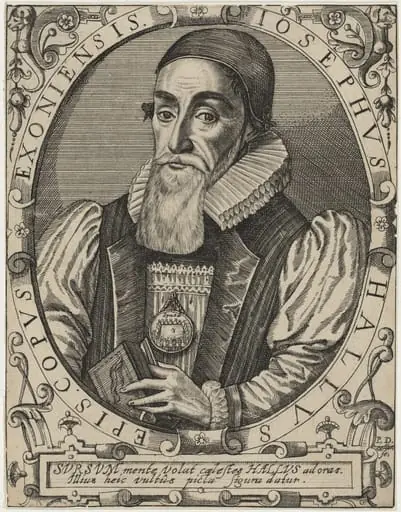 Joseph Hall, Bishop of Norwich
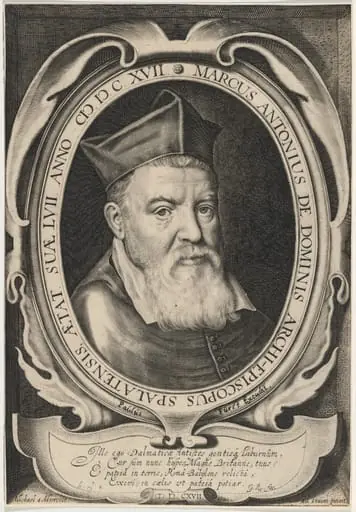 Marc Antonio de Dominis
 Lancelot Andrews, Bishop of Ely and Winchester